
If you are good at studies, someone has probably already told you to take Science. If you enjoy reading, writing or understanding people, you may have heard that Humanities is the “easy” option. And if you are still considering Humanities, you may even have been asked, “But what will you do with it?”
The truth is that Humanities is no longer a backup plan. The world of work is changing, and careers increasingly need people who can think critically, communicate clearly, understand people and make sense of complex social and cultural issues. If those are areas you naturally enjoy, Humanities could be a smart choice—not because it is easier, but because it could be the right fit for you.
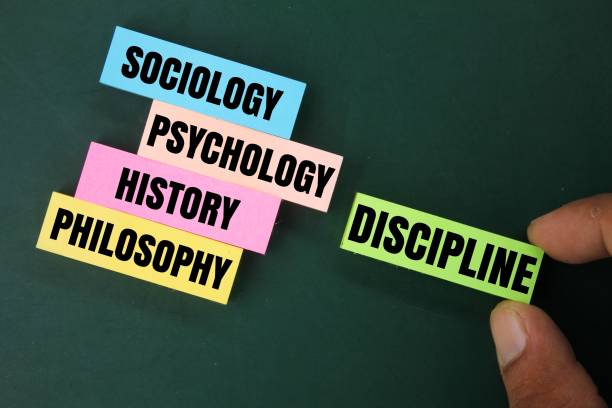
For years, Humanities was sometimes treated as the stream students chose when they did not want to study Science or Commerce. That perception is changing. If you enjoy subjects such as history, political science, psychology, sociology, literature, languages, geography or economics, Humanities can offer a strong foundation for a wide range of academic and career paths.
Humanities Is About Understanding People and the World
Humanities subjects explore how people think, communicate, create societies and make decisions. You may study historical events, political systems, cultures, human behaviour, literature or social issues.
These subjects can teach you to look at a problem from different perspectives, question assumptions and build an argument using evidence. These are skills that extend far beyond the classroom.
It Opens More Career Paths Than You May Think
Choosing Humanities does not limit you to becoming a teacher or pursuing a career in the arts. Depending on your subjects and higher education choices, you can explore areas such as law, psychology, journalism, public policy, international relations, advertising, media, design, education, research and many areas of business.
Humanities can also work well alongside technology and other disciplines. Careers in areas such as user experience, communications, digital media and policy increasingly require people who can combine analytical and human-centred thinking.
Communication Is a Career Skill
Almost every organisation needs people who can communicate clearly. Whether you are writing a report, presenting an idea, negotiating with someone, creating content or explaining a complex issue, communication matters.
Humanities subjects give you regular opportunities to read, write, analyse and express ideas. Developing these abilities can give you an advantage in college and in many professional environments.
Critical Thinking Matters Too
The ability to memorise information is not enough for many modern careers. Employers increasingly value people who can evaluate information, identify assumptions, ask useful questions and make reasoned decisions.
Humanities encourages you to do exactly that. When you study history, politics, economics or literature, you are often required to examine evidence, compare viewpoints and construct your own interpretation.
These habits of thinking can be useful in almost any profession.
Humanities Can Lead to Law and Public Policy
If you are interested in law, government, international affairs or social issues, Humanities can provide a strong academic foundation.
Subjects such as Political Science, History, Economics and Sociology can help you understand institutions, societies and the forces that shape public decisions. They can also prepare you for further study in law, political science, public policy, international relations and related fields.
It Can Also Lead to Creative Careers
If you are drawn towards writing, filmmaking, advertising, design, publishing, communication or media, Humanities can give you the opportunity to develop your creative and analytical abilities.
Creative careers are not simply about having good ideas. They also require research, communication, understanding audiences and solving problems. Humanities can help develop many of these abilities.
Don't Assume Humanities Is Easier
Another misconception is that Humanities is an “easy” stream because it does not involve the same kind of numerical or scientific coursework as some Science combinations.
Humanities can involve substantial reading, research, writing, analysis and independent thinking. Doing well requires more than memorising chapters. You need to understand ideas, connect information and communicate your arguments effectively.
If you enjoy reading, questioning and analysing, you may find this challenging in a way that is also rewarding.
Subject Choices Still Matter
Humanities is not one fixed combination. Depending on your school and board, you may have options such as History, Political Science, Geography, Sociology, Psychology, Economics, Mathematics, languages or other electives.
Think about the subjects that genuinely interest you and also consider what you may want to study later. Certain university programmes may have specific subject requirements, so check eligibility before finalising your combination.
Build a Profile Beyond Your Subjects
If you choose Humanities, don't limit your learning to textbooks. Explore debates, writing, volunteering, research, public speaking, theatre, student journalism, internships or independent projects.
These experiences can help you discover which areas of Humanities you enjoy most while developing skills that will be useful when you apply to college.
Don't Choose—or Reject—Humanities Because of Other People's Opinions
You may still hear comments suggesting that Science is the “better” option or that Humanities has fewer opportunities. Your classmates, relatives and even friends may have strong opinions.
But they will not be studying your subjects or building your career.
If Humanities matches your interests and strengths, choosing it is not settling for less. It is choosing a field in which you can develop abilities that have genuine value.
Ask Yourself Before Choosing Humanities
Think about whether you enjoy reading, writing, discussion, research and understanding people or society. Consider whether you like asking questions rather than simply looking for one correct answer.
Also explore the university courses and careers that interest you and check whether your preferred subjects will support those options. You do not need to have a fixed career plan, but having some areas you would like to explore can make your subject choices more informed.
Final Thoughts
Humanities is not a backup option. It is a broad field that can develop communication, critical thinking, creativity, research and an understanding of people—skills that can be valuable across many careers.
The smartest stream is not necessarily the one with the highest social status. It is the one that allows you to build your strengths, stay curious and prepare for the kind of future you actually want.
If Humanities makes you want to ask questions, understand people and explore ideas, it may be a very smart choice indeed.