
Aerobiologist
Aerology Research Scholar (PhD)
Explore Career
An Aerologist is a specialist who studies the atmosphere, weather patterns, and climatic conditions to understand and predict atmospheric phenomena. They analyze meteorological data to provide forecasts, assess environmental impacts, and contribute to research on atmospheric processes. Their work supports sectors such as aviation, agriculture, disaster management, environmental protection, and climate science.
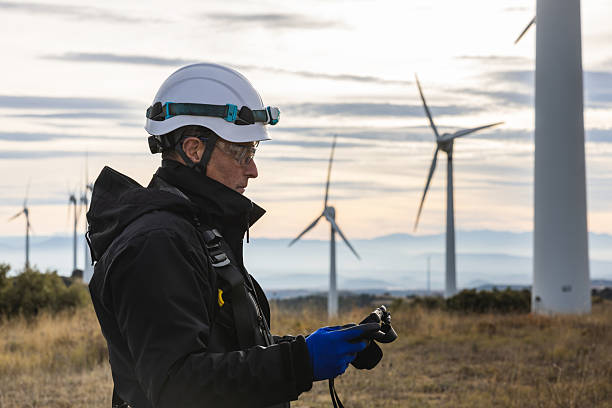
Aerologists apply principles of physics, chemistry, and mathematics to study atmospheric conditions and dynamics. They collect and interpret data from weather stations, satellites, radars, and balloons to analyze weather systems, air quality, and climate variability. Their forecasts and analyses help mitigate weather-related risks, support operational planning in aviation and agriculture, and contribute to climate change research. Aerologists work in meteorological departments, research institutions, environmental agencies, and private weather service companies.
| Route | Steps |
|---|---|
| Route 1: Atmospheric Science / Meteorology Degree | 1. Bachelor’s degree in Atmospheric Science, Meteorology, Physics, or related fields. 2. Master’s degree specializing in Aerology, Climate Science, or Meteorology. 3. Internships with meteorological departments, research labs, or environmental agencies. 4. Employment in government meteorological services, research institutes, or private weather companies. |
| Route 2: Physics / Environmental Science + Meteorology | 1. Degree in Physics, Environmental Science, or Earth Sciences. 2. Postgraduate specialization in Atmospheric Sciences or Aerology. 3. Experience in data analysis, modeling, or environmental monitoring. 4. Career progression in research, forecasting, or consultancy roles. |
| Route 3: Engineering / Remote Sensing + Atmospheric Focus | 1. Degree in Environmental Engineering, Remote Sensing, or Geoinformatics. 2. Advanced training in meteorological instrumentation and atmospheric modeling. 3. Practical exposure through internships or projects in weather forecasting or climate research. 4. Roles in meteorological technology development or operational forecasting. |
| Route 4: Professional Experience + Certifications | 1. Relevant experience in meteorological data analysis, forecasting, or environmental monitoring. 2. Certifications in meteorological software, remote sensing, or climate modeling. 3. Development of technical, analytical, and communication skills. 4. Advancement to senior aerologist or research specialist positions. |
| Institute | Course | Official Link |
|---|---|---|
| Indian Institute of Tropical Meteorology (IITM), Pune | MSc Atmospheric Science | https://www.tropmet.res.in/ |
| Indian Institute of Technology (IIT) Delhi | MSc Atmospheric and Oceanic Sciences | https://iitd.ac.in/ |
| Indian Institute of Science (IISc), Bangalore | MSc Atmospheric Physics | https://iisc.ac.in/ |
| Indian Meteorological Department (IMD) Training Centre | Meteorology Training Programs | https://mausam.imd.gov.in/ |
| University of Pune | MSc Meteorology and Atmospheric Science | https://unipune.ac.in/ |
| Banaras Hindu University (BHU) | MSc Atmospheric Science | https://bhu.ac.in/ |
| Andhra University | MSc Meteorology | https://andhrauniversity.edu.in/ |
| Aligarh Muslim University (AMU) | MSc Atmospheric Science | https://amu.ac.in/ |
| National Institute of Technology (NIT), Warangal | MSc Environmental Science with Meteorology | https://nitw.ac.in/ |
| Jamia Millia Islamia University | MSc Atmospheric Science | https://jmi.ac.in/ |
International
| Institution | Course | Country | Official Link |
|---|---|---|---|
| Massachusetts Institute of Technology (MIT) | MSc Atmospheric Science | USA | https://mit.edu/ |
| University of Reading | MSc Meteorology | UK | https://reading.ac.uk/ |
| University of Oxford | MSc Atmospheric, Oceanic and Planetary Physics | UK | https://ox.ac.uk/ |
| Colorado State University | MSc Atmospheric Science | USA | https://colostate.edu/ |
| University of Melbourne | MSc Atmospheric Science | Australia | https://unimelb.edu.au/ |
| ETH Zurich | MSc Environmental Sciences | Switzerland | https://ethz.ch/ |
| University of Toronto | MSc Atmospheric Science | Canada | https://utoronto.ca/ |
| University of Copenhagen | MSc Meteorology | Denmark | https://ku.dk/ |
| National University of Singapore (NUS) | MSc Environmental Science | Singapore | https://nus.edu.sg/ |
India
International
Meteorological Technician → Junior Aerologist → Aerologist → Senior Aerologist / Research Scientist → Meteorological Consultant / Advisor → Director of Meteorological Services → Chief Atmospheric Scientist
| India | International |
|---|---|
| India Meteorological Department (IMD) | National Oceanic and Atmospheric Administration (NOAA) |
| Indian Institute of Tropical Meteorology (IITM) | European Centre for Medium-Range Weather Forecasts (ECMWF) |
| Space Applications Centre (ISRO) | NASA |
| National Centre for Medium Range Weather Forecasting (NCMRWF) | UK Met Office |
| Indian Institute of Science (IISc) | Environment Canada |
| Airports Authority of India (Meteorology Division) | MeteoFrance |
| Tata Consultancy Services (Weather Analytics) | Weather Channel |
| Private Weather Service Providers | AccuWeather |
| Ministry of Earth Sciences (MoES) | World Meteorological Organization (WMO) |
| Environmental NGOs and Research Labs | Climate Prediction Center (USA) |
| Pros | Cons |
|---|---|
| Opportunity to contribute to public safety and environmental protection | Requires continuous learning due to rapidly advancing technology |
| Work on critical issues like climate change and disaster risk reduction | Can involve irregular hours, especially during extreme weather events |
| High demand in diverse sectors including aviation, agriculture, and energy | Data interpretation can be complex and uncertain |
| Engagement with cutting-edge technology and research | Fieldwork and remote sensing can be physically demanding |
| Intellectual challenge combining science, technology, and policy | Communication of complex scientific concepts to non-experts can be challenging |
| Opportunities for international collaboration and travel | Pressure to deliver accurate forecasts in high-stakes situations |
| Career Level | India (₹ per annum) | International (US$ per annum) |
|---|---|---|
| Entry-Level Aerologist | 4,50,000 - 8,50,000 | $55,000 - $90,000 |
| Mid-Level Aerologist / Meteorologist | 8,50,000 - 16,00,000 | $90,000 - $140,000 |
| Senior Aerologist / Research Scientist | 16,00,000 - 30,00,000 | $140,000 - $220,000 |
| Meteorological Consultant / Advisor | 25,00,000 - 45,00,000 | $180,000 - $300,000 |
| Director / Chief Atmospheric Scientist | 40,00,000 - 70,00,000+ | $300,000 - $450,000+ |
A career as an Aerologist offers the opportunity to work at the forefront of atmospheric science, contributing to weather forecasting, climate research, and environmental protection. These professionals play a vital role in safeguarding lives, supporting critical industries, and advancing scientific understanding of the atmosphere. With the increasing impacts of climate change and technological advancements, the demand for skilled aerologists continues to grow, making it an exciting and impactful career choice.
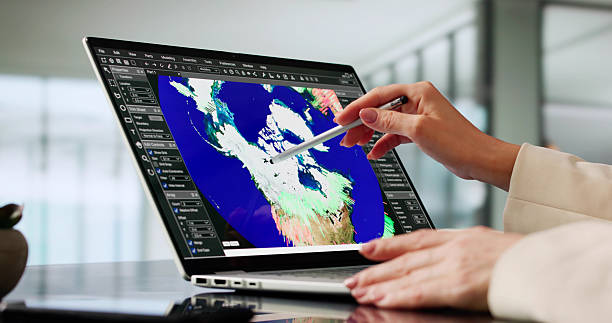
Meteorologists focus on observing and forecasting weather conditions using scientific instruments and computer models. They communicate weather...
0.0LPA
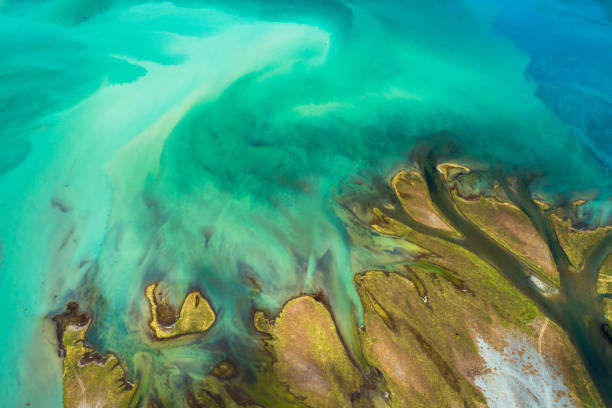
Climatologists study long-term climate patterns and trends to understand climate change and variability. They assess the impacts of human...
0.0LPA
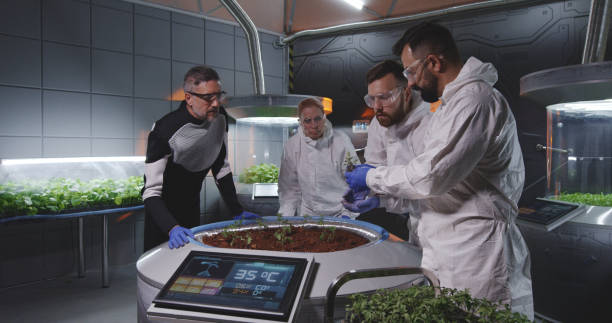
Atmospheric Scientists investigate the physical and chemical properties of the atmosphere. They conduct research on air pollution, greenhouse...
0.0LPA
Take the next step and explore more about Aerologist.
Explore similar career paths that might interest you