Bioinformatics

A Bioinformatician is a professional who applies computational tools and techniques to analyze and interpret biological data, such as genomic sequences, protein structures, and molecular interactions. They work in research institutions, pharmaceutical companies, universities, or biotech firms, collaborating with biologists, computer scientists, and data analysts. Bioinformaticians play a crucial role in advancing medical research, drug discovery, and personalized medicine through data-driven insights in a field driven by innovation, precision, and interdisciplinary expertise.
Share :
✨ Radial Mind Map - Bioinformatics
Nodes arranged in concentric circles

Loading radial mind map...

Overview

A Bioinformatician is a professional who applies computational tools and techniques to analyze and interpret biological data, such as genomic sequences, protein structures, and molecular interactions. They work in research institutions, pharmaceutical companies, universities, or biotech firms, collaborating with biologists, computer scientists, and data analysts. Bioinformaticians play a crucial role in advancing medical research, drug discovery, and personalized medicine through data-driven insights in a field driven by innovation, precision, and interdisciplinary expertise.

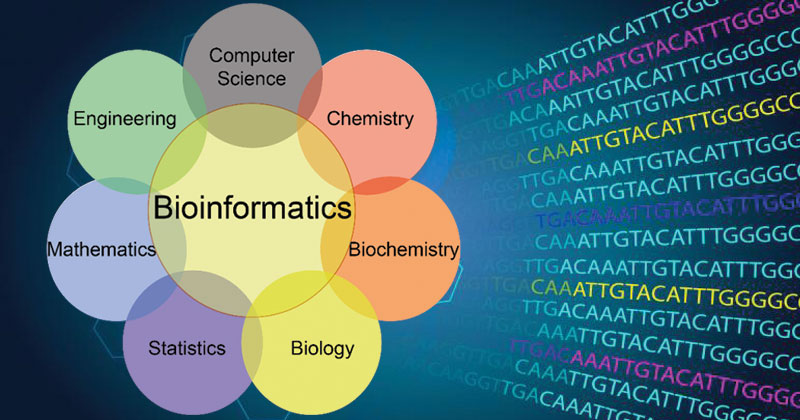
Bioinformaticians are analytical and tech-savvy professionals who work in office or lab environments, using advanced software, algorithms, and high-performance computing systems. Their role involves processing large-scale biological datasets, developing computational models, and solving complex biological problems like gene function prediction, often facing challenges such as data integration or algorithm optimization. They combine expertise in biology, computer science, and statistics to address issues ranging from disease genomics to evolutionary biology. As key contributors to scientific progress and healthcare innovation, they help shape the future of medicine and biotechnology in an industry increasingly driven by big data, artificial intelligence, and precision medicine.

Roles and Responsibilities

💼
Bioinformatics
Roles and Responsibilities
Genomic Data Analysis
Process and analyze DNA/RNA sequencing data to identify genetic variations or mutations.
Interpret genomic data to understand disease mechanisms or evolutionary patterns.
Protein Structure Prediction and Modeling
Use computational tools to predict protein structures and interactions for drug design.
Simulate molecular dynamics to study biochemical processes at the atomic level.
Algorithm and Software Development
Design and implement algorithms for biological data analysis, such as sequence alignment.
Develop or customize bioinformatics software tools for specific research needs.
Data Integration and Database Management
Integrate diverse biological datasets from sources like genomics, proteomics, and metabolomics.
Maintain and curate biological databases for accessibility and accuracy.
Drug Discovery and Development Support
Apply bioinformatics to identify potential drug targets through genomic and proteomic analysis.
Assist in virtual screening and molecular docking for drug candidate selection.
Statistical Analysis and Machine Learning
Use statistical methods and machine learning to uncover patterns in biological data.
Build predictive models for outcomes like disease risk or treatment response.
Research and Publication
Conduct research on bioinformatics applications in areas like personalized medicine.
Publish findings in scientific journals and present at conferences.
Collaboration with Multidisciplinary Teams
Work with biologists, clinicians, and data scientists on projects like cancer genomics.
Communicate computational results to non-technical stakeholders for decision-making.
Training and Mentorship
Educate researchers or students on bioinformatics tools and methodologies.
Supervise junior staff or students in computational biology projects.

Roles and Responsibilities

  • Genomic Data Analysis
    • Process and analyze DNA/RNA sequencing data to identify genetic variations or mutations.
    • Interpret genomic data to understand disease mechanisms or evolutionary patterns.
  • Protein Structure Prediction and Modeling
    • Use computational tools to predict protein structures and interactions for drug design.
    • Simulate molecular dynamics to study biochemical processes at the atomic level.
  • Algorithm and Software Development
    • Design and implement algorithms for biological data analysis, such as sequence alignment.
    • Develop or customize bioinformatics software tools for specific research needs.
  • Data Integration and Database Management
    • Integrate diverse biological datasets from sources like genomics, proteomics, and metabolomics.
    • Maintain and curate biological databases for accessibility and accuracy.
  • Drug Discovery and Development Support
    • Apply bioinformatics to identify potential drug targets through genomic and proteomic analysis.
    • Assist in virtual screening and molecular docking for drug candidate selection.
  • Statistical Analysis and Machine Learning
    • Use statistical methods and machine learning to uncover patterns in biological data.
    • Build predictive models for outcomes like disease risk or treatment response.
  • Research and Publication
    • Conduct research on bioinformatics applications in areas like personalized medicine.
    • Publish findings in scientific journals and present at conferences.
  • Collaboration with Multidisciplinary Teams
    • Work with biologists, clinicians, and data scientists on projects like cancer genomics.
    • Communicate computational results to non-technical stakeholders for decision-making.
  • Training and Mentorship
    • Educate researchers or students on bioinformatics tools and methodologies.
    • Supervise junior staff or students in computational biology projects.


Study Route & Eligibility Criteria

Study Route & Eligibility Criteria
Bioinformatics
Route 1
🎓
1
10+2 in Science stream
🏛️
2
Bachelor’s degree in Bioinformatics or related field
3-4 years
💼
3
Internship or research assistant role in bioinformatics labs
💼
4
Practice as Junior Bioinformatician or Data Analyst
Route 2
🎓
1
10+2 in Science stream with Biology and Mathematics
🏛️
2
Bachelor’s degree in Life Sciences, Computer Science, or Biotechnology
3-4 years
🏛️
3
Master’s degree in Bioinformatics
1-2 years
💼
4
Gain practical experience through research projects
💼
5
Work as Bioinformatician or Computational Biologist
Route 3
🎓
1
10+2 in Science with Mathematics and Biology
🏛️
2
B.Tech in Bioinformatics or Biotechnology
4 years
📚
3
Certification or short-term course in computational biology
3-6 months
💼
4
Internship in biotech or research companies
💼
5
Practice as Bioinformatics Engineer or Specialist
Route 4
🎓
1
10+2 in Science stream
🏛️
2
Bachelor’s degree in Bioinformatics or related field
3-4 years
📚
3
Ph.D. in Bioinformatics or Computational Biology
3-5 years
💼
4
Post-doctoral research or industry role
💼
5
Practice as Senior Bioinformatician or Consultant
🎯 Bioinformatics - Professional

Significant Observations (Academic Related Points)

💡
Bioinformatics
Academic Related Points
1
Scientific Foundation:
Strong understanding of biology and computer science is essential for data analysis.
2
Analytical Skills:
Training in data mining and algorithm development develops core computational competencies.
3
Specialized Training:
Certifications in programming or machine learning are critical for advanced roles.
4
Technology Proficiency:
Familiarity with bioinformatics software and databases is vital for modern research.
5
Interdisciplinary Knowledge:
Understanding statistics, genomics, and data science enhances project impact.
6
Certification Importance:
Specialized courses or certifications boost professional credibility in niche areas.
7
Continuing Education:
Regular updates on bioinformatics tools and trends are necessary to stay relevant.
8
Global Standards:
Familiarity with international data-sharing protocols enhances opportunities for global roles.
9
Attention to Detail:
Precision in data processing and analysis is critical for reliable outcomes.
10
Entrance Examination Success:
Competitive exams are often required for admission to top programs.
11
International Testing Requirements:
Language proficiency tests like IELTS may be needed for global opportunities.

Internships & Practical Exposure

💼
Bioinformatics
Internships & Practical Experience
1
Mandatory internships during degree programs at bioinformatics labs or biotech companies for real-world experience.
2
Rotations in genomic data analysis or software development teams for hands-on exposure to computational tools.
3
Internships under experienced Bioinformaticians for training in advanced techniques like next-generation sequencing analysis.
4
Observerships at clinical research centers or pharmaceutical firms for applied bioinformatics insights.
5
Participation in mock research projects for skill development in data modelling and algorithm design.
6
Training in programming languages through real-world projects like genome annotation or protein modeling.
7
Exposure to data curation during internships for skills in database management and compliance.
8
Volunteer roles in open-source bioinformatics projects to build a portfolio.
9
Community engagement projects for promoting bioinformatics awareness in health or education.
10
International research attachments for global exposure to cutting-edge bioinformatics innovations and practices.

Courses & Specializations to Enter the Field

📚
Bioinformatics
Courses & Specializations
📖
Certificate in Bioinformatics or Computational Biology.
📖
Bachelor’s in Bioinformatics, Biotechnology, or Computer Science.
📖
Master’s in Bioinformatics, Computational Biology, or Data Science.
📖
B.Tech/M.Tech in Bioinformatics or Biotechnology with computational focus.
📖
Specialization in Genomics, Proteomics, or Systems Biology.
📖
Ph.D. in Bioinformatics for advanced research roles.
📖
Workshops on Next-Generation Sequencing (NGS) or Machine Learning in Biology.
📖
Training in Big Data Analysis or Drug Discovery Informatics.
📖
Specialization in Clinical Bioinformatics or Metagenomics.
📖
Certification in Programming for Bioinformatics (e.g., Python, R).

Prominent Employers

🏢
Bioinformatics
🌟 Top Companies & Organizations
🇮🇳 India
🏛️
Biocon
🏛️
Strand Life Sciences
🏛️
Dr. Reddy’s Laboratories
🏛️
Tata Consultancy Services (TCS) - Life Sciences
🏛️
Wipro - Bioinformatics Division
🏛️
Infosys - Life Sciences
🏛️
Genotypic Technology
🏛️
Syngene International
🏛️
MedGenome
🏛️
Ocimum Biosolutions
🌍 International
🌐
Illumina, Global
🌐
Thermo Fisher Scientific, Global
🌐
Roche, Global
🌐
Novartis, Global
🌐
Amgen, Global
🌐
Gilead Sciences, Global
🌐
Bio-Rad Laboratories, Global
🌐
Qiagen, Global
🌐
10x Genomics, Global
🌐
Broad Institute, USA

Advice for Aspiring Bioinformaticss

💡
Bioinformatics
🌟 Tips for Students & Parents
1
Build a strong foundation in biology and computer science to understand data principles.
2
Seek early exposure to computational roles through internships to confirm interest in bioinformatics.
3
Prepare thoroughly for competitive exams like GATE or GRE with structured study plans.
4
Pursue short courses in machine learning or NGS analysis to gain expertise in emerging areas.
5
Stay updated on bioinformatics trends by following journals like Bioinformatics or Nucleic Acids Research.
6
Develop hands-on skills in programming and data analysis through research projects.
7
Engage in practical internships at biotech firms or research institutes for real-world experience.
8
Join professional associations like ISCB or APBioNet for networking and resources.
9
Work on precision in data processing and documentation to ensure credible research outcomes.
10
Explore international research opportunities for exposure to global bioinformatics advancements.
11
Volunteer in open-source bioinformatics projects to understand practical data challenges.
12
Cultivate adaptability to handle rapid changes in technology and data formats.
13
Attend continuing education programs to stay abreast of bioinformatics tools and trends.
14
Build a network with researchers, data scientists, and industry leaders for collaborative efforts.
15
Develop resilience to manage the high-pressure demands of data analysis and innovation.
16
Balance computational rigor with ethical integrity to adapt to evolving bioinformatics landscapes.
🎓 Final Message
A career as a Bioinformatician offers a profound opportunity to decode the complexities of life through data, driving scientific progress with computational expertise, fostering global well-being with every insight. Bioinformaticians are the architects of biological data innovation, using their skills to uncover genetic mysteries, develop therapies, and advance precision medicine across industries. This profession blends scientific curiosity with technological precision, providing pathways in genomic research, drug discovery, clinical applications, and beyond. For those passionate about data-driven discovery, driven by a desire to solve biological challenges, and eager to embrace the evolving landscape of AI and big data in biology, becoming a Bioinformatician is a deeply rewarding journey. It empowers individuals to shape scientific outcomes, address critical global issues, and advance human progress through the transformative power of bioinformatics.
Knowledge & Skills You Will Learn
1
Rising Demand:Growing need for Bioinformaticians skilled in precision medicine and multi-omics.
2
Skill Development Needs:Growing necessity for training in big data and deep learning applications.
3
Sustainability Focus:Increased efforts to apply bioinformatics in environmental genomics.
Bioinformatics Intern:

Bioinformatics Intern:

Entry-level individuals who assist in basic tasks like data preprocessing or running existing bioinformatics tools under supervision. They gain...

0.0LPA

Junior

Junior

Bioinformatician : Early-career professionals who conduct routine data analysis and assist in pipeline development in research labs. They focus on...

0.0LPA

Research Associate:

Research Associate:

Mid-level professionals who design and execute computational studies, often specializing in areas like genomics or proteomics. They analyze data...

0.0LPA

Interested in this career?

Take the next step and explore more about Bioinformatics.