Accessory Designer
Senior Accessory Designer
Explore Career
Ceramic Designers are creative professionals who conceptualize and develop functional and decorative objects using clay and related materials. They combine artistic vision with technical knowledge to create designs that are visually appealing, functionally effective, culturally relevant, and manufacturable. Working across pottery studios, ceramic manufacturing companies, design firms, and as independent artisans, these designers balance artistic expression with material constraints to create products that resonate with consumers while meeting brand identities, functional requirements, and production feasibility. The profession demands exceptional material understanding, spatial thinking abilities, and technical skill—requiring designers to honour ceramic traditions while innovating new approaches to this ancient medium.
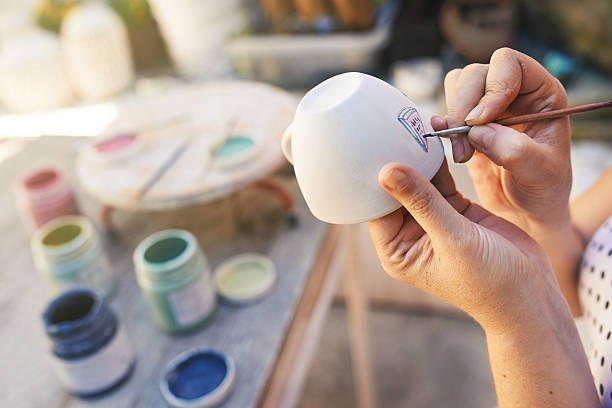
Ceramic Designers are creative professionals who conceptualize and develop functional and aesthetic objects using clay and related materials. They combine artistic vision with technical knowledge to create designs that are visually compelling, functionally effective, culturally relevant, and manufacturable. Careers span pottery studios, ceramic manufacturing companies, design firms, architectural ceramics, tableware producers, and independent studio practices. Success depends on a unique blend of artistic talent, technical understanding, and material knowledge to design ceramic products that meet consumer preferences, brand identities, functional requirements, and manufacturing constraints while balancing tradition with innovation in this ancient yet continuously evolving medium.
| Route | Steps |
|---|---|
| Route 1: Ceramic Design Degree | 1. Bachelor's degree in Ceramic Design or Ceramic Arts. 2. Internship at ceramic studio or manufacturer. 3. Portfolio development with ceramic concepts. 4. Junior ceramic designer position. |
| Route 2: Industrial Design to Ceramics | 1. Background in Industrial Design or Product Design. 2. Specialization in ceramic materials and processes. 3. Ceramic-focused projects and competitions. 4. Entry-level ceramic design role. |
| Route 3: Fine Arts to Ceramic Design | 1. Fine Arts or Visual Arts background. 2. Technical training in ceramic processes. 3. Development of ceramic design portfolio. 4. Design assistant or studio technician role. |
| Route 4: Craft to Commercial Design | 1. Traditional pottery or ceramic craft background. 2. Design training and production skills development. 3. Combined craft-commercial projects. 4. Production designer or artisan-designer position. |
| Institute | Course | Official Link |
|---|---|---|
| National Institute of Design, Ahmedabad | Ceramic & Glass Design | https://www.nid.edu |
| Faculty of Fine Arts, M.S. University, Baroda | Ceramic Design | https://www.msubaroda.ac.in |
| Central Glass and Ceramic Research Institute, Kolkata | Ceramic Technology | https://www.cgcri.res.in |
| Industrial Design Centre, IIT Bombay | Product Design with Ceramic focus | https://www.idc.iitb.ac.in |
| Srishti Institute of Art, Design and Technology | Ceramic Arts & Design | https://www.srishti.ac.in |
| Delhi Blue Pottery Trust | Ceramic Design & Technology | https://www.delhibluepotterytrust.com |
| Kalabhavan, Visva-Bharati University, Santiniketan | Ceramic Arts | https://www.visvabharati.ac.in |
| Sir J.J. School of Art, Mumbai | Applied Arts with Ceramic focus | https://www.jjschool.edu.in |
| College of Fine Arts, Karnataka Chitrakala Parishath | Ceramic Design | https://www.chitrakalaparishath.com |
| Government College of Art & Craft, Kolkata | Ceramic Arts | https://www.gcac.edu.in |
| Uttarayan Art Foundation | Ceramic Design | https://www.uttarayanartfoundation.org |
| Andretta Pottery | Traditional Pottery Training | https://www.andrettapottery.com |
| Golden Bridge Pottery, Pondicherry | Studio Pottery Training | https://www.goldenbridgepottery.com |
| World University of Design | Product Design with Ceramic focus | https://www.wud.ac.in |
| Indian Institute of Crafts & Design | Ceramic Craft Design | https://www.iicd.ac.in |
International
| Institution | Course | Country | Official Link |
|---|---|---|---|
| Royal College of Art | MA Ceramics & Glass | UK | https://www.rca.ac.uk |
| Central Saint Martins | Ceramic Design | UK | https://www.arts.ac.uk/csm |
| Alfred University | BFA/MFA Ceramic Art | USA | https://www.alfred.edu |
| Rhode Island School of Design | Ceramics | USA | https://www.risd.edu |
| Jingdezhen Ceramic Institute | Ceramic Design | China | https://www.jci.edu.cn |
| Design Academy Eindhoven | Product Design (Ceramic focus) | Netherlands | https://www.designacademy.nl |
| École nationale supérieure des arts décoratifs | Ceramic Design | France | https://www.ensad.fr |
| Kyoto City University of Arts | Ceramic Arts | Japan | https://www.kcua.ac.jp |
| Glasgow School of Art | Ceramic Design | UK | https://www.gsa.ac.uk |
| Aalto University | Applied Arts and Design | Finland | https://www.aalto.fi |
| Bezalel Academy of Arts and Design | Ceramics Department | Israel | https://www.bezalel.ac.il |
| Emily Carr University of Art + Design | Ceramic Arts | Canada | https://www.ecuad.ca |
| Konstfack University | Ceramics & Glass | Sweden | https://www.konstfack.se |
| Staffordshire University | Ceramic Design | UK | https://www.staffs.ac.uk |
| School of the Art Institute of Chicago | Ceramics | USA | https://www.saic.edu |
India
International
Junior Designer → Production Designer → Senior Designer → Lead Designer → Design Manager → Creative Director → Studio Director → Design Consultant → Design Educator → Independent Studio Artist/Designer
| India | International |
|---|---|
| Clay Craft India | Wedgwood |
| Hitkari Potteries | Royal Copenhagen |
| Kajaria Ceramics | Villeroy & Boch |
| Somany Ceramics | Rosenthal |
| Hindware | Heath Ceramics |
| Cera Sanitaryware | Royal Delft |
| Jaipur Ceramics | Bernardaud |
| Khurja Pottery | Noritake |
| Auroville Pottery | Haviland |
| Eliteware | Herend Porcelain |
| Pros | Cons |
|---|---|
| Creative Expression and Artistic Fulfillment | Material and Production Constraints |
| Tangible Impact on Everyday Objects | Physically Demanding Work |
| Connection to Ancient Traditions | Exposure to Dust and Chemicals |
| Diverse Career Opportunities | Limited Scale of Production |
| Combination of Art and Functionality | Fragility of Final Products |
| Global Cultural Relevance | Long Production Cycles |
| Hands-on Material Engagement | Market Fluctuations |
| Recognition for Signature Designs | Need for Specialized Facilities |
| Potential for Independent Practice | Technical Challenges and Failures |
| Sustainable Material Options | Initial Career Stages May Be Less Lucrative |
| Career Level | India (₹ per annum) | International (US$ per annum) |
|---|---|---|
| Junior Designer | 3,00,000 - 5,00,000 | $40,000 - $55,000 |
| Mid-Level Designer | 5,00,000 - 10,00,000 | $55,000 - $80,000 |
| Senior Designer | 10,00,000 - 18,00,000 | $80,000 - $110,000 |
| Lead Designer | 18,00,000 - 30,00,000 | $110,000 - $150,000 |
| Design Director | 30,00,000+ | $150,000+ |
Ceramic Design represents a fascinating intersection of art, craft, and functional design. In an era balancing technological advancement with renewed appreciation for handcraft, the role of ceramic designers has evolved to encompass both traditional knowledge and innovative approaches. For those with passion, creativity, and material sensitivity, a career in ceramic design provides the chance to participate in one of humanity's oldest continuous design traditions while creating objects that bridge cultural heritage and contemporary life.

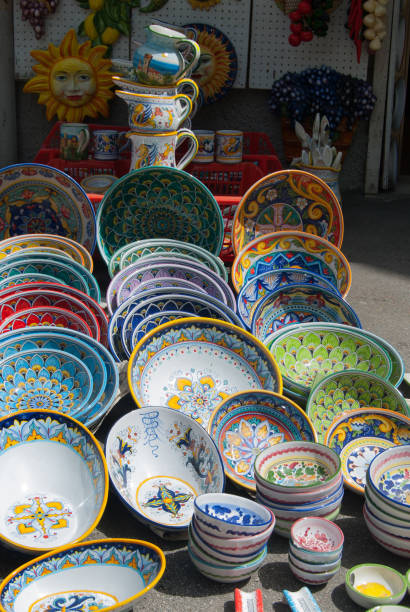
Specializes in creating functional dining products including plates, bowls, cups, and serving pieces that balance aesthetics with usability. They...
0.0LPA
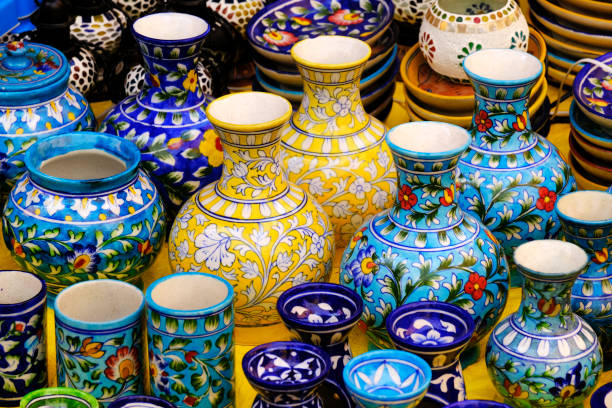
Focuses on creating ceramic objects primarily for aesthetic and ornamental purposes, including vases, sculptures, and art objects. They explore...
0.0LPA
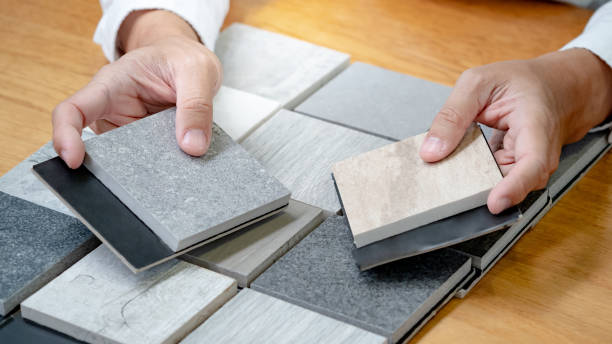
Specializes in creating ceramic tiles for architectural and interior applications, developing patterns, textures, and modular systems. They...
0.0LPA
Take the next step and explore more about Ceramic designer.
Explore similar career paths that might interest you