Ag-FinTech Product Manager
Junior Ag-FinTech Product Manager
Explore Career
A Climatologist studies the long-term patterns and trends of the Earth’s climate system. They analyze atmospheric data, investigate natural and human-induced changes, and predict future climate scenarios. Their work is crucial for understanding climate change, guiding environmental policy, and helping societies adapt to shifting weather patterns and extreme events.
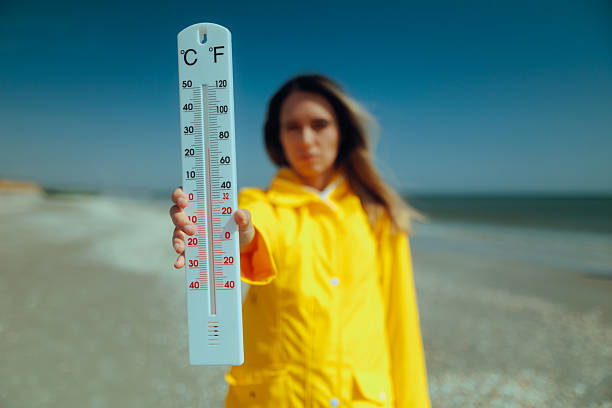
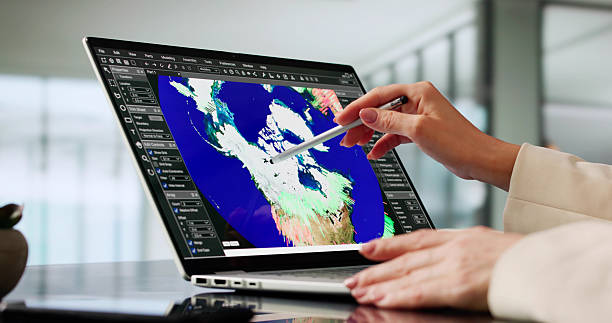
Climatologists collect and analyze data related to temperature, precipitation, wind patterns, and greenhouse gas concentrations to understand how the climate behaves over months, years, or centuries. They use satellite data, weather station records, and climate models to study phenomena such as global warming, El Niño, and ice age cycles. Their research supports efforts in disaster preparedness, agriculture planning, water resource management, and environmental conservation. Climatologists often collaborate with meteorologists, oceanographers, environmental scientists, and policymakers to provide insights that shape climate action plans and sustainable development strategies.
| Alternate Route | Steps |
|---|---|
| Route 1: Bachelor’s in Atmospheric Science / Environmental Science | 1. Complete a Bachelor’s degree in Atmospheric Science, Environmental Science, Geography, or related fields. |
| 2. Pursue Master’s and/or PhD specializing in climatology or climate science. | |
| 3. Gain internships or research experience in meteorological or environmental agencies. | |
| 4. Seek employment in research, government, or consultancy roles. | |
| Route 2: Physics / Earth Sciences + Climate Specialization | 1. Obtain a degree in Physics, Geology, or Earth Sciences. |
| 2. Specialize in climate-related studies through electives or graduate programs. | |
| 3. Gain practical experience with climate data and modeling. | |
| 4. Advance via research or professional roles in climate science. | |
| Route 3: Meteorology + Climate Science | 1. Earn a degree in Meteorology or Atmospheric Sciences. |
| 2. Focus on climate dynamics and long-term weather patterns. | |
| 3. Participate in internships with weather services or climate research centers. | |
| 4. Pursue higher education or professional certifications. | |
| Route 4: Interdisciplinary Science + Data Science Skills | 1. Complete degrees in environmental science, geography, or related disciplines. |
| 2. Develop skills in data analysis, GIS, and programming. | |
| 3. Engage in climate research projects and internships. | |
| 4. Pursue advanced degrees or certifications in climate science. |
| Institute | Course / Program | Official Link |
|---|---|---|
| Indian Institute of Tropical Meteorology (IITM), Pune | Climate Science and Meteorology | https://www.tropmet.res.in/ |
| Indian Institute of Science (IISc), Bangalore | Atmospheric and Climate Science | https://iisc.ac.in/ |
| Jawaharlal Nehru University (JNU) | Environmental Sciences with Climate Focus | https://www.jnu.ac.in/ |
| Indian Institute of Technology (IIT) Delhi | Earth Sciences and Climate Studies | https://www.iitd.ac.in/ |
| National Institute of Oceanography (NIO), Goa | Climate and Oceanography | https://www.nio.org/ |
| University of Delhi | Geography and Environmental Studies | https://www.du.ac.in/ |
| Banaras Hindu University (BHU) | Atmospheric Science | https://www.bhu.ac.in/ |
| University of Hyderabad | Environmental Science | https://www.uohyd.ac.in/ |
| Tata Institute of Fundamental Research (TIFR) | Earth and Atmospheric Sciences | https://www.tifr.res.in/ |
| Anna University, Chennai | Environmental Engineering and Climate Studies | https://www.annauniv.edu/ |
| Institution | Course | Country | Official Link |
|---|---|---|---|
| Massachusetts Institute of Technology (MIT) | Climate Science | USA | https://mit.edu/ |
| University of Cambridge | Atmospheric and Climate Science | UK | https://cam.ac.uk/ |
| Stanford University | Earth System Science | USA | https://stanford.edu/ |
| ETH Zurich | Environmental and Climate Science | Switzerland | https://ethz.ch/ |
| University of California, Berkeley | Climate and Atmospheric Science | USA | https://berkeley.edu/- |
| University of Oxford | Environmental Change and Management | UK | https://www.ox.ac.uk/ |
| National University of Singapore (NUS) | Environmental Science | Singapore | https://nus.edu.sg/ |
| University of Reading | Meteorology and Climate Science | UK | https://www.reading.ac.uk/ |
| Australian National University (ANU) | Climate Science | Australia | https://www.anu.edu.au/ |
| University of Tokyo | Earth and Planetary Science | Japan | https://www.u-tokyo.ac.jp/ |
India:
International:
Research Assistant / Junior Scientist → Graduate Student (MSc/PhD) → Climatologist → Senior Researcher / Climate Analyst → Project Manager / Policy Advisor → Lead Scientist / Consultant → Director of Climate Research / Environmental Agency Head
| India | International |
|---|---|
| Indian Meteorological Department (IMD) | NASA (National Aeronautics and Space Administration) |
| Indian Institute of Tropical Meteorology (IITM) | NOAA (National Oceanic and Atmospheric Administration) |
| Centre for Climate Change Research (CCCR) | IPCC (Intergovernmental Panel on Climate Change) |
| Ministry of Environment, Forest and Climate Change | UNEP (United Nations Environment Programme) |
| Tata Institute of Fundamental Research (TIFR) | ECMWF (European Centre for Medium-Range Weather Forecasts) |
| National Institute of Oceanography (NIO) | WMO (World Meteorological Organization) |
| Indian Space Research Organisation (ISRO) | Environmental Defense Fund |
| The Energy and Resources Institute (TERI) | Climate Central |
| National Remote Sensing Centre (NRSC) | Greenpeace International |
| Various Universities and Academic Institutions | Environmental consultancies and NGOs globally |
| Pros | Cons |
|---|---|
| Work at the forefront of addressing global climate challenges | Requires advanced education and technical expertise |
| Opportunity to influence environmental policy and public awareness | Data analysis and modeling can be complex and time-consuming |
| Interdisciplinary and dynamic work environment | Fieldwork may involve challenging conditions |
| Use of cutting-edge technology and scientific tools | Climate science can be politically sensitive |
| Diverse career opportunities in research, policy, education, and consultancy | Job market competition in some regions |
| Contribution to sustainable development and disaster preparedness | Long-term nature of climate trends may delay visible outcomes |
| Career Level | India (₹ per annum) | International (US$ per annum) |
|---|---|---|
| Entry-Level Research Assistant / Junior Scientist | 3,00,000 - 6,00,000 | $50,000 - $70,000 |
| Climatologist / Climate Analyst | 6,00,000 - 12,00,000 | $70,000 - $100,000 |
| Senior Researcher / Project Manager | 12,00,000 - 25,00,000 | $100,000 - $140,000 |
| Lead Scientist / Policy Advisor | 20,00,000 - 40,00,000 | $130,000 - $180,000 |
| Director / Head of Climate Research | 30,00,000 - 60,00,000+ | $160,000 - $220,000+ |
A career as a Climatologist offers the opportunity to study and address one of the most critical challenges facing humanity—climate change. By understanding the Earth’s climate system and predicting future changes, climatologists play a vital role in shaping policies and strategies that protect the environment and society. This interdisciplinary and data-driven field demands strong scientific expertise, analytical skills, and a commitment to sustainability. For those passionate about environmental science and global impact, climatology is a rewarding and future-focused profession.

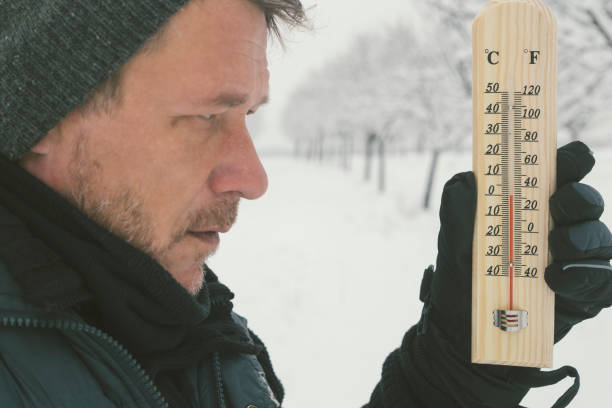
Climatologists analyze long-term climate data to understand atmospheric behavior, climate variability, and trends such as global warming. They use...
0.0LPA
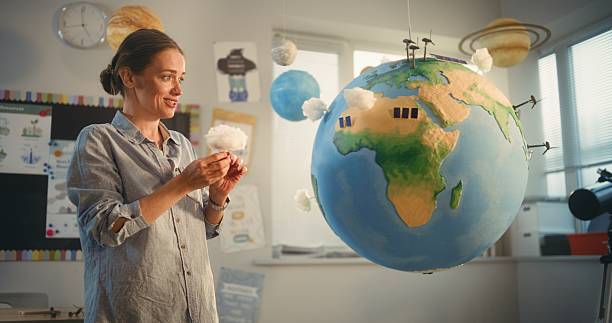
Climate Modelers specialize in designing and running sophisticated computer simulations of the Earth’s climate system. They integrate atmospheric,...
0.0LPA
Meteorologists focus on short- and medium-term weather patterns but often contribute to climatology by studying atmospheric dynamics and...
0.0LPA
Take the next step and explore more about Climatologist.
Explore similar career paths that might interest you