Construction Technology
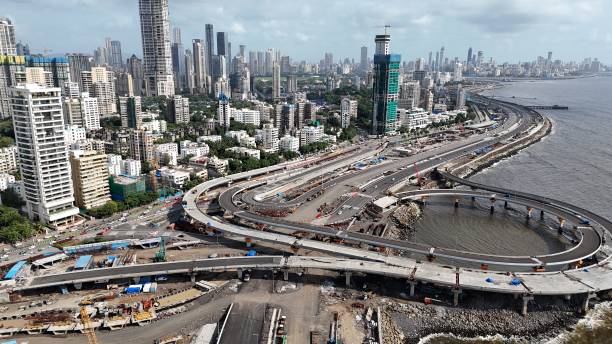
Construction Technology involves the application of scientific principles, innovative tools, and advanced techniques to design, build, and manage construction projects efficiently and sustainably. In India, construction technology plays a pivotal role in infrastructure development, urbanization, and addressing the housing needs of a burgeoning population. With roots in traditional building methods and modern advancements like smart construction and modular techniques, this field is vital for creating safe, cost-effective, and environmentally friendly structures. Professionals in Construction Technology are essential for integrating cutting-edge solutions to enhance project delivery and durability. This career contributes to advancements through trends such as Building Information Modeling (BIM), green construction, and automation in building processes.
Career Description
Professionals in Construction Technology work in diverse settings such as construction firms, engineering consultancies, government bodies, and technology-driven startups, often collaborating with architects, civil engineers, and project managers. Their roles include implementing innovative building methods, managing construction processes, ensuring quality control, and adopting sustainable practices. They face challenges like meeting tight deadlines, adhering to budget constraints, and addressing environmental and safety regulations in a rapidly urbanizing landscape. By leveraging expertise in engineering, digital tools, and material science, they create structures that meet modern demands while minimizing resource waste. As key contributors to India’s infrastructure boom, they drive progress through trends like 3D printing, prefabrication, and smart construction technologies.
Roles and Responsibilities
- Construction Process Innovation
- Implement advanced technologies like BIM and prefabrication to streamline construction workflows.
- Research and adopt innovative materials and methods to enhance building efficiency.
- Project Management and Execution
- Oversee construction projects to ensure timely completion using tech-driven planning tools.
- Coordinate with contractors, engineers, and suppliers to integrate technology on-site.
- Quality Control and Safety Compliance
- Ensure construction projects meet quality standards and adhere to safety regulations.
- Use technology to monitor structural integrity and mitigate risks during building phases.
- Client and Stakeholder Communication
- Engage with clients to explain technological benefits and align projects with their expectations.
- Present tech-based solutions and progress updates to secure approvals and funding.
- Sustainable Construction Practices
- Integrate eco-friendly materials and energy-efficient systems into construction processes.
- Focus on reducing waste and carbon footprint through green technologies like solar integration.
- Digital Tool Implementation
- Utilize software like BIM and project management tools for accurate design and execution.
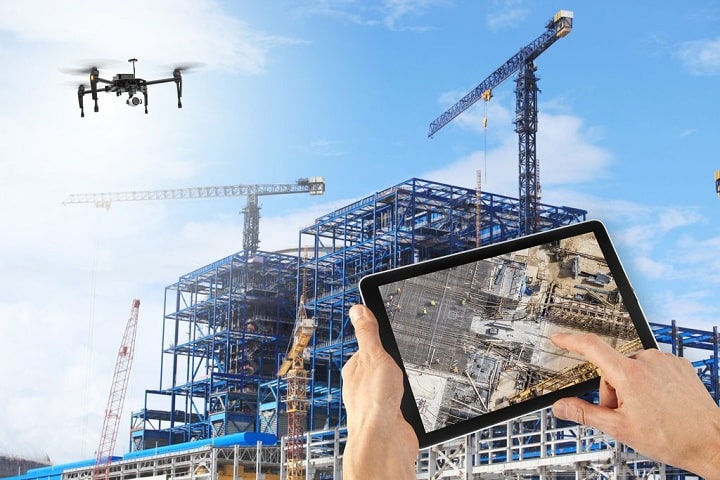
- Adopt drones and IoT devices for real-time site monitoring and data collection.
- Infrastructure and Urban Development
- Contribute to large-scale infrastructure projects by applying smart construction methods.
- Plan and execute projects that support urban growth while addressing resource constraints.
- Research and Development in Construction Tech
- Conduct research on emerging technologies like 3D printing and robotics for construction.
- Collaborate with tech firms to develop and test innovative building solutions.
Study Route & Eligibility Criteria
| Route | Steps |
| Route 1: Bachelor’s in Construction Technology/Engineering - Direct Entry | 1. Complete 10+2 with Physics, Chemistry, and Mathematics (PCM) with minimum 50% marks 2. Clear entrance exams like JEE Main or state-level engineering tests 3. Pursue B.Tech in Construction Technology or Civil Engineering with specialization (4 years) 4. Join construction firms or tech consultancies after internships |
| Route 2: Diploma to Degree Pathway | 1. Complete 10th standard and enroll in a 3-year Diploma in Construction Technology or Civil Engineering 2. Gain lateral entry into 2nd year of B.Tech program through entrance exams (if eligible) 3. Complete B.Tech degree and join industry roles 4. Pursue advanced certifications for growth |
| Route 3: Master’s Specialization (M.Tech) | 1. Complete B.Tech in Construction Technology, Civil Engineering, or related field 2. Pursue M.Tech in Construction Technology or Management via GATE or institute exams 3. Gain advanced skills through postgraduate internships or research 4. Join senior roles in firms, academia, or consultancy |
| Route 4: International Education Path | 1. Complete 10+2 with PCM and clear JEE Main or equivalent exams 2. Pursue construction technology or engineering degree from international universities (e.g., USA, UK) 3. Gain global exposure through internships abroad 4. Return to India or work internationally with multinational firms |
| Route 5: Short-Term Courses and Practical Entry | 1. Complete 10+2 or basic education with technical inclination 2. Enroll in short-term certificate courses (6 months-1 year) in Construction Technology or BIM 3. Work as apprentices or technicians in construction firms for hands-on learning 4. Build experience and network to establish roles in industry or tech-focused firms |
Significant Observations (Academic Related Points)
- Eligibility Criteria: 10+2 with PCM is mandatory for B.Tech programs; minimum 50% marks and entrance exam qualification (JEE Main) are required for most programs.
- Competitive Examinations: JEE Main is essential for undergraduate entry; GATE is needed for M.Tech in premier institutes.
- Practical Skills: Hands-on experience through internships and site work often outweighs theoretical knowledge in professional success.
- Physical Standards: Not typically required, though site work may demand physical endurance for long hours.
- Technical Knowledge: Proficiency in construction software and understanding of material science are critical for modern roles.
- Continuous Training: Lifelong learning through workshops on sustainable construction or digital tools is essential for career growth.
- Field Readiness: Practical exposure to construction sites and technology integration builds real-world competence.
- Strategic Awareness: Knowledge of smart city initiatives and infrastructure policies aids in large-scale projects.
- Creative and Analytical Balance: Combining innovative solutions with technical precision is key to effective construction.
- Ethical Commitment: Adherence to safety standards and environmental responsibility drives professional credibility.
- Teamwork Ability: Collaboration with engineers, architects, and contractors is crucial for project completion.
Internships & Practical Exposure
- Exposure through internships at construction firms for hands-on technology implementation.
- Training camps or workshops on sustainable building practices with organizations like IGBC.
- Participation in infrastructure projects for practical skills in modern construction methods.
- Observerships at construction sites to understand material usage and tech-driven challenges.
- Involvement in smart city initiatives with government bodies for public project exposure.
- Exposure to digital tools like BIM during internships with tech-focused construction firms.
- Workshops on green construction and automation for modern expertise.
- Volunteer roles in disaster-resilient construction projects to build community impact profiles.
- Collaborative projects with real estate developers for commercial construction insights.
Courses & Specializations to Enter the Field
- Bachelor of Technology (B.Tech) in Construction Technology or Civil Engineering for foundational training.
- Master of Technology (M.Tech) in Construction Technology, Construction Management, or Structural Engineering.
- Diploma in Construction Technology or Civil Engineering for entry-level technical roles or as a stepping stone to B.Tech.
- B.Tech in Civil Engineering with electives in Construction Technology for a related technical base.
- Specialization in Building Information Modeling (BIM), Green Construction, or Smart Infrastructure.
- Short-term courses on Construction Management Software and 3D Printing in Construction.
- Training in Green Building Certifications (e.g., LEED, GRIHA) for sustainability focus.
- Certifications in Project Management (PMP) and Automation in Construction for project oversight.
Top Institutes for Construction Technology Training (India)
| Institute | Course/Program | Official Link |
| Indian Institute of Technology (IIT), Madras | B.Tech/M.Tech in Civil Engineering (Construction Tech) | https://www.iitm.ac.in/ |
| Indian Institute of Technology (IIT), Delhi | B.Tech/M.Tech in Construction Technology | https://home.iitd.ac.in/ |
| National Institute of Technology (NIT), Trichy | B.Tech/M.Tech in Civil Engineering (Construction Focus) | https://www.nitt.edu/ |
| Indian Institute of Technology (IIT), Kharagpur | B.Tech/M.Tech in Construction Engineering | https://www.iitkgp.ac.in/ |
| Indian Institute of Technology (IIT), Roorkee | B.Tech/M.Tech in Civil Engineering (Construction Tech) | https://www.iitr.ac.in/ |
| Birla Institute of Technology and Science (BITS), Pilani | B.E./M.E. in Civil Engineering (Construction Focus) | https://www.bits-pilani.ac.in/ |
| Anna University, College of Engineering, Chennai | B.E./M.E. in Construction Technology | https://www.annauniv.edu/ |
| Malaviya National Institute of Technology (MNIT), Jaipur | B.Tech/M.Tech in Construction Management | https://www.mnit.ac.in/ |
| Vellore Institute of Technology (VIT), Vellore | B.Tech/M.Tech in Civil Engineering (Construction Tech) | https://vit.ac.in/ |
| National Institute of Construction Management and Research (NICMAR), Pune | PGP in Construction Management | https://www.nicmar.ac.in/ |
Top International Institutes for Construction Technology Studies
| Institution | Course | Country | Official Link |
| Massachusetts Institute of Technology (MIT), Cambridge | M.Sc. in Civil Engineering (Construction Tech) | USA | https://www.mit.edu/ |
| Stanford University, Stanford | M.Sc. in Construction Engineering & Management | USA | https://www.stanford.edu/ |
| University of Cambridge, Cambridge | M.Phil in Construction Engineering | UK | https://www.cam.ac.uk/ |
| Delft University of Technology, Delft | M.Sc. in Construction Management & Engineering | Netherlands | https://www.tudelft.nl/ |
| ETH Zurich, Zurich | M.Sc. in Civil Engineering (Construction Focus) | Switzerland | https://ethz.ch/ |
| University of Melbourne, Melbourne | Master of Construction Management | Australia | https://www.unimelb.edu.au/ |
| National University of Singapore (NUS), Singapore | M.Sc. in Construction Technology | Singapore | https://www.nus.edu.sg/ |
| University of Tokyo, Tokyo | M.Sc. in Civil Engineering (Construction Tech) | Japan | https://www.u-tokyo.ac.jp/ |
| Politecnico di Milano, Milan | M.Sc. in Building & Construction Engineering | Italy | https://www.polimi.it/ |
| KTH Royal Institute of Technology, Stockholm | M.Sc. in Civil & Architectural Engineering (Construction) | Sweden | https://www.kth.se/ |
Entrance Tests Required
India:
- JEE Main: Mandatory for B.Tech admissions in most Indian colleges, assessing engineering aptitude.
- JEE Advanced: Required for entry into IITs for construction technology or civil engineering programs.
- GATE (Graduate Aptitude Test in Engineering): Required for M.Tech admissions in premier institutes like IITs and NITs.
- Institute-Specific Tests: Some institutes like NICMAR conduct their own entrance exams for specialized programs.
International (for Relevant Studies or Exposure):
- IELTS (International English Language Testing System): Minimum score of 6.5-7.0 for non-native speakers applying to programs in the UK, Canada, etc.
- TOEFL (Test of English as a Foreign Language): Minimum score of 90-100 for programs in English-speaking countries like the USA.
- GRE (Graduate Record Examination): Often required for postgraduate construction technology programs in countries like the USA or Canada.
- Portfolio Submission: Some international programs may require a portfolio or project work showcasing technical skills.
Ideal Progressing Career Path (Construction Technology - Private Sector Example)
Junior Construction Technologist → Construction Technology Engineer → Senior Construction Technologist → Construction Technology Manager → Technical Director → Firm Owner/Partner
Major Areas of Employment
- Construction Firms for technology implementation and project management roles.
- Real Estate and Infrastructure Companies for residential and commercial projects.
- Government Bodies like CPWD and NHAI for public infrastructure and smart city projects.
- Engineering Consultancies for tech-driven design and construction solutions.
- Technology Startups focusing on construction innovation like 3D printing or BIM.
- Academic Institutions for teaching and research in construction technology.
- Freelance Consultancy for independent tech advisory and project work.
Prominent Employers/Associated Organizations
| India (Government Bodies/Firms) | International Collaborations |
| Central Public Works Department (CPWD), New Delhi | International Construction Technology Association (ICTA), Global |
| National Highways Authority of India (NHAI), New Delhi | Autodesk (BIM Software Collaboration), USA |
| National Building Construction Corporation (NBCC), New Delhi | Trimble (Construction Tech Solutions), USA |
| Larsen & Toubro (L&T) Construction, Mumbai | Skanska (Sustainable Construction), Sweden |
| Shapoorji Pallonji Group, Mumbai | Turner Construction Company, USA (Global Projects) |
| Godrej Construction, Mumbai | Bechtel Corporation, USA (Infrastructure Projects) |
| DLF Limited, Gurugram | Vinci Construction, France (Innovative Tech Projects) |
Pros and Cons of the Profession
| Pros | Cons |
| High impact through innovative building solutions | Long working hours, especially during project deadlines |
| Opportunity to shape infrastructure and smart cities | High competition in adopting and mastering new tech |
| Diverse specializations from BIM to green construction | Budget constraints often limit tech implementation |
| Growing demand due to urbanization and infrastructure needs | Stress from meeting safety and regulatory requirements |
| Potential for international exposure in tech-driven projects | Physically demanding site visits in challenging conditions |
Industry Trends and Future Outlook
- Building Information Modelling (BIM): Rising adoption of BIM for collaborative design and project management in India.
- Smart Construction: Integration of IoT, drones, and AI for real-time monitoring and efficiency in projects.
- Sustainable Building Practices: Focus on green materials and certifications like LEED and GRIHA for eco-friendly construction.
- Modular and Prefabricated Construction: Use of off-site building components for faster and cost-effective projects.
- 3D Printing in Construction: Emerging use of 3D printing for rapid prototyping and building structures.
- Automation and Robotics: Growing trend of robotic systems for repetitive construction tasks to reduce labor costs.
- Urban Infrastructure Growth: High demand for tech-driven solutions in India’s Smart Cities Mission and housing schemes.
- Digital Twin Technology: Use of digital replicas for simulation and predictive maintenance of construction projects.
- Freelance and Remote Consulting: Increasing opportunities for independent tech consultants via digital platforms.
Salary Expectations
| Career Level (Private Sector Example) | India (₹ per annum) | International (USD per annum, Tentative) |
| Junior Construction Technologist (Entry) | 3,00,000 - 5,00,000 | $30,000 - $45,000 |
| Construction Technology Engineer (Early-Mid) | 5,00,000 - 8,00,000 | $45,000 - $65,000 |
| Senior Construction Technologist (Mid-Level) | 8,00,000 - 12,00,000 | $65,000 - $90,000 |
| Construction Technology Manager (Senior) | 12,00,000 - 18,00,000 | $90,000 - $130,000 |
| Technical Director and Above | 18,00,000 - 30,00,000+ | $130,000 - $200,000+ |
| Note: Salaries are indicative and vary based on location (metro vs. non-metro for India; country/region for international roles), firm size, and project scale. |
Key Software Tools
- AutoCAD for 2D and 3D drafting of construction plans.
- Revit for Building Information Modelling (BIM) and collaborative design.
- Primavera P6 for project scheduling and construction management.
- Navisworks for project review and clash detection in BIM workflows.
- SketchUp for quick 3D modelling and conceptual visualization.
- STAAD.Pro for structural analysis and design in construction projects.
- Procore for cloud-based construction project management and collaboration.
Professional Organizations and Networks
- Construction Industry Development Council (CIDC), India.
- Indian Green Building Council (IGBC), India.
- International Construction Technology Association (ICTA), Global.
- American Society of Civil Engineers (ASCE), USA.
- Institution of Civil Engineers (ICE), UK.
- Builders Association of India (BAI), India.
- National Association of Home Builders (NAHB), USA.
Notable Leaders in Construction Technology
- Elon Musk (USA, 1971-): Innovator behind The Boring Company, revolutionizing underground construction with tunnelling tech. His vision transforms infrastructure. His impact speeds urban solutions.
- N.R. Narayana Murthy (India, 1946-): Co-founder of Infosys, whose campus projects showcase sustainable construction tech. His leadership inspires efficiency. His impact scales corporate building.
- Pallonji Mistry (India, 1929-2022): Chairman of Shapoorji Pallonji Group, known for tech-driven iconic projects like The Imperial Towers. His vision built landmarks. His impact modernized skylines.
- Anil Kumar Gupta (India, 1950s-): Former CMD of NBCC, driving tech adoption in public infrastructure projects in India. His policies advanced growth. His impact structured development.
- Kiran Mazumdar-Shaw (India, 1953-): Biocon founder whose facilities integrate sustainable construction technologies. Her ethos saved resources. Her impact greened industrial spaces.
- Benny Kuriakose (India, 1960s-): Known for sustainable and tech-savvy vernacular construction in South India. His methods respect tradition. His impact sustains eco-building.
- Greg Lynn (USA, 1964-): Pioneer in digital construction tech, using computational design for innovative buildings. His creativity pushed boundaries. His impact digitized construction.
- BjarkeIngels (Denmark, 1974-): Founder of BIG, integrating tech in sustainable projects like CopenHill with waste-to-energy systems. His vision merged practicality. His impact redefined modernity.
- Neri Oxman (Israel/USA, 1976-): Innovator in material ecology, combining biology and construction tech at MIT Media Lab. Her research fuses nature. Her impact pioneers biomaterials.
- Wolf D. Prix (Austria, 1942-): Co-founder of Coop Himmelb(l)au, known for tech-driven deconstructivist buildings like BMW Welt. His designs broke norms. His impact shaped futuristic construction.
Advice for Aspiring Construction Technology Professionals
- Build a strong foundation in mathematics and physics for engineering entrance exams like JEE.
- Pursue internships early to gain practical exposure to construction sites and technology use.
- Create a diverse portfolio showcasing tech-driven projects and innovative solutions for job applications.
- Stay updated on sustainable construction trends and certifications like LEED or GRIHA.
- Develop proficiency in software like BIM, AutoCAD, and Primavera for a competitive edge.
- Join reputed institutes like IITs or NICMAR for quality education and industry connections.
- Work on resilience to handle long hours and tight project deadlines in the field.
- Explore freelance or small-scale tech consulting to build experience if large firm roles are delayed.
- Network with engineers and attend construction tech expos to stay inspired and informed.
- Cultivate adaptability to work across diverse projects, from rural infrastructure to urban towers.
- Focus on societal impact by integrating sustainable and efficient technologies for communities.
A career in Construction Technology offers a unique opportunity to shape the built environment by mastering innovative tools and methods, fostering progress through tech-driven solutions, and empowering communities with every structure created. Professionals in this field are the visionaries of India’s infrastructure and urban landscapes, using their expertise and passion to ensure efficient, safe, and sustainable construction across diverse regions. This profession blends technical precision with forward-thinking innovation, providing pathways in smart construction, sustainability, automation, and project management. For those passionate about transforming building practices, driven by a desire to create through technology, and eager to embrace the evolving landscape of construction advancements, a career in Construction Technology is a deeply rewarding journey. It empowers individuals to address critical infrastructure needs, enhance building efficiency, and advance societal progress through the transformative power of modern construction solutions.
Leading Professions
View AllJunior Construction Technologist (Entry Level):
Entry-level professionals who assist in implementing tech solutions, drafting plans, and supporting senior engineers. They execute basic tasks. They build skills by learning software. Their role supports projects by aiding execution.
Construction Technology Engineer (Early-Mid Level):
Early-to-mid-level engineers who manage specific tech-driven projects, coordinate with teams, and oversee implementations. They supervise execution. Their work ensures quality by guiding innovation. Their contribution aids completion.
Senior Construction Technologist (Mid-Level):
Mid-level professionals who lead tech integration, handle complex projects, and mentor juniors. They balance innovation with management. Their expertise drives efficiency by solving challenges. Their impact enhances project delivery.
Construction Technology Manager (Senior Level):
Senior professionals who oversee multiple projects, ensure tech adoption, and manage client relations in firms. They handle high-level planning. Their leadership shapes outcomes by setting standards. Their role boosts reputation.
Technical Director (Top Tier):
Top-tier leaders who define tech strategies for firms, secure major contracts, and innovate construction methods. They lead business growth. Their vision transforms projects by winning efficiency. Their impact elevates industry standards.
BIM Specialist (Specialized Role):
Mid-level specialists who focus on Building Information Modeling for project accuracy and collaboration. They solve design issues. Their skills optimize workflows by enhancing precision. Their contribution improves efficiency.
Sustainable Construction Consultant (Advisory Role):
Mid-to-senior level experts who focus on green building technologies and energy efficiency. They support eco-goals. Their knowledge secures environments by reducing impact. Their impact promotes sustainability.
Construction Automation Engineer (Niche Role):
Mid-level engineers who integrate robotics and automation into construction processes. They bridge tech and building. Their expertise aids innovation by speeding processes. Their impact modernizes industry.
CAREER VIDEOS
Interested? Take the next step for this career
Skills Needed
This page includes information from O*NET Resource Center by the U.S. Department of Labor, Employment and Training Administration (USDOL/ETA). Used under the CC BY 4.0 license. O*NET® is a trademark of USDOL/ETA.
© 2025 TopTeen. All rights reserved.