3D Animator
Senior 3D Animator
Explore Career
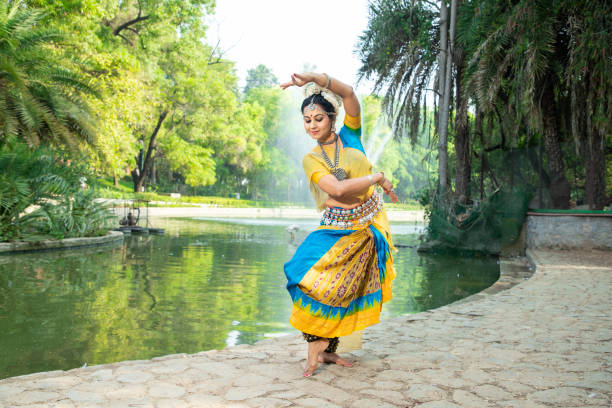
A Dancer is a performing artist who uses movement and rhythm to express emotions, tell stories, or entertain audiences through various dance forms in settings such as theatre, film, television, music videos, and live events. They operate within the entertainment and performing arts industry, collaborating with choreographers, directors, musicians, and other performers to create impactful performances. Dancers play a crucial role in cultural expression and artistic storytelling in an era where global media, diverse dance styles, and digital platforms drive the need for captivating movement.
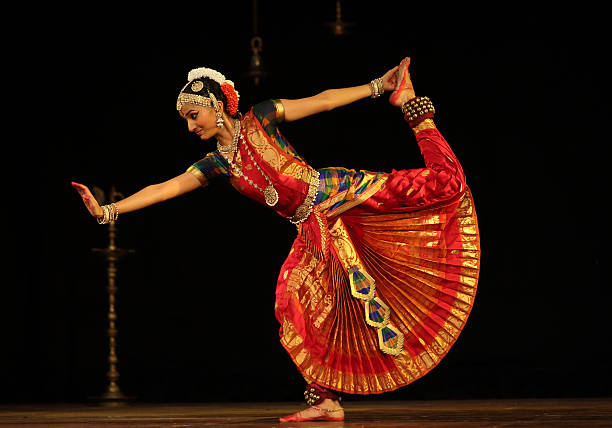
Dancers are physically skilled and artistically expressive individuals tasked with executing choreography, embodying characters or emotions through movement, and engaging audiences with their performances. Their role includes mastering various dance styles, maintaining physical fitness, and adapting to different creative visions. They combine expertise in technique, musicality, and emotional depth, working in diverse environments to bring dance pieces to life. As key contributors to the entertainment industry, Dancers drive cultural and visual impact in a landscape increasingly focused on multimedia performances, inclusivity, and innovative storytelling through movement.
| Route | Steps |
| Route 1 | 1. 10+2 in any stream (Arts stream preferred but not mandatory) |
| 2. Short-term Dance Courses or Workshops (3-6 months) | |
| 3. Start as a Trainee Dancer in local troupes or small events | |
| Route 2 | 1. 10+2 in any stream (Arts stream preferred but not mandatory) |
| 2. Diploma in Dance or Performing Arts (1-2 years) | |
| 3. Work as a Dancer in theater, events, or regional productions | |
| Route 3 | 1. 10+2 in any stream (Arts stream preferred but not mandatory) |
| 2. Bachelor’s in Performing Arts or Dance (3-4 years) | |
| 3. Pursue Roles as a Professional Dancer in films, TV, or dance companies | |
| Route 4 | 1. 10+2 in any stream (Arts stream preferred but not mandatory) |
| 2. Bachelor’s in Performing Arts or Dance (3-4 years) | |
| 3. Master’s in Dance or Fine Arts with Dance focus (2 years) | |
| 4. Serve as a Lead Dancer or Dance Instructor in major projects |
| Institute | Course/Program | Official Link |
| Kalakshetra Foundation, Chennai | Diploma & Degree in Classical Dance | https://www.kalakshetra.in/ |
| Natya Institute of Kathak and Choreography, Bangalore | Diploma & Degree in Kathak & Dance | https://natya.org.in/ |
| Shiamak Davar Institute of Performing Arts, Mumbai | Certificate & Diploma in Dance | https://shiamak.com/ |
| Terence Lewis Professional Training Institute, Mumbai | Diploma in Dance | https://www.terencelewis.com/ |
| National School of Drama (NSD), New Delhi | Diploma in Dramatic Arts (Movement focus) | https://nsd.gov.in/ |
| Banaras Hindu University (BHU), Varanasi | B.A. & M.A. in Dance | https://www.bhu.ac.in/ |
| Amity University, Noida | B.A. in Performing Arts (Dance focus) | https://www.amity.edu/ |
| Lovely Professional University (LPU), Punjab | B.A. in Performing Arts (Dance) | https://www.lpu.in/ |
| Rabindra Bharati University, Kolkata | B.A. & M.A. in Dance | https://rbu.ac.in/ |
| Annapurna College of Film and Media, Hyderabad | Diploma in Dance | https://www.annapurnacollege.edu.in/ |
| Institution | Course | Country | Official Link |
| Juilliard School, Dance Division, New York | BFA in Dance | USA | https://www.juilliard.edu/dance |
| Royal Ballet School, London | Professional Dance Training | UK | https://www.royalballetschool.org.uk/ |
| Alvin Ailey American Dance Theater School, New York | Certificate & Professional Programs | USA | https://www.alvinailey.org/ |
| National Institute of Dramatic Art (NIDA), Sydney | BFA in Dance & Movement | Australia | https://www.nida.edu.au/ |
| Tisch School of the Arts, NYU, New York | BFA & MFA in Dance | USA | https://tisch.nyu.edu/ |
| London Contemporary Dance School, London | BA & MA in Contemporary Dance | UK | https://www.lcds.ac.uk/ |
| Codarts Rotterdam, University of the Arts, Netherlands | BA in Dance | Netherlands | https://www.codarts.nl/en/ |
| University of Southern California (USC), Glorya Kaufman School of Dance | BFA in Dance | USA | https://kaufman.usc.edu/ |
| Paris Opera Ballet School, Paris | Professional Dance Training | France | https://www.operadeparis.fr/en/school |
| Jacob’s Pillow Dance, Becket, Massachusetts | Professional Dance Workshops | USA | https://www.jacobspillow.org/ |
India:
International:
Aspiring Dancer → Trainee Dancer → Professional Dancer → Lead Dancer → Solo Performer → Dance Captain → Choreographer → Dance Educator → Dance Company Member → Dance Therapist
| India | International |
| Shiamak Davar International | Alvin Ailey American Dance Theater, USA |
| Terence Lewis Dance Company | New York City Ballet, USA |
| Kalakshetra Foundation | Royal Ballet, UK |
| Natya Ballet Centre | American Ballet Theatre, USA |
| Zee Entertainment Enterprises | Disney, USA |
| Star India | Cirque du Soleil, Canada |
| Sony Pictures Networks India | MTV, USA |
| Yash Raj Films | Live Nation Entertainment, USA |
| Dharma Productions | Universal Studios, USA |
| Red Chillies Entertainment | Netflix, Global |
| Pros | Cons |
| Opportunity to work in creative, high-visibility environments influencing culture | Physically demanding role with high risk of injury or burnout from intense training |
| Potential for recognition through impactful performances in popular media | Short career span due to physical limitations and age-related challenges |
| Rewarding impact through storytelling and emotional connection via movement | Unstable income, especially in early career stages with irregular projects |
| Diverse career paths across film, TV, theater, and digital media | High competition with pressure to maintain technique and stand out in auditions |
| Strong potential for influence with the rise of dance-focused shows and global content | Dependency on networking and reputation for securing consistent performance opportunities |
| Career Level | India (₹ per annum) | International (USD per annum) |
| Aspiring/Trainee Dancer (Early Career) | 1,00,000 - 3,00,000 | 15,000 - 30,000 |
| Professional Dancer (Mid-Career) | 3,00,000 - 8,00,000 | 30,000 - 60,000 |
| Lead Dancer (Established) | 8,00,000 - 20,00,000 | 60,000 - 100,000 |
| Solo Performer/Dance Captain | 20,00,000 - 40,00,000 | 100,000 - 150,000 |
| Dance Icon/Educator/Therapist | 40,00,000+ | 150,000+ |
Note: Salaries vary widely based on location, experience, project type, and reputation. International figures are approximate and depend on the market and production budget. High-profile projects or celebrity collaborations often yield significantly higher earnings based on visibility and demand.
A career as a Dancer offers a unique opportunity to contribute to culture, storytelling, and audience engagement by navigating artistic landscapes for diverse performance needs. From captivating viewers in films to inspiring through theater and driving digital dance content innovation, Dancers play a pivotal role in entertainment ecosystems. This field combines physical talent, emotional depth, and a commitment to solving intricate movement challenges, offering diverse paths in film, television, theater, and beyond. For those passionate about dance, adapting to dynamic media trends, and addressing audience needs in an era of technological evolution, a career as a Dancer provides an intellectually stimulating and professionally rewarding journey with the potential to make significant contributions to society by advancing the art and application of movement worldwide.

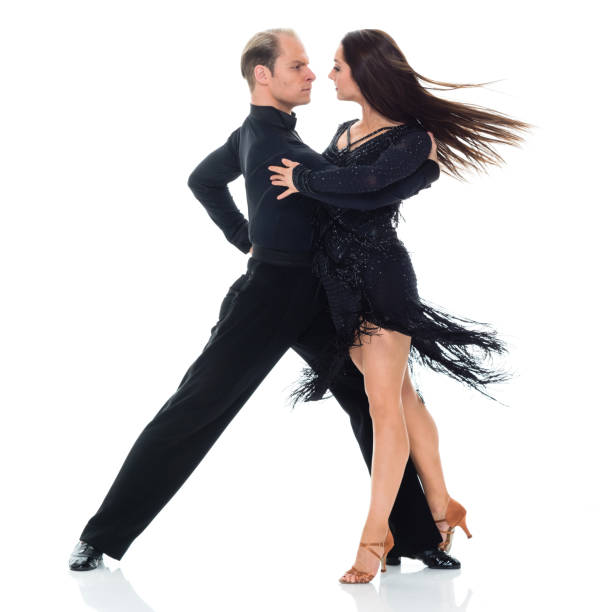
Specialists perform in theater, films, or events with notable competence. They integrate technique with expertise in styles for impactful results....
0.0LPA
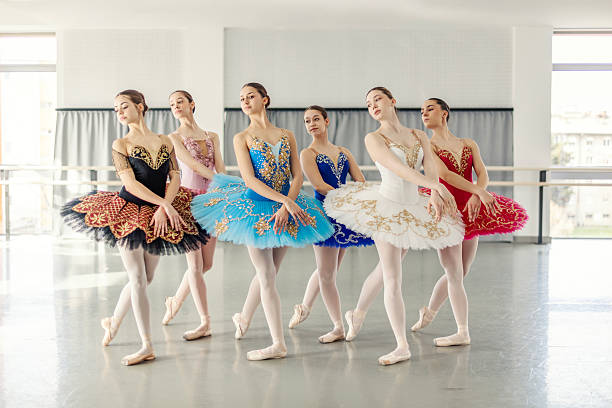
Senior professionals take starring dance roles in major productions. They provide versatility by leading sequences for creative success. Their...
0.0LPA
Leaders showcase individual talent in recitals or special events. They provide artistic oversight by aligning with personal vision. Their charisma...
0.0LPA
Take the next step and explore more about Dancer.
Explore similar career paths that might interest you