Esports Coach
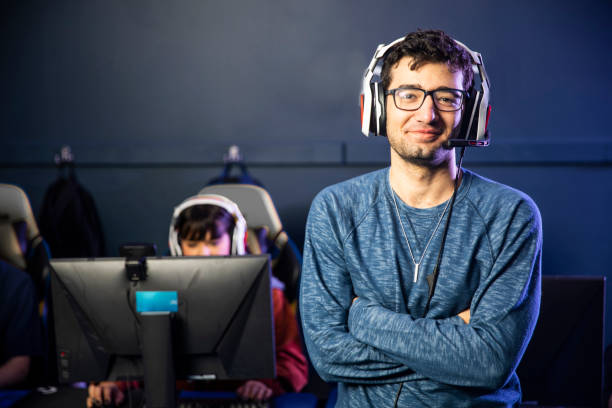
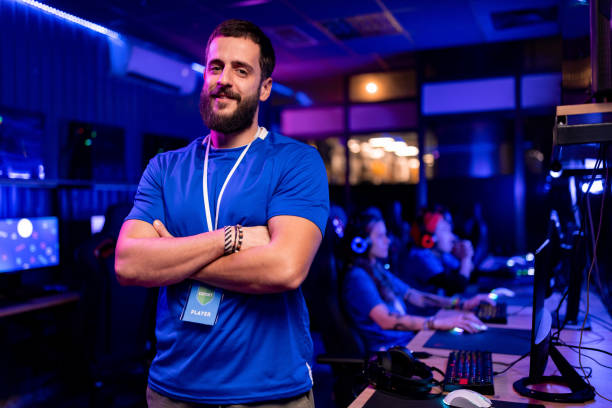
An Esports Coach is a professional who trains, mentors, and strategizes with competitive gamers or teams to enhance their performance in video game tournaments and leagues. Combining expertise in gaming, strategy development, and player psychology, they guide athletes to achieve peak results in the fast-paced world of esports. This career falls under the Entertainment and Sports Technology career cluster, emphasizing leadership, analytical skills, and the growing professionalization of competitive gaming as a global industry.
Career Description
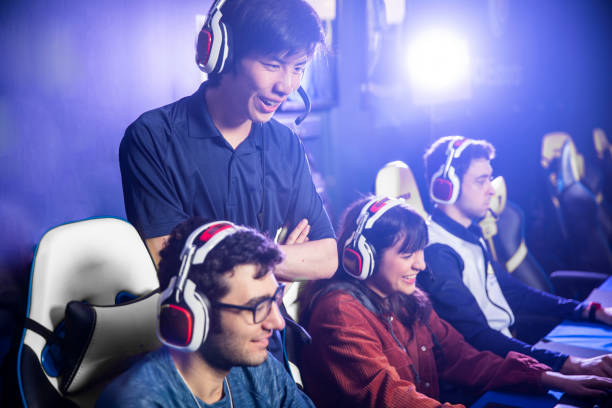
Esports Coaches play a critical role in shaping the success of professional gamers by providing tactical guidance, analyzing gameplay, and fostering team cohesion or individual growth. Their work involves creating training regimens, reviewing match footage for improvement, and preparing players for high-stakes competitions in games like League of Legends, Dota 2, or Counter-Strike. They often collaborate with team managers, analysts, and mental health professionals, working within esports organizations or as independent consultants. These coaches are essential in elevating the competitive level of esports, helping players navigate the pressures of professional gaming, and contributing to the sport’s legitimacy and structure
Roles and Responsibilities
- Player Training and Development:
- Design and implement training schedules to improve players’ mechanical skills, decision-making, and game knowledge.
- Conduct drills, scrimmages, and practice matches to simulate competitive environments and build consistency.
- Gameplay Analysis and Strategy:
- Review gameplay footage (VODs) to identify strengths, weaknesses, and areas for improvement in individual or team performance.
- Develop game-specific strategies, draft plans, and counter-tactics based on opponents’ playstyles and meta trends.
- Team Cohesion and Communication:
- Foster teamwork, resolve conflicts, and enhance communication among players to ensure effective in-game coordination.
- Build a positive team culture that supports morale and collaboration under competitive pressure.
- Mental and Emotional Support:
- Provide guidance on managing stress, burnout, and performance anxiety to maintain players’ mental well-being.
- Work with sports psychologists or counselors to address mindset challenges and build resilience.
- Tournament Preparation:
- Prepare players for specific tournaments by studying opponents, adapting strategies, and simulating high-pressure scenarios.
- Manage in-game decisions during events, such as drafting or calling plays, depending on league rules.
- Performance Feedback:
- Offer constructive feedback after matches or practices to help players refine techniques and correct mistakes.
- Use performance metrics and analytics tools to track progress and set achievable goals.
- Game and Meta Knowledge:
- Stay updated on game patches, balance changes, and evolving meta-strategies to keep training relevant and competitive.
- Educate players on emerging trends or new game mechanics to maintain an edge over rivals.
- Collaboration with Support Staff:
- Work with analysts, managers, and physical trainers to create holistic development plans for players.
- Coordinate with team organizations to align coaching goals with broader business or branding objectives.
- Scouting and Talent Development:
- Identify and recruit promising talent for teams through tryouts, online rankings, or community events.
- Mentor up-and-coming players to transition from amateur to professional levels of play.
Study Route & Eligibility Criteria
| Route | Steps |
| Route 1 (Self-Taught/Esports Experience Path) | 1. Basic education (10+2 or equivalent) with a strong background in competitive gaming 2. Gain experience as a high-level player or analyst through tournaments (2-4 years) 3. Self-study coaching techniques via online resources or mentorship (6-12 months) 4. Start coaching amateur teams or individuals to build a portfolio (1-2 years) |
| Route 2 (Sports Science and Psychology Path) | 1. Bachelor’s degree in Sports Science, Psychology, or related field (3-4 years) 2. Certificate or Short Course in Esports Coaching or Game Analysis (3-6 months) 3. Gain gaming knowledge through personal play or community involvement (1-2 years) 4. Coach local or online teams to develop practical experience (1-2 years) |
| Route 3 (Gaming and Technology Path) | 1. Bachelor’s degree in Computer Science, Game Design, or Media Studies (3-4 years) 2. Short course in Esports Management or Coaching Strategies (3-6 months) 3. Build expertise in specific games through competitive play or analysis (1-3 years) 4. Transition to coaching roles via internships or esports organizations (1-2 years) |
| Route 4 (Esports Community Path) | 1. Basic education (10+2 or equivalent) with early involvement in gaming communities 2. Gain recognition as a leader or mentor in online gaming circles (1-3 years) 3. Learn coaching through experience as a team captain or strategist (1-2 years) 4. Secure coaching roles with amateur or semi-pro teams through networking (1-2 years) |
| Route 5 (International Path) | 1. Basic education (10+2 or equivalent) with competitive gaming skills 2. Training or certification in Esports Coaching from international programs (6-12 months) 3. Gain experience by coaching in global online leagues or events (1-2 years) 4. Join international esports organizations or teams for broader exposure (1-2 years) |
Significant Observations
- Non-Conventional Education: Formal degrees are not mandatory; experience and game knowledge often take precedence over academics.
- Experience-Driven Career: Relies heavily on prior gaming success, analytical skills, or mentorship rather than structured training.
- Variable Entry Timeline: Can range from a few years of self-taught experience to structured programs (3-6 years).
- Leadership-Focused Role: Emphasizes guiding and motivating players over personal gameplay performance.
- Global Opportunities: Offers roles with international teams and exposure to diverse competitive gaming scenes.
- Interdisciplinary Approach: Combines gaming expertise with elements of sports psychology, strategy, and team management.
- High Responsibility: Involves accountability for team or player success, requiring adaptability to different personalities and playstyles.
- Emerging Profession: Gaining recognition as esports professionalizes, with increasing demand for skilled coaches.
- Player Impact: Directly influences competitive outcomes and career growth for aspiring esports athletes.
- Continuous Learning: Requires staying updated on game changes, coaching methods, and industry trends to remain effective.
Internships & Practical Exposure
- Coaching amateur or local esports teams to gain hands-on experience in training and strategy.
- Assisting established coaches or analysts in professional teams for mentorship and exposure.
- Participating in gaming community events or Discord servers to scout talent and build connections.
- Analyzing gameplay footage for online teams or players to develop strategic insights.
- Attending esports tournaments or boot camps as an observer or assistant coach for real-world learning.
- Volunteering with esports organizations to understand team dynamics and operational needs.
- Creating coaching content, such as strategy guides or tutorials, to build a reputation in the community.
- Engaging in online coaching sessions or workshops to refine communication and feedback skills.
- Working with esports academies to train young players and gain structured coaching experience.
- Networking at gaming conventions like DreamHack or ESL events to connect with teams and managers.
Courses & Specializations to Enter the Field
- Certificate in Esports Coaching and Strategy
- Short Course in Sports Psychology for Competitive Gaming
- Training in Game Analysis and Meta Development
- Online Courses in Team Management for Esports
- Certification in Esports Management and Player Development
- Workshop in Performance Coaching for Gamers
- Course in Tactical Planning for Competitive Games
- Training in Mental Health Support for Esports Athletes
- Certificate in Data Analytics for Esports Performance
- Continuing Education in Emerging Esports Titles and Trends
Top Institutes for Esports Coach Education (India)
| Institute | Course/Program | Official Link |
| National Institute of Esports and Gaming (NIEG), Mumbai | Esports Coaching and Management | Under development (Check local updates) |
| Lovely Professional University (LPU), Punjab | Esports and Sports Management | https://www.lpu.in/ |
| Amity University, Noida | Esports and Game Studies | https://www.amity.edu/ |
| SGT University, Gurugram | Esports Coaching and Management | https://sgtuniversity.ac.in/ |
| Symbiosis Institute of Media and Communication, Pune | Digital Media and Esports | https://www.simc.edu/ |
| Manipal Academy of Higher Education | Sports Science and Digital Media | https://manipal.edu/ |
| Pearl Academy, Delhi | Game Design and Esports Management | https://pearlacademy.com/ |
| Arena Animation, Multiple Locations | Gaming and Digital Content | https://www.arena-multimedia.com/ |
| Vellore Institute of Technology (VIT) | Gaming Technology and Management | https://vit.ac.in/ |
| IGNOU (Indira Gandhi National Open University) | Certificate in Sports and Digital Media | http://www.ignou.ac.in/ |
Top International Institutes
| Institution | Course | Country | Official Link |
| University of California, Irvine | Esports Management and Coaching | USA | https://www.uci.edu/ |
| Staffordshire University | Esports Coaching and Management | UK | https://www.staffs.ac.uk/ |
| University of Roehampton | Esports and Sports Management | UK | https://www.roehampton.ac.uk/ |
| New York University (NYU) | Game Design and Esports Studies | USA | https://www.nyu.edu/ |
| University of Toronto | Sports Management and Digital Media | Canada | https://www.utoronto.ca/ |
| Queensland University of Technology (QUT) | Esports and Interactive Media | Australia | https://www.qut.edu.au/ |
| Aalto University | Game Studies and Esports | Finland | https://www.aalto.fi/en |
| University of Southern California (USC) | Interactive Media and Esports | USA | https://www.usc.edu/ |
| Nanyang Technological University (NTU) | Digital Entertainment and Esports | Singapore | https://www.ntu.edu.sg/ |
| Becker College (now part of Clark University) | Esports Management and Coaching | USA | https://www.clarku.edu/ |
Entrance Tests Required
India:
- No specific entrance tests are typically required for esports coaching programs; admission is often merit-based or experience-based (gaming portfolio or prior roles).
- Institute-specific entrance exams or interviews for degree programs in sports management or digital media (if applicable).
- No formal tests for self-taught coaching careers; success depends on reputation and results with teams or players.
International:
- Graduate Record Examination (GRE) for Master’s programs in related fields like sports management or game studies (if applicable).
- International English Language Testing System (IELTS) with a minimum score of 6.0-6.5.
- Test of English as a Foreign Language (TOEFL) with a minimum score of 80-90 for US/UK programs.
- Specific university entrance assessments or coaching portfolios for esports or management-related programs.
- SAT or ACT for undergraduate admissions in the USA (if pursuing related degrees).
Ideal Progressing Career Path
Esports Coach → Senior Esports Coach → Head Coach of Esports Team → Esports Program Director → Esports Franchise Strategist
Major Areas of Employment
- Esports organizations for coaching competitive teams in tournaments and leagues.
- Esports academies for training and mentoring aspiring professional gamers.
- Gaming companies for providing feedback on game balance or competitive design.
- Event organizers for coaching teams during specific tournaments or boot camps.
- Independent consulting for freelance coaching of individual players or small teams.
- Media and entertainment firms for commentary or analysis roles during esports events.
- Educational institutions for developing esports programs or coaching student teams.
- Sports management agencies for representing and coaching esports talent.
- Technology startups for advising on esports training tools or analytics software.
- International esports leagues for coaching or strategic roles in global competitions.Prominent Employers
| India | International |
| Global Esports | Team Liquid, USA |
| Velocity Gaming | Cloud9, USA |
| GodLike Esports | Fnatic, UK |
| Team Soul | G2 Esports, Spain |
| Orangutan Gaming | T1, South Korea |
| S8UL Esports | Evil Geniuses, USA |
| 7Sea Esports | 100 Thieves, USA |
| Enigma Gaming | FaZe Clan, USA |
| Revenant Esports | OG, Denmark |
| Team Vitality India | Team Secret, Europe |
Pros and Cons of the Profession
| Pros | Cons |
| Opportunity to shape the careers of professional gamers | High pressure to deliver results in a highly competitive environment |
| Growing demand as esports becomes more professionalized | Long, irregular hours during tournament seasons or training camps |
| Potential for international recognition and travel | Limited job security, often tied to team performance or contracts |
| Ability to transition from player to coach, extending career longevity | Need to constantly adapt to new games, metas, and coaching techniques |
| Rewarding role in building team success and player growth | Emotional toll of managing player stress, conflicts, or burnout |
Industry Trends and Future Outlook
- Increasing professionalization of esports, with coaching roles becoming as critical as in traditional sports.
- Growth of mobile esports coaching, especially in regions like India, with games like PUBG Mobile and Free Fire.
- Rising integration of data analytics and AI tools for in-depth gameplay analysis and strategy development.
- Expansion of player wellness programs, with coaches collaborating with psychologists and fitness experts.
- Greater demand for specialized coaches focusing on specific games or roles within team-based titles.
- Surge in esports education, with formal coaching certifications and programs gaining traction globally.
- Development of virtual coaching platforms for remote training and international talent scouting.
- Emphasis on diversity in coaching staff to bring varied perspectives and inclusive team cultures.
- Growth of regional leagues, creating more opportunities for localized coaching talent.
- Evolution of esports into mainstream entertainment, with coaches playing key roles in media and branding.
Salary Expectations
(Figures are approximate and based on the latest available data and projections for 2026, subject to change. Indian figures reflect the emerging esports market in urban areas and organizational growth. International figures are based on US/UK/South Korean markets with adjustments for demand, team success, and league structures. Earnings can vary based on team performance, reputation, and contract terms.)
| Career Level | India (₹ per annum) | International (US$ per annum) |
| Senior Esports Coach | 8,00,000 - 20,00,000 | $40,000 - $100,000 |
| Head Coach of Esports Team | 15,00,000 - 30,00,000 | $75,000 - $150,000 |
| Esports Program Director | 20,00,000 - 40,00,000 | $100,000 - $200,000 |
| Esports Franchise Strategist | 25,00,000 - 50,00,000 | $120,000 - $250,000 |
| Global Esports Consultant | 30,00,000 - 60,00,000 | $150,000 - $300,000 |
Key Software Tools
- Game analysis tools like VOD review platforms or in-game replay systems for strategy development.
- Communication platforms like Discord or TeamSpeak for team coordination and training sessions.
- Performance tracking software like Aim Lab or custom esports analytics for player metrics.
- Video editing tools such as Adobe Premiere or DaVinci Resolve for creating coaching content or highlights.
- Streaming software like OBS Studio for broadcasting training sessions or scrims.
- Data visualization tools like Tableau for presenting performance stats to teams or management.
- Team management apps like Trello or Slack for organizing schedules, strategies, and feedback.
- Game-specific tools for drafting or planning (e.g., League of Legends draft simulators).
- Social media platforms like Twitter for networking and engaging with the esports community.
- Cloud storage solutions like Google Drive for sharing training materials or analysis with teams.
Professional Organizations and Networks
- Esports India Federation (ESFI)
- Indian Gaming League (IGL)
- Electronic Sports League (ESL) India
- World Esports Association (WESA)
- International Esports Federation (IeSF)
- Global Esports Federation (GEF)
- Esports Integrity Commission (ESIC)
- Asian Electronic Sports Federation (AESF)
- European Esports Federation (EEF)
- North American Scholastic Esports Federation (NASEF)
Notable Esports Coach Leaders (Top 10)
- Danny "zonic" Sørensen (Denmark): A legendary CS:GO coach with Astralis, Sørensen has led since the 2010s. Based in Denmark, his multiple Major wins set coaching standards. His strategies redefine success.
- Kim "kkOma" Jeong-gyun (South Korea): A League of Legends icon with T1, Jeong-gyun has coached since the 2010s. Based in Seoul, his world championship titles inspire coaches. His mentorship builds dynasties.
- Abhishek "Ghatak" Thakur (India): A PUBG Mobile coach with Team Soul, Thakur has guided players since the 2010s. Based in Mumbai, his strategies elevate Indian esports. His leadership fosters talent.
- Andre "Guilhoto" Guilhoto (Portugal): A League of Legends coach with Team Liquid, Guilhoto has shaped teams since the 2010s. Based in the USA, his tactical insight wins games. His adaptability drives results.
- Joey "YoungBuck" Steltenpool (Netherlands): A veteran League coach with G2 Esports, Steltenpool has led since the 2010s. Based in Europe, his innovative playstyles win titles. His vision shapes metas.
- Tanmay "Sc0utOP" Singh (India): A PUBG Mobile leader turned mentor with Team Soul, Singh has coached since the late 2010s. Based in Mumbai, his experience guides new talent. His influence grows teams.
- Gabriel "FalleN" Toledo (Brazil): A CS:GO coach and former player with Team Liquid, Toledo has mentored since the 2020s. Based in Brazil/USA, his leadership wins Majors. His tactics inspire players.
- Bok "Reapered" Han-gyu (South Korea): A League of Legends coach with Cloud9, Han-gyu has led since the 2010s. Based in the USA, his adaptability secures championships. His methods innovate coaching.
- Ankit "V3nom" Panth (India): A CS:GO veteran turned coach with Team Brutality, Panth has guided since the 2010s. Based in Mumbai, his insights boost Indian teams. His passion uplifts esports.
- James "Crowder" Crowder (USA): A Call of Duty coach with Atlanta FaZe, Crowder has led since the 2010s. Based in the USA, his strategic depth wins leagues. His experience shapes winners.
Advice for Aspiring Esports Coaches
- Build deep knowledge of specific games through competitive play or detailed analysis to establish credibility.
- Gain experience by coaching amateur teams or individual players to develop practical skills.
- Study sports psychology and team dynamics to effectively manage player personalities and stress.
- Create a portfolio of strategies, game analyses, or coaching results to showcase expertise to teams.
- Stay updated on game patches, meta shifts, and esports trends to keep training relevant.
- Network with esports organizations, players, and other coaches for opportunities and mentorship.
- Focus on communication skills to deliver clear, motivating feedback during high-pressure situations.
- Learn to use analytics tools for performance tracking and data-driven coaching decisions.
- Consider specializing in a specific game or role to become a sought-after expert in that niche.
- Balance strategic planning with empathy to support players’ mental and competitive growth.
A career as an Esports Coach offers a unique opportunity to shape the future of competitive gaming, blending strategic expertise, leadership, and mentorship to guide players and teams to victory in a rapidly growing global industry. These professionals are at the heart of esports’ professionalization, transforming raw talent into champions while navigating the dynamic challenges of digital competition. With opportunities spanning team coaching, program direction, and international consulting, this field is ideal for those passionate about gaming, strategy, and player development. For individuals ready to lead and inspire in the virtual arena, this career presents a fulfilling and impactful path with the potential to leave a lasting mark on the world of esports.
Leading Professions
View AllSenior
Esports Coach : An experienced coach who trains high-level players or teams, leveraging deep game knowledge and proven strategies to achieve consistent tournament success while mentoring newer coaches. They refine elite talent. Their expertise drives victories.
Head Coach of
Esports Team : Oversees all coaching aspects for a professional team, leading strategy development, player development, and in-game decision-making across multiple titles or rosters for major competitions. They lead championship pursuits. Their leadership shapes legacies.
Esports
Program Director : Manages the broader training and competitive programs for an esports organization, coordinating multiple coaches, teams, and talent pipelines to ensure long-term growth and success. They build competitive frameworks. Their vision scales organizations.
Global
Esports Consultant : Provides high-level advisory services to teams, leagues, or organizations worldwide, offering expertise in coaching methodologies, player wellness, and competitive trends to elevate global esports standards. They influence industry evolution. Their insights transform ecosystems.
CAREER VIDEOS
Interested? Take the next step for this career
Skills Needed
This page includes information from O*NET Resource Center by the U.S. Department of Labor, Employment and Training Administration (USDOL/ETA). Used under the CC BY 4.0 license. O*NET® is a trademark of USDOL/ETA.
© 2025 TopTeen. All rights reserved.