Accessory Designer
Senior Accessory Designer
Explore Career
Exhibition Designers are creative professionals who conceptualize and develop the spatial and visual aspects of exhibitions, trade shows, museums, galleries, and events. They combine artistic vision with technical knowledge to create engaging, functional, and aesthetically compelling environments that communicate a message or theme effectively. Working across museums, cultural institutions, corporate events, exhibition companies, and design studios, these designers balance creativity with practical constraints such as space, budget, and visitor flow. The profession demands exceptional spatial awareness, visual communication skills, and technical understanding—requiring designers to anticipate audience interaction while addressing logistical and safety requirements. Successful exhibition designers demonstrate creativity, technical aptitude, and collaborative abilities while navigating the complex intersection of art, architecture, storytelling, and technology in a dynamic and multidisciplinary field.
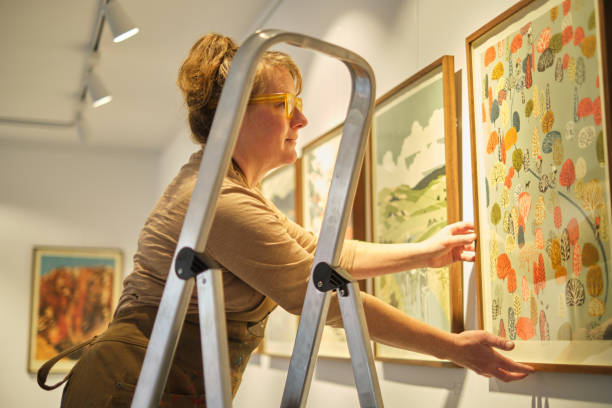
Exhibition Designers conceptualize and develop the spatial, visual, and interactive aspects of exhibitions and displays. They combine artistic vision with technical knowledge to create environments that are visually striking, narrative-driven, and visitor-friendly. Careers span museums, galleries, trade shows, corporate events, cultural institutions, and exhibition design firms. Success depends on a unique blend of artistic talent, spatial design expertise, and project management skills to design exhibitions that meet client objectives, engage audiences, and adhere to technical and safety standards while incorporating innovative technologies and storytelling techniques.
| Route | Steps |
|---|---|
| Route 1: Exhibition/Interior Design Degree | 1. Bachelor's degree in Exhibition Design, Interior Design, or Environmental Design; 2. Internship at exhibition design firm or museum; 3. Portfolio development with spatial and graphic design projects; 4. Junior exhibition designer role. |
| Route 2: Architecture to Exhibition Design | 1. Background in Architecture or Interior Architecture; 2. Specialized courses or workshops in exhibition and display design; 3. Participation in exhibition projects and competitions; 4. Entry-level exhibition or spatial designer position. |
| Route 3: Graphic Design to Exhibition Design | 1. Background in Graphic Design or Visual Communication; 2. Training in spatial design and environmental graphics; 3. Development of exhibition-related portfolio; 4. Assistant designer or graphic designer for exhibitions. |
| Institute | Course | Official Link |
|---|---|---|
| National Institute of Design (NID), Ahmedabad | Exhibition Design | https://www.nid.edu |
| National Institute of Fashion Technology (NIFT), Delhi | Interior and Exhibition Design | https://www.nift.ac.in |
| Srishti Institute of Art, Design and Technology, Bangalore | Environmental and Exhibition Design | https://www.srishti.ac.in |
| Pearl Academy, Delhi | Interior and Spatial Design | https://www.pearlacademy.com |
| MIT Institute of Design, Pune | Interior and Exhibition Design | https://www.mitid.edu.in |
| School of Planning and Architecture, Delhi | Architecture and Interior Design | https://spa.ac.in |
| Indian Institute of Art and Design (IIAD), Delhi | Interior Design and Exhibition | https://www.iiad.edu.in |
| DSK International School of Design, Pune | Interior and Exhibition Design | https://www.dskisd.com |
| JD Institute of Fashion Technology, Mumbai | Interior and Exhibition Design | https://www.jdinstitute.com |
| Arch Academy of Design, Jaipur | Interior and Exhibition Design | https://www.archedu.org |
International
| Institution | Course | Country | Official Link |
|---|---|---|---|
| Royal College of Art | MA Exhibition Design | UK | https://www.rca.ac.uk |
| Parsons School of Design | Exhibition Design | USA | https://www.newschool.edu/parsons |
| Rhode Island School of Design (RISD) | Interior Architecture and Exhibition Design | USA | https://www.risd.edu |
| University of the Arts London (UAL) | MA Exhibition Design | UK | https://www.arts.ac.uk |
| Pratt Institute | Exhibition Design | USA | https://www.pratt.edu |
| Politecnico di Milano | Exhibition and Museum Design | Italy | https://www.polimi.it |
| Zurich University of the Arts | Exhibition Design | Switzerland | https://www.zhdk.ch |
| Royal Danish Academy of Fine Arts | Exhibition and Spatial Design | Denmark | https://kadk.dk |
| Emily Carr University of Art + Design | Exhibition Design | Canada | https://www.ecuad.ca |
| University of Applied Arts Vienna | Exhibition Design | Austria | https://www.dieangewandte.at |
India
International
Junior Exhibition Designer → Exhibition Designer → Senior Exhibition Designer → Lead Designer → Design Manager → Creative Director → Exhibition Consultant → Design Educator → Design Entrepreneur
| India | International |
|---|---|
| National Institute of Design (NID) | Event Communications (UK) |
| Elephant Design | Local Projects (USA) |
| Studio ABD | Goppion (Italy) |
| Design Workshop India | Ralph Appelbaum Associates (USA) |
| Studio Lotus | Event Communications (UK) |
| Leaf Design | Gallagher & Associates (USA) |
| Kyoorius | Casson Mann (UK) |
| Studio Carbon | Design Research Studio (UK) |
| Elephant Design | Thinc Design (USA) |
| Design Factory India | Studio Libeskind (USA) |
| Pros | Cons |
|---|---|
| Opportunity to work on diverse and creative projects | Project deadlines can be tight and stressful |
| Combines art, architecture, and storytelling | Requires balancing creativity with technical constraints |
| Involves collaboration with multidisciplinary teams | Installation and on-site work can be physically demanding |
| Growing demand for immersive and interactive experiences | Budget and client demands may limit creative freedom |
| Chance to influence public engagement and education | Projects are often temporary, requiring frequent new designs |
| Opportunities for international work and travel | High responsibility for safety and compliance standards |
| Potential for freelance and consultancy roles | Coordination challenges across multiple stakeholders |
| Exposure to cutting-edge design and technology | Need for continual learning in evolving tools and methods |
| Career Level | India (₹ per annum) | International (US$ per annum) |
|---|---|---|
| Junior Exhibition Designer | 3,50,000 - 7,00,000 | $45,000 - $65,000 |
| Mid-Level Exhibition Designer | 7,00,000 - 14,00,000 | $65,000 - $95,000 |
| Senior Exhibition Designer | 14,00,000 - 25,00,000 | $95,000 - $140,000 |
| Lead Designer / Design Manager | 25,00,000 - 40,00,000 | $140,000 - $190,000 |
| Creative Director / Principal Designer | 40,00,000+ | $190,000+ |
Exhibition Design is a multidisciplinary and evolving field at the intersection of art, architecture, storytelling, and technology. It offers creative professionals the opportunity to craft immersive environments that engage, educate, and inspire diverse audiences. With increasing emphasis on interactivity, sustainability, and cultural relevance, exhibition designers play a vital role in shaping how stories and ideas are experienced in public spaces worldwide. For those passionate about spatial design and narrative, this career provides a dynamic and rewarding path with diverse opportunities across museums, events, corporate exhibitions, and beyond. As technology and visitor expectations evolve, exhibition designers remain essential innovators in creating meaningful and memorable experiences.

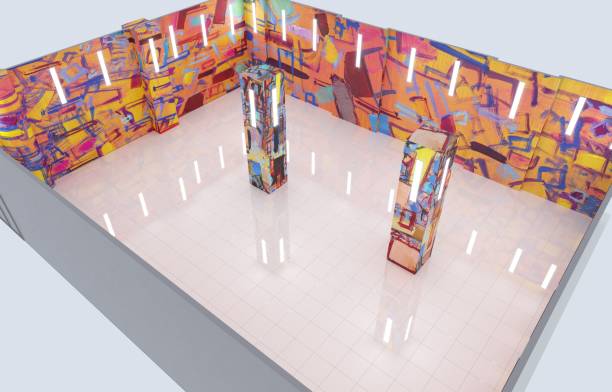
Spatial Designers specialize in planning and designing the physical layout and spatial organization of exhibitions. They focus on creating...
0.0LPA
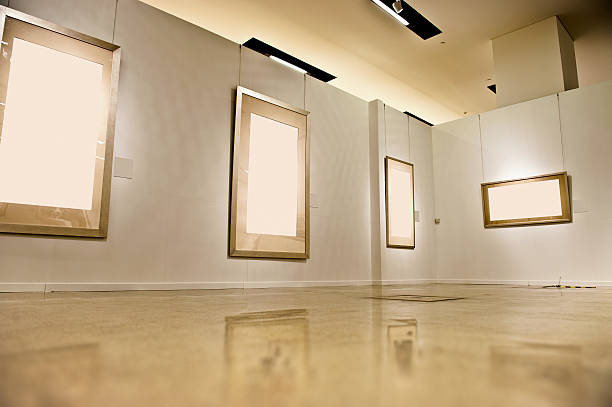
Lighting Designers create lighting schemes that highlight exhibits, set moods, and influence visitor perception. They combine artistic sensibility...
0.0LPA
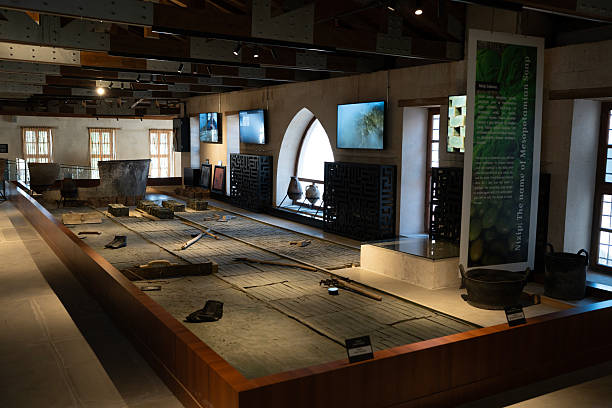
Fabrication Specialists oversee the construction and installation of exhibition components. They work closely with fabricators, carpenters, and...
0.0LPA
Take the next step and explore more about Exhibition Designer.
Explore similar career paths that might interest you