Fashion Technology
Fashion Technology is a dynamic field that integrates design, engineering, and technology to innovate in the creation, production, and marketing of fashion products, including apparel, accessories, and textiles. In India, fashion technology is a rapidly growing sector, driven by the country’s rich textile heritage, a booming fashion industry, and increasing global demand for sustainable and tech-driven solutions. With roots in traditional craftsmanship and modern advancements like smart textiles, 3D design software, and e-commerce platforms, this career is vital for revolutionizing fashion production and consumption. Fashion Technologists are essential for blending creativity with technical expertise, enhancing efficiency, and meeting evolving consumer needs. This career contributes to advancements through trends such as wearable technology, sustainable fashion, and digital manufacturing.
Career Description
Fashion Technologists work in diverse settings such as fashion houses, textile manufacturing units, design studios, retail brands, tech startups, or as independent consultants, often collaborating with designers, engineers, and marketers. Their roles include developing innovative fabrics, optimizing production processes, integrating technology into garments, and ensuring quality and sustainability standards. They face challenges like keeping pace with fast-changing trends, adopting expensive technologies, and addressing environmental concerns in India’s competitive fashion market. By leveraging expertise in textile engineering, design software, and market analysis, they create cutting-edge fashion solutions that blend aesthetics with functionality. As key contributors to India’s fashion and textile industry, they drive progress through trends like smart wearables, zero-waste production, and digital fashion platforms.
Roles and Responsibilities
- Textile Innovation and Development
- Research and develop new fabrics, fibres, and materials, such as smart textiles or eco-friendly alternatives.
- Test materials for durability, comfort, and performance to meet industry standards.
- Design and Pattern Making with Technology
- Use CAD (Computer-Aided Design) software to create precise patterns, 3D garment simulations, and prototypes.
- Collaborate with designers to translate creative concepts into technically feasible products.
- Production Process Optimization
- Implement automation and advanced manufacturing techniques to improve efficiency and reduce waste in production.
- Oversee quality control during garment manufacturing to ensure consistency and compliance with standards.
- Integration of Wearable Technology
- Design and develop garments with embedded technology, such as fitness trackers or temperature-regulating fabrics.
- Work with engineers to ensure seamless integration of tech components into fashion products.
- Sustainability and Ethical Practices
- Promote sustainable fashion by adopting eco-friendly materials, recycling processes, and circular design principles.
- Ensure compliance with ethical labour practices and environmental regulations in production.
- Market Research and Trend Forecasting
- Analyze global fashion trends, consumer preferences, and technological advancements to inform product development.
- Use data analytics to predict market demands and guide design or production decisions.
- Digital Fashion and E-Commerce
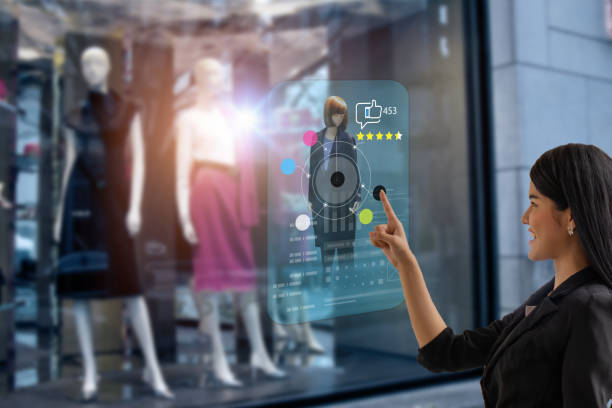
- Leverage digital tools for virtual fashion shows, 3D fitting rooms, and augmented reality (AR) shopping experiences.
- Optimize online platforms for marketing and selling tech-driven fashion products.
- Training and Industry Collaboration
- Train teams on new technologies, software, or sustainable practices to enhance workforce skills.
- Collaborate with tech firms, research institutes, and fashion brands to drive innovation in the industry.
Study Route & Eligibility Criteria
| Route | Steps |
| Route 1: Bachelor’s in Fashion Technology - Direct Entry | 1. Complete 10+2 in Science stream (Physics, Chemistry, Math preferred) with minimum 50% marks 2. Pursue B.Tech/B.Des in Fashion Technology (4 years) 3. Join fashion firms or textile industries after internships 4. Gain experience through entry-level technical roles |
| Route 2: Diploma to Degree Pathway | 1. Complete 10+2 and enroll in a 1-3 year Diploma in Fashion Technology or Textile Design 2. Gain lateral entry into degree programs (if eligible) or start working 3. Build skills through practical projects or internships 4. Join firms or pursue advanced certifications for growth |
| Route 3: Master’s Specialization (M.Tech/M.Des) | 1. Complete Bachelor’s in Fashion Technology, Textile Engineering, or related field 2. Pursue M.Tech in Fashion Technology or M.Des via entrance exams like GATE/CEED 3. Gain advanced skills through postgraduate projects or internships 4. Join senior roles in fashion tech firms or start own ventures |
| Route 4: International Education Path | 1. Complete 10+2 and clear relevant entrance exams or language tests 2. Pursue fashion technology or textile engineering degree from international universities (e.g., USA, UK) 3. Gain global exposure through internships abroad 4. Return to India or work internationally with fashion tech brands |
| Route 5: Short-Term Courses and Practical Entry | 1. Complete 10+2 or basic education in any stream 2. Enroll in short-term certificate courses (3-6 months) in Fashion Technology or CAD for Fashion 3. Work as assistants in design or production units for hands-on learning 4. Build portfolio and network to establish roles in firms or freelance work |
Significant Observations (Academic Related Points)
- Eligibility Criteria: 10+2 in Science stream (PCM preferred) is generally required for B.Tech programs; any stream for B.Des with aptitude for design and technology.
- Competitive Examinations: Entrance exams like JEE Main (for B.Tech), NIFT, NID, or CEED are required for premier institutes in India.
- Practical Skills: Hands-on training in textile labs, CAD software, and production units is critical for success.
- Physical Standards: Not typically mandatory, though roles may require long hours in design or production environments.
- Technical Knowledge: Proficiency in design software, textile engineering, and emerging tech like AR/VR is essential.
- Continuous Training: Workshops on smart textiles, sustainable fashion, and digital tools are crucial for staying relevant.
- Field Readiness: Exposure to real-world fashion projects and industry trends builds practical competence.
- Strategic Awareness: Understanding global fashion markets and consumer behavior aids in product innovation.
- Creative and Technical Balance: Combining design creativity with technical expertise in manufacturing is key to success.
- Ethical Commitment: Adherence to sustainability and fair trade practices builds professional credibility.
- Teamwork Ability: Collaboration with designers, engineers, and marketers is crucial for project execution.
Internships & Practical Exposure
- Exposure through internships at fashion houses or textile manufacturing units for hands-on tech integration experience.
- Training workshops on CAD software, 3D modelling, and smart textile development with industry experts.
- Participation in real projects for practical skills in creating tech-driven fashion products.
- Observerships at fashion tech startups to understand wearable technology and digital fashion trends.
- Involvement in fashion shows or trade expos for showcasing innovative designs and gaining market exposure.
- Exposure to sustainable fashion practices during internships with eco-conscious brands.
- Workshops on wearable tech and AR/VR applications in fashion for modern expertise.
- Volunteer roles in community textile projects to build initial experience and portfolios.
- Collaborative projects with tech firms for integrating sensors or IoT into fashion products.
Courses & Specializations to Enter the Field
- Bachelor of Technology (B.Tech) in Fashion Technology for technical training in textile engineering.
- Bachelor of Design (B.Des) in Fashion Technology or Textile Design for a design-tech blend.
- Master of Technology (M.Tech) in Fashion Technology for advanced manufacturing and innovation skills.
- Master of Design (M.Des) in Fashion Technology for creative and strategic expertise.
- Diploma in Fashion Technology or Textile Technology for entry-level practical roles.
- Specialization in Smart Textiles, Wearable Technology, Sustainable Fashion, or Digital Fashion Design.
- Short-term courses on CAD for Fashion, 3D Garment Simulation, and E-Commerce for Fashion.
- Certifications in Textile Testing, Fashion Analytics, and Sustainable Production for professional credibility.
Top Institutes for Fashion Technology Training (India)
| Institute | Course/Program | Official Link |
| National Institute of Fashion Technology (NIFT), Delhi | B.Des/B.Tech/M.Des in Fashion Technology | https://www.nift.ac.in/ |
| National Institute of Design (NID), Ahmedabad | B.Des/M.Des in Textile Design (Tech Focus) | https://www.nid.edu/ |
| Indian Institute of Technology (IIT), Delhi | M.Tech in Textile & Fibre Engineering | https://www.iitd.ac.in/ |
| Pearl Academy, Delhi | Diploma/Bachelor’s in Fashion Technology | https://pearlacademy.com/ |
| Amity School of Fashion Technology, Noida | B.Des/M.Des in Fashion Technology | https://www.amity.edu/ |
| Symbiosis Institute of Design (SID), Pune | B.Des in Fashion Design (Tech Electives) | https://www.sid.edu.in/ |
| MIT Institute of Design, Pune | B.Des/M.Des in Fashion Technology | https://www.mitid.edu.in/ |
| Northern India Institute of Fashion Technology (NIIFT), Mohali | B.Sc/M.Sc in Fashion Technology | https://www.niiftindia.com/ |
| Srishti Institute of Art, Design & Technology, Bangalore | B.Des in Industrial Design (Fashion Tech) | https://srishti.ac.in/ |
| Anna University, Chennai | B.Tech in Apparel Technology | https://www.annauniv.edu/ |
Top International Institutes for Fashion Technology Studies
| Institution | Course | Country | Official Link |
| Fashion Institute of Technology (FIT), New York | BS/MS in Fashion Business & Technology | USA | https://www.fitnyc.edu/ |
| London College of Fashion (LCF), London | BA/MA in Fashion Technology | UK | https://www.arts.ac.uk/colleges/london-college-of-fashion |
| Parsons School of Design, New York | BFA/MFA in Fashion Design & Technology | USA | https://www.newschool.edu/parsons/ |
| Politecnico di Milano, Milan | MS in Fashion System Design & Technology | Italy | https://www.polimi.it/ |
| Royal College of Art (RCA), London | MA in Fashion & Textile Innovation | UK | https://www.rca.ac.uk/ |
| University of the Arts London (UAL), London | BA/MA in Fashion Design Technology | UK | https://www.arts.ac.uk/ |
| Savannah College of Art and Design (SCAD), Savannah | BFA/MA in Fashion (Tech Focus) | USA | https://www.scad.edu/ |
| RMIT University, Melbourne | Bachelor of Fashion (Technology) | Australia | https://www.rmit.edu.au/ |
| Hong Kong Polytechnic University, Hong Kong | BA/MA in Fashion & Textile Technology | Hong Kong | https://www.polyu.edu.hk/ |
| Aalto University, Espoo | MA in Fashion, Clothing & Textile Design | Finland | https://www.aalto.fi/ |
Entrance Tests Required
India:
- NIFT Entrance Exam: Required for B.Des/B.Tech and M.Des programs at National Institute of Fashion Technology.
- JEE Main: Required for B.Tech in Fashion Technology at IITs or other engineering colleges.
- Common Entrance Examination for Design (CEED): Required for M.Des programs at NID and other design institutes.
- NID Design Aptitude Test (DAT): For B.Des/M.Des programs at National Institute of Design.
- Institute-Specific Tests: Some colleges conduct their own aptitude tests or portfolio reviews.
International (for Relevant Studies or Exposure):
- IELTS (International English Language Testing System): Minimum score of 6.0-6.5 for non-native speakers applying to programs in the UK, Canada, etc.
- TOEFL (Test of English as a Foreign Language): Minimum score of 80-90 for programs in English-speaking countries like the USA.
- SAT (Scholastic Aptitude Test): May be required for undergraduate programs in the USA.
- Portfolio Submission: Most international and Indian programs require a portfolio showcasing design and technical skills.
Ideal Progressing Career Path (Fashion Technology - Private Sector Example)
Junior Fashion Technologist → Fashion Technologist → Senior Fashion Technologist → Fashion Technology Manager → Fashion Tech Innovator/Director
Major Areas of Employment
- Fashion Houses for integrating technology into high-end apparel design.
- Textile Manufacturing Units for innovating fabrics and production processes.
- Fashion Tech Startups for developing wearable tech and digital fashion solutions.
- Retail Brands for optimizing supply chains and implementing AR/VR shopping tools.
- Export Companies for designing tech-driven fashion products for global markets.
- Freelance Consultancy for independent fashion tech projects and innovations.
- Research Institutes for developing smart textiles and sustainable fashion solutions.
Prominent Employers/Associated Organizations
| India (Firms/Brands) | International Collaborations |
| Reliance Trends, Mumbai | Global Fashion Retail Networks |
| Aditya Birla Fashion and Retail Ltd., Mumbai | International Textile Tech Partnerships |
| Raymond Limited, Mumbai | Luxury Fabric Innovation, Europe |
| Arvind Limited, Ahmedabad | Sustainable Textile Tech, USA |
| Welspun India Ltd., Mumbai | Smart Textile Collaborations, Japan |
| Shahi Exports Pvt. Ltd., Delhi | Global Apparel Tech Supply Chains |
| Technopak Advisors, Gurugram | Fashion Tech Consulting, Asia-Pacific |
Pros and Cons of the Profession
| Pros | Cons |
| High impact through innovating fashion with cutting-edge technology | High pressure due to fast-paced trends and tight production deadlines |
| Opportunity to work on futuristic trends like wearable tech and AR | High costs of adopting new technologies and tools for innovation |
| Creative freedom in blending design with technical solutions | Environmental challenges in balancing tech with sustainability goals |
| Growing demand in India’s booming fashion and textile industry | Need for continuous learning to keep up with evolving tech and trends |
| Potential for global exposure with tech-driven fashion exports | Competition from international brands with advanced tech capabilities |
Industry Trends and Future Outlook
- Wearable Technology: Rising integration of sensors, fitness trackers, and smart fabrics into clothing for health and lifestyle applications.
- Sustainable Fashion: Growing emphasis on eco-friendly materials, biodegradable textiles, and circular fashion to reduce environmental impact.
- Digital Fashion Design: Adoption of 3D modeling, virtual fitting rooms, and AI-driven design tools for faster prototyping and customization.
- Augmented Reality (AR) and Virtual Reality (VR): Use of AR for virtual try-ons and VR for immersive fashion shows or retail experiences.
- Automation in Manufacturing: Implementation of robotics and AI to streamline production, reduce costs, and improve precision.
- Personalized Fashion: Leveraging data analytics and AI to offer customized apparel based on consumer preferences and body scans.
- E-Commerce and Digital Marketplaces: Expansion of online platforms with tech-driven tools for seamless shopping and supply chain management.
- Smart Textiles for Healthcare: Development of textiles with medical applications, such as monitoring vital signs or aiding rehabilitation.
- Global Export Opportunities: Indian fashion tech innovations gaining traction in international markets for sustainable and smart apparel.
Salary Expectations
| Career Level (Private Sector Example) | India (₹ per annum) | International (USD per annum, Tentative) |
| Junior Fashion Technologist (Entry) | 2,50,000 - 4,50,000 | $25,000 - $35,000 |
| Fashion Technologist (Early-Mid) | 4,50,000 - 7,50,000 | $35,000 - $50,000 |
| Senior Fashion Technologist (Mid-Level) | 7,50,000 - 12,00,000 | $50,000 - $75,000 |
| Fashion Technology Manager (Senior) | 12,00,000 - 20,00,000 | $75,000 - $100,000 |
| Fashion Tech Innovator/Director and Above | 20,00,000 - 35,00,000+ | $100,000 - $150,000+ |
| Note: Salaries are indicative and vary based on location (metro vs. non-metro for India; country/region for international roles), firm size, and project scale. |
Key Software Tools
- CLO 3D for virtual garment design and 3D simulation of fashion products.
- Adobe Illustrator for creating detailed fashion sketches and technical drawings.
- Lectra for pattern making, grading, and marker planning in apparel production.
- Optitex for 2D/3D CAD solutions in fashion design and prototyping.
- Trello or Asana for project management and team collaboration in production workflows.
- Autodesk Fusion 360 for integrating tech components into wearable designs.
- Browzwear for realistic 3D visualization and virtual fitting of garments.
Professional Organizations and Networks
- Confederation of Indian Textile Industry (CITI), India.
- Textile Association of India (TAI), India.
- Fashion Design Council of India (FDCI), India.
- International Textile Manufacturers Federation (ITMF), Global.
- Wearable Technology Society (WTS), Global.
- Sustainable Apparel Coalition (SAC), Global.
- Federation of Indian Chambers of Commerce & Industry (FICCI), India (for fashion and textile collaboration).
Notable Leaders in Fashion Technology
- Anita Dongre (India, 1963-): Fashion designer and entrepreneur integrating sustainable tech into Indian fashion. Her vision promotes eco-fashion. Her impact scales sustainability.
- Stella McCartney (UK, 1971-): Designer known for pioneering sustainable fashion tech with vegan materials. Her innovation drives ethics. Her impact transforms luxury.
- Iris van Herpen (Netherlands, 1984-): Designer blending 3D printing and tech into haute couture. Her creativity redefines design. Her impact pushes boundaries.
- Ralph Lauren (USA, 1939-): Fashion icon whose brand explores smart clothing and digital retail tech. His leadership shapes markets. His impact modernizes classics.
- Manish Arora (India, 1970s-): Designer known for tech-inspired, futuristic fashion with Indian motifs. His designs captivate. His impact globalizes aesthetics.
- Angela Missoni (Italy, 1958-): Creative director integrating tech into knitwear design at Missoni. Her innovation blends tradition. Her impact enhances textiles.
- Hussein Chalayan (Cyprus/UK, 1970-): Designer pioneering tech-driven fashion with animatronic garments. His experiments inspire. His impact revolutionizes runways.
- Sabyasachi Mukherjee (India, 1974-): Designer using tech for digital marketing and sustainable craft integration. His strategies engage. His impact preserves heritage.
- ReiKawakubo (Japan, 1942-): Avant-garde designer whose tech experiments influence fashion innovation. Her vision challenges norms. Her impact redefines creativity.
- AnoukWipprecht (Netherlands, 1980s-): Fashion tech designer creating interactive, robotic garments. Her tech fusion amazes. Her impact pioneers wearables.
Advice for Aspiring Fashion Technologists
- Build a strong foundation in design, textile engineering, and technology for academic success.
- Pursue internships early to gain hands-on experience in fashion production and tech integration.
- Create a diverse portfolio showcasing tech-driven designs, 3D simulations, and innovative projects.
- Stay updated on fashion tech trends like wearables or sustainability through industry webinars.
- Develop proficiency in CAD software, 3D modeling, and data analytics for a competitive edge.
- Join reputed institutes like NIFT or IIT for quality education and industry connections.
- Work on resilience to handle fast-paced trends and high-pressure production environments.
- Explore freelance or startup projects to build experience if corporate roles are delayed.
- Network with fashion and tech professionals at trade shows to stay inspired and informed.
- Cultivate adaptability to work across design, manufacturing, and digital fashion domains.
- Focus on societal impact by delivering innovations that promote sustainability and accessibility in fashion.
A career in Fashion Technology offers a unique opportunity to shape the future of style by mastering creativity and innovation, fostering progress through tech-driven fashion solutions, and empowering industries with every product crafted. Fashion Technologists are the visionaries of India’s sartorial landscape, using their expertise and passion to ensure cutting-edge fashion creations across diverse contexts. This profession blends artistic expression with technical precision, providing pathways in smart textiles, sustainable fashion, digital design, and wearable technology. For those passionate about transforming apparel through technology, driven by a desire to innovate through style, and eager to embrace the evolving landscape of fashion trends, a career as a Fashion Technologist is a deeply rewarding journey. It empowers individuals to address aesthetic and functional needs, enhance consumer experiences, and advance societal progress through the transformative power of tech-infused fashion.
Leading Professions
View AllJunior Fashion Technologist (Entry Level):
Entry-level professionals who assist in material testing, pattern making, and basic tech integration. They execute basic tasks. They build skills by learning processes. Their role supports projects by aiding development.
Fashion Technologist (Early-Mid Level):
Early-to-mid-level technologists who manage specific projects, develop fabrics, and implement production tech. They supervise execution. Their work ensures quality by refining processes. Their contribution aids innovation.
Senior Fashion Technologist (Mid-Level):
Mid-level professionals who lead complex projects, mentor juniors, and integrate advanced tech like wearables. They balance creativity with technology. Their expertise drives efficiency by solving challenges. Their impact enhances products.
Fashion Technology Manager (Senior Level):
Senior professionals who oversee multiple projects, manage teams, and ensure innovation in firms. They handle high-level planning. Their leadership shapes outcomes by setting standards. Their role boosts reputation.
Fashion Tech Innovator/Director (Top Tier):
Top-tier leaders who own or direct fashion tech ventures, secure major contracts, and pioneer industry trends. They lead business growth. Their vision transforms fashion by winning markets. Their impact elevates standards.
Smart Textile Specialist (Specialized Role):
Mid-level specialists who focus on developing fabrics with embedded technology for smart clothing. They solve tech challenges. Their skills optimize functionality by enhancing wearables. Their contribution improves lifestyles.
Sustainable Fashion Technologist (Advisory Role):
Mid-to-senior level experts who focus on eco-friendly materials and zero-waste production methods. They support green initiatives. Their knowledge secures sustainability by curating solutions. Their impact promotes responsibility.
Digital Fashion Specialist (Niche Role):
Mid-level technologists who integrate AR/VR or 3D modeling into fashion design and retail. They bridge digital innovation. Their expertise aids virtual experiences by enhancing access. Their impact modernizes sales.
CAREER VIDEOS
Interested? Take the next step for this career
Skills Needed
This page includes information from O*NET Resource Center by the U.S. Department of Labor, Employment and Training Administration (USDOL/ETA). Used under the CC BY 4.0 license. O*NET® is a trademark of USDOL/ETA.
© 2025 TopTeen. All rights reserved.