3D Animator
Senior 3D Animator
Explore Career
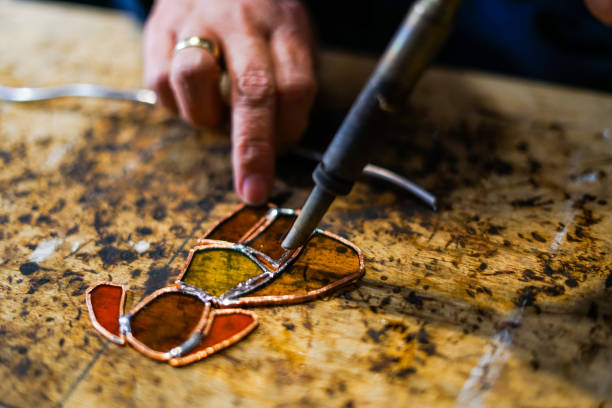
A Glass Designer is a creative professional who specializes in designing and crafting glass products, ranging from functional items like tableware and windows to artistic pieces such as sculptures and stained glass installations. In India, glass design is a niche yet growing field, blending traditional craftsmanship with modern aesthetics to cater to architectural, interior, and decorative markets. With roots in ancient glass-making techniques and modern advancements like sustainable materials and digital design tools, this career is vital for creating visually appealing and functional glass solutions. Glass Designers are essential for innovating in product design, enhancing spaces, and preserving cultural motifs through glass art. This career contributes to advancements through trends such as eco-friendly glass production, smart glass technology, and bespoke artistic creations.
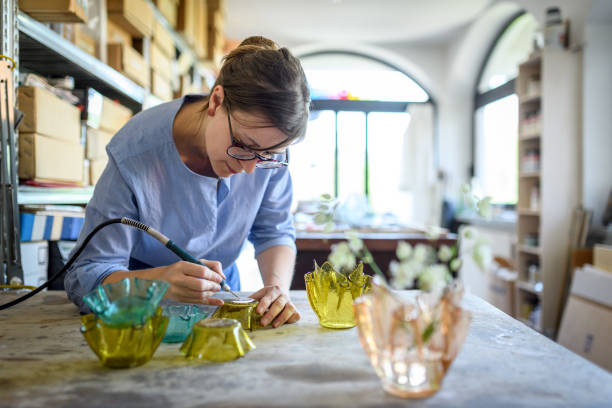
Glass Designers work in diverse settings such as design studios, glass manufacturing companies, architectural firms, interior design agencies, or as independent artisans, often collaborating with architects, interior designers, and clients. Their roles include conceptualizing designs, selecting appropriate glass materials, crafting or overseeing production, and ensuring the final product meets aesthetic and functional standards. They face challenges like mastering complex glass-working techniques, managing high production costs, and competing in a niche market in India. By leveraging expertise in design principles, material science, and traditional craftsmanship, they create unique glass pieces that elevate spaces and experiences. As key contributors to India’s design and craft landscape, they drive progress through trends like sustainable glass recycling, fusion art, and technology-integrated designs.
| Route | Steps |
| Route 1: Bachelor’s in Design/Related Field - Direct Entry | 1. Complete 10+2 in any stream with minimum 50% marks (Arts or Science preferred by some institutes) 2. Pursue Bachelor’s in Industrial Design, Product Design, or Fine Arts (3-4 years) 3. Join glass design firms or studios after internships 4. Gain experience through entry-level design roles |
| Route 2: Diploma to Degree Pathway | 1. Complete 10+2 and enroll in a 1-2 year Diploma in Glass Design, Craft, or Industrial Design 2. Gain lateral entry into degree programs (if eligible) or start working 3. Build skills through practical projects or apprenticeships 4. Join studios or pursue advanced certifications for growth |
| Route 3: Master’s Specialization (M.Des/MFA) | 1. Complete Bachelor’s in Design, Fine Arts, or related field 2. Pursue Master of Design (M.Des) or Master of Fine Arts (MFA) in Glass Design or Product Design via entrance exams like CEED 3. Gain advanced skills through postgraduate projects or internships 4. Join senior roles in design firms or start own studio |
| Route 4: International Education Path | 1. Complete 10+2 and clear relevant entrance exams or language tests 2. Pursue glass design or industrial design degree from international universities (e.g., USA, UK) 3. Gain global exposure through internships abroad 4. Return to India or work internationally with design firms |
| Route 5: Short-Term Courses and Practical Entry | 1. Complete 10+2 or basic education in any stream 2. Enroll in short-term certificate courses (3-6 months) in Glass Design or Craftsmanship 3. Work as apprentices under established glass artists for hands-on learning 4. Build portfolio and network to establish roles in studios or freelance work |
| Institute | Course/Program | Official Link |
| National Institute of Design (NID), Ahmedabad | B.Des/M.Des in Product Design (Glass Focus) | https://www.nid.edu/ |
| Indian Institute of Technology (IIT), Bombay | M.Des in Industrial Design (Material Focus) | https://www.iitb.ac.in/ |
| Sir J.J. School of Art, Mumbai | BFA in Applied Art (Glass Craft Electives) | https://www.sirjjschoolofart.in/ |
| Pearl Academy, Delhi | Diploma/Bachelor’s in Product Design | https://pearlacademy.com/ |
| Srishti Institute of Art, Design & Technology, Bangalore | B.Des in Industrial Arts & Design Practices | https://srishti.ac.in/ |
| Banaras Hindu University (BHU), Varanasi | BFA/MFA in Applied Arts (Craft Focus) | https://www.bhu.ac.in/ |
| College of Art, Delhi University, Delhi | BFA/MFA in Applied Art | https://colart.delhigovt.nic.in/ |
| MIT Institute of Design, Pune | B.Des/M.Des in Product Design | https://www.mitid.edu.in/ |
| NIFT (National Institute of Fashion Technology), Delhi | Accessory Design (Material Exploration) | https://www.nift.ac.in/ |
| Craft and Design Institute (CDI), Srinagar | Diploma in Glass Craftsmanship | https://www.cdisrinagar.com/ |
| Institution | Course | Country | Official Link |
| Rhode Island School of Design (RISD), Providence | BFA/MFA in Glass Design | USA | https://www.risd.edu/ |
| Corning Museum of Glass (with partner schools), Corning | Certificate in Glass Art & Design | USA | https://www.cmog.org/ |
| Royal College of Art (RCA), London | MA in Ceramics & Glass | UK | https://www.rca.ac.uk/ |
| University for the Creative Arts (UCA), Farnham | BA/MA in Glass & Ceramics | UK | https://www.uca.ac.uk/ |
| Pilchuck Glass School, Stanwood | Intensive Courses in Glass Art & Design | USA | https://www.pilchuck.org/ |
| Australian National University (ANU), Canberra | Bachelor of Visual Arts (Glass Focus) | Australia | https://www.anu.edu.au/ |
| Konstfack University of Arts, Crafts and Design, Stockholm | MA in Crafts (Glass Design) | Sweden | https://www.konstfack.se/ |
| Gerrit Rietveld Academie, Amsterdam | BA in Glass & Ceramics | Netherlands | https://www.gerritrietveldacademie.nl/ |
| Tokyo University of the Arts, Tokyo | MFA in Craft (Glass Art Focus) | Japan | https://www.geidai.ac.jp/ |
| Alfred University, New York | BFA/MFA in Glass Art & Sculpture | USA | https://www.alfred.edu/ |
India:
International (for Relevant Studies or Exposure):
Junior Glass Designer → Glass Designer → Senior Glass Designer → Design Studio Manager → Design Firm Owner/Art Director
| India (Firms/Brands) | International Collaborations |
| Firozabad Glass Industries, Firozabad | Indian Glass Craft Networks |
| La Opala RG Limited, Kolkata | Global Tableware Design Partnerships |
| Borosil Glass Works, Mumbai | International Glassware Collaborations |
| Piramal Glass, Mumbai | Piramal Group Global, USA |
| Asahi India Glass Limited, Gurugram | Asahi Glass Co., Japan |
| Saint-Gobain Glass India, Chennai | Saint-Gobain Global, France |
| Craft Council of India, Chennai | UNESCO Craft Networks |
| Pros | Cons |
| High impact through creating unique, beautiful glass designs | High physical and technical demands of glass crafting |
| Opportunity to blend traditional craft with modern innovation | Limited market awareness and demand in India for niche designs |
| Creative freedom in designing artistic and functional pieces | High production costs for materials and equipment |
| Growing demand in architecture and interior design sectors | Risk of injury from working with hot glass or sharp materials |
| Potential for international exposure with unique, high-value designs | Slow career progression due to niche industry size |
| Career Level (Private Sector Example) | India (₹ per annum) | International (USD per annum, Tentative) |
| Junior Glass Designer (Entry) | 2,00,000 - 3,50,000 | $20,000 - $30,000 |
| Glass Designer (Early-Mid) | 3,50,000 - 6,00,000 | $30,000 - $45,000 |
| Senior Glass Designer (Mid-Level) | 6,00,000 - 10,00,000 | $45,000 - $70,000 |
| Design Studio Manager (Senior) | 10,00,000 - 18,00,000 | $70,000 - $100,000 |
| Design Firm Owner/Art Director and Above | 18,00,000 - 30,00,000+ | $100,000 - $150,000+ |
| Note: Salaries are indicative and vary based on location (metro vs. non-metro for India; country/region for international roles), firm size, and project scale. |
A career in Glass Design offers a unique opportunity to shape aesthetic and functional environments by mastering creativity and craftsmanship, fostering innovation through unique glass solutions, and empowering spaces with every design crafted. Glass Designers are the visionaries of India’s design and craft landscapes, using their expertise and passion to ensure captivating glass creations across diverse contexts. This profession blends artistic expression with technical precision, providing pathways in architectural glass, artistic sculptures, sustainable design, and bespoke products. For those passionate about transforming materials into art, driven by a desire to create through glass, and eager to embrace the evolving landscape of design technology, a career as a Glass Designer is a deeply rewarding journey. It empowers individuals to address aesthetic and functional needs, enhance built environments, and advance societal appreciation through the transformative power of glass artistry.
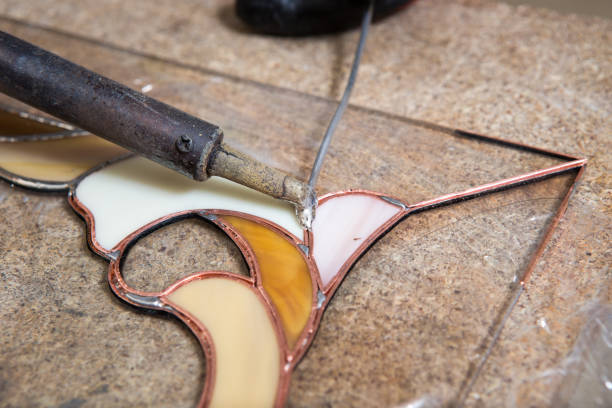
Early-to-mid-level designers who manage specific projects, create original designs, and oversee small-scale production. They supervise execution....
0.0LPA
Mid-level professionals who lead complex design projects, mentor juniors, and handle high-value or architectural commissions. They balance...
0.0LPA

Senior professionals who oversee multiple design projects, manage teams, and ensure client satisfaction in studios. They handle high-level...
0.0LPA
Take the next step and explore more about Glass Designing.
Explore similar career paths that might interest you