Laboratory Technician

A Laboratory Technician is a healthcare and scientific professional who specializes in conducting tests, analyzing samples, and maintaining laboratory equipment to support medical diagnoses, research, and quality control. They operate within hospitals, diagnostic labs, research facilities, or industrial settings, collaborating with pathologists, scientists, and other healthcare providers to ensure accurate results. Laboratory Technicians play a crucial role in public health and innovation by providing essential data in an era where precision medicine, disease outbreaks, and technological advancements drive the need for reliable laboratory services.
Share :
Career tree mind map (horizontal) — Laboratory Technician
Colored branches, hub circles, and underlined topics — same style as counselor course classic (types 18–19 in admin).
Loading mind map…

Overview

A Laboratory Technician is a healthcare and scientific professional who specializes in conducting tests, analyzing samples, and maintaining laboratory equipment to support medical diagnoses, research, and quality control. They operate within hospitals, diagnostic labs, research facilities, or industrial settings, collaborating with pathologists, scientists, and other healthcare providers to ensure accurate results. Laboratory Technicians play a crucial role in public health and innovation by providing essential data in an era where precision medicine, disease outbreaks, and technological advancements drive the need for reliable laboratory services.

Laboratory Technicians are detail-oriented and technically skilled professionals tasked with performing diagnostic tests on blood, tissue, or other biological samples, recording data, and ensuring the integrity of laboratory processes. Their role includes operating sophisticated equipment, preparing specimens, and adhering to safety protocols. They combine expertise in biology, chemistry, and laboratory techniques, working in diverse environments to support patient care and scientific discovery. As key contributors to healthcare and research, Laboratory Technicians drive progress in diagnostics in a landscape increasingly focused on rapid testing, automation, and personalized medical solutions.


Roles and Responsibilities

💼
Laboratory Technician
Roles and Responsibilities
Sample Collection and Preparation
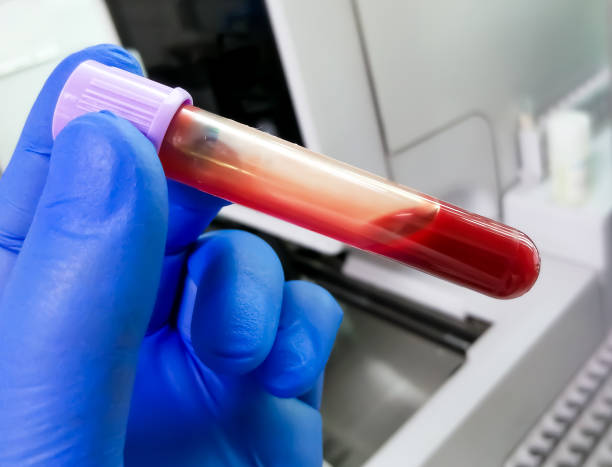
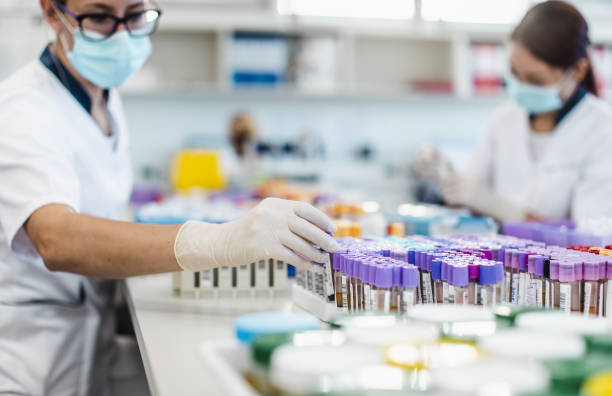
Collect biological samples such as blood, urine, or tissue from patients or sources.
Prepare specimens for analysis by labelling, processing, or staining as required.
Diagnostic Testing and Analysis
Conduct tests like blood counts, microbiology cultures, or chemical analyses using laboratory equipment.
Analyze results to detect abnormalities, infections, or disease markers.
Equipment Operation and Maintenance
Operate and calibrate instruments like microscopes, centrifuges, or spectrophotometers.
Perform routine maintenance and troubleshooting to ensure equipment accuracy.
Data Recording and Reporting
Record test results accurately in laboratory information systems for review by physicians or researchers.
Prepare detailed reports or summaries to support clinical or scientific decision-making.
Quality Control and Safety Compliance
Follow strict protocols to maintain sterility and prevent contamination in the lab.
Implement quality control measures to ensure reliability of test results.
Inventory and Resource Management
Manage laboratory supplies, reagents, and consumables to ensure availability.
Monitor stock levels and reorder materials as needed while adhering to budgets.
Research and Development Support
Assist in research projects by preparing samples or conducting experiments under supervision.
Stay updated on new testing methodologies and laboratory technologies.
Collaboration with Healthcare Teams
Work with doctors, pathologists, and researchers to interpret results and prioritize urgent tests.
Communicate findings effectively to support patient diagnosis or study outcomes.

Roles and Responsibilities

  • Sample Collection and Preparation
    • Collect biological samples such as blood, urine, or tissue from patients or sources.
    • Prepare specimens for analysis by labelling, processing, or staining as required.
  • Diagnostic Testing and Analysis
    • Conduct tests like blood counts, microbiology cultures, or chemical analyses using laboratory equipment.
    • Analyze results to detect abnormalities, infections, or disease markers.
  • Equipment Operation and Maintenance
    • Operate and calibrate instruments like microscopes, centrifuges, or spectrophotometers.
    • Perform routine maintenance and troubleshooting to ensure equipment accuracy.
  • Data Recording and Reporting
    • Record test results accurately in laboratory information systems for review by physicians or researchers.
    • Prepare detailed reports or summaries to support clinical or scientific decision-making.
  • Quality Control and Safety Compliance
    • Follow strict protocols to maintain sterility and prevent contamination in the lab.
    • Implement quality control measures to ensure reliability of test results.
  • Inventory and Resource Management
    • Manage laboratory supplies, reagents, and consumables to ensure availability.
    • Monitor stock levels and reorder materials as needed while adhering to budgets.
  • Research and Development Support
    • Assist in research projects by preparing samples or conducting experiments under supervision.
    • Stay updated on new testing methodologies and laboratory technologies.
  • Collaboration with Healthcare Teams
    • Work with doctors, pathologists, and researchers to interpret results and prioritize urgent tests.
    • Communicate findings effectively to support patient diagnosis or study outcomes.

Study Route & Eligibility Criteria

Study Route & Eligibility Criteria
Laboratory Technician
Route 1
🎓
1
10+2 in Science stream with Physics, Chemistry, and Biology
Route 2
🎓
1
10+2 in Science stream with Physics, Chemistry, and Biology
Route 3
🎓
1
10+2 in Science stream with Physics, Chemistry, and Biology
Route 4
🎓
1
10+2 in Science stream with Physics, Chemistry, and Biology
🎯 Laboratory Technician - Professional

Significant Observations (Academic Related Points)

💡
Laboratory Technician
Academic Related Points
1
Scientific Foundation
Strong knowledge of biology, chemistry, and microbiology is essential for Laboratory Technicians.
2
Precision Mindset
A focus on accuracy and attention to detail is critical for success.
3
Specialized Training
Certifications in areas like hematology or histopathology offer niche expertise.
4
Ethical Awareness
Understanding patient confidentiality and lab ethics improves trust.
5
Interdisciplinary Knowledge
Familiarity with pathology or biochemistry enhances diagnostic integration.
6
Certification Importance
Recognized degrees or licensures are vital for credibility.
7
Continuing Education
Regular training on new lab technologies is necessary to stay updated.
8
Global Standards
Compliance with international laboratory and safety standards enhances career prospects.
9
Attention to Detail
Precision in sample handling and result reporting is critical for outcomes.
10
Entrance Examination Success
Competitive exams may be required for admission to top programs.
11
International Testing Requirements
For global roles, licensing exams or language proficiency tests may be needed.

Internships & Practical Exposure

💼
Laboratory Technician
Internships & Practical Experience
1
Mandatory internships during DMLT or B.Sc. MLT programs in hospitals or diagnostic labs for hands-on experience.
2
Rotations in haematology, microbiology, or clinical chemistry labs for practical exposure.
3
Supervised practice under senior Laboratory Technicians for exposure to real-world workflows.
4
Observerships in specialized areas like histopathology or molecular diagnostics for advanced learning.
5
Participation in health screening programs or community labs for skill development.
6
Training in collaborative projects through real-world cases like blood banking or infection testing.
7
Exposure to industry-standard tools like automated analyzers and laboratory information systems.
8
Project-based learning focusing on diverse diagnostic challenges.
9
Public health initiatives like assisting in disease outbreak testing for underserved populations.
10
International fellowships or online courses for exposure to global laboratory practices.

Courses & Specializations to Enter the Field

📚
Laboratory Technician
Courses & Specializations
📖
Certificate in Medical Laboratory Technology (CMLT).
📖
Diploma in Medical Laboratory Technology (DMLT).
📖
Bachelor of Science in Medical Laboratory Technology (B.Sc. MLT).
📖
Master of Science in Medical Laboratory Technology (M.Sc. MLT).
📖
Specialization in Haematology.
📖
Certification in Clinical Microbiology.
📖
Training in Histopathology.
📖
Workshops on Molecular Diagnostics.
📖
Short Courses in Blood Banking.
📖
Advanced Training in Laboratory Quality Management.

Prominent Employers

🏢
Laboratory Technician
🌟 Top Companies & Organizations
🇮🇳 India
🏛️
Apollo Diagnostics
🏛️
Dr. Lal PathLabs
🏛️
Thyrocare Technologies
🏛️
SRL Diagnostics
🏛️
Fortis Healthcare
🏛️
Max Healthcare
🏛️
Metropolis Healthcare
🏛️
AIIMS (All India Institute of Medical Sciences)
🏛️
Medanta - The Medicity
🏛️
Narayana Health
🌍 International
🌐
Quest Diagnostics, USA
🌐
LabCorp, USA
🌐
Mayo Clinic Laboratories, USA
🌐
Cleveland Clinic Labs, USA
🌐
NHS (National Health Service), UK
🌐
Kaiser Permanente Labs, USA
🌐
Stanford Health Care Labs, USA
🌐
Royal Brompton Hospital Labs, UK
🌐
Mount Sinai Hospital Labs, USA
🌐
Toronto General Hospital Labs, Canada

Advice for Aspiring Laboratory Technicians

💡
Laboratory Technician
🌟 Tips for Students & Parents
1
Build a strong foundation in biology and chemistry to handle diverse diagnostic challenges.
2
Seek early exposure to labs or hospitals to confirm interest in laboratory technology.
3
Prepare thoroughly for entrance exams or certification tests to secure top program admissions.
4
Pursue advanced training in specialties like microbiology or haematology for expertise.
5
Stay updated on lab advancements by attending workshops and reading journals.
6
Develop hands-on skills in testing through internships or practical projects.
7
Engage in community health or screening programs to build real-world experience.
8
Join professional associations like IAMLT or ASCLS for networking and resources.
9
Work on precision and analytical skills to ensure high-quality diagnostic outcomes.
10
Explore international lab programs for exposure to diverse healthcare standards.
11
Volunteer in health camps or non-profit initiatives to understand community needs and build experience.
12
Cultivate adaptability to handle complex testing procedures and technological challenges.
13
Attend continuing education programs to stay abreast of evolving lab methodologies.
14
Build a network with pathologists, researchers, and health professionals for collaborative efforts.
15
Develop resilience to manage the pressure of accurate diagnostics and high sample volumes.
16
Balance lab duties with continuous learning to adapt to rapid advancements in diagnostic technology.
🎓 Final Message
A career as a Laboratory Technician offers a unique opportunity to contribute to health, patient well-being, and scientific discovery by navigating clinical and research landscapes for diverse diagnostic needs. From supporting disease detection to aiding research breakthroughs and driving quality control initiatives, Laboratory Technicians play a pivotal role in healthcare and scientific ecosystems. This field combines technical expertise, analytical proficiency, and a commitment to solving intricate diagnostic challenges, offering diverse paths in clinical labs, research, industry, and beyond. For those passionate about science, adapting to dynamic lab trends, and addressing diagnostic needs in an era of technological evolution, a career as a Laboratory Technician provides an intellectually stimulating and professionally rewarding journey with the potential to make significant contributions to society by advancing the art and application of laboratory diagnostics worldwide.
Knowledge & Skills You Will Learn
1
Increased emphasis on certifications for expertise in areas like histopathology or virology.
Junior Laboratory Technician

Junior Laboratory Technician

Early-career professionals assist in basic testing under supervision. They build skills in sample analysis while ensuring accurate execution....

0.0LPA
Laboratory Technician

Laboratory Technician

Experienced professionals manage routine lab tests with high competence, using technical skills. They offer expertise in sample processing and...

0.0LPA

Senior Laboratory Technician

Senior Laboratory Technician

Specialists oversee complex testing cases with exceptional competence. They integrate deep scientific knowledge with expertise in diagnostics for...

0.0LPA

Interested in this career?

Take the next step and explore more about Laboratory Technician.