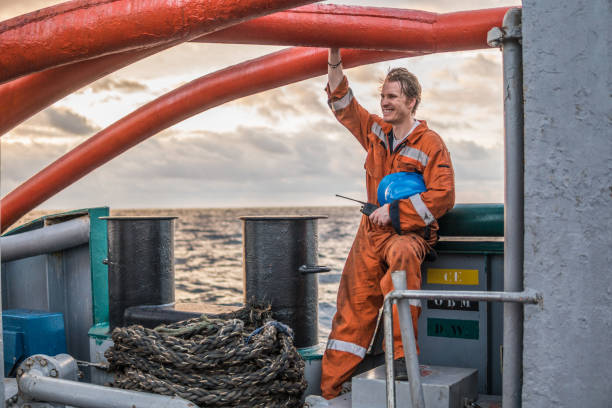
Overview
A Marine & Fisheries Technician is a skilled professional responsible for supporting the sustainable management, cultivation, and harvesting of aquatic resources, including fish, shellfish, and other marine life, in both natural and controlled environments. This role involves tasks such as fish farming (aquaculture), monitoring water quality, maintaining fishing equipment, and ensuring compliance with environmental and safety regulations. In India, with its vast coastline, extensive river systems, and growing aquaculture industry, the demand for trained marine and fisheries technicians is increasing, driven by the need for food security, export potential, and sustainable practices. This vocational career offers accessible entry points, opportunities for rural and coastal employment, and the chance to contribute to economic and environmental goals. This detailed guide provides the latest information (based on trends up to the most recent data, projected to the current year of 2025) on job roles, education, salary, and prospects within India for this vocational career.
Roles and Responsibilities
a) Aquaculture and Fish Farming Responsibilities:
- Assist in the breeding, rearing, and harvesting of fish, shrimp, crabs, or other aquatic species in ponds, tanks, or coastal farms.
- Monitor water quality parameters such as pH, salinity, temperature, and oxygen levels to ensure optimal conditions for aquatic life.
- Prepare and administer feed, ensuring a balanced diet to promote healthy growth and maximize yield.
- Identify and manage diseases or parasites in fish populations, coordinating with veterinarians or specialists for treatment.
- Maintain aquaculture infrastructure, including nets, cages, pumps, and filtration systems, to prevent operational disruptions.
b) Fisheries and Harvesting Responsibilities:
- Support fishing operations by preparing and maintaining fishing gear such as nets, traps, and lines for use in rivers, lakes, or marine environments.
- Assist in the capture, sorting, and storage of fish or seafood, ensuring minimal damage and adherence to quality standards.
- Operate small boats or assist in navigation during fishing expeditions, following safety protocols in coastal or deep-sea settings.
- Record data on catch volumes, species, and environmental conditions to support sustainable fishery management.
- Process and preserve harvested seafood through cleaning, icing, or freezing to maintain freshness for market delivery.
c) Compliance and Support Responsibilities:
- Ensure compliance with environmental regulations, fishing quotas, and aquaculture standards set by government bodies like the Department of Fisheries.
- Participate in conservation efforts, such as restocking fish populations or protecting endangered aquatic species in natural habitats.
- Educate local fishermen or farmers on sustainable practices, modern aquaculture techniques, and safety measures.
- Collaborate with research teams or government agencies to monitor fish stocks, assess ecosystem health, or implement breeding programs.
- Stay updated on market trends, technological advancements, and government schemes to improve productivity and sustainability.
Study Route & Eligibility Criteria
Marine & Fisheries Technician Study Route & Eligibility Criteria
Study route information is not available for this career.
Marine & Fisheries Technician
Professional