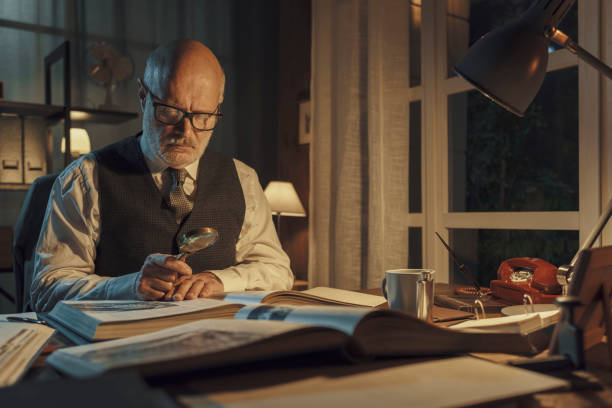
Academic Writer
Academic Writer (Entry to Mid-Level)
Explore Career
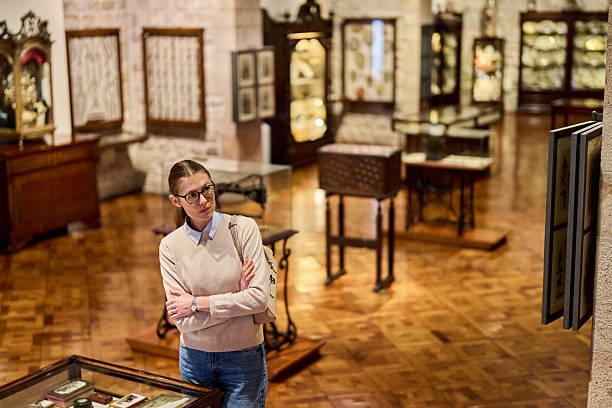
A Museum Curator is a professional dedicated to managing, preserving, and interpreting collections of artifacts, artworks, and historical objects in museums, ensuring their cultural, educational, and historical value is communicated to the public. They work in public and private museums, art galleries, cultural institutions, government heritage departments, and academic settings, collaborating with historians, conservators, educators, and exhibition designers. Museum Curators play a critical role in preserving cultural heritage and fostering public engagement in a world increasingly focused on education through cultural narratives, digital accessibility, and heritage tourism.
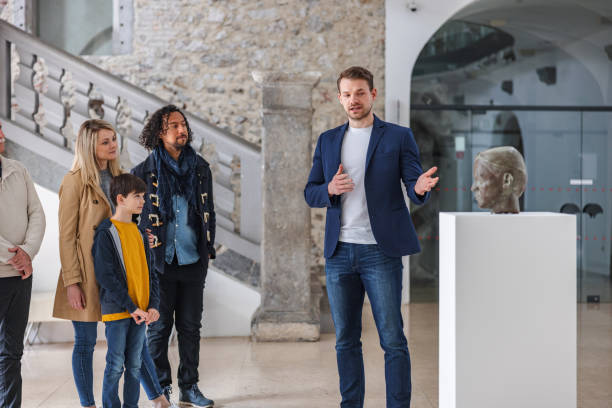
Museum Curators are experts in art history, archaeology, or cultural studies, responsible for acquiring, cataloging, and displaying collections while designing exhibitions that educate and inspire visitors about history, art, or science. Their role involves research, collection management, and public outreach, often working in diverse settings such as museum galleries, research libraries, or community events. They combine expertise in historical context, conservation principles, and storytelling to address issues like cultural misrepresentation, artifact preservation, and public accessibility. As key contributors to cultural education, they help bridge the past and present in an era prioritizing cultural preservation, inclusive narratives, and digital museum experiences.
| Route | Steps |
| Route 1 | 1. 10+2 with Arts, History, or relevant subjects. 2. Bachelor’s degree in History, Art History, Archaeology, or Museology (3-4 years). 3. Gain practical experience through internships or training in museums or cultural institutions (3-6 months). 4. Pursue entry-level roles like Curatorial Assistant or Museum Intern (1-2 years). |
| Route 2 | 1. 10+2 with Arts or relevant subjects. 2. Bachelor’s degree in Fine Arts, Anthropology, or Cultural Studies (3-4 years). 3. Master’s degree in Museology, Art History, or Heritage Management (2 years, optional). 4. Work in museum documentation or exhibition support roles to gain experience (1-2 years). 5. Transition to Museum Curator roles with enhanced skills and knowledge. |
| Route 3 | 1. 10+2 with Arts or relevant subjects. 2. Bachelor’s degree in History, Archaeology, or related field (3-4 years). 3. Pursue professional certifications like Certificate in Museum Studies or Curatorial Practices (1-2 years). 4. Gain hands-on experience through roles in artifact cataloging or exhibition planning (1-2 years). 5. Establish a career as a Museum Curator in museums or cultural institutions. |
| Route 4 | 1. 10+2 with Arts or relevant subjects. 2. Bachelor’s degree from India in Art History, Museology, or related field (3-4 years). 3. Pursue international certifications or advanced degrees in museum studies abroad (1-2 years). 4. Gain exposure through roles in global museum projects or international cultural organizations (1-2 years). 5. Work as a Museum Curator in international markets or global cultural institutions. |
| Institute | Course/Program | Official Link |
| National Museum Institute of History of Art, Conservation and Museology, New Delhi | MA in Museology/Art History | https://nmi.gov.in/ |
| Jawaharlal Nehru University (JNU), New Delhi | MA in Arts and Aesthetics | https://www.jnu.ac.in/ |
| Banaras Hindu University (BHU), Varanasi | MA in Museology/Art History | https://www.bhu.ac.in/ |
| University of Calcutta, Kolkata | MA in Museology | https://www.caluniv.ac.in/ |
| Maharaja Sayajirao University of Baroda, Vadodara | MA in Museology | https://www.msubaroda.ac.in/ |
| Deccan College Post-Graduate and Research Institute, Pune | MA in Archaeology and Heritage Management | https://www.deccancollegepune.ac.in/ |
| University of Mumbai, Mumbai | MA in Ancient Indian History and Archaeology | https://mu.ac.in/ |
| Aligarh Muslim University (AMU), Aligarh | MA in Museology | https://www.amu.ac.in/ |
| Amity University, Noida | MA in Heritage Management | https://www.amity.edu/ |
| Christ University, Bangalore | MA in Cultural Studies | https://www.christuniversity.in/ |
| Institution | Course | Country | Official Link |
| University College London (UCL) | MA in Museum Studies | UK | https://www.ucl.ac.uk/ |
| Harvard University | MA in Museum Studies | USA | https://www.harvard.edu/ |
| University of Leicester | MA in Museum Studies | UK | https://www.le.ac.uk/ |
| New York University (NYU) | MA in Museum Studies | USA | https://www.nyu.edu/ |
| University of Sydney | Master of Museum and Heritage Studies | Australia | https://www.sydney.edu.au/ |
| University of British Columbia | MA in Anthropology (Museum Focus) | Canada | https://www.ubc.ca/ |
| University of Amsterdam | MA in Heritage and Memory Studies | Netherlands | https://www.uva.nl/ |
| Sorbonne University | Master in Museology and Cultural Heritage | France | https://www.sorbonne-universite.fr/ |
| University of Copenhagen | MA in Cultural Heritage Studies | Denmark | https://www.ku.dk/ |
| National University of Singapore (NUS) | MA in Cultural Studies (Heritage Focus) | Singapore | https://www.nus.edu.sg/ |
India:
International:
Museum Intern → Curatorial Assistant → Assistant Curator → Museum Curator → Senior Curator → Museum Director → Cultural Heritage Consultant → Academician/Researcher
| India | International |
| National Museum, New Delhi | The British Museum, UK |
| Indian Museum, Kolkata | The Metropolitan Museum of Art (The Met), USA |
| Chhatrapati Shivaji Maharaj Vastu Sangrahalaya, Mumbai | The Louvre Museum, France |
| Salar Jung Museum, Hyderabad | Smithsonian Institution, USA |
| National Gallery of Modern Art (NGMA), Delhi | Victoria and Albert Museum (V&A), UK |
| Victoria Memorial Hall, Kolkata | Museum of Modern Art (MoMA), USA |
| Ministry of Culture, Government of India | International Council of Museums (ICOM), Global |
| Archaeological Survey of India (ASI) | Getty Research Institute, USA |
| Indian National Trust for Art and Cultural Heritage (INTACH) | Rijksmuseum, Netherlands |
| Nehru Memorial Museum & Library, New Delhi | Guggenheim Museum, USA |
| Pros | Cons |
| Direct impact on preserving and sharing cultural heritage with diverse audiences | High-pressure role due to managing irreplaceable artifacts and tight exhibition deadlines |
| Growing demand due to increasing focus on heritage tourism and cultural education | Challenges in securing funding for exhibitions or conservation projects |
| Opportunity to contribute to historical understanding and public cultural awareness | Emotional stress from handling sensitive cultural or repatriation issues |
| Varied career paths in museums, galleries, research, and international projects | Limited career advancement opportunities in smaller or underfunded institutions |
| Potential for societal change through inclusive storytelling and cultural preservation | Need for constant updates on evolving museum technologies and ethical standards |
| Career Level | India (₹ per annum) | International (USD per annum) |
| Museum Intern (Early Career) | 2,00,000 - 3,50,000 | 30,000 - 45,000 |
| Curatorial Assistant (Mid-Career) | 3,50,000 - 6,00,000 | 45,000 - 60,000 |
| Assistant Curator | 6,00,000 - 9,00,000 | 60,000 - 75,000 |
| Museum Curator | 9,00,000 - 13,00,000 | 75,000 - 90,000 |
| Senior Curator/Museum Director/Cultural Heritage Consultant/Academician/Researcher | 13,00,000 - 18,00,000 | 90,000 - 120,000+ |
Note: Salaries may vary based on location, employer, experience, and specialization. Indian figures are updated estimates based on current industry trends, government pay scales (e.g., for roles in national museums), and private sector data as of 2025, reflecting inflation and demand growth in the cultural sector. International figures are based on data from the U.S., UK, and Europe as of 2025, adjusted for market trends in museum curation roles, sourced from industry reports and salary surveys like Glassdoor and PayScale. Due to the speculative nature of future data, these are approximations and may differ based on real-time economic factors.
A career as a Museum Curator offers a unique opportunity to contribute to cultural preservation and public education by managing and interpreting collections that connect past and present across diverse contexts. From curating exhibitions to fostering community engagement, Museum Curators play a pivotal role in modern cultural stewardship and historical storytelling. This field combines expertise in history, art, and a commitment to societal and cultural well-being, offering diverse paths in museums, galleries, research, and international projects. For those passionate about preserving heritage, adapting to global cultural challenges, and addressing critical educational needs in an era of increasing cultural urgency, a career as a Museum Curator provides an intellectually stimulating and professionally rewarding journey with the potential to make significant contributions to society by advancing cultural understanding and historical progress worldwide.

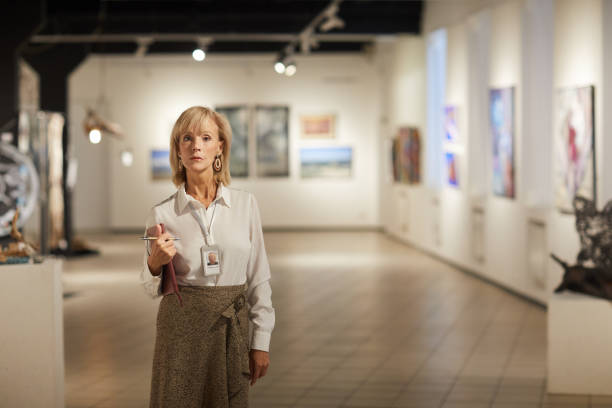
Mid-level professionals support research, artifact handling, and exhibition preparation, working in museums like the Indian Museum, Kolkata, or...
0.0LPA
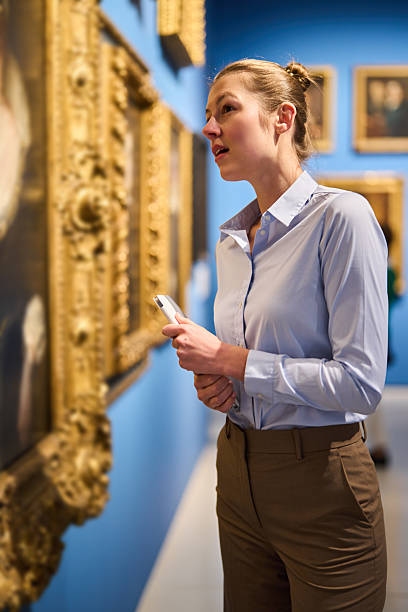
Professionals manage smaller collections or exhibitions, assist senior curators, and engage in public outreach, employed by entities like...
0.0LPA
Experienced curators lead exhibition design, manage significant collections, and develop educational programs in major institutions like the Salar...
0.0LPA
Take the next step and explore more about Museum Curator.
Explore similar career paths that might interest you