
Music Director

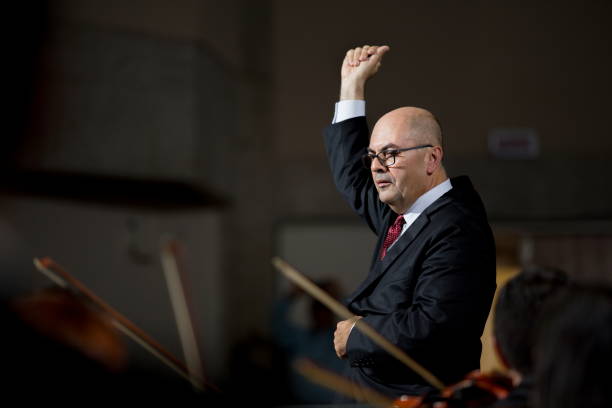
A Music Director is a skilled professional who oversees the creation, arrangement, and production of music for films, theater, television, or live performances. They work in studios, production houses, and performance venues, collaborating with composers, musicians, and filmmakers. Music Directors play a crucial role in the entertainment industry by shaping the auditory identity of projects, in an era where music and media intersect to evoke emotions and enhance storytelling across diverse platforms.
Share :
Career tree mind map (horizontal) — Music Director
Colored branches, hub circles, and underlined topics — same style as counselor course classic (types 18–19 in admin).
Loading mind map…

Overview

A Music Director is a skilled professional who oversees the creation, arrangement, and production of music for films, theater, television, or live performances. They work in studios, production houses, and performance venues, collaborating with composers, musicians, and filmmakers. Music Directors play a crucial role in the entertainment industry by shaping the auditory identity of projects, in an era where music and media intersect to evoke emotions and enhance storytelling across diverse platforms.

Music Directors are creative leaders responsible for conceptualizing, composing, and supervising the musical elements of a production to align with its vision and narrative. Their role includes composing original scores, selecting songs, directing musicians, and ensuring the music complements the visual or performance medium. They combine artistic vision with technical expertise, often working in high-pressure and collaborative environments to deliver impactful soundscapes. As key contributors to modern entertainment, they drive emotional resonance in a landscape increasingly reliant on music to captivate global audiences.


Roles and Responsibilities

💼
Music Director
Roles and Responsibilities
Music Conceptualization
Develop musical themes or scores that align with the story, mood, or genre of a production.
Collaborate with directors and producers to understand the creative vision and emotional tone.
Composition and Arrangement
Compose original music or adapt existing pieces for films, shows, or live events.
Arrange melodies, harmonies, and instrumentation to create a cohesive sound.
Musician Direction
Conduct orchestras, bands, or vocalists during recording sessions or live performances.
Guide musicians on tempo, dynamics, and expression to achieve the desired sound.
Sound Design
Work with sound engineers to integrate music with dialogue, sound effects, and visuals.
Oversee mixing and mastering to ensure high-quality audio output.
Project Collaboration
Coordinate with lyricists, singers, and other creatives to produce songs or background scores.
Align music timelines with production schedules to meet deadlines.
Music Selection
Choose pre-existing tracks or create playlists for specific scenes or events when original composition isn’t required.
Ensure selected music fits cultural, thematic, and legal requirements.
Budget and Resource Management
Manage budgets for hiring musicians, renting studios, or licensing music.
Optimize resources while maintaining the quality of musical output.
Audience Engagement
Create music that resonates with target audiences to enhance emotional impact.
Build a signature style to establish a recognizable presence in the industry.

Roles and Responsibilities

  • Music Conceptualization
    • Develop musical themes or scores that align with the story, mood, or genre of a production.
    • Collaborate with directors and producers to understand the creative vision and emotional tone.
  • Composition and Arrangement
    • Compose original music or adapt existing pieces for films, shows, or live events.
    • Arrange melodies, harmonies, and instrumentation to create a cohesive sound.
  • Musician Direction
    • Conduct orchestras, bands, or vocalists during recording sessions or live performances.
    • Guide musicians on tempo, dynamics, and expression to achieve the desired sound.
  • Sound Design
    • Work with sound engineers to integrate music with dialogue, sound effects, and visuals.
    • Oversee mixing and mastering to ensure high-quality audio output.
  • Project Collaboration
    • Coordinate with lyricists, singers, and other creatives to produce songs or background scores.
    • Align music timelines with production schedules to meet deadlines.
  • Music Selection
    • Choose pre-existing tracks or create playlists for specific scenes or events when original composition isn’t required.
    • Ensure selected music fits cultural, thematic, and legal requirements.
  • Budget and Resource Management
    • Manage budgets for hiring musicians, renting studios, or licensing music.
    • Optimize resources while maintaining the quality of musical output.
  • Audience Engagement
    • Create music that resonates with target audiences to enhance emotional impact.
    • Build a signature style to establish a recognizable presence in the industry.

Study Route & Eligibility Criteria

Study Route & Eligibility Criteria
Music Director
Route 1
🎓
1
Basic education
📚
2
Short-term music composition courses or workshops
3-6 months
💼
3
Practical training or assistant roles
💼
4
Work as Music Director
Route 2
🎓
1
Basic education
🎓
2
Diploma in Music Production or Sound Engineering
1-2 years
💼
3
Hands-on experience in studios or projects
💼
4
Work as Music Director
Route 3
🎓
1
Basic education
🏛️
2
Bachelor’s degree in Music, Film Scoring, or Performing Arts
3-4 years
💼
3
Internship with composers or production houses
💼
4
Work as Music Director
Route 4
🎓
1
Basic education
🏛️
2
Master’s degree or advanced certification in Music Composition or Film Scoring
1-2 years
💼
3
Build portfolio and network internationally
💼
4
Work abroad or in India
🎯 Music Director - Professional

Significant Observations (Academic Related Points)

💡
Music Director
Academic Related Points
1
Musical Foundation:
Knowledge of music theory, composition, and instrumentation is essential for professional output.
2
Practical Skills:
Hands-on training with recording equipment and software develops core competencies in production.
3
Specialized Training:
Certifications in film scoring or digital audio workstations offer niche expertise.
4
Creative Awareness:
Understanding storytelling and audience emotions is vital for impactful music creation.
5
Interdisciplinary Knowledge:
Familiarity with film production and sound design improves career outcomes.
6
Certification Importance:
Recognition from reputed music schools or platforms can boost credibility.
7
Continuing Education:
Regular workshops are necessary to stay updated on music technology and trends.
8
Global Standards:
Exposure to international music styles enhances opportunities for global projects.
9
Attention to Detail:
Precision in composition and synchronization with visuals is critical for seamless integration.
10
Entrance Examination Success:
Certain programs may require auditions or portfolio submissions for admission.
11
International Opportunities:
For global careers, certifications from platforms like Berklee may be beneficial.

Internships & Practical Exposure

💼
Music Director
Internships & Practical Experience
1
Mandatory practical training during certificate or degree programs in music studios or film projects.
2
Rotations in production houses or theatre companies for hands-on experience with live projects.
3
Apprenticeships under established music directors for exposure to real-time composition techniques.
4
Observerships in recording studios for experience in music production and mixing.
5
Participation in student films or local theatre productions for practical skill development.
6
Training in collaboration and project management through real-world assignments and mock productions.
7
Exposure to high-stakes scenarios during internships at major film or music production companies.
8
Creative projects on composing original scores or soundtracks during training.
9
Community outreach initiatives for creating music for local events or charity functions.
10
International music residency programs for global exposure to composition practices.

Courses & Specializations to Enter the Field

📚
Music Director
Courses & Specializations
📖
Certificate in Music Composition and Arrangement
📖
Diploma in Sound Engineering or Music Production
📖
Bachelor’s in Music Technology or Film Scoring
📖
Master’s in Music Composition or Media Arts
📖
Training in Orchestration and Conducting
📖
Specialization in Film and Television Scoring
📖
Certification in Background Music Design
📖
Workshops on Digital Audio Workstations (DAWs)
📖
Training in Live Performance Sound Management
📖
Certification in Music Licensing and Copyright

Prominent Employers

🏢
Music Director
🌟 Top Companies & Organizations
🇮🇳 India
🏛️
Yash Raj Films, Mumbai
🏛️
Dharma Productions, Mumbai
🏛️
T-Series, Delhi
🏛️
Eros International, Mumbai
🏛️
Zee Music Company, Mumbai
🏛️
Saregama India Ltd., Kolkata
🏛️
Red Chillies Entertainment, Mumbai
🏛️
Balaji Telefilms, Mumbai
🏛️
Vishesh Films, Mumbai
🏛️
A.R. Rahman’s Studio, Chennai
🌍 International
🌐
Warner Bros. Entertainment, USA
🌐
Universal Music Group, USA
🌐
Sony Pictures Entertainment, USA
🌐
Disney Music Group, USA
🌐
Paramount Pictures, USA
🌐
Netflix Originals, USA
🌐
BBC Studios, UK
🌐
Hans Zimmer’s Remote Control Productions, USA
🌐
Spotify Original Content, Sweden
🌐
DreamWorks Animation, USA

Advice for Aspiring Music Directors

💡
Music Director
🌟 Tips for Students & Parents
1
Build a strong foundation in music theory and composition by starting with formal or informal training early on.
2
Seek early exposure to local bands, theater groups, or short film projects to confirm interest in the field.
3
Prepare thoroughly for auditions or portfolio submissions required by music schools or production houses for recognition.
4
Pursue advanced certifications in music production or specific software to gain technical expertise.
5
Stay updated on music trends and technology advancements by following industry leaders and attending workshops.
6
Develop hands-on skills in composition and sound design through regular practice and collaborative projects.
7
Engage in local music events or online platforms to build real-world production experience.
8
Join professional associations like the Indian Music Industry (IMI) for networking and resources.
9
Work on precision and attention to detail to ensure flawless integration of music with media.
10
Explore international music residencies or online platforms for exposure to diverse styles and standards.
11
Volunteer at community events or student films to understand project dynamics and build a portfolio.
12
Cultivate patience and adaptability to handle creative differences and tight production schedules.
13
Attend continuing education programs to stay abreast of evolving music software and composition techniques.
14
Build a network with filmmakers, producers, and fellow musicians for collaborative project opportunities.
15
Develop resilience to manage long hours, rejections, and competitive booking environments.
16
Balance creative work with continuous learning to adapt to evolving trends in music and media technology.
🎓 Final Message
A career as a Music Director offers a unique opportunity to contribute to the entertainment industry and captivate audiences by delivering powerful musical experiences that blend creativity with storytelling. From crafting unforgettable soundtracks for films to collaborating with artists in dynamic production environments, Music Directors play a pivotal role in shaping modern media culture. This field combines artistic innovation, technical mastery, and a commitment to emotional resonance, offering diverse paths in film scoring, live performance, and music production. For those passionate about advancing music as a universal language, creating memorable experiences through sound, and addressing the growing demand for impactful entertainment in an era of digital connectivity and cultural exchange, a career as a Music Director provides an intellectually stimulating and professionally rewarding journey with the potential to make significant contributions to society by enhancing the power of music and uniting diverse audiences worldwide.
Knowledge & Skills You Will Learn
1
Rising demand for Music Directors with skills in multi-genre composition and original content creation globally.
Assistant Music Director

Assistant Music Director

Early-career professionals assist in music arrangement and production with increasing autonomy. They hone skills in composition and collaboration....

0.0LPA

Independent Music Director

Independent Music Director

Experienced professionals manage music for smaller films or theater productions with high accuracy during diverse projects. They offer expertise...

0.0LPA
Music Producer

Music Producer

Senior professionals supervise the creation of soundtracks or albums, ensuring creative excellence. They provide leadership by establishing...

0.0LPA

Interested in this career?

Take the next step and explore more about Music Director.