
Aerospace Engineer
Junior Aerospace Engineer (Entry to Mid-Level)
Explore Career
A Naval-Architecture Engineer specializes in the design, construction, and maintenance of ships, boats, submarines, and other marine vessels. They apply principles of engineering, hydrodynamics, and materials science to ensure vessels are safe, efficient, and seaworthy. Naval Architects play a critical role in advancing marine transportation, defence, offshore structures, and marine renewable energy sectors.

Naval-Architecture Engineers design the form, structure, and systems of marine vessels to meet performance, safety, and environmental standards. They conduct stability and hydrodynamic analyses, select materials, and oversee the construction and repair of ships and offshore platforms. Their work involves collaboration with marine engineers, shipbuilders, and regulatory authorities. Naval Architects also focus on improving fuel efficiency, reducing emissions, and integrating new technologies such as automation and advanced propulsion systems. Their expertise supports industries including commercial shipping, defence, offshore energy, and recreational boating.
| Route | Steps |
|---|---|
| Route 1: Bachelor’s in Naval Architecture and Marine Engineering | 1. Complete a Bachelor’s degree in Naval Architecture and Marine Engineering. 2. Pursue internships or cooperative education in shipyards or marine design offices. 3. Gain practical experience in ship design, construction, or repair. 4. Seek employment in naval architecture or marine engineering roles or pursue advanced studies. |
| Route 2: Mechanical / Ocean Engineering + Marine Specialization | 1. Obtain a degree in Mechanical or Ocean Engineering. 2. Specialize in marine systems and naval architecture through electives or postgraduate studies. 3. Participate in marine design and research projects. 4. Transition into naval architecture roles. |
| Route 3: Marine Engineering + Naval Architecture Training | 1. Earn a degree in Marine Engineering. 2. Gain naval architecture knowledge through specialized courses or certifications. 3. Acquire experience in ship systems and structural design. 4. Work in shipbuilding or marine design industries. |
| Route 4: Civil Engineering + Offshore Structures Focus | 1. Complete a degree in Civil Engineering. 2. Specialize in offshore structures and marine construction. 3. Gain exposure to marine environment challenges. 4. Work in offshore engineering or naval architecture firms. |
| Institute | Course / Program | Official Link |
|---|---|---|
| Indian Institute of Technology (IIT) Madras | Naval Architecture and Ocean Engineering | https://www.iitm.ac.in/ |
| Indian Maritime University (IMU) | Naval Architecture and Marine Engineering | https://www.imu.edu.in/ |
| Cochin University of Science and Technology (CUSAT) | Naval Architecture and Ship Building | https://www.cusat.ac.in/ |
| National Institute of Technology (NIT) Trichy | Naval Architecture | https://www.nitt.edu/ |
International
| Institution | Course | Country | Official Link |
|---|---|---|---|
| Massachusetts Institute of Technology (MIT) | Ocean Engineering and Naval Architecture | USA | https://mit.edu/ |
| University of Southampton | Naval Architecture and Marine Engineering | UK | https://www.southampton.ac.uk/ |
| Delft University of Technology | Maritime and Naval Architecture Engineering | Netherlands | https://www.tudelft.nl/ |
| University of Strathclyde | Naval Architecture and Marine Engineering | UK | https://www.strath.ac.uk/ |
| Tokyo University of Marine Science and Technology | Naval Architecture | Japan | https://www.tums.ac.jp/ |
| University of Newcastle | Naval Architecture and Marine Engineering | Australia | https://www.newcastle.edu.au/ |
| Chalmers University of Technology | Naval Architecture | Sweden | https://www.chalmers.se/ |
| Norwegian University of Science and Technology (NTNU) | Marine Technology | Norway | https://www.ntnu.edu/ |
| Korea Maritime and Ocean University | Naval Architecture | South Korea | https://www.kmou.ac.kr/ |
| Shanghai Jiao Tong University | Naval Architecture and Ocean Engineering | China | https://en.sjtu.edu.cn/ |
India
International
Undergraduate Student → Graduate Student (MSc/PhD) → Junior Naval Architect / Design Engineer → Naval Architect → Senior Naval Architect / Project Manager → Shipyard Manager / Offshore Engineering Manager → Director of Naval Architecture / Chief Marine Engineer
| India | International |
|---|---|
| Cochin Shipyard Limited | Huntington Ingalls Industries |
| Mazagon Dock Shipbuilders Limited | BAE Systems Marine |
| Garden Reach Shipbuilders & Engineers | Rolls-Royce Marine |
| Larsen & Toubro (L&T) Shipbuilding | Damen Shipyards Group |
| Indian Navy & Coast Guard | Hyundai Heavy Industries |
| Indian Register of Shipping | Fincantieri |
| Shipping Corporation of India | Wärtsilä Corporation |
| Reliance Industries (Offshore Division) | STX Offshore & Shipbuilding |
| Tata Projects (Marine Division) | Kongsberg Gruppen |
| Indian Maritime University | General Dynamics NASSCO |
| Pros | Cons |
|---|---|
| Opportunity to work on cutting-edge marine technology and large-scale projects | Work can involve tight deadlines and high-pressure environments |
| Contribution to global shipping, defence, and offshore energy sectors | Shipbuilding and repair sites may have physically demanding conditions |
| High demand for skilled naval architects globally | Requires continuous learning to keep up with evolving marine technologies |
| Involvement in sustainable and environmentally friendly marine design | International travel and relocation may be required |
| Blend of creative design and technical engineering work | Regulatory compliance can be complex and stringent |
| Potential for career growth in design, management, and research | Coordination with multiple stakeholders can be challenging |
| Career Level | India (₹ per annum) | International (US$ per annum) |
|---|---|---|
| Entry-Level Naval Architect | 4,00,000 - 8,00,000 | $60,000 - $85,000 |
| Mid-Level Naval Architect | 8,00,000 - 18,00,000 | $85,000 - $120,000 |
| Senior Naval Architect / Project Manager | 18,00,000 - 35,00,000 | $120,000 - $170,000 |
| Director of Naval Architecture / Chief Marine Engineer | 35,00,000 - 60,00,000+ | $170,000 - $230,000+ |
A career as a Naval-Architecture Engineer offers the opportunity to shape the future of marine transportation, defence, and offshore industries. By combining engineering principles with creativity and environmental stewardship, naval architects design vessels and structures that are safe, efficient, and sustainable. For those passionate about the sea, technology, and innovation, naval architecture provides a rewarding and dynamic career path with strong global demand.

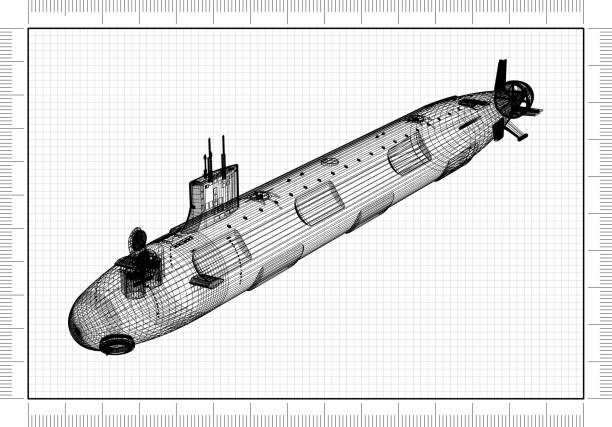
Naval Architects design and develop the hulls and structures of ships, submarines, and offshore vessels. They ensure vessels meet safety,...
0.0LPA
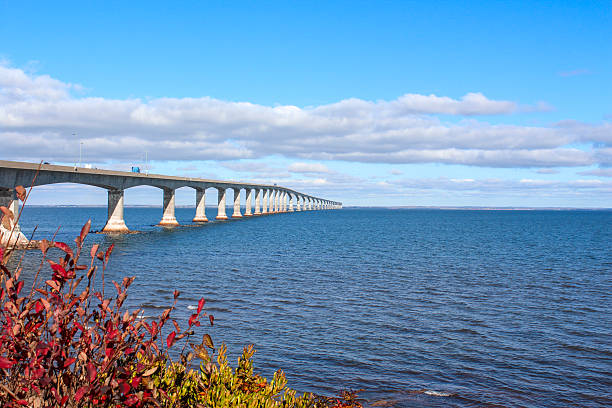
Marine Structural Engineers focus on the strength and integrity of marine structures. They analyze stresses, fatigue, and corrosion in hulls and...
0.0LPA
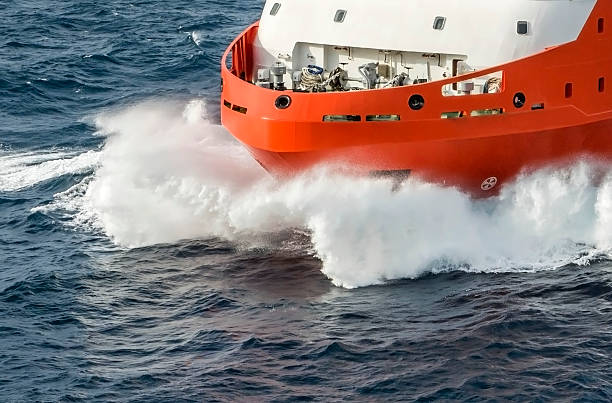
Hydrodynamics Specialists study fluid flow around vessels to optimize hull shapes for reduced resistance and improved maneuverability. They use...
0.0LPA
Take the next step and explore more about Naval-Architecture Engineer.
Explore similar career paths that might interest you