Singer

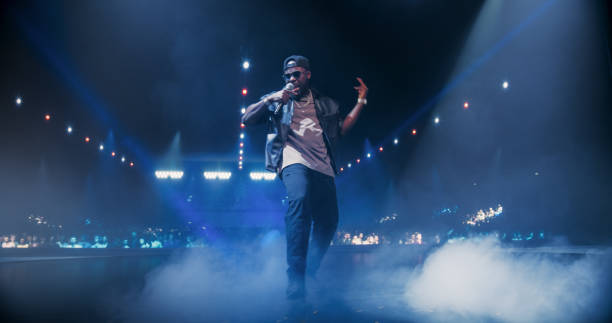
A Singer is a creative professional who performs vocal music across various genres, using their voice as an instrument to entertain, inspire, or evoke emotions in audiences through live performances, recordings, or media projects. They operate within the entertainment, media, and cultural industries, collaborating with musicians, producers, composers, and directors to create impactful auditory experiences. Singers play a crucial role in cultural expression and emotional storytelling in an era where global music platforms, diverse genres, and digital innovation drive the need for captivating vocal performances.

Share :
Career tree mind map (horizontal) — Singer
Colored branches, hub circles, and underlined topics — same style as counselor course classic (types 18–19 in admin).
Loading mind map…

Overview

A Singer is a creative professional who performs vocal music across various genres, using their voice as an instrument to entertain, inspire, or evoke emotions in audiences through live performances, recordings, or media projects. They operate within the entertainment, media, and cultural industries, collaborating with musicians, producers, composers, and directors to create impactful auditory experiences. Singers play a crucial role in cultural expression and emotional storytelling in an era where global music platforms, diverse genres, and digital innovation drive the need for captivating vocal performances.

Singers are artistically skilled and vocally proficient individuals tasked with delivering music that resonates with listeners, whether through live shows, studio recordings, or contributions to films and other media. Their role includes mastering vocal techniques, interpreting songs with emotion, and adapting to various musical styles or creative visions. They combine expertise in pitch, tone, and emotional delivery, working in diverse environments to bring songs to life. As key contributors to the entertainment industry, Singers drive cultural influence in a landscape increasingly focused on streaming platforms, inclusivity, and innovative sound production.

Roles and Responsibilities

💼
Singer
Roles and Responsibilities
Song Performance and Interpretation
Perform songs live at concerts, events, or festivals to engage and entertain audiences.
Interpret lyrics and melodies to convey emotions or narratives effectively.
Studio Recording
Record vocals for albums, singles, or collaborative projects in professional studios.
Work with sound engineers to ensure high-quality audio output through multiple takes.
Vocal Training and Maintenance
Practice and refine vocal skills through regular exercises, warm-ups, and coaching.
Maintain vocal health by following proper techniques, hydration, and rest.
Collaboration with Creative Teams
Work with composers, lyricists, and producers to create or adapt songs.
Incorporate feedback from directors or bandmates to align with artistic goals.
Rehearsal and Preparation
Dedicate time to rehearsals for live performances, recordings, or theatrical productions.
Prepare setlists or vocal arrangements to ensure seamless and impactful delivery.
Genre and Style Adaptation
Adapt vocal style to suit different genres like pop, classical, jazz, or folk.
Experiment with vocal techniques to develop a unique sound or signature.
Public Engagement and Promotion
Build a fanbase through social media, music videos, or live interactions.
Participate in interviews, music festivals, or promotional events to increase visibility.
Auditioning and Networking
Attend auditions to secure roles in bands, musicals, or commercial projects.
Network with industry professionals like managers or record labels for career opportunities.

Roles and Responsibilities

  • Song Performance and Interpretation
    • Perform songs live at concerts, events, or festivals to engage and entertain audiences.
    • Interpret lyrics and melodies to convey emotions or narratives effectively.
  • Studio Recording
    • Record vocals for albums, singles, or collaborative projects in professional studios.
    • Work with sound engineers to ensure high-quality audio output through multiple takes.
  • Vocal Training and Maintenance
    • Practice and refine vocal skills through regular exercises, warm-ups, and coaching.
    • Maintain vocal health by following proper techniques, hydration, and rest.
  • Collaboration with Creative Teams
    • Work with composers, lyricists, and producers to create or adapt songs.
    • Incorporate feedback from directors or bandmates to align with artistic goals.
  • Rehearsal and Preparation
    • Dedicate time to rehearsals for live performances, recordings, or theatrical productions.
    • Prepare setlists or vocal arrangements to ensure seamless and impactful delivery.
  • Genre and Style Adaptation
    • Adapt vocal style to suit different genres like pop, classical, jazz, or folk.
    • Experiment with vocal techniques to develop a unique sound or signature.
  • Public Engagement and Promotion
    • Build a fanbase through social media, music videos, or live interactions.
    • Participate in interviews, music festivals, or promotional events to increase visibility.
  • Auditioning and Networking
    • Attend auditions to secure roles in bands, musicals, or commercial projects.
    • Network with industry professionals like managers or record labels for career opportunities.

Study Route & Eligibility Criteria

Study Route & Eligibility Criteria
Singer
Route 1
🎓
1
10+2 in any stream
Route 2
🎓
1
10+2 in any stream
Route 3
🎓
1
10+2 in any stream
Route 4
🎓
1
10+2 in any stream
🎯 Singer - Professional

Significant Observations (Academic Related Points)

💡
Singer
Academic Related Points
1
Vocal Foundation
Strong understanding of pitch, tone, and vocal control is essential for Singers.
2
Creative Mindset
A focus on emotional expression and originality is critical for success.
3
Specialized Training
Courses in specific vocal styles or music theory offer niche expertise.
4
Cultural Awareness
Understanding diverse musical traditions improves versatility.
5
Interdisciplinary Knowledge
Familiarity with theater, film, or production enhances collaboration.
6
Certification Importance
Recognized training or degrees can boost credibility in competitive markets.
7
Continuing Education
Regular workshops on new vocal trends are necessary to stay relevant.
8
Global Standards
Exposure to international singing styles enhances career prospects.
9
Attention to Detail
Precision in vocal delivery and performance is critical for impact.
10
Audition Preparation
Competitive opportunities often require polished skills and confidence.
11
International Opportunities
Language proficiency or cross-cultural training may be needed for global roles.

Internships & Practical Exposure

💼
Singer
Internships & Practical Experience
1
Participation in local choirs or performance groups during or after academic programs for hands-on experience.
2
Involvement in student-led music projects or community events for practical exposure to live singing.
3
Assisting in professional studios or with established singers for real-world industry insights.
4
Observerships with vocal coaches or producers for advanced learning and mentorship.
5
Participation in singing competitions or festivals for skill development and visibility.
6
Training through collaborative projects like film playback or theater musicals for diverse genre exposure.
7
Exposure to industry-standard practices like recording with professional microphones or performing live.
8
Project-based learning focusing on varied styles like classical, pop, or devotional singing.
9
Community music initiatives or cultural events to build performance confidence and audience interaction.
10
International singing workshops or online courses for exposure to global vocal trends.

Courses & Specializations to Enter the Field

📚
Singer
Courses & Specializations
📖
Certificate in Vocal Performance.
📖
Diploma in Music with Vocal Training.
📖
Bachelor of Performing Arts (BPA) with Vocal focus.
📖
Master of Fine Arts (MFA) in Music with Vocal emphasis.
📖
Specialization in Classical Singing (e.g., Hindustani, Carnatic, Western Opera).
📖
Certification in Contemporary Singing (e.g., Pop, Rock, Jazz).
📖
Training in Playback Singing for Film and Media.
📖
Workshops on Vocal Health and Technique.
📖
Short Courses in Music Theory for Singers.
📖
Advanced Training in Live Vocal Performance.

Prominent Employers

🏢
Singer
🌟 Top Companies & Organizations
🇮🇳 India
🏛️
T-Series
🏛️
Sony Music India
🏛️
Zee Music Company
🏛️
Saregama India
🏛️
Yash Raj Films (YRF Music)
🏛️
Eros Now Music
🏛️
Times Music
🏛️
HMV India
🏛️
Venus Records & Tapes
🏛️
Tips Industries
🌍 International
🌐
Universal Music Group, USA
🌐
Sony Music Entertainment, USA
🌐
Warner Music Group, USA
🌐
EMI Music, UK
🌐
Atlantic Records, USA
🌐
Capitol Records, USA
🌐
Def Jam Recordings, USA
🌐
Island Records, UK
🌐
RCA Records, USA
🌐
Spotify, Global

Advice for Aspiring Singers

💡
Singer
🌟 Tips for Students & Parents
1
Build a strong foundation in vocal techniques and music theory to handle diverse performance challenges.
2
Seek early exposure to local events or choirs to confirm interest in a singing career.
3
Prepare thoroughly for auditions by creating polished performance recordings or demos.
4
Pursue training in specialties like playback or classical singing for versatility.
5
Stay updated on music trends by attending festivals and following industry leaders.
6
Develop singing skills through consistent practice or small-scale performances.
7
Engage in community music or cultural events to build real-world stage experience.
8
Join professional associations like IMI or ASCAP for networking and resources.
9
Work on resilience and adaptability to manage rejections and vocal pressures.
10
Explore international singing opportunities for exposure to diverse vocal styles.
11
Volunteer in student films or indie projects to understand production dynamics.
12
Cultivate creativity to handle varied music genres and evolving media platforms.
13
Attend continuing education programs to stay abreast of new vocal technologies.
14
Build a network with producers, composers, and peers for collaborative opportunities.
15
Develop persistence to manage the uncertainty of project availability and recognition.
16
Balance creative pursuits with continuous learning to adapt to rapid industry changes.
🎓 Final Message
A career as a Singer offers a unique opportunity to contribute to culture, storytelling, and audience engagement by navigating artistic landscapes for diverse auditory needs. From captivating listeners in concerts to inspiring through film songs and driving digital music content innovation, Singers play a pivotal role in entertainment ecosystems. This field combines vocal talent, emotional skill, and a commitment to solving intricate musical challenges, offering diverse paths in performance, playback singing, coaching, and beyond. For those passionate about singing, adapting to dynamic industry trends, and addressing audience needs in an era of technological evolution, a career as a Singer provides an intellectually stimulating and professionally rewarding journey with the potential to make significant contributions to society by advancing the art and application of vocal expression worldwide.
Knowledge & Skills You Will Learn
1
Growing need for continuous skill development to master emerging music technologies.
Professional Singer

Professional Singer

Senior professionals perform with bands, musicals, or solo in major projects. They provide versatility by adapting to genres for creative success....

0.0LPA

Lead Vocalist

Lead Vocalist

Leaders headline concerts or albums as solo artists or band fronts. They provide artistic oversight by aligning with personal vision. Their...

0.0LPA

Playback Singer

Playback Singer

Top-tier professionals lend vocals for films, TV, or advertisements. They handle intricate recordings while ensuring emotional depth. Their...

0.0LPA

Interested in this career?

Take the next step and explore more about Singer.