Aerospace Engineer
Junior Aerospace Engineer (Entry to Mid-Level)
Explore Career
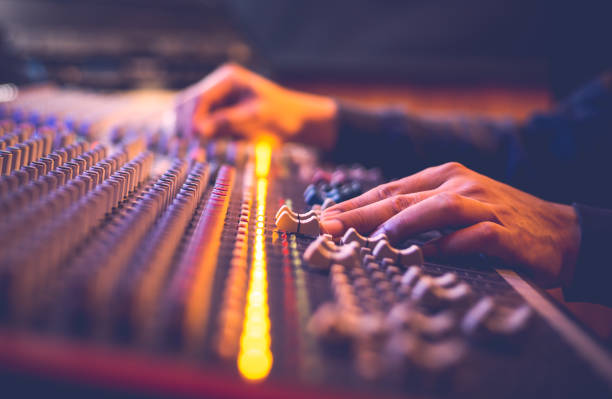
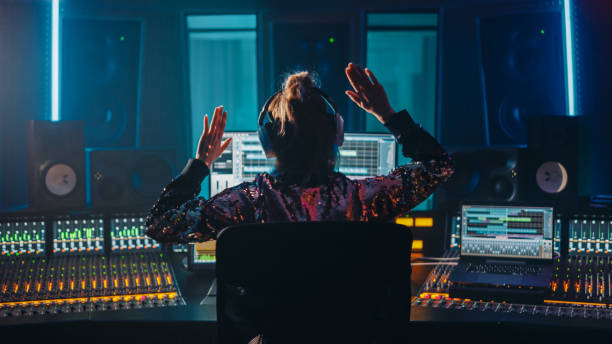
A Sound Engineer is a technical and creative professional who designs, records, mixes, and manipulates audio for various media, including music, film, television, live events, and digital content, to ensure high-quality sound output. They operate within recording studios, film production houses, live event venues, or as freelancers, collaborating with musicians, directors, producers, and other technical staff to achieve the desired auditory experience. Sound Engineers play a crucial role in shaping the audio landscape of entertainment and communication in an era where immersive sound, digital platforms, and high-fidelity experiences are central to audience engagement.
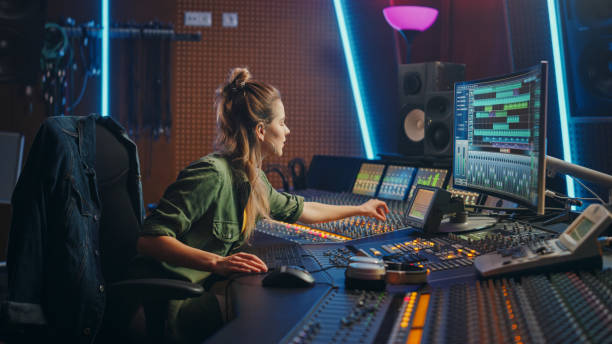
Sound Engineers are detail-oriented and technically proficient individuals tasked with capturing, editing, and enhancing audio to meet artistic and production goals. Their role includes operating complex equipment, troubleshooting technical issues, and addressing challenges ranging from acoustic environments to client specifications. They combine skills in audio technology, sound design, and creative problem-solving, working in dynamic environments like studios, on-location sets, or live concert venues to craft impactful soundscapes. As key contributors to media production, Sound Engineers drive auditory excellence and emotional impact in a landscape increasingly focused on surround sound, streaming content, and experiential audio.
| Route | Steps |
| Route 1 | 1. 10+2 in any stream (preferably with Science or Physics focus) |
| 2. Bachelor’s degree in Sound Engineering, Audio Production, or Media Studies (3-4 years) | |
| 3. Gain practical experience through internships or assistant roles (6 months-1 year) | |
| 4. Start as a Junior Sound Engineer in studios or production houses | |
| Route 2 | 1. 10+2 in any stream |
| 2. Bachelor’s degree in any discipline (3 years) | |
| 3. Diploma or Certificate in Sound Engineering or Audio Technology (3-12 months) | |
| 4. Work as a Sound Engineer after gaining hands-on experience | |
| Route 3 | 1. 10+2 in any stream |
| 2. Bachelor’s degree in Audio Engineering, Music Technology, or related field (3-4 years) | |
| 3. Master’s degree in Sound Design or Audio Production (1-2 years) | |
| 4. Work as a Senior Sound Engineer with specialized expertise | |
| Route 4 | 1. 10+2 in any stream |
| 2. International degree or certification in Sound Engineering or Audio Production (1-2 years) | |
| 3. Additional qualifications as per country or industry requirements | |
| 4. Serve as Sound Engineer in multinational studios or media companies |
| Institute | Course/Program | Official Link |
| Film and Television Institute of India (FTII), Pune | PG Diploma in Sound Recording & Sound Design | https://www.ftii.ac.in/ |
| Satyajit Ray Film & Television Institute (SRFTI), Kolkata | PG Diploma in Sound Recording & Design | https://srfti.ac.in/ |
| Whistling Woods International, Mumbai | BA & Diploma in Sound Recording & Design | https://www.whistlingwoods.net/ |
| Annapurna College of Film and Media, Hyderabad | BA in Sound Design & Audio Production | https://www.annapurnacollege.edu.in/ |
| Zee Institute of Media Arts (ZIMA), Mumbai | Diploma in Sound Engineering | https://www.zimainstitute.com/ |
| Mumbai Music Institute, Mumbai | Diploma in Audio Engineering & Music Production | https://www.mumbaimusicinstitute.in/ |
| Symbiosis School of Media & Communication, Pune | BA in Media (Audio Production Focus) | https://www.simc.edu/ |
| Amity School of Film & Drama, Noida | BA in Film & Television Production (Sound Focus) | https://www.amity.edu/ |
| Christ University, Bangalore | BA in Media Studies (Audio Production Focus) | https://www.christuniversity.in/ |
| AAFT School of Cinema, Noida | Diploma in Sound Engineering | https://aaft.com/ |
| Institution | Course | Country | Official Link |
| Berklee College of Music, Boston | BS in Music Production and Engineering | USA | https://www.berklee.edu/ |
| SAE Institute, Multiple Locations | BA/BSc in Audio Production | Global | https://www.sae.edu/ |
| Full Sail University, Winter Park | BS in Audio Production | USA | https://www.fullsail.edu/ |
| University of Surrey, Guildford | BMus in Music and Sound Recording (Tonmeister) | UK | https://www.surrey.ac.uk/ |
| New York University (NYU), Steinhardt School | BS & MA in Music Technology (Audio Focus) | USA | https://steinhardt.nyu.edu/ |
| Middle Tennessee State University (MTSU) | BS in Audio Production | USA | https://www.mtsu.edu/recording-industry/ |
| Queensland University of Technology (QUT) | Bachelor of Fine Arts (Sound Design) | Australia | https://www.qut.edu.au/ |
| University of Toronto, Faculty of Music | Certificate in Music Technology & Digital Media | Canada | https://music.utoronto.ca/ |
| Abbey Road Institute, London | Advanced Diploma in Music Production & Sound Engineering | UK | https://abbeyroadinstitute.co.uk/ |
| École Nationale Supérieure Louis-Lumière | Master’s in Sound Engineering | France | https://www.ens-louis-lumiere.fr/ |
India:
International:
Junior Sound Engineer → Sound Engineer → Senior Sound Engineer → Sound Designer → Audio Director → Mixing Engineer → Mastering Engineer → Independent Audio Consultant → Studio Owner → Sound Engineering Educator
| India | International |
| Yash Raj Films (YRF Studios) | Warner Bros. Sound, USA |
| T-Series | Universal Music Group, USA |
| Sony Music India | Sony Music Entertainment, USA |
| Zee Music Company | Disney Music Group, USA |
| Red Chillies Entertainment | Netflix (Audio Division), USA |
| Dharma Productions | Dolby Laboratories, USA |
| Balaji Telefilms | BBC Sound, UK |
| Eros International | Spotify (Audio Production), USA |
| Viacom18 | Apple Music, USA |
| Excel Entertainment | Abbey Road Studios, UK |
| Pros | Cons |
| Opportunity to work in creative and technically stimulating environments | High stress due to tight deadlines and perfection demands |
| High demand for sound engineers in growing digital content and entertainment sectors | Long and irregular hours during recordings or live events |
| Rewarding impact through enhancing audience experiences with quality audio | Risk of project delays or technical failures during critical moments |
| Diverse career paths across music, film, live events, and freelance roles | Limited stability in freelance or project-based roles |
| Strong potential for influence with award-winning sound design or mixes | Dependency on evolving technology and software updates |
| Career Level | India (₹ per annum) | International (USD per annum) |
| Junior Sound Engineer (Early Career) | 2,50,000 - 5,00,000 | 25,000 - 40,000 |
| Sound Engineer (Mid-Career) | 5,00,000 - 10,00,000 | 40,000 - 60,000 |
| Senior Sound Engineer/Sound Designer | 10,00,000 - 18,00,000 | 60,000 - 90,000 |
| Audio Director/Mixing Engineer | 18,00,000 - 30,00,000 | 90,000 - 130,000 |
| Mastering Engineer/Independent Consultant | 30,00,000+ | 130,000+ |
Note: Salaries vary based on location, experience, employer, and industry. International figures are approximate and depend on the country and sector. Freelance earnings often depend on project rates.
A career as a Sound Engineer offers a unique opportunity to contribute to auditory storytelling, audience immersion, and media impact by navigating complex technical and creative landscapes for diverse projects. From crafting pristine recordings to designing immersive soundscapes and driving emotional resonance, Sound Engineers play a pivotal role in modern entertainment and communication ecosystems. This field combines technical expertise, creative vision, and a commitment to solving intricate audio challenges, offering diverse paths in music, film, live events, and beyond. For those passionate about sound, adapting to dynamic audio trends, and addressing client needs in an era of digital evolution, a career as a Sound Engineer provides an intellectually stimulating and professionally rewarding journey with the potential to make significant contributions to society by advancing the art and application of audio engineering worldwide.

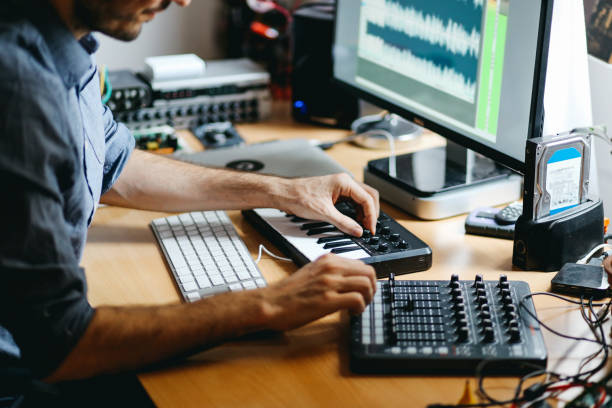
Early-career professionals assist in basic audio tasks under supervision. They build skills in recording while ensuring accurate execution. Their...
0.0LPA
Specialists oversee complex audio assignments with exceptional competence. They integrate deep technical knowledge with expertise in sound design...
0.0LPA
Senior professionals guide audio aesthetics for media or events. They provide leadership by establishing sound workflows for creative success....
0.0LPA
Take the next step and explore more about Sound Engineer.
Explore similar career paths that might interest you