Textile Designer


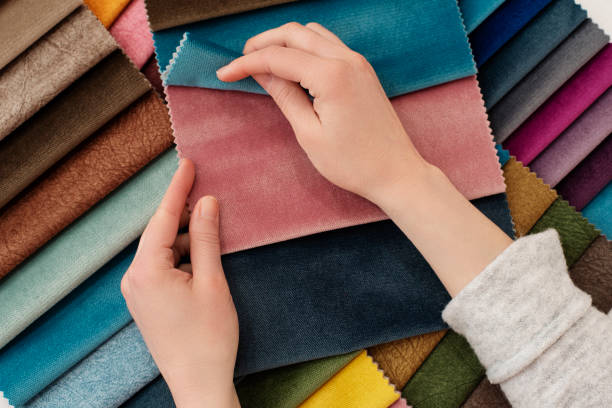
A Textile Designer is a creative professional who specializes in designing and creating patterns, prints, and textures for fabrics used in fashion, home decor, and industrial applications. They work in industries such as apparel, interior design, and manufacturing, collaborating with fashion designers, product developers, and manufacturers. Textile Designers play a crucial role in modern aesthetics and functionality by crafting unique and innovative fabric designs in an era where textiles are pivotal to personal style, cultural expression, and sustainable innovation.
Share :
Career tree mind map (horizontal) — Textile Designer
Colored branches, hub circles, and underlined topics — same style as counselor course classic (types 18–19 in admin).
Loading mind map…

Overview


A Textile Designer is a creative professional who specializes in designing and creating patterns, prints, and textures for fabrics used in fashion, home decor, and industrial applications. They work in industries such as apparel, interior design, and manufacturing, collaborating with fashion designers, product developers, and manufacturers. Textile Designers play a crucial role in modern aesthetics and functionality by crafting unique and innovative fabric designs in an era where textiles are pivotal to personal style, cultural expression, and sustainable innovation.

Textile Designers are artistic innovators responsible for conceptualizing and developing fabric designs that align with fashion trends, brand identities, or client specifications. Their role includes creating patterns, selecting materials, and addressing challenges ranging from balancing aesthetics with functionality to meeting production constraints. They combine skills in design, technology, and market awareness, working across various settings to produce distinctive textiles. As key contributors to the fashion and design industries, Textile Designers drive style and innovation in a landscape increasingly reliant on personalized and eco-conscious solutions.


Roles and Responsibilities

💼
Textile Designer
Roles and Responsibilities
Design Conceptualization
Create original patterns, prints, and textures for fabrics used in clothing, furnishings, or other products.
Develop sketches, digital renderings, and mood boards to visualize concepts for clients or brands.
Material and Technique Selection
Choose appropriate fibers, weaves, or printing methods to achieve desired aesthetic and functional outcomes.
Source materials and dyes to enhance design quality and sustainability.
Trend Research and Analysis
Stay updated on fashion trends, cultural influences, and consumer preferences to create relevant textile designs.
Analyze market demands to ensure fabrics appeal to target audiences.
Technical Design and Prototyping
Produce detailed technical specifications and repeats for pattern production.
Create fabric samples or prototypes to test design functionality and visual appeal.
Collaboration with Teams
Work with fashion designers, interior designers, and manufacturers to ensure textiles align with product goals.
Collaborate with production teams to oversee quality and adherence to design vision during manufacturing.
Brand Identity and Consistency
Design textiles that reflect and strengthen a brand’s visual identity and ethos.
Ensure consistency in style across different fabric applications within a collection.
Project Management
Manage timelines and budgets for textile design projects, from concept to market launch.
Coordinate with suppliers and production teams to meet deadlines and cost targets.
Sustainability and Innovation
Incorporate eco-friendly materials and ethical practices into textile designs.
Experiment with innovative techniques or technologies like digital printing to create unique fabrics.

Roles and Responsibilities

  • Design Conceptualization
    • Create original patterns, prints, and textures for fabrics used in clothing, furnishings, or other products.
    • Develop sketches, digital renderings, and mood boards to visualize concepts for clients or brands.
  • Material and Technique Selection
    • Choose appropriate fibers, weaves, or printing methods to achieve desired aesthetic and functional outcomes.
    • Source materials and dyes to enhance design quality and sustainability.
  • Trend Research and Analysis
    • Stay updated on fashion trends, cultural influences, and consumer preferences to create relevant textile designs.
    • Analyze market demands to ensure fabrics appeal to target audiences.
  • Technical Design and Prototyping
    • Produce detailed technical specifications and repeats for pattern production.
    • Create fabric samples or prototypes to test design functionality and visual appeal.
  • Collaboration with Teams
    • Work with fashion designers, interior designers, and manufacturers to ensure textiles align with product goals.
    • Collaborate with production teams to oversee quality and adherence to design vision during manufacturing.
  • Brand Identity and Consistency
    • Design textiles that reflect and strengthen a brand’s visual identity and ethos.
    • Ensure consistency in style across different fabric applications within a collection.
  • Project Management
    • Manage timelines and budgets for textile design projects, from concept to market launch.
    • Coordinate with suppliers and production teams to meet deadlines and cost targets.
  • Sustainability and Innovation
    • Incorporate eco-friendly materials and ethical practices into textile designs.
    • Experiment with innovative techniques or technologies like digital printing to create unique fabrics.

Study Route & Eligibility Criteria

Study Route & Eligibility Criteria
Textile Designer
Route 1
🎓
1
10+2 in any stream
🏛️
2
Bachelor’s degree in Textile Design, Fashion Design, or related field
3-4 years
💼
3
Internship or practical training
3-6 months
💼
4
Practice as Junior Textile Designer or Design Assistant
Route 2
🎓
1
10+2 in any stream
🎓
2
Diploma or Certificate in Textile Design or Fashion Design
💼
3
Build hands-on experience through projects
💼
4
Work as Freelance or Junior Textile Designer
Route 3
🎓
1
10+2 in any stream
🏛️
2
Bachelor’s degree in Textile Design or Industrial Design
3-4 years
🏛️
3
Master’s degree in Textile Design or Fashion Design
2 years
💼
4
Work as Senior Textile Designer or Creative Lead
Route 4
🎓
1
10+2 in any stream
🏛️
2
Advanced international training or certification in Textile Design
1-2 years
🎓
3
Master’s or specialized courses as per country requirements
💼
4
Practice abroad or in India
🎯 Textile Designer - Professional

Significant Observations (Academic Related Points)

💡
Textile Designer
Academic Related Points
1
Creative Foundation:
Strong knowledge of design aesthetics, color theory, and trends is essential for textile design.
2
Technical Skills:
Proficiency in pattern-making, weaving, and digital design tools is critical for effective work.
3
Specialized Training:
Certifications in specific textile techniques like printing or dyeing offer niche expertise.
4
Industry Awareness:
Understanding trends in fashion, interiors, and consumer behavior improves design relevance.
5
Interdisciplinary Knowledge:
Familiarity with fabric technology, sustainability, or marketing enhances outcomes.
6
Certification Importance:
Industry-recognized certifications can enhance employability for advanced roles.
7
Continuing Education:
Regular workshops and courses are necessary to stay updated on textile trends and technologies.
8
Global Standards:
Compliance with international fashion and production standards enhances opportunities.
9
Attention to Detail:
Precision in pattern repeats, color matching, and texture is critical for high-quality results.
10
Entrance Examination Success:
Certain programs may require entrance tests or specific qualifications for admission.
11
International Testing Requirements:
For global opportunities, certifications or qualifications from recognized textile bodies may be needed.

Internships & Practical Exposure

💼
Textile Designer
Internships & Practical Experience
1
Mandatory practical training during degree or diploma programs in textile or fashion design departments.
2
Rotations in textile mills, fashion houses, or interior design firms for hands-on experience with real-world projects.
3
Internships under senior textile designers or creative directors for exposure to professional workflows.
4
Observerships in design studios or manufacturing units for experience in fabric creation.
5
Participation in mock design projects or textile exhibitions for practical skill development.
6
Training in collaborative projects through real-world client briefs or brand initiatives.
7
Exposure to industry-standard design software and textile production tools during internships.
8
Project-based learning focusing on diverse textile applications and market challenges.
9
Public outreach initiatives like assisting in community craft or cultural textile projects.
10
International attachments or online collaborations for global exposure to textile design practices.

Courses & Specializations to Enter the Field

📚
Textile Designer
Courses & Specializations
📖
Certificate in Textile Design Techniques.
📖
Bachelor’s in Textile Design with Fashion Specialization.
📖
Master’s in Textile Design or Surface Design.
📖
Specialization in Print and Pattern Design.
📖
Certification in Digital Textile Printing.
📖
Workshops on Handloom and Traditional Textile Techniques.
📖
Training in Sustainable Textile Materials.
📖
Specialization in Textile Design for Interiors.
📖
Certification in Textile Illustration and Rendering.
📖
Short Courses in Trend Forecasting and Market Analysis for Textiles.

Prominent Employers

🏢
Textile Designer
🌟 Top Companies & Organizations
🇮🇳 India
🏛️
Raymond
🏛️
FabIndia
🏛️
Arvind Limited
🏛️
Welspun India
🏛️
Bombay Dyeing
🏛️
Vardhman Textiles
🏛️
Sabyasachi
🏛️
Ritu Kumar
🏛️
Anita Dongre
🏛️
Grasim Industries (Aditya Birla)
🌍 International
🌐
Zara (Inditex), Spain
🌐
H&M, Sweden
🌐
Uniqlo (Fast Retailing), Japan
🌐
Burberry, UK
🌐
Gucci, Italy
🌐
Louis Vuitton, France
🌐
Ralph Lauren, USA
🌐
Calvin Klein, USA
🌐
Chanel, France
🌐
Prada, Italy

Advice for Aspiring Textile Designers

💡
Textile Designer
🌟 Tips for Students & Parents
1
Build a strong foundation in design and material knowledge to understand textile creation.
2
Seek early exposure to textile mills or fashion houses through internships to confirm interest in the field.
3
Prepare thoroughly for entrance exams or portfolio requirements specific to your chosen program or region.
4
Pursue advanced certifications in specific textile design areas like printing or sustainability to gain technical expertise.
5
Stay updated on fashion trends and sustainable practices by attending webinars and industry events.
6
Develop hands-on skills in textile design through personal projects or client commissions.
7
Engage in design challenges or online communities to build real-world experience.
8
Join professional associations like Textile Association of India for networking and resources.
9
Work on precision and creative thinking to ensure high-quality textile designs.
10
Explore international textile programs for exposure to diverse design standards.
11
Volunteer in community craft or cultural projects to understand client needs and build experience.
12
Cultivate adaptability to handle complex creative and market-driven challenges.
13
Attend continuing education programs to stay abreast of evolving textile methodologies.
14
Build a network with textile designers and fashion professionals for collaborative efforts.
15
Develop resilience to manage the creative and deadline demands of textile projects.
16
Balance project work with continuous learning to adapt to rapid advancements in textile technology.
🎓 Final Message
A career as a Textile Designer offers a unique opportunity to contribute to personal style, cultural expression, and design innovation by crafting distinctive fabrics for diverse applications. From enhancing fashion and interiors to revolutionizing sustainable design, Textile Designers play a pivotal role in modern aesthetic and functional landscapes. This field combines artistic expertise, technical skills, and a commitment to solving complex design challenges, offering diverse paths in fashion, home decor, and industrial textiles. For those passionate about creativity, adapting to evolving trends, and addressing design needs in an era of rapid style evolution, a career as a Textile Designer provides an intellectually stimulating and professionally rewarding journey with the potential to make significant contributions to society by advancing the art and application of textile design worldwide.
Knowledge & Skills You Will Learn
1
Creative expertise in pattern design and aesthetic vision with precision
2
Observational accuracy in capturing trends and cultural nuances for designs
3
In-depth knowledge of fabrics, weaving, and printing techniques
4
Critical thinking to solve complex design and functionality challenges
5
Attention to detail to ensure quality in pattern repeats, color, and texture
6
Time management to handle multiple projects and meet client deadlines
7
Adaptability to work across diverse textile applications, clients, and design genres
8
Interpersonal skills for effective collaboration with designers and production teams
9
Problem-solving ability to address design issues or material constraints
10
Business acumen to manage budgets, marketing, and client relations
Textile Designer

Textile Designer

Experienced professionals manage comprehensive textile projects with high accuracy, using advanced design skills. They offer expertise in specific...

0.0LPA
Senior Textile Designer

Senior Textile Designer

Specialists oversee complex textile projects with exceptional competence. They integrate deep design knowledge with expertise in specific styles...

0.0LPA
Lead Designer

Lead Designer

Senior professionals guide design teams and ensure consistency across textile collections. They provide leadership by establishing workflows for...

0.0LPA

Interested in this career?

Take the next step and explore more about Textile Designer.