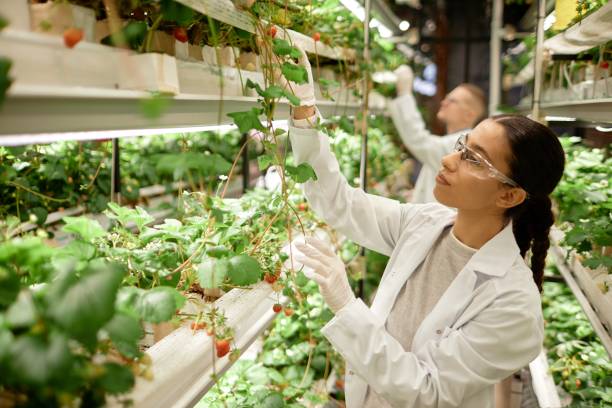
Overview
An Urban Farming & Hydroponics Technician is a skilled professional who specializes in growing crops in urban environments using innovative, space-efficient methods such as hydroponics, aquaponics, and vertical farming. This role involves setting up and maintaining soilless farming systems, managing plant nutrition, and ensuring sustainable production of fresh produce in cities with limited agricultural space. In India, with rapid urbanization, increasing demand for local and organic food, and the push for sustainable living, the need for trained urban farming and hydroponics technicians is growing. This vocational career offers accessible entry points, opportunities for technological innovation, and the chance to contribute to food security and environmental sustainability. This detailed guide provides the latest information (based on trends up to the most recent data, projected to the current year of 2025) on job roles, education, salary, and prospects within India for this vocational career.
Roles and Responsibilities
a) System Setup and Maintenance Responsibilities:
- Design and install hydroponic, aquaponic, or vertical farming systems in urban settings like rooftops, balconies, or indoor spaces.
- Manage water-based nutrient solutions by monitoring pH levels, electrical conductivity (EC), and nutrient balance to ensure optimal plant growth.
- Maintain equipment such as pumps, grow lights, irrigation systems, and reservoirs to prevent system failures or crop loss.
- Select suitable crops (e.g., leafy greens, herbs, microgreens) based on market demand, climate, and system compatibility.
- Implement pest and disease control using organic or integrated pest management (IPM) techniques to maintain crop health without chemicals.
b) Production and Quality Control Responsibilities:
- Monitor plant growth stages, adjusting light, temperature, and humidity to maximize yield and quality in controlled environments.
- Harvest, clean, and package produce for direct sale to consumers, restaurants, or local markets, ensuring freshness and hygiene.
- Ensure compliance with food safety standards and urban farming regulations to deliver safe, high-quality products.
- Record data on crop yields, nutrient usage, and system performance for analysis and process improvement.
- Troubleshoot issues like nutrient deficiencies, equipment malfunctions, or environmental imbalances to maintain consistent production.
c) Administrative and Support Responsibilities:
- Assist in inventory management by tracking seeds, nutrients, and equipment needed for urban farming operations.
- Market produce through local networks, online platforms, or farmers’ markets to build a customer base in urban areas.
- Educate clients, community groups, or schools on urban farming techniques and the benefits of sustainable food production.
- Collaborate with urban planners, architects, or businesses to integrate farming systems into building designs or commercial spaces.
- Stay updated on advancements in hydroponics technology, sustainable practices, and government policies to adopt innovative methods.
Study Route & Eligibility Criteria
Urban Farming & Hydroponics Technician Study Route & Eligibility Criteria
Study route information is not available for this career.
Urban Farming & Hydroponics Technician
Professional