Veterinary Scientist

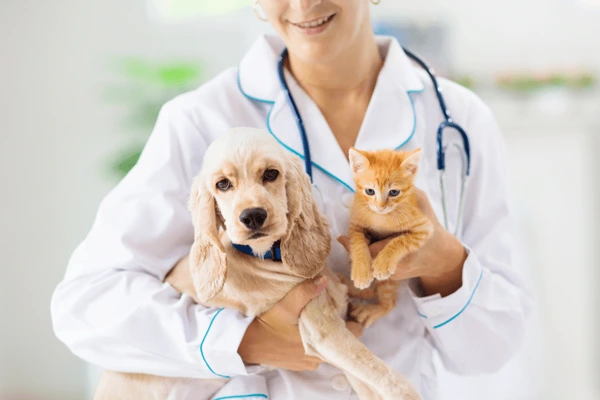
A Veterinary Scientist is a professional who studies animal health, diseases, and physiology to improve veterinary care, ensure food safety, and protect public health through research and innovation. They work in research institutions, government agencies, pharmaceutical companies, or academic settings, collaborating with veterinarians, biologists, and policymakers. Veterinary Scientists play a crucial role in advancing animal welfare, preventing zoonotic diseases, and supporting agricultural sustainability in a field driven by scientific inquiry, compassion, and interdisciplinary collaboration.

Share :
Career tree mind map (horizontal) — Veterinary Scientist
Colored branches, hub circles, and underlined topics — same style as counselor course classic (types 18–19 in admin).
Loading mind map…

Overview

A Veterinary Scientist is a professional who studies animal health, diseases, and physiology to improve veterinary care, ensure food safety, and protect public health through research and innovation. They work in research institutions, government agencies, pharmaceutical companies, or academic settings, collaborating with veterinarians, biologists, and policymakers. Veterinary Scientists play a crucial role in advancing animal welfare, preventing zoonotic diseases, and supporting agricultural sustainability in a field driven by scientific inquiry, compassion, and interdisciplinary collaboration.

Veterinary Scientists are analytical and dedicated professionals who operate in laboratories, field settings, or policy environments, using tools such as diagnostic equipment, molecular biology techniques, and data analysis software. Their role involves researching animal diseases, developing vaccines, and ensuring livestock safety, often facing challenges like emerging pathogens or funding constraints. They combine expertise in biology, pathology, and epidemiology to address animal and public health needs. As key contributors to science and agriculture, they help shape the future of veterinary medicine, food security, and zoonotic disease prevention in an industry increasingly driven by biotechnology, global health concerns, and sustainable practices.

Roles and Responsibilities

💼
Veterinary Scientist
Roles and Responsibilities
Animal Disease Research
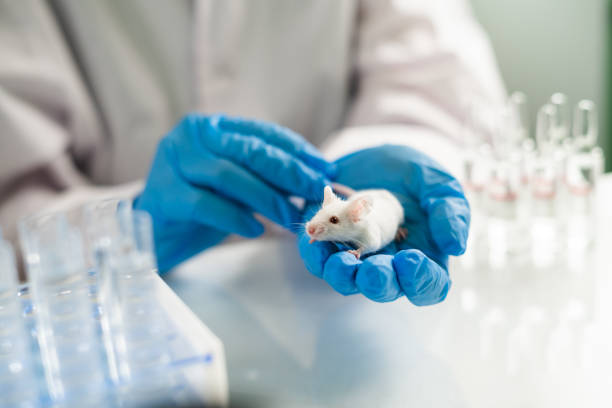
Investigate the causes, transmission, and progression of diseases in animals.
Develop diagnostic tools and methods to identify pathogens in livestock and wildlife.
Vaccine and Treatment Development
Design and test vaccines or therapeutics to prevent or treat animal diseases.
Collaborate with pharmaceutical companies to bring solutions to market.
Public Health and Zoonotic Disease Prevention
Study diseases transmissible between animals and humans to protect public health.
Advise on biosecurity measures to prevent outbreaks like avian flu or rabies.
Food Safety and Inspection
Ensure the safety of animal-derived food products through pathogen testing.
Develop protocols to minimize contamination in meat, dairy, and poultry industries.
Data Analysis and Reporting
Analyze research data to identify trends in animal health or disease patterns.
Publish findings in scientific journals and present at veterinary conferences.
Policy and Regulatory Support
Provide scientific input for animal health regulations and government policies.
Work with agencies to implement standards for animal welfare and trade.
Field Research and Surveillance
Conduct field studies to monitor animal populations for emerging health threats.
Collect samples from diverse environments to study disease ecology.
Education and Training
Teach veterinary science concepts to students or train professionals in new techniques.
Mentor junior researchers in lab methodologies and field research practices.
Interdisciplinary Collaboration
Work with ecologists, epidemiologists, and farmers on projects like sustainable livestock management.
Contribute to global initiatives addressing antimicrobial resistance in animals.

Roles and Responsibilities

  • Animal Disease Research
    • Investigate the causes, transmission, and progression of diseases in animals.
    • Develop diagnostic tools and methods to identify pathogens in livestock and wildlife.
  • Vaccine and Treatment Development
    • Design and test vaccines or therapeutics to prevent or treat animal diseases.
    • Collaborate with pharmaceutical companies to bring solutions to market.
  • Public Health and Zoonotic Disease Prevention
    • Study diseases transmissible between animals and humans to protect public health.
    • Advise on biosecurity measures to prevent outbreaks like avian flu or rabies.
  • Food Safety and Inspection
    • Ensure the safety of animal-derived food products through pathogen testing.
    • Develop protocols to minimize contamination in meat, dairy, and poultry industries.
  • Data Analysis and Reporting
    • Analyze research data to identify trends in animal health or disease patterns.
    • Publish findings in scientific journals and present at veterinary conferences.
  • Policy and Regulatory Support
    • Provide scientific input for animal health regulations and government policies.
    • Work with agencies to implement standards for animal welfare and trade.
  • Field Research and Surveillance
    • Conduct field studies to monitor animal populations for emerging health threats.
    • Collect samples from diverse environments to study disease ecology.
  • Education and Training
    • Teach veterinary science concepts to students or train professionals in new techniques.
    • Mentor junior researchers in lab methodologies and field research practices.
  • Interdisciplinary Collaboration
    • Work with ecologists, epidemiologists, and farmers on projects like sustainable livestock management.
    • Contribute to global initiatives addressing antimicrobial resistance in animals.

Study Route & Eligibility Criteria

Study Route & Eligibility Criteria
Veterinary Scientist
Route 1
🎓
1
10+2 in Science stream
🏛️
2
Bachelor’s degree in Veterinary Science or Animal Husbandry
5 years
💼
3
Internship or assistant role in veterinary research labs
💼
4
Practice as Junior Veterinary Scientist or Research Associate
Route 2
🎓
1
10+2 in Science stream with Biology
🏛️
2
Bachelor’s degree in Veterinary Science or Biotechnology
3-5 years
🏛️
3
Master’s degree in Veterinary Science or related field
2 years
💼
4
Gain practical experience through research projects
💼
5
Work as Veterinary Scientist or Research Specialist
Route 3
🎓
1
10+2 in Science with Biology and Chemistry
🏛️
2
Bachelor’s degree in Life Sciences or Animal Science
3-4 years
📚
3
Certification or short-term course in Veterinary Research or Pathology
3-6 months
💼
4
Internship in veterinary labs or government agencies
💼
5
Practice as Veterinary Research Technician or Field Scientist
Route 4
🎓
1
10+2 in Science stream
🏛️
2
Bachelor’s degree in Veterinary Science or related field
3-5 years
📚
3
Ph.D. in Veterinary Science or specialized area
3-5 years
💼
4
Post-doctoral research or industry leadership role
💼
5
Practice as Senior Veterinary Scientist or Consultant
🎯 Veterinary Scientist - Professional

Significant Observations (Academic Related Points)

💡
Veterinary Scientist
Academic Related Points
1
Scientific Foundation:
Strong understanding of biology and animal physiology is essential for veterinary research.
2
Analytical Skills:
Training in data analysis and experimental design develops core research competencies.
3
Specialized Training:
Certifications in veterinary pathology or epidemiology are critical for advanced roles.
4
Technology Proficiency:
Familiarity with diagnostic tools and molecular biology techniques is vital for modern research.
5
Interdisciplinary Knowledge:
Understanding public health, agriculture, and ethics enhances project impact.
6
Certification Importance:
Specialized courses or certifications boost professional credibility in niche areas.
7
Continuing Education:
Regular updates on animal health advancements and technologies are necessary to stay relevant.
8
Global Standards:
Familiarity with international veterinary guidelines enhances opportunities for global roles.
9
Attention to Detail:
Precision in experiments and documentation is critical for reliable outcomes.
10
Entrance Examination Success:
Competitive exams are often required for admission to top programs.
11
International Testing Requirements:
Language proficiency tests like IELTS may be needed for global opportunities.

Internships & Practical Exposure

💼
Veterinary Scientist
Internships & Practical Experience
1
Mandatory internships during degree programs at veterinary clinics or research labs for real-world experience.
2
Rotations in animal pathology or epidemiology teams for hands-on exposure to disease research.
3
Internships under experienced Veterinary Scientists for training in advanced techniques like molecular diagnostics.
4
Observerships at livestock farms or government agencies for applied veterinary insights.
5
Participation in mock research projects for skill development in disease surveillance and analysis.
6
Training in biotechnology tools through real-world projects like vaccine development.
7
Exposure to regulatory documentation during internships for skills in compliance and policy.
8
Volunteer roles in animal welfare organizations or wildlife conservation to build a portfolio.
9
Community engagement projects for promoting animal health awareness in rural or agricultural sectors.
10
International research attachments for global exposure to cutting-edge veterinary science practices.

Courses & Specializations to Enter the Field

📚
Veterinary Scientist
Courses & Specializations
📖
Certificate in Veterinary Pathology or Epidemiology.
📖
Bachelor’s in Veterinary Science (BVSc) or Animal Husbandry.
📖
Master’s in Veterinary Science, Animal Biotechnology, or Public Health.
📖
Specialization in Veterinary Microbiology, Parasitology, or Pharmacology.
📖
Ph.D. in Veterinary Science for advanced research leadership roles.
📖
Workshops on Molecular Diagnostics or Vaccine Development.
📖
Training in Food Safety or Zoonotic Disease Research.
📖
Specialization in Wildlife Medicine or Livestock Health Management.
📖
Certification in Animal Welfare Science or Veterinary Public Health.
📖
Short courses in Bioinformatics for Veterinary Applications.

Prominent Employers

🏢
Veterinary Scientist
🌟 Top Companies & Organizations
🇮🇳 India
🏛️
Indian Veterinary Research Institute (IVRI)
🏛️
National Dairy Research Institute (NDRI)
🏛️
Department of Animal Husbandry and Dairying
🏛️
Indian Council of Agricultural Research (ICAR)
🏛️
National Institute of Veterinary Epidemiology and Disease Informatics (NIVEDI)
🏛️
Central Institute for Research on Buffaloes (CIRB)
🏛️
Wildlife Institute of India (WII)
🏛️
Serum Institute of India (Veterinary Division)
🏛️
Hester Biosciences Limited
🏛️
Venkateshwara Hatcheries Pvt. Ltd. (Venky’s)
🌍 International
🌐
Zoetis, Global
🌐
Merck Animal Health, Global
🌐
Elanco Animal Health, Global
🌐
Bayer Animal Health, Global
🌐
IDEXX Laboratories, Global
🌐
Boehringer Ingelheim Animal Health, Global
🌐
Virbac, Global
🌐
Ceva Animal Health, Global
🌐
VCA Animal Hospitals, USA
🌐
World Organisation for Animal Health (OIE), Global

Advice for Aspiring Veterinary Scientists

💡
Veterinary Scientist
🌟 Tips for Students & Parents
1
Build a strong foundation in biology and animal science to understand veterinary principles.
2
Seek early exposure to lab or field roles through internships to confirm interest in veterinary science.
3
Prepare thoroughly for competitive exams like NEET or GRE with structured study plans.
4
Pursue short courses in veterinary diagnostics or epidemiology to gain expertise in emerging areas.
5
Stay updated on industry trends by following journals like Veterinary Record or Journal of Veterinary Science.
6
Develop hands-on skills in experimental techniques and animal monitoring through projects.
7
Engage in practical internships at research institutes or farms for real-world experience.
8
Join professional associations like WVA or IVA for networking and resources.
9
Work on precision in experiments and documentation to ensure credible research outcomes.
10
Explore international research opportunities for exposure to global veterinary advancements.
11
Volunteer in animal welfare initiatives to understand practical veterinary challenges.
12
Cultivate adaptability to handle rapid changes in technology and disease patterns.
13
Attend continuing education programs to stay abreast of veterinary tools and trends.
14
Build a network with researchers, veterinarians, and policymakers for collaborative efforts.
15
Develop resilience to manage the high-pressure demands of research and animal care.
16
Balance scientific rigor with ethical integrity to adapt to evolving veterinary landscapes.
🎓 Final Message
A career as a Veterinary Scientist offers a profound opportunity to safeguard animal and human health, driving progress through rigorous research and compassionate expertise, fostering global well-being with every discovery. Veterinary Scientists are the architects of animal welfare, using their skills to develop transformative health solutions, address zoonotic threats, and advance sustainable agriculture across industries. This profession blends scientific curiosity with practical impact, providing pathways in research, agriculture, education, and beyond. For those passionate about animals, driven by a desire to solve complex health challenges, and Sino eager to embrace the evolving landscape of biotechnology and global collaboration, becoming a Veterinary Scientist is a deeply rewarding journey. It empowers individuals to shape veterinary and public health outcomes, address critical global issues, and advance progress through the transformative power of veterinary science.
Knowledge & Skills You Will Learn
1
Rising Demand:Growing need for Veterinary Scientists skilled in biotechnology and epidemiology.
2
Skill Development Needs:Growing necessity for training in bioinformatics and remote sensing.
3
Sustainability Focus:Increased efforts to apply veterinary science in sustainable farming practices.
Veterinary Science Intern

Veterinary Science Intern

Entry-level individuals who assist in basic lab tasks like sample collection or data entry under supervision. They gain hands-on experience with...

0.0LPA

Junior Veterinary Scientist

Junior Veterinary Scientist

Early-career professionals who conduct routine experiments and assist in data analysis in labs or field settings. They focus on specific tasks...

0.0LPA
Veterinary Research Associate

Veterinary Research Associate

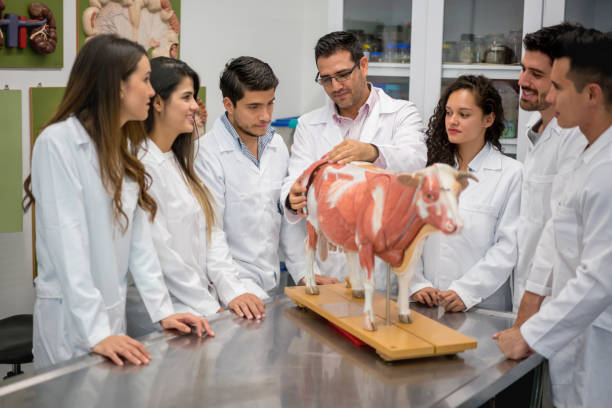
Mid-level professionals who design and execute experiments, often specializing in areas like veterinary microbiology or epidemiology. They analyze...

0.0LPA

Interested in this career?

Take the next step and explore more about Veterinary Scientist.