
Medical students complete foundational medical education, rotating through various specialties including immunology and allergy. They learn basic sciences. Their training builds medical foundations. They are beginning their journey toward specialization.
 4.4
4.4

Residents in Internal Medicine or Pediatrics gain broad clinical experience while developing interest in allergic disorders. They provide supervised patient care. Their training develops clinical judgment. They are preparing for specialty training.
4.4

Fellows receive specialized training in allergy diagnosis, testing procedures, and treatment approaches under expert supervision. They focus on specialty skills. Their fellowship builds specialized expertise. They are transitioning to independent practice.
4.4

Early-career allergists establish clinical practice, often joining established groups while developing their patient base and clinical approach. They build independent practice. Their work establishes professional reputation. They are developing specialty expertise.
4.4
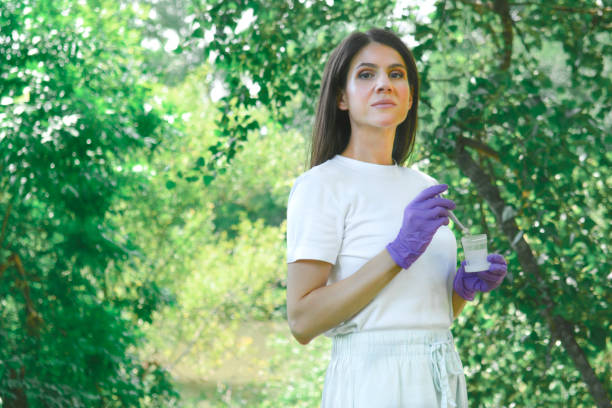
Mid-career specialists maintain busy clinical practices, often developing subspecialty interests within the field of allergy and immunology. They manage complex cases. Their expertise attracts referrals. They are central to patient care delivery.
4.4

Senior Allergist/Department Head
Experienced allergists often take leadership roles, overseeing departments or large practices while mentoring junior colleagues. They provide clinical leadership. Their experience guides department direction. They are crucial for organizational excellence.
4.4

Top-level allergists may direct medical programs or academic departments, combining clinical expertise with administrative leadership and teaching responsibilities. They provide institutional leadership. Their influence shapes the specialty. They are essential for advancing the field.
4.4

Pediatric Allergist (Specialized Role)
Specialists focus exclusively on allergic disorders in children, developing expertise in age-specific presentations and treatments. They focus on pediatric care. Their specialization addresses developmental factors. They are essential for childhood allergy management.
4.4

Research Allergist/Immunologist
These professionals divide time between clinical practice and research, advancing scientific understanding of allergic mechanisms and treatments. They advance scientific knowledge. Their research improves treatment approaches. They are crucial for specialty innovation.
4.4
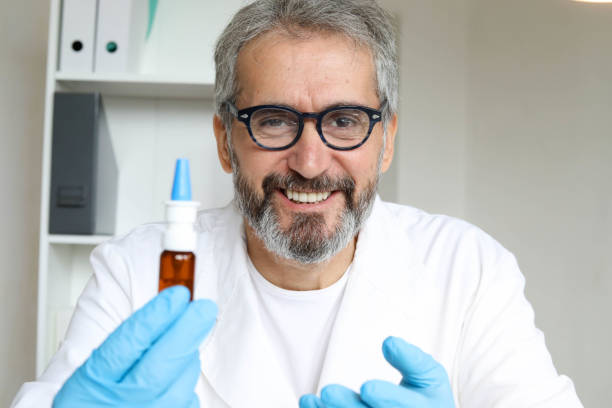
Allergist-Immunologist Consultant
Experienced specialists provide expert consultation for complex cases, often working with multiple medical specialties on challenging diagnostic problems. They provide expert opinions. Their consultation resolves difficult cases. They are essential for complex patient management.
4.4

Every Student, Career Ready!

This page includes information from O*NET Resource Center by the U.S. Department of Labor, Employment and Training Administration (USDOL/ETA). Used under the CC BY 4.0 license. O*NET® is a trademark of USDOL/ETA.
© 2025 TopTeen. All rights reserved.