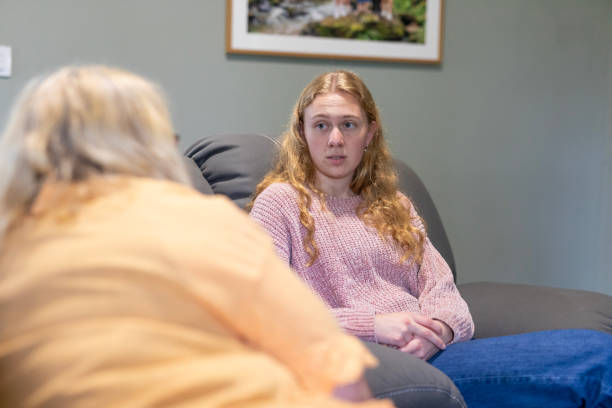
Undergraduate students complete foundational education in psychology, public health, or related fields, learning basic concepts while gaining initial exposure to community health issues. They develop critical thinking through coursework and observational projects. Their training builds health service foundations through lectures and early practical exposure. They are beginning their journey toward specialization, often exploring community health through elective courses or internships.
 4.4
4.4

Trainees in Master's programs focus on advanced studies in community health, learning counselling and intervention techniques under supervision. They provide support in field settings, mastering program development and health education strategies. Their training develops professional judgment through hands-on practice. They are preparing for professional roles by seeking exposure to diverse community health cases and building foundational skills for field entry.
4.4

Junior Community-Health Counsellor
Early-career counsellors establish roles in public health or community settings while developing their expertise and client portfolio. They build independent practice by conducting routine counselling and health education sessions. Their work establishes professional reputation through effective community outcomes and collaboration with peers. They are developing specialty expertise, often focusing on areas like mental health or preventive care to build a niche within the field.
4.4

Established Community-Health Counsellor
Mid-career counsellors maintain active roles in field or administrative settings, often developing subspecialty interests within community health such as substance abuse or trauma counselling. They manage complex cases, including high-impact interventions for community-wide health issues, often serving as referral experts for challenging cases. Their expertise attracts partnerships, solidifying their role in health networks. They are central to quality delivery, balancing field duties with mentorship of junior colleagues.
4.4

Senior Community-Health Counsellor/Team Lead
Experienced counsellors often take leadership roles, overseeing health programs or counselling teams while mentoring junior staff and shaping intervention protocols. They provide professional leadership by guiding standards and integrating new health promotion methodologies into practice. Their experience guides program direction, influencing policy and training initiatives. They are crucial for organizational excellence, ensuring high-quality care and fostering a culture of continuous improvement within their teams.
4.4

Program Director/Health Policy Advisor
Top-level counsellors may direct community health programs or advise on policy, combining field expertise with administrative leadership and advocacy responsibilities. They provide institutional leadership by overseeing health initiatives and educational curricula at organizations or government levels. Their influence shapes the specialty through policy advocacy, published works, and training the next generation of community-health counsellors. They are essential for advancing the field, driving innovation in community wellness management.
4.4

Mental Health Outreach Specialist (Specialized Role)
Counsellors focus exclusively on mental health education and support within communities, with expertise in stigma reduction and crisis intervention. They focus on precision, addressing unique challenges of mental health access. Their specialization addresses societal demands, tailoring solutions to maximize outreach outcomes. They are essential for mental health standards, often working in non-profits to provide impactful, community-centered solutions.
4.4

Substance Abuse Counsellor (Specialized Role)
Experts in this track work on addressing addiction and recovery, focusing on tailored prevention and rehabilitation plans. They drive innovation by enhancing substance abuse frameworks through evidence-based strategies. Their work bridges community health and recovery support, ensuring interventions align with community needs. They are key to addiction care advancement, pushing the boundaries of community health in substance abuse solutions.
4.4

Health Education Coordinator (Specialized Role)
Senior counsellors in this role leverage their expertise to manage health education programs, often in community or school settings. They shape outcomes by advising on educational strategies and health promotion interventions. Their insights guide decision-making, ensuring research translates to community awareness. They are instrumental in health education systems, advocating for community health’s role in preventive care solutions.
4.4

Community Wellness Advocate (Specialized Role)
Counsellors focus on representing community health needs in policy or public settings, exploring applications like health equity or resource access reform. They drive innovation by bridging community health with systemic solutions. Their work connects field research with practical outcomes, ensuring advancements meet professional standards. They are key to advocacy progress, pushing the boundaries of community health in wellness protection.
4.4

Every Student, Career Ready!

This page includes information from O*NET Resource Center by the U.S. Department of Labor, Employment and Training Administration (USDOL/ETA). Used under the CC BY 4.0 license. O*NET® is a trademark of USDOL/ETA.
© 2025 TopTeen. All rights reserved.