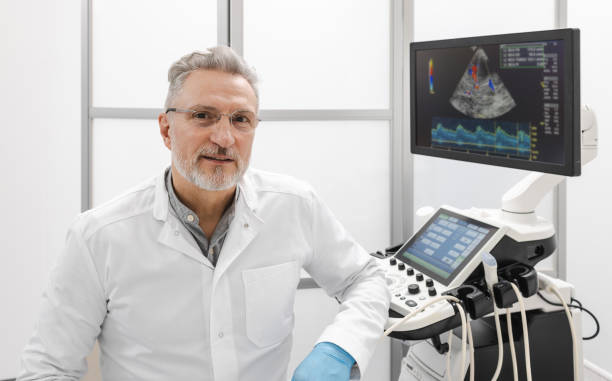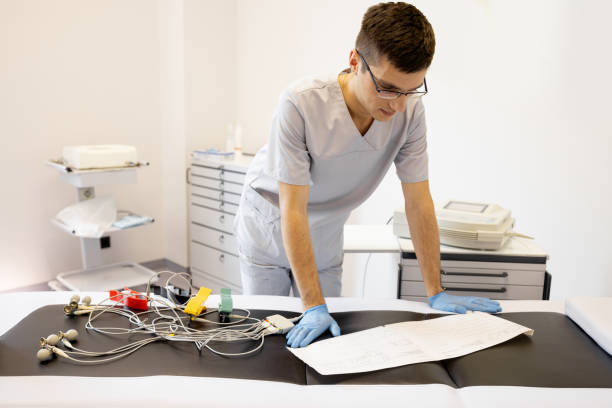
Early-career professionals assist in basic EMG and NCS tasks with increasing autonomy. They hone technical skills in operating EMG equipment. Their practice builds clinical experience through regular testing support. They prepare for advanced roles by mastering core processes and adhering to safety guidelines in regulated environments.
 4.4
4.4

Experienced professionals manage complex EMG setups with high accuracy during diverse cases. They offer technical expertise in optimizing EMG workflows for superior performance. Their skills improve precision by mentoring junior staff and resolving technical issues. They are vital for efficient diagnostic services, frequently leading teams during critical testing sessions and ensuring workflow continuity.
4.4
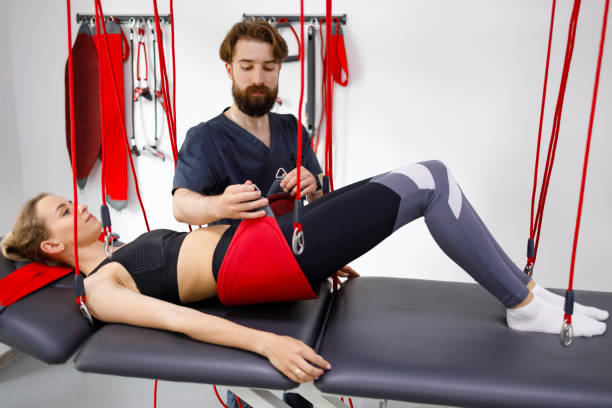
Lead Neuromuscular Diagnostic Specialist
Specialists oversee advanced EMG support in high-demand scenarios with exceptional competence. They integrate deep technical knowledge with expertise in specialized neuromuscular testing for comprehensive assistance. Their proficiency aids accurate diagnoses through close collaboration with neurologists. They are central to specialized care, often focusing on areas like nerve conduction studies, significantly impacting patient outcomes.
4.4
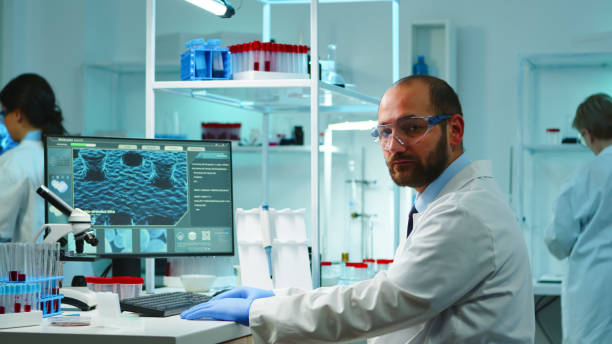
Neuromuscular Lab Supervisor/Manager
Senior professionals supervise neuromuscular lab teams or diagnostic workflows, ensuring operational excellence. They provide leadership by establishing protocols and managing high-pressure environments. Their contributions enhance efficiency through staff training and quality assurance of EMG services. They are essential for maintaining service quality, often bridging communication between technicians and clinical staff to uphold best practices.
4.4
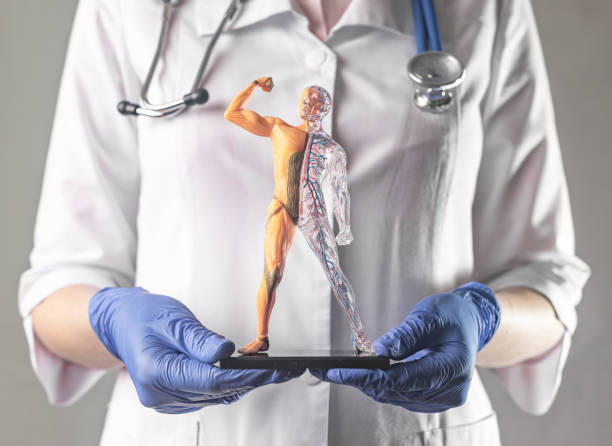
Neuromuscular Diagnostic Educator
Leaders oversee training programs or educate aspiring EMG Technologists in academic or clinical settings. They provide strategic oversight by developing curricula or certification initiatives aligned with industry needs. Their vision fosters institutional growth by integrating emerging technologies into training. They are critical for advancing safety standards, preparing future professionals to meet evolving neuromuscular diagnostic demands.
4.4

Top-tier administrators manage entire neuromuscular labs or diagnostic departments in hospitals. They handle budgeting, staffing, and equipment acquisition while ensuring regulatory compliance. Their leadership integrates EMG services seamlessly into broader healthcare systems. They play a key role in policy development, championing safety, and driving innovation in neuromuscular diagnostics across their organizations.
4.4
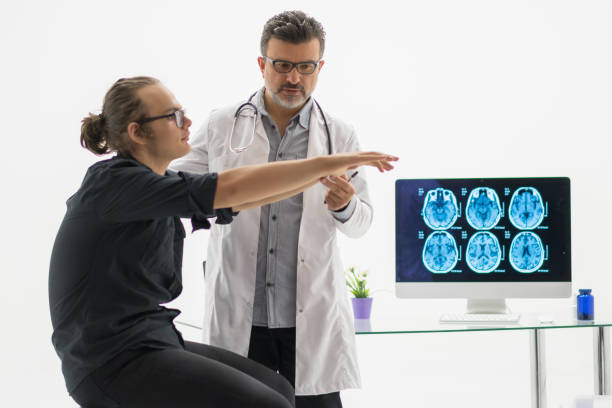
Neuromuscular Diagnostic Consultant
Expert advisors offer specialized guidance on EMG protocols or technology implementation to healthcare entities. They utilize extensive experience to enhance diagnostic accuracy and efficiency on a consultancy basis. Their insights shape industry trends by recommending advanced tools like AI-assisted neuromuscular monitoring. They are pivotal in advancing standards, often collaborating with multiple institutions to standardize practices and improve global neuromuscular care.
4.4

Every Student, Career Ready!

This page includes information from O*NET Resource Center by the U.S. Department of Labor, Employment and Training Administration (USDOL/ETA). Used under the CC BY 4.0 license. O*NET® is a trademark of USDOL/ETA.
© 2025 TopTeen. All rights reserved.