Residents in Internal Medicine or Paediatrics gain broad clinical experience while developing interest in blood disorders. They provide supervised patient care in hospital wards and outpatient clinics, learning to manage a wide range of medical conditions. Their training develops clinical judgment through hands-on diagnosis and treatment under senior guidance. They are preparing for specialty training by seeking exposure to haematology cases and building foundational skills for fellowship applications.
 4.4
4.4

Fellows receive specialized training in blood-related diagnosis, testing procedures like bone marrow biopsies, and treatment approaches under expert supervision. They focus on specialty skills, mastering complex hematologic conditions and therapeutic interventions such as chemotherapy. Their fellowship builds specialized expertise through immersive clinical rotations and research opportunities. They are transitioning to independent practice, preparing to handle intricate cases with increasing autonomy while refining their procedural and diagnostic capabilities.
4.4

Early-career haematologists establish clinical practice, often joining established groups or hospitals while developing their patient base and clinical approach. They build independent practice by managing a growing caseload of blood disorder patients and performing routine procedures. Their work establishes professional reputation through successful patient outcomes and collaboration with peers. They are developing specialty expertise, often focusing on specific areas like anaemia or clotting disorders to build a niche within the field.
4.4
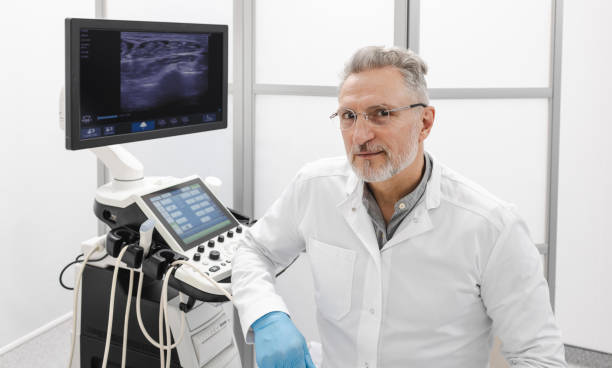
Senior Haematologist/Department Head
Experienced haematologists often take leadership roles, overseeing departments or large practices while mentoring junior colleagues and shaping clinical protocols. They provide clinical leadership by guiding treatment standards and integrating new research into practice. Their experience guides department direction, influencing policy, resource allocation, and training programs. They are crucial for organizational excellence, ensuring high-quality care delivery and fostering a culture of continuous improvement within their teams.
4.4

Top-level haematologists may direct medical programs or academic departments, combining clinical expertise with administrative leadership and teaching responsibilities. They provide institutional leadership by overseeing haematology services, research initiatives, and educational curricula at medical schools or hospitals. Their influence shapes the specialty through policy advocacy, published works, and training the next generation of haematologists. They are essential for advancing the field, driving innovation in blood disorder management and treatment methodologies.
4.4

Paediatric Haematologist (Specialized Role)
Specialists focus exclusively on blood disorders in children, developing expertise in age-specific presentations and treatments such as paediatric leukaemia or sickle cell disease. They focus on paediatric care, addressing unique developmental and emotional needs of young patients and their families. Their specialization addresses developmental factors, tailoring therapies to minimize long-term impacts on growth and quality of life. They are essential for childhood hematologic management, often working in dedicated children’s hospitals or specialized clinics to provide compassionate, family-centered care.
4.4

These professionals divide time between clinical practice and research, advancing scientific understanding of blood mechanisms, genetic factors, and novel treatments. They advance scientific knowledge by leading clinical trials, studying disease pathways, and developing innovative therapies like gene editing for blood disorders. Their research improves treatment approaches, contributing to breakthroughs in areas such as stem cell therapy or targeted cancer drugs. They are crucial for specialty innovation, bridging the gap between laboratory discoveries and bedside care to transform patient outcomes.
4.4

Experienced specialists provide expert consultation for complex cases, often working with multiple medical specialties on challenging diagnostic problems involving blood disorders. They provide expert opinions on rare or ambiguous conditions, guiding treatment decisions for cases that defy standard protocols. Their consultation resolves difficult cases, offering clarity through in-depth analysis of test results and clinical history. They are essential for complex patient management, often serving as the final authority in multidisciplinary teams addressing life-threatening hematologic conditions.
4.4

Every Student, Career Ready!

This page includes information from O*NET Resource Center by the U.S. Department of Labor, Employment and Training Administration (USDOL/ETA). Used under the CC BY 4.0 license. O*NET® is a trademark of USDOL/ETA.
© 2025 TopTeen. All rights reserved.