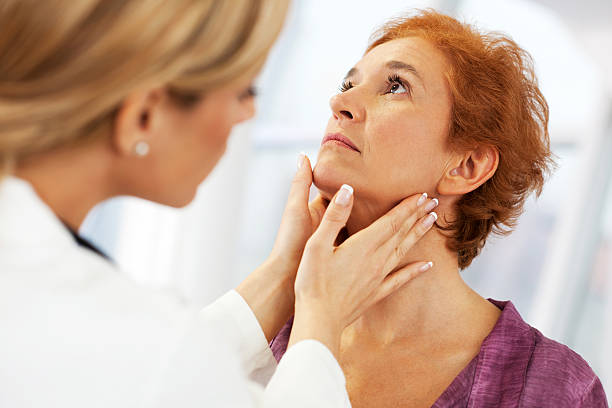
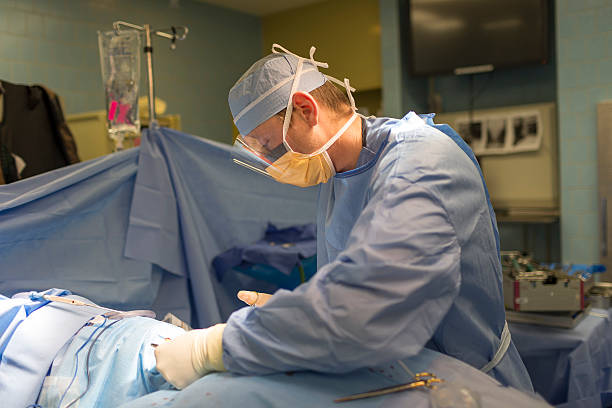
Students complete foundational medical training with exposure to oncology and related fields. They build clinical basics. Their education forms a medical foundation. They are starting their journey toward specialization.
 4.4
4.4

Early-career doctors gain hands-on experience in hospital settings across specialties. They develop clinical skills. Their rotations provide broad exposure. They are preparing for residency.
4.4

Resident (Medicine/Surgery/Radiotherapy)
Trainees focus on internal medicine, surgery, or radiotherapy, building expertise in cancer-related care. They gain specialized knowledge. Their training hones clinical skills. They are advancing toward subspecialization.
4.4

Post-residency physicians undergo advanced training in medical, surgical, or radiation oncology, focusing on complex cases. They develop niche expertise. Their work refines treatment skills. They are transitioning to independent practice.
4.4

Early-career specialists manage cancer patient care independently in hospitals or private practice. They establish clinical practice. Their expertise attracts complex cases. They are building professional reputation.
4.4

Senior Consultant/Academic Faculty
Experienced clinicians lead patient care or teach in medical institutions while mentoring trainees. They provide clinical leadership. Their contributions shape training. They are essential for field advancement.
4.4

Department Head/Research Director
Senior professionals oversee oncology departments or lead research initiatives in academic or clinical settings. They offer institutional leadership. Their vision drives program growth. They are vital for healthcare excellence.
4.4

Every Student, Career Ready!

This page includes information from O*NET Resource Center by the U.S. Department of Labor, Employment and Training Administration (USDOL/ETA). Used under the CC BY 4.0 license. O*NET® is a trademark of USDOL/ETA.
© 2025 TopTeen. All rights reserved.