Early-career professionals assist in basic musculoskeletal tasks under supervision. They build skills in diagnostics while ensuring accurate execution. Their practice builds experience through regular cases. They prepare for advanced roles by mastering core techniques.
 4.4
4.4

Experienced professionals manage routine orthopaedic care with high competence, using clinical skills. They offer expertise in fracture repair and joint care. Their skills improve outcomes by supporting patients. They are vital for mobility health, often leading smaller teams.
4.4

Specialists oversee complex cases with exceptional competence. They integrate deep musculoskeletal knowledge with expertise in surgery for impactful results. Their proficiency aids outcomes through collaboration with teams. They are central to mobility restoration.
4.4
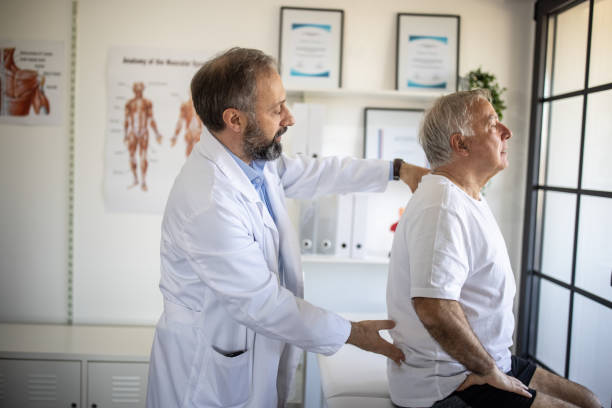
Senior professionals guide treatment strategies for niche areas like sports injuries. They provide leadership by establishing care workflows for clinical success. Their contributions enhance quality through specialized approaches. They are essential for patient excellence.
4.4

Head of Orthopaedic Department
Leaders focus on managing orthopaedic units in hospitals. They provide strategic oversight by aligning efforts with institutional goals. Their vision fosters growth by integrating resources. They are critical for operational performance.
4.4

Top-tier professionals specialize in hip and knee replacements. They handle intricate planning and direction while ensuring alignment. Their leadership integrates joint care into broader strategies. They play a key role in mobility restoration.
4.4

Senior professionals focus on spinal deformities and injuries. They ensure alignment with recovery objectives, often leading specialized teams. Their expertise shapes surgical outcomes. They collaborate closely for balanced care.
4.4

Professionals focus on advancing musculoskeletal knowledge through studies. They use specialized skills to enhance treatment efficacy. Their work is crucial in scientific validation. They contribute significantly to modern orthopaedic integration.
4.4

Experts train future professionals in academic or hospital settings. They work on integrating theory with practice, often leading programs. Their strategic skills are vital for shaping future surgeons. They often lead advancements in orthopaedic education.
4.4

Experts develop long-term healthcare strategies for orthopaedic units, focusing on innovation. They work on integrating policies into practice, often leading large teams. Their skills are vital for systemic success. They often lead transformative medical trends.
4.4

Every Student, Career Ready!

This page includes information from O*NET Resource Center by the U.S. Department of Labor, Employment and Training Administration (USDOL/ETA). Used under the CC BY 4.0 license. O*NET® is a trademark of USDOL/ETA.
© 2025 TopTeen. All rights reserved.