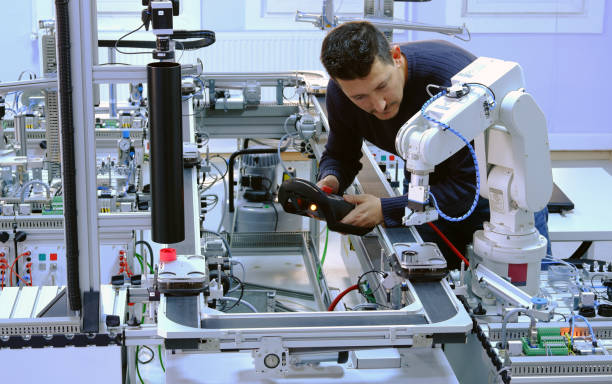
Students complete foundational education in prosthetics and orthotics or related fields, learning core concepts while gaining initial exposure to device fabrication. They develop technical skills through coursework and early projects. Their training builds biomechanical foundations through lectures and lab exposure. They are beginning their journey toward specialization, often exploring assistive devices through clinical rotations or internships.
 4.4
4.4

Graduate Trainee (Bachelor’s/Master's)
Trainees in advanced programs focus on specialized studies in prosthetics and orthotics, learning design and fitting techniques under supervision. They provide support in clinical or lab settings, mastering fabrication strategies. Their training develops technical judgment through hands-on practice. They are preparing for professional roles by seeking exposure to diverse mobility challenges and building foundational skills for industry entry.
4.4

Junior Orthotist / Prosthetist
Early-career professionals establish roles in clinical or industrial settings while developing their expertise in device design and fitting. They build independent projects by conducting routine assessments and fabrications. Their work establishes professional reputation through effective solutions and collaboration with peers. They are developing specialty expertise, often focusing on areas like pediatric orthotics or lower-limb prosthetics to build a niche within the field.
4.4

Established Orthotist / Prosthetist
Mid-career professionals maintain active roles in clinical or research settings, often developing subspecialty interests within prosthetics and orthotics such as sports orthotics or bionic limbs. They manage complex cases, including high-impact solutions for mobility challenges, often serving as referral experts for innovative designs. Their expertise attracts partnerships, solidifying their role in healthcare networks. They are central to quality delivery, balancing technical duties with mentorship of junior colleagues.
4.4

Senior Orthotist / Prosthetist /Team Lead
Experienced professionals often take leadership roles, overseeing clinical teams or fabrication labs while mentoring junior staff and shaping device protocols. They provide professional leadership by guiding standards and integrating new methodologies into practice. Their experience guides project direction, influencing innovation and training initiatives. They are crucial for organizational excellence, ensuring high-quality solutions and fostering a culture of continuous improvement within their teams.
4.4

Clinical Director/Technology Consultant
Top-level professionals may direct clinical programs or consult on prosthetic technology development, combining technical expertise with strategic leadership and advocacy responsibilities. They provide institutional leadership by overseeing innovation initiatives and design curricula at organizations or industry levels. Their influence shapes the specialty through policy advocacy, published works, and training the next generation of orthotists/prosthetists. They are essential for advancing the field, driving innovation in assistive device management.
4.4

Pediatric Orthotist (Specialized Role)
Professionals focus exclusively on designing and fitting devices for children, with expertise in growth-related biomechanical challenges. They focus on precision, addressing unique challenges of pediatric mobility. Their specialization addresses societal demands, tailoring solutions to maximize developmental outcomes. They are essential for pediatric standards, often working in clinical settings to provide impactful, child-centered solutions.
4.4
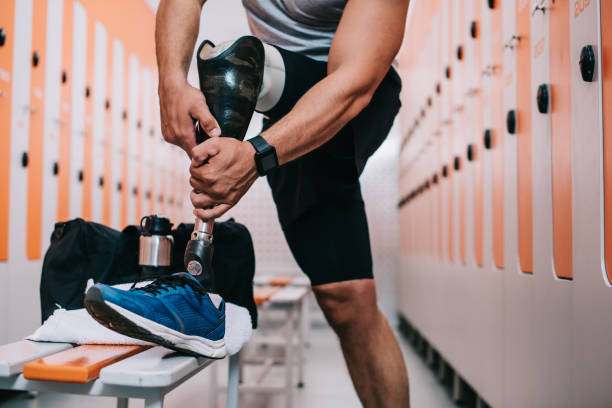
Sports Orthotist / Prosthetist (Specialized Role)
Experts in this track work on devices for athletes with disabilities, focusing on performance-enhancing designs for mobility or support. They drive innovation by enhancing device frameworks through evidence-based design. Their work bridges biomechanics and athletic support, ensuring interventions align with patient needs. They are key to sports rehabilitation, pushing the boundaries of orthotic and prosthetic technology in competitive solutions.
4.4
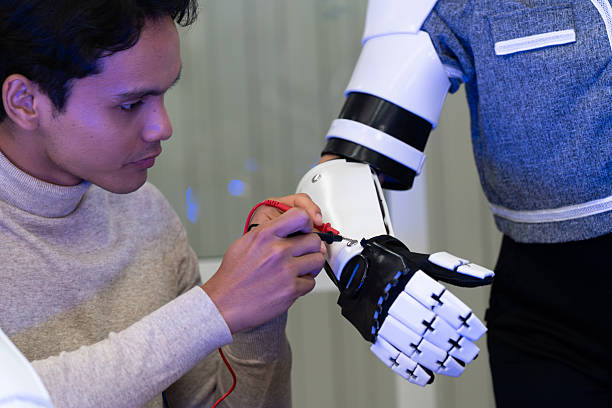
Bionic Prosthetics Specialist (Specialized Role)
Senior professionals in this role leverage their expertise to design and fit advanced robotic or bionic limbs, often in cutting-edge clinical or research sectors. They shape outcomes by advising on smart technology strategies and mobility interventions. Their insights guide decision-making, ensuring research translates to practical functionality. They are instrumental in prosthetic innovation, advocating for advanced technology’s role in rehabilitation solutions.
4.4

Rehabilitation Technology Innovator (Specialized Role)
Professionals focus on pioneering new orthotic and prosthetic devices, exploring applications like wearable tech or smart materials for disability support. They drive innovation by bridging rehabilitation technology with cutting-edge solutions. Their work connects research with practical outcomes, ensuring advancements meet professional standards. They are key to device progress, pushing the boundaries of orthotic and prosthetic technology in health innovation.
4.4

Every Student, Career Ready!

This page includes information from O*NET Resource Center by the U.S. Department of Labor, Employment and Training Administration (USDOL/ETA). Used under the CC BY 4.0 license. O*NET® is a trademark of USDOL/ETA.
© 2025 TopTeen. All rights reserved.