Welcome to the Study Abroad Counsellor Training Course for the Japan

Japan Education, Admissions, Visa & Student Counselling

Japan is no longer simply an alternative study destination for international students. It is a distinctive education ecosystem that combines academic excellence, advanced technology, research, innovation, vocational education and a strong culture of discipline and professionalism. For Indian students, however, counselling for Japan requires much more than knowledge of universities and admission requirements. It requires an understanding of Japan as a destination, its education system, study pathways, language requirements, costs, immigration processes, student life, employment opportunities and the expectations of students and families.

This comprehensive Japan Study Abroad Counsellor Training Course is designed to equip education counsellors with the knowledge, practical skills and professional judgement required to guide students confidently and responsibly through their Japan study journey.

The course takes counsellors through the complete student journey — from understanding why a student may choose Japan to helping them identify the right programme and institution, prepare for admission, plan finances, understand scholarships and navigate the student visa process. It then moves beyond admission to accommodation, student life, part-time work, career opportunities and post-study planning.

What makes this course distinctive is its progression from knowledge to application. Counsellors first build a strong understanding of Japan and its education landscape, then learn how to assess courses, institutions, admissions, language requirements, costs and immigration processes. The later modules transform this knowledge into professional counselling practice through student profiling, structured counselling processes, ethical standards, practical working tools and realistic case studies.

The course also recognizes that effective international education counselling does not end with securing an admission offer. A counsellor must be able to understand the student's academic profile, career aspirations, financial capacity, language readiness, expectations and individual circumstances, and then translate these into a realistic Japan study plan. The course therefore develops the ability to move from "What does Japan offer?" to the far more important question: "What is the right Japan pathway for this student?"

A strong emphasis is placed on responsible and ethical counselling. Counsellors learn how to communicate information accurately, explain costs transparently, verify documents, protect student information, manage commercial interests, avoid false promises and communicate responsibly about employment, immigration and long-term residence. This ensures that counselling remains student-centred, evidence-based and professionally responsible.

The course is also designed to be practical. The Japan Counsellor Toolkit provides ready-to-use resources including student profile forms, eligibility checklists, academic and language assessment sheets, programme and university comparison tools, admission and visa checklists, financial and scholarship worksheets, pre-departure tools, parent counselling resources and official information reference guides. These tools are intended to become part of the counsellor's everyday workflow rather than simply being theoretical learning material.

The final stage of the course brings everything together through realistic Japan counselling case studies. These cover situations such as undergraduate applicants, Master's applicants, students without Japanese language skills, students with low academic scores or study gaps, budget-conscious students, English-taught programme seekers, students planning to work in Japan, vocational applicants, students with weaker visa profiles and parents expecting guaranteed employment. This allows counsellors to practise applying their knowledge to the kinds of complex and varied situations they are likely to encounter in real counselling.

Price: ₹ 2000.00
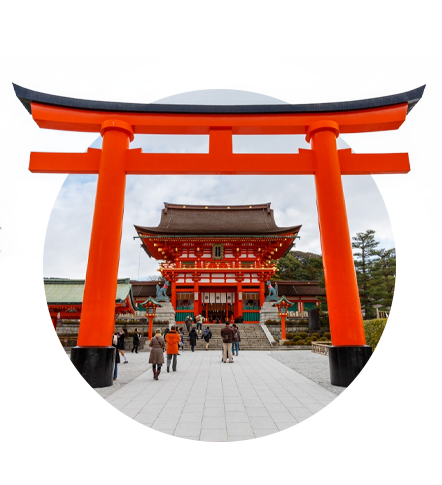
Japan

Course Overview

  • Introduction
  • 1.1 Welcome to the Japan Counsellor Training Course
  • 1.2 Why Japan?
  • 1.3 Japan as a Global Education Destination
  • 1.4 Key Advantages of Studying in Japan
  • 1.5 Education, Technology, Innovation & Research in Japan
  • 1.6 Safety, Quality of Life & Student Experience
  • 1.7 Japan for International Students
  • 1.8 Japan's Major Student Cities & Regions
  • 1.9 Understanding Japan's International Education Market
  • 1.10 Who Is Japan Right For?
  • 1.11 Common Misconceptions About Studying in Japan

  • Introduction
  • 2.1 Geography & Major Regions
  • 2.2 Major Cities for International Students
  • 2.3 Japanese Culture & Society
  • 2.4 Cost of Living Across Different Cities
  • 2.5 Transportation & Connectivity
  • 2.6 Safety & Healthcare
  • 2.7 Japanese Social & Cultural Etiquette
  • 2.8 Academic & Workplace Culture
  • 2.9 Climate & Seasonal Considerations
  • 2.10 What International Students Should Expect

  • Introduction
  • 3.1 Overview of the Japanese Education System
  • 3.2 Types of Higher Education Institutions
  • 3.3 National Universities
  • 3.4 Public Universities
  • 3.5 Private Universities
  • 3.6 Junior Colleges
  • 3.7 Professional & Vocational Institutions
  • 3.8 Japanese Language Schools
  • 3.9 Specialised Training Colleges
  • 3.10 Research Institutions
  • 3.11 Undergraduate Education
  • 3.12 Master's Education
  • 3.13 Doctoral Education
  • 3.14 Academic Qualifications & Degrees

  • Introduction
  • 4.1 Direct Entry to University
  • 4.2 Japanese Language School Pathway
  • 4.3 Language School → University
  • 4.4 Language School → Vocational Education
  • 4.5 Foundation & Preparatory Pathways
  • 4.6 Undergraduate Pathways
  • 4.7 Postgraduate Pathways
  • 4.8 Research Student Pathways
  • 4.9 Vocational & Career-Focused Pathways
  • 4.10 Short-Term & Exchange Opportunities
  • 4.11 English-Taught vs Japanese-Taught Programmes
  • 4.12 Choosing the Right Pathway for the Student

  • Introduction
  • 5.1 Understanding Faculties, Departments & Majors
  • 5.2 Business & Management
  • 5.3 Engineering
  • 5.4 Information Technology & Computer Science
  • 5.5 Artificial Intelligence & Data Science
  • 5.6 Robotics & Automation
  • 5.7 Manufacturing & Automotive
  • 5.8 Life Sciences & Biotechnology
  • 5.9 Healthcare & Related Fields
  • 5.10 Economics & Finance
  • 5.11 Hospitality & Tourism
  • 5.12 Design & Creative Studies
  • 5.13 Humanities & Social Sciences
  • 5.14 Emerging Fields of Study
  • 5.15 Matching Courses with Career Goals

  • Introduction
  • 6.1 How to Research Japanese Institutions
  • 6.2 Understanding University Reputation
  • 6.3 Rankings — What Counsellors Need to Know
  • 6.4 Programme Curriculum & Structure
  • 6.5 Entry Requirements
  • 6.6 Location & Campus
  • 6.7 Tuition Fees
  • 6.8 Scholarships
  • 6.9 Student Support Services
  • 6.10 Employment & Career Outcomes
  • 6.11 Building a Student Shortlist
  • 6.12 Comparing Institutions
  • 6.13 Red Flags When Evaluating Institutions

  • Introduction
  • 7.1 Understanding Japanese Admission Requirements
  • 7.2 Academic Qualifications
  • 7.3 Academic Percentage & Grade Requirements
  • 7.4 Study Gaps
  • 7.5 Age Considerations
  • 7.6 English Language Requirements
  • 7.7 Japanese Language Requirements
  • 7.8 JLPT & Other Japanese Language Qualifications
  • 7.9 Entrance Examinations
  • 7.10 Interviews
  • 7.11 Research Proposals
  • 7.12 SOPs & Motivation Letters
  • 7.13 Letters of Recommendation
  • 7.14 Portfolios & Supporting Documents
  • 7.15 Application Deadlines & Intakes
  • 7.16 Application Fees
  • 7.17 Common Admission Mistakes

  • Introduction
  • 8.1 Why Japanese Language Matters
  • 8.2 Understanding JLPT
  • 8.3 JLPT Levels: N5 to N1
  • 8.4 Japanese Language Requirements by Programme
  • 8.5 Japanese Language Schools
  • 8.6 English-Taught Degree Programmes
  • 8.7 English Language Requirements
  • 8.8 IELTS, TOEFL & Other Accepted Tests
  • 8.9 Students Without Japanese Language Skills
  • 8.10 Choosing Between English-Taught and Japanese-Taught Programmes
  • 8.11 Language Preparation Before Departure
  • 8.12 Counselling Students on Language Expectations

  • Introduction
  • 9.1 Understanding Japanese Tuition Fees
  • 9.2 National vs Public vs Private University Costs
  • 9.3 Undergraduate Tuition
  • 9.4 Postgraduate Tuition
  • 9.5 Vocational Education Costs
  • 9.6 Japanese Language School Costs
  • 9.7 Admission & Entrance Fees
  • 9.8 Accommodation Costs
  • 9.9 Food & Daily Expenses
  • 9.10 Transportation
  • 9.11 Health Insurance
  • 9.12 Other Student Expenses
  • 9.13 Tokyo vs Regional Cities
  • 9.14 Estimating the Total Cost of Study
  • 9.15 Building a Student Budget

  • Introduction
  • 10.1 Understanding Scholarships in Japan
  • 10.2 Government Scholarships
  • 10.3 MEXT Scholarship
  • 10.4 University Scholarships
  • 10.5 Tuition Fee Waivers & Reductions
  • 10.6 Private Scholarships
  • 10.7 Scholarships for Undergraduate Students
  • 10.8 Scholarships for Postgraduate Students
  • 10.9 Scholarship Eligibility
  • 10.10 Scholarship Application Process
  • 10.11 How Counsellors Should Present Scholarships
  • 10.12 Common Scholarship Misconceptions

  • Introduction
  • 11.1 Understanding Japan's Student Visa
  • 11.2 Status of Residence
  • 11.3 Certificate of Eligibility — COE
  • 11.4 COE Application Process
  • 11.5 Role of the Institution
  • 11.6 Financial Sponsorship
  • 11.7 Proof of Funds
  • 11.8 Required Documentation
  • 11.9 Visa Application Process
  • 11.10 Visa Processing Timeline
  • 11.11 Common Reasons for Delays or Problems
  • 11.12 Visa Conditions
  • 11.13 Residence Card
  • 11.14 Residence Registration
  • 11.15 Visa Extension & Renewal
  • 11.16 Change of Institution or Course
  • 11.17 Dependants
  • 11.18 Immigration Compliance
  • 11.19 Common Visa Mistakes
  • 11.20 Counsellor's Visa Checklist

  • Introduction
  • 12.1 Accommodation Options
  • 12.2 University Dormitories
  • 12.3 Private Accommodation
  • 12.4 Homestays
  • 12.5 Rental Contracts & Deposits
  • 12.6 Finding Accommodation
  • 12.7 Banking & Mobile Services
  • 12.8 Public Transportation
  • 12.9 Healthcare & Insurance
  • 12.10 Food & Daily Life
  • 12.11 Safety & Emergency Services
  • 12.12 Student Communities
  • 12.13 Cultural Adjustment
  • 12.14 Homesickness & Support
  • 12.15 Student Responsibilities

  • Introduction
  • 13.1 Can International Students Work in Japan?
  • 13.2 Permission for Part-Time Employment
  • 13.3 Working Hours & Legal Restrictions
  • 13.4 Types of Part-Time Jobs
  • 13.5 Finding Part-Time Employment
  • 13.6 Japanese Language & Employability
  • 13.7 Balancing Work & Studies
  • 13.8 Financial Expectations & Realistic Earnings
  • 13.9 Common Mistakes & Immigration Risks

  • Introduction
  • 14.1 Employment Opportunities for International Graduates
  • 14.2 Japan's Demand for International Talent
  • 14.3 High-Demand Industries
  • 14.4 Technology, IT & Data Careers
  • 14.5 Engineering & Manufacturing Careers
  • 14.6 Business, Finance & Management Careers
  • 14.7 Healthcare & Life Sciences
  • 14.8 Hospitality & Tourism
  • 14.9 Japanese Language & Employability
  • 14.10 Job Search in Japan
  • 14.11 Transition from Student to Employee
  • 14.12 Changing Status of Residence for Employment
  • 14.13 Post-Study Opportunities
  • 14.14 Long-Term Career Planning

  • Introduction
  • 15.1 Understanding the Student's Objectives
  • 15.2 Assessing the Academic Profile
  • 15.3 Assessing Career Goals
  • 15.4 Assessing Financial Capacity
  • 15.5 Assessing Language Readiness
  • 15.6 Assessing Study Gaps & Academic History
  • 15.7 Identifying the Appropriate Study Pathway
  • 15.8 Matching Students with Programmes & Institutions
  • 15.9 Assessing Overall Student Suitability
  • 15.10 Managing Parent Expectations
  • 15.11 Managing Student Expectations
  • 15.12 Handling Difficult Counselling Conversations
  • 15.13 Building an Individual Japan Study Plan
  • 15.14 Ethical Decision-Making in Student Counselling

  • Introduction
  • 16.1 Understanding the Student Enquiry
  • 16.2 Initial Counselling & Information Gathering
  • 16.3 Student Profiling
  • 16.4 Needs & Goal Identification
  • 16.5 Course and Pathway Recommendation
  • 16.6 Institution Shortlisting
  • 16.7 Presenting Options to Students & Parents
  • 16.8 Application Planning
  • 16.9 Financial & Scholarship Planning
  • 16.10 Pre-Departure Counselling
  • 16.11 Post-Arrival Follow-Up
  • 16.12 Maintaining the Student Relationship
  • 16.13 Counsellor Follow-Up & Documentation

  • Introduction
  • 17.1 Student-First Counselling
  • 17.2 Accuracy & Responsible Information Sharing
  • 17.3 Transparency in Fees & Costs
  • 17.4 Ethical Student Recruitment
  • 17.5 Managing Commercial Interests
  • 17.6 Document Authenticity & Verification
  • 17.7 Identifying Misrepresentation
  • 17.8 Student Privacy & Data Protection
  • 17.9 Avoiding False Promises
  • 17.10 Responsible Communication About Employment & Career Opportunities
  • 17.11 Responsible Communication About Long-Term Residence & Immigration
  • 17.12 Professional Communication with Institutions
  • 17.13 Maintaining Professional Standards

  • Introduction
  • 18.1 Student Profile Form
  • 18.2 STUDENT ELIGIBILITY CHECKLIST
  • 18.3 ACADEMIC & LANGUAGE ASSESSMENT SHEET
  • 18.4 COURSE & PROGRAMME SELECTION SHEET
  • 18.5 UNIVERSITY COMPARISON SHEET
  • 18.6 ADMISSION DOCUMENT CHECKLIST
  • 18.7 FINANCIAL PLANNING WORKSHEET
  • 18.8 SCHOLARSHIP CHECKLIST
  • 18.9 COE DOCUMENT CHECKLIST
  • 18.10 VISA DOCUMENT CHECKLIST
  • 18.11 PRE-DEPARTURE CHECKLIST
  • 18.12 STUDENT COUNSELLING QUESTIONNAIRE
  • 18.13 PARENT COUNSELLING GUIDE
  • 18.14 COMMON STUDENT QUESTIONS & COUNSELLOR RESPONSES
  • 18.15 OFFICIAL INFORMATION SOURCES & REFERENCE GUIDE

  • Introduction
  • 19.1 Undergraduate Student — Profile to Study Plan
  • 19.2 Master's Applicant — Programme & Institution Selection
  • 19.3 Student Without Japanese Language Skills
  • 19.4 Student With Low Academic Scores
  • 19.5 Student With a Study Gap
  • 19.6 Budget-Conscious Student
  • 19.7 Student Seeking an English-Taught Programme
  • 19.8 Student Planning to Work in Japan
  • 19.9 Vocational Education Applicant
  • 19.10 Student With a Weak Visa Profile
  • 19.11 Parent Expecting Guaranteed Employment
  • 19.12 Student Choosing Between Japan & Another Destination

What This Course Builds

By the end of the course, counsellors will be equipped to:

The Counsellor's Journey

The course follows a deliberate progression:

Understand Japan → Understand Education → Understand Courses → Understand Admissions → Understand Language → Understand Costs → Understand Visa → Understand Student Life → Understand Work → Understand Careers → Learn to Counsel → Learn the Counselling Process → Learn Professional Ethics → Use Counselling Tools → Apply Knowledge to Cases.

This progression transforms information into capability.

By the end of the course, the counsellor is not simply expected to know about studying in Japan. They are expected to be able to assess a student, identify appropriate pathways, evaluate options, explain requirements and costs, manage expectations, support the application journey and provide responsible guidance at every important stage.

The ultimate objective is simple: to develop counsellors who can help students make informed, realistic and well-prepared decisions about studying in Japan — with confidence, accuracy and professional integrity.