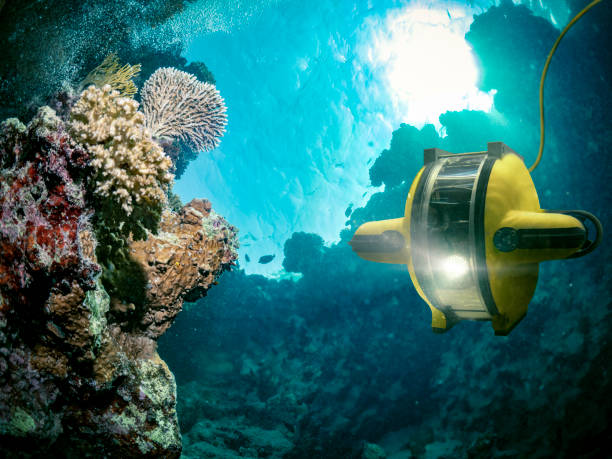
When you think of a career in ocean conservation, you probably picture a marine biologist in SCUBA gear diving deep into a tropical coral reef to track sea turtles.
While field research is a massive and vital part of protecting our oceans, the truth is that the workforce dedicated to preserving and sustainably managing marine resources has exploded. Protecting Earth's largest ecosystem from climate change, overfishing, and plastic pollution requires a massive network of professionals.
If you want to make the ocean your life's work, you do not necessarily need to spend your entire day on a research boat. Here is a look at the emerging career tracks in ocean conservation and how to dive in early.
The Modern Blue Workforce: 4 Crucial Tracks
Today's ocean conservation teams are cross-disciplinary. It takes a mix of hard data, advanced engineering, legal strategy, and creative storytelling to save the seas.
1. The High-Tech Scientist (Data & eDNA)
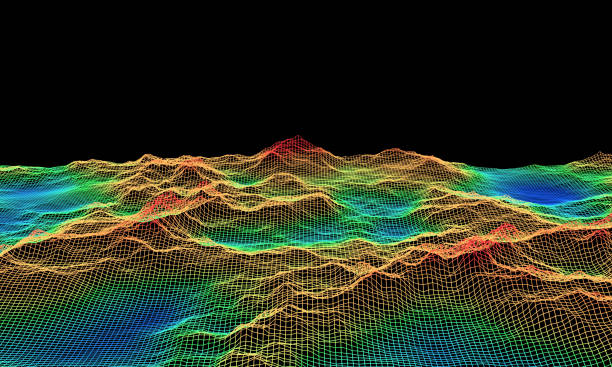
Marine biology has gone digital. Modern researchers use eDNA (environmental DNA)—sampling a single cup of ocean water to identify every marine species that swam through it by the microscopic skin or waste cells they left behind. This track is perfect for students who love biology but also have a knack for data science, computer modeling, and mapping tools like GIS (Geographic Information Systems).
2. The Aquatic Habitat Restoration Specialist
These professionals act as the engineers of the underwater world. Instead of just studying damage, restoration specialists design and actively rebuild degraded ecosystems. They build artificial reef structures, replant struggling mangrove forests to prevent coastal erosion, and restore damaged kelp forests.
3. The Marine Policy Analyst & Advocate
Science alone cannot change the law. Policy analysts sit at the intersection of environmental law, economics, and biology. They look at data regarding dwindling fish populations or rising plastic pollution and translate it into strict government legislation, sustainable fishing quotas, and the creation of Marine Protected Areas.
4. The Coastal Resource Manager
More than 40 percent of the world’s population lives near a coastline. Coastal managers work with beachside cities, tourism boards, and maritime ports to balance human activity with environmental safety. They tackle immediate climate challenges like rising sea levels, industrial runoff, and beach erosion.
Mapping Your Options: Careers At a Glance
The scope of ocean careers spans various skill sets, educational paths, and day-to-day environments:
| Career Title | Core Responsibility | Primary Work Setting | Best High School Focus |
|---|---|---|---|
| Fisheries Observer / Biologist | Tracks fish stocks and monitors commercial vessel compliance. | Commercial ships & research labs | Statistics, Zoology, Chemistry |
| Marine Ecologist | Studies how marine species interact with changing climate variables. | Ocean field sites & universities | AP Biology, Environmental Science |
| Coastal Zone Analyst | Uses data mapping to protect shorelines from storms and erosion. | Government agencies & tech offices | Geography, Computer Science, GIS |
| Marine Communications Expert | Translates complex marine data into public campaigns and media. | Non-profits & conservation agencies | Journalism, Graphic Design, Media |
How to Build Your "Blue Resume" in High School
You do not need to wait until college to start protecting the ocean. Here is how you can build relevant skills right from your hometown:
- Get Involved in Citizen Science: You can contribute to real global ocean datasets without living near a coast. Programs run by major scientific agencies look for volunteers to analyze satellite images, identify marine mammal migration patterns online, or log local waterway health.
- Master Data and Coding Fundamentals: The modern ocean professional spends significant time using software to build predictive climate models. Taking introductory courses in Python, statistics, or data visualization will put you miles ahead of other applicants entering college marine biology programs.
- Start Local (Every River Leads to the Sea): Ocean pollution starts inland. Organizing a local river, lake, or park cleanup, or launching a school initiative to audit and reduce single-use plastics in your cafeteria, counts as genuine grassroots environmental leadership.
The Big Picture: The ocean covers over 70 percent of our planet, regulates our climate, and produces over half of the world's oxygen. Saving it requires a diverse army of thinkers. Whether you want to write code to track illegal fishing vessels, draft international environmental treaties, or restore coral reefs hands-on, there is a place for your unique skill set in the future of marine conservation.