Think about your favourite niche topic. Whether it’s deep-diving into Formula 1 telemetry, analyzing the cinematography of classic sci-fi films, exploring the basics of quantum physics, or just interviewing local business owners in your community—there is a global audience waiting to hear about it.
The best part? You don’t need an expensive, soundproof studio or thousands of dollars in high-end audio gear to reach them.
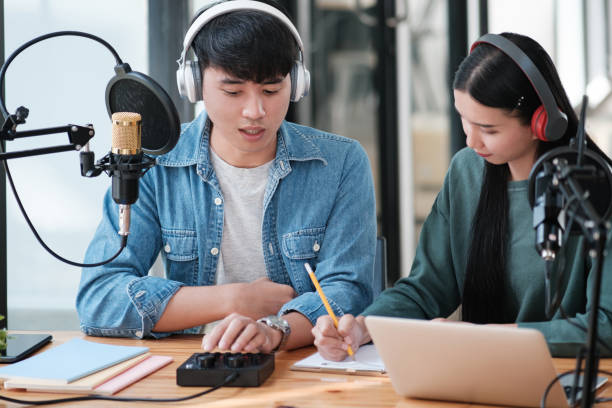
Podcasting has become one of the most accessible ways for high schoolers to build a personal brand, practice public speaking, and share their passions with the world. With tools available right now, you can launch a professional-sounding show entirely on a shoestring budget.
Here is your exact, step-by-step game plan to go from an idea to your very first published episode without breaking the bank.
1. Concept Over Equipment
Before you spend a single cent, you need a clear concept. The most common reason new podcasts fail after three episodes (a phenomenon called "podfading") is a lack of focus.
- Find Your Specific Niche: Don't just make a generic "sports podcast" or "gaming show." Narrow it down. Instead of gaming, focus on “The Psychology of Game Design in Indie RPGs.” Instead of sports, focus on “Analyzing Soccer Tactics for Gen-Z Fans.” Specificity attracts loyal listeners.
- Pick Your Format: Will you host solo, have a permanent co-host, or run an interview-based show? Solo shows are the easiest to edit, while interviews give you access to other people's audiences.
2. The Zero Audio Setup
Many people assume they need a $300 microphone and a dedicated mixer to start. That is a myth. Listeners value clean audio, but you can achieve that using hardware you likely already own.
- The Microphone: The built-in microphone on your smartphone or a standard pair of wired earbuds with an inline mic is more than enough to get started.
- The "Studio": The most expensive microphone will sound terrible in a room with bare walls and hardwood floors because the sound bounces around, creating an echo. To fix this for free, record in a walk-in closet full of clothes, or sit on your bed surrounded by heavy blankets and pillows. The soft fabrics absorb the sound waves, giving you a crisp, warm, studio-quality sound.
3. Free Software for Editing and Recording
Once you have your audio recorded, you need to clean it up and assemble your episode. You don’t need to pay for premium software.
- For Recording and Editing: Use Audacity (Mac/Windows) or GarageBand (Mac). Both are completely free and offer powerful, intuitive tools to slice out long pauses, mistakes, or annoying "umms" and "ahs."
- AI Audio Enhancement: If your recording still has a bit of background hiss or room echo, run your audio file through a free AI tool like Adobe Podcast Enhance. It automatically cleans up background noise and adjusts your levels, making a cheap phone microphone sound like an expensive broadcast mic in seconds.
- Music and Intros: Never use copyrighted music from your favorite artists, or your show will get flagged and taken down. Instead, source free, royalty-free background tracks from the YouTube Audio Library or Free Music Archive.
4. Hosting and Distribution (The Secret to Getting on Spotify and Apple)
You cannot upload an audio file directly to Spotify or Apple Podcasts. Instead, you upload your episodes to a podcast host, which generates a special link called an RSS feed. This feed automatically pushes your episodes to all major listening platforms.
- The Budget Pick: Use a platform like Spotify for Podcasters (formerly Anchor) or Acast. Both offer completely free hosting tiers with no limits on the number of episodes you can upload.
- Cover Art: Use Canva to design your podcast cover art. Keep it simple, clean, and bold. Remember, most people will see your cover art as a tiny thumbnail on their phones, so make sure the title text is large, high-contrast, and easy to read.
5. Laundering Your Skills Onto Your Resume
A podcast isn't just a fun hobby—it is a massive indicator of drive and executive function that look incredible on college applications and job resumes. Running a show proves you have mastered a suite of valuable professional skills:
| The Podcast Task | The Resume Skill |
|---|---|
| Scheduling and researching interview guests | Project Management & Professional Networking |
| Editing audio tracks and adjusting EQ levels | Digital Media Production & Software Literacy |
| Writing episode descriptions and show notes | SEO Copywriting & Content Marketing |
| Speaking clearly for 20-30 minutes | Advanced Oral Communication & Storytelling |
Launch First, Upgrade Later
Don't let the fear of not having perfect gear hold you back. Every major podcaster started with an imperfect setup. The most critical step is hitting the record button and putting your unique voice out into the world.
Consistently publish high-quality content, engage with your listeners, and focus on your niche. You can always buy a fancier microphone down the road once your audience begins to grow.