Acupuncturist
Certified Acupuncturist
Explore Career
An Anaesthesiologist is a highly specialized medical professional who administers Anaesthesia to patients undergoing surgical, diagnostic, or therapeutic procedures, ensuring pain management, safety, and comfort throughout the process. They operate within hospitals, surgical centers, and specialized clinics, collaborating with surgeons, nurses, and other healthcare providers to deliver critical care during medical interventions. Anaesthesiologist s play a crucial role in patient safety and surgical outcomes in an era where advanced medical technologies, minimally invasive procedures, and personalized care are central to healthcare delivery.
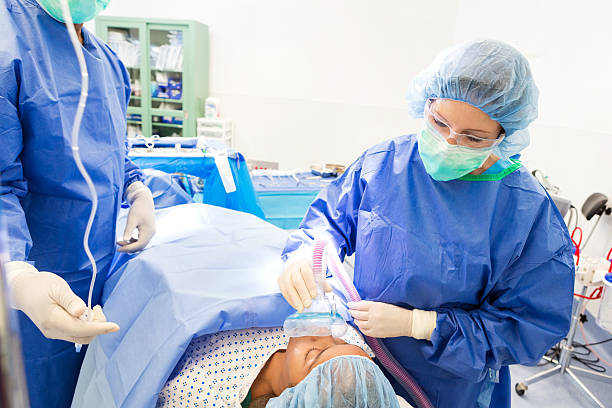
Anaesthesiologist s are meticulous and highly trained physicians tasked with evaluating patients, determining appropriate Anaesthesia plans, and monitoring vital signs during procedures to prevent complications and ensure optimal recovery. Their role includes administering Anaesthesia, managing pain, and addressing challenges ranging from patient-specific health conditions to emergency responses. They combine skills in pharmacology, physiology, and critical care, working in high-pressure environments like operating rooms, intensive care units, or pain management clinics to provide life-sustaining support. As key contributors to medical teams, Anaesthesiologist s drive patient safety and procedural success in a landscape increasingly focused on precision medicine, advanced monitoring systems, and holistic care.
| Route | Steps |
| Route 1 | 1. 10+2 in Science stream with Physics, Chemistry, and Biology (PCB) |
| 2. Bachelor of Medicine and Bachelor of Surgery (MBBS) (5.5 years including internship) | |
| 3. Postgraduate degree (MD or DNB) in Anesthesiology (3 years) | |
| 4. Start as a Junior Anaesthesiologist in hospitals or clinics | |
| Route 2 | 1. 10+2 in Science stream with Physics, Chemistry, and Biology (PCB) |
| 2. MBBS (5.5 years including internship) | |
| 3. Diploma in Anaesthesia (DA) (2 years) | |
| 4. Work as an Anaesthesiologist after gaining hands-on experience | |
| Route 3 | 1. 10+2 in Science stream with Physics, Chemistry, and Biology (PCB) |
| 2. MBBS (5.5 years including internship) | |
| 3. MD/DNB in Anesthesiology (3 years) | |
| 4. Super-specialization (DM or Fellowship) in areas like Critical Care or Pain Management (1-2 years) | |
| Route 4 | 1. 10+2 in Science stream with Physics, Chemistry, and Biology (PCB) |
| 2. International medical degree equivalent to MBBS (4-6 years) | |
| 3. Postgraduate training in Anesthesiology as per country requirements | |
| 4. Serve as Anaesthesiologist in multinational hospitals or research centers |
| Institute | Course/Program | Official Link |
| All India Institute of Medical Sciences (AIIMS), New Delhi | MD in Anesthesiology | https://www.aiims.edu/ |
| Postgraduate Institute of Medical Education and Research (PGIMER), Chandigarh | MD in Anesthesiology | https://pgimer.edu.in/ |
| Christian Medical College (CMC), Vellore | MD & Diploma in Anaesthesia | https://www.cmch-vellore.edu/ |
| King George’s Medical University (KGMU), Lucknow | MD in Anesthesiology | https://www.kgmu.org/ |
| Maulana Azad Medical College (MAMC), New Delhi | MD in Anesthesiology | https://www.mamc.ac.in/ |
| Seth GS Medical College & KEM Hospital, Mumbai | MD in Anesthesiology | https://www.kem.edu/ |
| Jawaharlal Institute of Postgraduate Medical Education & Research (JIPMER), Puducherry | MD in Anesthesiology | https://www.jipmer.edu.in/ |
| Bangalore Medical College and Research Institute (BMCRI), Bangalore | MD in Anesthesiology | https://www.bmcri.org/ |
| Kasturba Medical College (KMC), Manipal | MD in Anesthesiology | https://manipal.edu/kmc-manipal.html |
| Madras Medical College (MMC), Chennai | MD & Diploma in Anaesthesia | https://www.mmc.ac.in/ |
| Institution | Course | Country | Official Link |
| Harvard Medical School, Boston | MD with Residency in Anesthesiology | USA | https://hms.harvard.edu/ |
| Johns Hopkins University School of Medicine, Baltimore | MD with Anesthesiology Residency | USA | https://www.hopkinsmedicine.org/ |
| University of Oxford, Medical Sciences Division | BM BCh with Specialty Training in Anaesthesia | UK | https://www.medsci.ox.ac.uk/ |
| University College London (UCL), Faculty of Medical Sciences | MBBS with Anaesthesia Training | UK | https://www.ucl.ac.uk/medical-sciences/ |
| Stanford University School of Medicine, Stanford | MD with Anesthesiology Residency | USA | https://med.stanford.edu/ |
| University of Toronto, Faculty of Medicine | MD with Postgraduate Training in Anesthesiology | Canada | https://medicine.utoronto.ca/ |
| University of Melbourne, Melbourne Medical School | Doctor of Medicine (MD) with Anaesthesia Training | Australia | https://medicine.unimelb.edu.au/ |
| Karolinska Institutet, Stockholm | MD with Specialization in Anesthesiology | Sweden | https://ki.se/en |
| National University of Singapore (NUS), Yong Loo Lin School of Medicine | MBBS with Anaesthesia Residency | Singapore | https://medicine.nus.edu.sg/ |
| University of Cape Town, Faculty of Health Sciences | MBChB with Anaesthesia Specialization | South Africa | https://health.uct.ac.za/ |
India:
International:
Junior Anaesthesiologist → Anaesthesiologist → Senior Anaesthesiologist → Consultant Anaesthesiologist → Head of Anesthesiology Department → Pain Management Specialist → Critical Care Specialist → Medical Director → Research Scientist → Medical Educator
| India | International |
| Apollo Hospitals | Mayo Clinic, USA |
| Fortis Healthcare | Cleveland Clinic, USA |
| Max Healthcare | Johns Hopkins Hospital, USA |
| AIIMS (All India Institute of Medical Sciences) | Massachusetts General Hospital, USA |
| Medanta - The Medicity | Stanford Health Care, USA |
| Manipal Hospitals | NHS (National Health Service), UK |
| Narayana Health | Toronto General Hospital, Canada |
| CMC (Christian Medical College) | Royal Melbourne Hospital, Australia |
| Lilavati Hospital, Mumbai | Karolinska University Hospital, Sweden |
| Kokilaben Dhirubhai Ambani Hospital | Singapore General Hospital, Singapore |
| Pros | Cons |
| Opportunity to work in life-saving and impactful medical environments | High stress due to critical decision-making and patient safety concerns |
| High demand for Anaesthesiologist s in growing healthcare sectors | Long and irregular hours during surgeries or emergencies |
| Rewarding impact through ensuring patient comfort and surgical success | Risk of burnout due to intense workload and emotional strain |
| Diverse career paths across surgery, pain management, and critical care | High liability and legal risks related to patient outcomes |
| Strong potential for influence with advancements in Anaesthesia techniques | Dependency on continuous learning to keep up with medical innovations |
| Career Level | India (₹ per annum) | International (USD per annum) |
| Junior Anaesthesiologist (Early Career) | 8,00,000 - 15,00,000 | 80,000 - 120,000 |
| Anaesthesiologist (Mid-Career) | 15,00,000 - 25,00,000 | 120,000 - 200,000 |
| Senior Anaesthesiologist /Consultant | 25,00,000 - 40,00,000 | 200,000 - 300,000 |
| Head of Department/Pain Specialist | 40,00,000 - 60,00,000 | 300,000 - 400,000 |
| Medical Director/Research Scientist | 60,00,000+ | 400,000+ |
Note: Salaries vary based on location, experience, employer, and specialization. International figures are approximate and depend on the country and healthcare system. Private practice earnings often depend on patient volume and reputation.
A career as an Anaesthesiologist offers a unique opportunity to contribute to patient safety, surgical success, and pain relief by navigating complex medical landscapes for diverse procedures. From administering life-sustaining Anaesthesia to managing critical care and driving patient recovery, Anaesthesiologist s play a pivotal role in modern healthcare ecosystems. This field combines clinical expertise, critical thinking, and a commitment to solving intricate medical challenges, offering diverse paths in surgery, pain management, critical care, and beyond. For those passionate about medicine, adapting to dynamic healthcare trends, and addressing patient needs in an era of technological evolution, a career as an Anaesthesiologist provides an intellectually stimulating and professionally rewarding journey with the potential to make significant contributions to society by advancing the art and application of Anaesthesia worldwide.

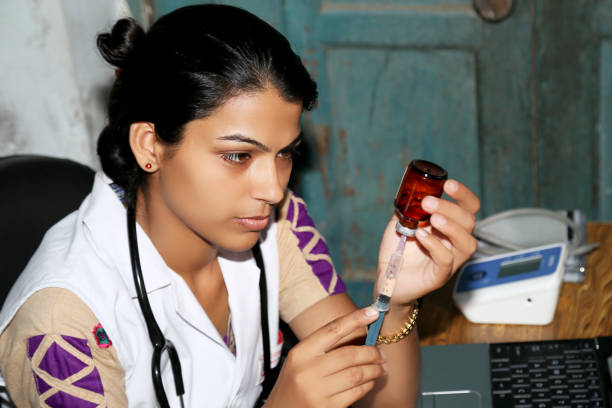
Early-career professionals assist in basic Anaesthesia tasks under supervision. They build skills in patient monitoring while ensuring accurate...
0.0LPA

Experienced professionals manage Anaesthesia for routine surgeries with high competence, using clinical skills. They offer expertise in pain...
0.0LPA
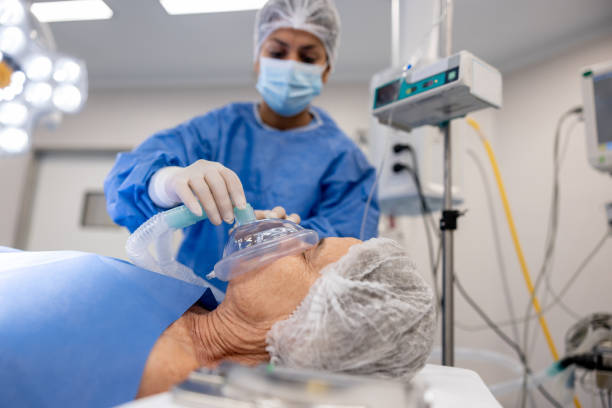
Specialists oversee complex surgeries with exceptional competence. They integrate deep medical knowledge with expertise in critical care for...
0.0LPA
Take the next step and explore more about Anesthesiologist.
Explore similar career paths that might interest you