Aquaculturist

An Aquaculturist is a professional who specializes in the cultivation, management, and study of aquatic organisms such as fish, shellfish, and aquatic plants in controlled environments. They operate within aquaculture farms, research institutions, and agribusinesses, collaborating with farmers, scientists, and policymakers to enhance aquatic production and sustainability. Aquaculturists play a crucial role in modern agriculture and food security in an era where sustainable seafood production, environmental conservation, and climate resilience are increasingly prioritized.
Share :
Career tree mind map (horizontal) — Aquaculturist
Colored branches, hub circles, and underlined topics — same style as counselor course classic (types 18–19 in admin).
Loading mind map…

Overview

An Aquaculturist is a professional who specializes in the cultivation, management, and study of aquatic organisms such as fish, shellfish, and aquatic plants in controlled environments. They operate within aquaculture farms, research institutions, and agribusinesses, collaborating with farmers, scientists, and policymakers to enhance aquatic production and sustainability. Aquaculturists play a crucial role in modern agriculture and food security in an era where sustainable seafood production, environmental conservation, and climate resilience are increasingly prioritized.

Aquaculturists are scientifically trained and agriculturally focused individuals tasked with optimizing the growth, health, and yield of aquatic species through advanced farming techniques and research. Their role includes managing fish farms, controlling diseases, and developing sustainable aquaculture practices. They combine expertise in marine biology, water quality management, and aquatic nutrition, working in diverse settings such as coastal farms, inland hatcheries, and research centers. As key contributors to aquatic agriculture, Aquaculturists drive progress in a landscape increasingly focused on sustainable production, ecosystem balance, and global food supply.

Roles and Responsibilities

💼
Aquaculturist
Roles and Responsibilities
Aquatic Farm Management
Oversee the breeding, feeding, and harvesting of aquatic species like fish, shrimp, and oysters.
Monitor farm conditions to ensure optimal growth and health of aquatic organisms.
Water Quality Control
Analyze and maintain water parameters such as pH, oxygen levels, and temperature in aquaculture systems.
Implement filtration and water treatment methods to prevent contamination and disease.
Disease and Pest Management
Identify and manage diseases and parasites affecting aquatic species, such as bacterial infections or sea lice.
Apply biosecurity measures and treatments to minimize health risks in farms.
Research and Development
Conduct experiments to develop disease-resistant or fast-growing aquatic species.
Study the impact of environmental factors on aquaculture productivity and sustainability.
Feed and Nutrition Management
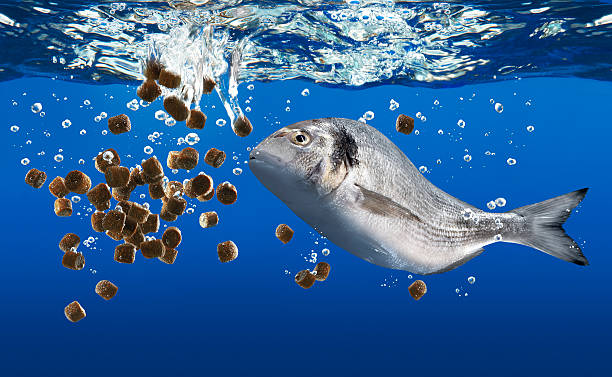
Formulate and provide balanced diets to aquatic species to optimize growth and health.
Evaluate feed efficiency and explore sustainable feed alternatives like plant-based options.
Sustainability Practices
Promote eco-friendly aquaculture practices to reduce environmental impact and overfishing.
Implement systems like recirculating aquaculture systems (RAS) for resource conservation.
Training and Advisory Services
Educate fish farmers and workers on best practices for aquaculture management.
Provide consultancy to aquaculture businesses on modern techniques and market trends.
Regulatory Compliance and Documentation
Ensure compliance with environmental regulations, safety standards, and seafood export requirements.
Maintain records of production, health treatments, and farm management activities.

Roles and Responsibilities

  • Aquatic Farm Management
    • Oversee the breeding, feeding, and harvesting of aquatic species like fish, shrimp, and oysters.
    • Monitor farm conditions to ensure optimal growth and health of aquatic organisms.
  • Water Quality Control
    • Analyze and maintain water parameters such as pH, oxygen levels, and temperature in aquaculture systems.
    • Implement filtration and water treatment methods to prevent contamination and disease.
  • Disease and Pest Management
    • Identify and manage diseases and parasites affecting aquatic species, such as bacterial infections or sea lice.
    • Apply biosecurity measures and treatments to minimize health risks in farms.
  • Research and Development
    • Conduct experiments to develop disease-resistant or fast-growing aquatic species.
    • Study the impact of environmental factors on aquaculture productivity and sustainability.
  • Feed and Nutrition Management
    • Formulate and provide balanced diets to aquatic species to optimize growth and health.
    • Evaluate feed efficiency and explore sustainable feed alternatives like plant-based options.
  • Sustainability Practices
    • Promote eco-friendly aquaculture practices to reduce environmental impact and overfishing.
    • Implement systems like recirculating aquaculture systems (RAS) for resource conservation.
  • Training and Advisory Services
    • Educate fish farmers and workers on best practices for aquaculture management.
    • Provide consultancy to aquaculture businesses on modern techniques and market trends.
  • Regulatory Compliance and Documentation
    • Ensure compliance with environmental regulations, safety standards, and seafood export requirements.
    • Maintain records of production, health treatments, and farm management activities.

Study Route & Eligibility Criteria

Study Route & Eligibility Criteria
Aquaculturist
Route 1
🎓
1
10+2 in Science stream
Route 2
🎓
1
10+2 in Science stream
Route 3
🎓
1
10+2 in Science stream
Route 4
🎓
1
10+2 in Science stream
🎯 Aquaculturist - Professional

Significant Observations (Academic Related Points)

💡
Aquaculturist
Academic Related Points
1
Scientific Foundation
Strong understanding of marine biology and aquaculture systems is essential for Aquaculturists.
2
Analytical Mindset
A focus on research and problem-solving for aquatic health is critical for success.
3
Specialized Training
Advanced degrees or certifications in aquaculture offer niche expertise.
4
Technical Skills
Proficiency in water quality testing and farm management tools is vital for operations.
5
Interdisciplinary Knowledge
Familiarity with ecology, chemistry, and nutrition enhances collaboration.
6
Certification Importance
Recognized credentials in aquaculture management boost credibility in the field.
7
Continuing Education
Regular workshops on new farming techniques are necessary to stay relevant.
8
Global Standards
Exposure to international aquaculture practices enhances career prospects.
9
Attention to Detail
Precision in monitoring water conditions and species health is critical for reliable outcomes.
10
Research Preparation
Competitive roles often require published work or innovation in aquatic science.
11
International Opportunities
Language proficiency or cross-cultural adaptability may be needed for global roles.

Internships & Practical Exposure

💼
Aquaculturist
Internships & Practical Experience
1
Participation in internships at aquaculture farms or fisheries during or after academic programs for hands-on experience.
2
Involvement in student-led aquatic farming projects or hatchery trials for practical exposure.
3
Assisting senior Aquaculturists in disease management or harvest planning for real-world insights.
4
Observerships at research stations or fish farms for advanced learning and mentorship.
5
Participation in aquaculture conferences or workshops for skill development and visibility.
6
Training through collaborative projects like species breeding or water system optimization for diverse exposure.
7
Exposure to industry-standard practices like biosecurity protocols or feed formulation.
8
Project-based learning focusing on varied areas like aquatic disease control or sustainable farming.
9
Community fisheries programs to build practical experience in local aquaculture.
10
International aquaculture training programs or online courses for exposure to global challenges.

Courses & Specializations to Enter the Field

📚
Aquaculturist
Courses & Specializations
📖
Bachelor of Fisheries Science (B.F.Sc.) in Aquaculture.
📖
Master of Fisheries Science (M.F.Sc.) in Aquaculture.
📖
Ph.D. in Aquaculture or Marine Biology.
📖
Diploma in Aquaculture and Fisheries Management.
📖
Specialization in Aquatic Disease Management.
📖
Certification in Sustainable Aquaculture Practices.
📖
Training in Recirculating Aquaculture Systems (RAS).
📖
Workshops on Aquatic Nutrition and Feed Technology.
📖
Short Courses in Post-Harvest Seafood Technology.
📖
Advanced Training in Precision Aquaculture Technologies.

Prominent Employers

🏢
Aquaculturist
🌟 Top Companies & Organizations
🇮🇳 India
🏛️
Central Institute of Fisheries Education (CIFE), Mumbai
🏛️
Indian Council of Agricultural Research (ICAR)
🏛️
Central Marine Fisheries Research Institute (CMFRI), Kochi
🏛️
Tamil Nadu Dr. J. Jayalalithaa Fisheries University (TNJFU)
🏛️
Kerala University of Fisheries and Ocean Studies (KUFOS)
🏛️
National Fisheries Development Board (NFDB), Hyderabad
🏛️
Marine Products Export Development Authority (MPEDA), Kochi
🏛️
Avanti Feeds Limited, Hyderabad
🏛️
Waterbase Limited, Chennai
🏛️
Local Fish Farmer Cooperatives
🌍 International
🌐
WorldFish, Malaysia
🌐
Food and Agriculture Organization (FAO), Global
🌐
NOAA Fisheries, USA
🌐
Marine Harvest (Mowi), Norway
🌐
Cermaq, Norway
🌐
USDA Agricultural Research Service, USA
🌐
AquaBounty Technologies, USA
🌐
Tassal Group, Australia
🌐
Cooke Aquaculture, Canada
🌐
Global Aquaculture Alliance (GAA), Global

Advice for Aspiring Aquaculturists

💡
Aquaculturist
🌟 Tips for Students & Parents
1
Build a strong foundation in marine biology and aquaculture systems to handle diverse farming challenges.
2
Seek early exposure to fish farms or research projects to confirm interest in an aquaculturist career.
3
Prepare thoroughly for entrance exams like ICAR AIEEA to secure admission to top programs.
4
Pursue training in specialties like aquatic disease management or sustainable farming for versatility.
5
Stay updated on aquaculture trends by attending conferences and following research journals.
6
Develop practical skills through consistent participation in internships or hatchery trials.
7
Engage in community or local fisheries programs to build real-world cultivation experience.
8
Join professional associations like WAS or GAA for networking and resources.
9
Work on problem-solving skills to manage aquatic health and environmental challenges.
10
Explore international aquaculture opportunities for exposure to diverse farming practices.
11
Volunteer with local fish farms or cooperatives for practical industry exposure.
12
Cultivate adaptability to handle varying water conditions and unexpected farming issues.
13
Attend continuing education programs to stay abreast of new aquaculture technologies.
14
Build a network with farmers, researchers, and fisheries experts for collaborative opportunities.
15
Develop persistence to manage the uncertainty of aquatic yields and environmental barriers.
16
Balance scientific pursuits with passion for aquaculture to adapt to demanding work environments.
🎓 Final Message
A career as an Aquaculturist offers a unique opportunity to contribute to food security, sustainability, and marine conservation by navigating complex cultivation challenges for diverse needs. From managing aquatic farms to conducting transformative research and advancing sustainable practices, Aquaculturists play a pivotal role in agricultural and environmental ecosystems. This field combines scientific expertise, practical skill, and a commitment to solving critical challenges, offering diverse paths in farming, research, policy, and beyond. For those passionate about aquatic agriculture, adapting to dynamic industry trends, and addressing global needs in an era of rising seafood demand, a career as an Aquaculturist provides an intellectually stimulating and professionally rewarding journey with the potential to make significant contributions to society by advancing the science and application of aquaculture knowledge worldwide.
Knowledge & Skills You Will Learn
1
Expertise in aquaculture systems and marine biology with precision.
2
In-depth knowledge of aquatic-specific diseases, parasites, and mitigation strategies.
3
Adaptability to work across diverse aquatic environments and emerging trends.
4
Interpersonal skills for effective collaboration with farmers, researchers, and policymakers.
5
Problem-solving ability to tackle unexpected disease outbreaks or system failures.
6
Communication skills to educate farmers and present findings to stakeholders.
Aspiring Aquaculturist

Aspiring Aquaculturist

Early-career individuals train in academic or aquaculture settings to gain experience. They build skills in aquatic farming while seeking...

0.0LPA
Junior Aquaculturist

Junior Aquaculturist

Professionals assist in farm management or research under guidance with growing competence. They offer support in fieldwork and learn from...

0.0LPA
Aquaculturist

Aquaculturist

Specialists conduct independent farm management or aquatic studies with notable competence. They integrate science with farming needs for...

0.0LPA

Interested in this career?

Take the next step and explore more about Aquaculturist.