Herpetologist

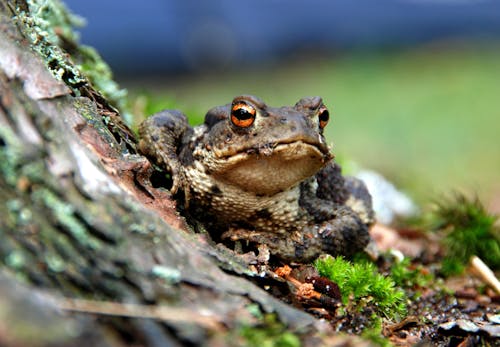
A Herpetologist is a professional who specializes in the scientific study of reptiles and amphibians, focusing on their biology, behaviour, ecology, and conservation. They operate within research institutions, universities, wildlife conservation organizations, and zoos, collaborating with ecologists, policymakers, and environmentalists to protect and understand these often misunderstood species. Herpetologists play a crucial role in modern science and biodiversity conservation in an era where habitat loss, climate change, and species decline are increasingly prioritized.
Share :
Career tree mind map (horizontal) — Herpetologist
Colored branches, hub circles, and underlined topics — same style as counselor course classic (types 18–19 in admin).
Loading mind map…

Overview

A Herpetologist is a professional who specializes in the scientific study of reptiles and amphibians, focusing on their biology, behaviour, ecology, and conservation. They operate within research institutions, universities, wildlife conservation organizations, and zoos, collaborating with ecologists, policymakers, and environmentalists to protect and understand these often misunderstood species. Herpetologists play a crucial role in modern science and biodiversity conservation in an era where habitat loss, climate change, and species decline are increasingly prioritized.

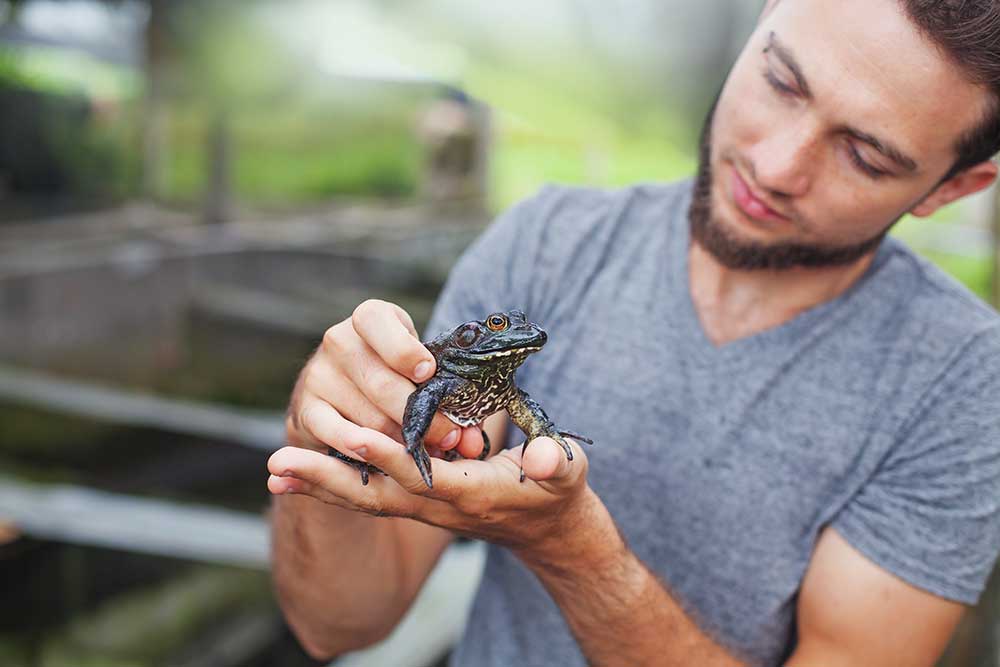
Herpetologists are scientifically trained individuals tasked with researching the physiology, behaviour, and habitats of reptiles (such as snakes, lizards, turtles, and crocodiles) and amphibians (such as frogs, toads, and salamanders) to address ecological and conservation challenges. Their role includes conducting field studies, managing species populations, and advocating for habitat protection. They combine expertise in biology, ecology, and environmental science, working in diverse settings such as wetlands, forests, laboratories, and academic institutions. As key contributors to biodiversity science, Herpetologists drive progress in a landscape increasingly focused on species preservation, ecosystem balance, and global environmental health.

Roles and Responsibilities

💼
Herpetologist
Roles and Responsibilities
Species Research and Classification
Study the anatomy, genetics, behaviour, and life cycles of reptiles and amphibians to classify species and understand their ecological roles.
Document biodiversity through field surveys and taxonomic studies.
Habitat and Population Monitoring
Assess the health and distribution of herpetofauna populations in natural habitats.
Monitor environmental factors like temperature, humidity, and pollution that impact their survival.
Conservation and Restoration
Develop and implement conservation strategies to protect endangered reptiles and amphibians from threats like habitat destruction and climate change.
Restore degraded habitats and manage reintroduction programs for threatened species.
Disease and Health Research
Investigate diseases affecting herpetofauna, such as chytridiomycosis in amphibians, and develop mitigation strategies.
Study the impact of environmental toxins on species health.
Public Health and Safety
Research venomous reptiles to develop antivenoms and educate communities on safety protocols.
Assess the role of amphibians and reptiles in disease transmission (e.g., as hosts for pathogens).
Ecological Impact Studies
Analyze the role of reptiles and amphibians in food webs as predators, prey, or indicators of environmental health.
Study their contributions to pest control and ecosystem balance.
Education and Outreach
Educate the public, students, and policymakers about the importance of herpetofauna and the threats they face.
Develop programs or materials to dispel myths and promote conservation awareness.
Regulatory Compliance and Documentation
Ensure compliance with wildlife protection laws and ethical guidelines during research.
Maintain detailed records of field observations, research findings, and conservation outcomes.

Roles and Responsibilities

  • Species Research and Classification
    • Study the anatomy, genetics, behaviour, and life cycles of reptiles and amphibians to classify species and understand their ecological roles.
    • Document biodiversity through field surveys and taxonomic studies.
  • Habitat and Population Monitoring
    • Assess the health and distribution of herpetofauna populations in natural habitats.
    • Monitor environmental factors like temperature, humidity, and pollution that impact their survival.
  • Conservation and Restoration
    • Develop and implement conservation strategies to protect endangered reptiles and amphibians from threats like habitat destruction and climate change.
    • Restore degraded habitats and manage reintroduction programs for threatened species.
  • Disease and Health Research
    • Investigate diseases affecting herpetofauna, such as chytridiomycosis in amphibians, and develop mitigation strategies.
    • Study the impact of environmental toxins on species health.
  • Public Health and Safety
    • Research venomous reptiles to develop antivenoms and educate communities on safety protocols.
    • Assess the role of amphibians and reptiles in disease transmission (e.g., as hosts for pathogens).
  • Ecological Impact Studies
    • Analyze the role of reptiles and amphibians in food webs as predators, prey, or indicators of environmental health.
    • Study their contributions to pest control and ecosystem balance.
  • Education and Outreach
    • Educate the public, students, and policymakers about the importance of herpetofauna and the threats they face.
    • Develop programs or materials to dispel myths and promote conservation awareness.
  • Regulatory Compliance and Documentation
    • Ensure compliance with wildlife protection laws and ethical guidelines during research.
    • Maintain detailed records of field observations, research findings, and conservation outcomes.

Study Route & Eligibility Criteria

Study Route & Eligibility Criteria
Herpetologist
Route 1
🎓
1
10+2 in Science stream
Route 2
🎓
1
10+2 in Science stream
Route 3
🎓
1
10+2 in Science stream
Route 4
🎓
1
10+2 in Science stream
🎯 Herpetologist - Professional

Significant Observations (Academic Related Points)

💡
Herpetologist
Academic Related Points
1
Scientific Foundation
Strong understanding of reptile and amphibian biology and ecology is essential for Herpetologists.
2
Analytical Mindset
A focus on research and problem-solving for species-specific issues is critical for success.
3
Specialized Training
Advanced degrees or certifications in herpetology offer niche expertise.
4
Technical Skills
Proficiency in field research techniques and data analysis tools is vital for studies.
5
Interdisciplinary Knowledge
Familiarity with ecology, toxicology, and genetics enhances collaboration.
6
Certification Importance
Recognized credentials in wildlife conservation boost credibility in the field.
7
Continuing Education
Regular workshops on new research methods are necessary to stay relevant.
8
Global Standards
Exposure to international herpetological practices enhances career prospects.
9
Attention to Detail
Precision in observing species behaviour and documenting findings is critical for reliable outcomes.
10
Research Preparation
Competitive roles often require published work or innovation in herpetological science.
11
International Opportunities
Language proficiency or cross-cultural adaptability may be needed for global roles.

Internships & Practical Exposure

💼
Herpetologist
Internships & Practical Experience
1
Participation in internships at wildlife reserves or research labs during or after academic programs for hands-on experience.
2
Involvement in student-led herpetofauna surveys or field studies for practical exposure.
3
Assisting senior Herpetologists in species monitoring or conservation projects for real-world insights.
4
Observerships at zoos, sanctuaries, or research stations for advanced learning and mentorship.
5
Participation in scientific conferences or workshops for skill development and visibility.
6
Training through collaborative projects like habitat mapping or disease research for diverse exposure.
7
Exposure to industry-standard practices like non-invasive tracking or venom extraction.
8
Project-based learning focusing on varied areas like amphibian decline or reptile behaviour.
9
Community wildlife programs to build practical experience in local herpetofauna studies.
10
International herpetology training programs or online courses for exposure to global challenges.

Courses & Specializations to Enter the Field

📚
Herpetologist
Courses & Specializations
📖
Bachelor of Science (B.Sc.) in Zoology or Biology.
📖
Master of Science (M.Sc.) in Herpetology or Wildlife Biology.
📖
Ph.D. in Herpetology or Ecology.
📖
Diploma in Wildlife Conservation and Management.
📖
Specialization in Reptile and Amphibian Ecology.
📖
Certification in Herpetological Field Techniques.
📖
Training in Venomous Snake Handling and Antivenom Research.
📖
Workshops on Amphibian Disease Management.
📖
Short Courses in Habitat Restoration for Herpetofauna.
📖
Advanced Training in Herpetological Taxonomy.

Prominent Employers

🏢
Herpetologist
🌟 Top Companies & Organizations
🇮🇳 India
🏛️
Wildlife Institute of India (WII), Dehradun
🏛️
Zoological Survey of India (ZSI), Kolkata
🏛️
Indian Institute of Science (IISc), Bangalore
🏛️
National Centre for Biological Sciences (NCBS), Bangalore
🏛️
Bombay Natural History Society (BNHS), Mumbai
🏛️
Madras Crocodile Bank Trust (MCBT), Chennai
🏛️
Wildlife Conservation Society - India (WCS-India)
🏛️
Ashoka Trust for Research in Ecology and the Environment (ATREE), Bangalore
🏛️
State Wildlife Departments
🏛️
Local Research and Conservation Groups
🌍 International
🌐
World Wildlife Fund (WWF), Global
🌐
International Union for Conservation of Nature (IUCN), Global
🌐
Smithsonian Institution, USA
🌐
Amphibian and Reptile Conservation (ARC), Global
🌐
Turtle Survival Alliance (TSA), Global
🌐
Society for the Study of Amphibians and Reptiles (SSAR), USA
🌐
International Herpetological Society (IHS), Global
🌐
San Diego Zoo Wildlife Alliance, USA
🌐
Australian Reptile Park, Australia
🌐
National Geographic Society, USA

Advice for Aspiring Herpetologists

💡
Herpetologist
🌟 Tips for Students & Parents
1
Build a strong foundation in biology and ecology to handle diverse research challenges.
2
Seek early exposure to field research or wildlife projects to confirm interest in a herpetologist career.
3
Prepare thoroughly for entrance exams like UGC NET or university-specific tests to secure admission to top programs.
4
Pursue training in specialties like venom research or amphibian conservation for versatility.
5
Stay updated on herpetological trends by attending conferences and following research journals.
6
Develop practical skills through consistent participation in internships or field surveys.
7
Engage in community or local wildlife programs to build real-world herpetofauna study experience.
8
Join professional associations like SSAR or TSA for networking and resources.
9
Work on problem-solving skills to manage species declines and conservation challenges.
10
Explore international herpetology opportunities for exposure to diverse research practices.
11
Volunteer with local wildlife groups or sanctuaries for practical industry exposure.
12
Cultivate adaptability to handle varying field conditions and unexpected research issues.
13
Attend continuing education programs to stay abreast of new research technologies.
14
Build a network with researchers, conservationists, and environmental experts for collaborative opportunities.
15
Develop persistence to manage the uncertainty of research outcomes and conservation barriers.
16
Balance scientific pursuits with passion for herpetology to adapt to demanding work environments.
🎓 Final Message
A career as a Herpetologist offers a unique opportunity to contribute to science, conservation, and biodiversity by navigating complex challenges related to reptiles and amphibians for diverse needs. From conducting transformative research to managing conservation initiatives and improving species survival, Herpetologists play a pivotal role in scientific and environmental ecosystems. This field combines scientific expertise, practical skill, and a commitment to solving critical challenges, offering diverse paths in research, conservation, education, and beyond. For those passionate about herpetofauna, adapting to dynamic industry trends, and addressing global needs in an era of rising environmental concerns, a career as a Herpetologist provides an intellectually stimulating and professionally rewarding journey with the potential to make significant contributions to society by advancing the science and application of herpetological knowledge worldwide.
Knowledge & Skills You Will Learn
1
Growing need for continuous skill development to master emerging research tools.
Aspiring Herpetologist

Aspiring Herpetologist

Early-career individuals train in academic or research settings to gain experience. They build skills in herpetofauna study while seeking...

0.0LPA
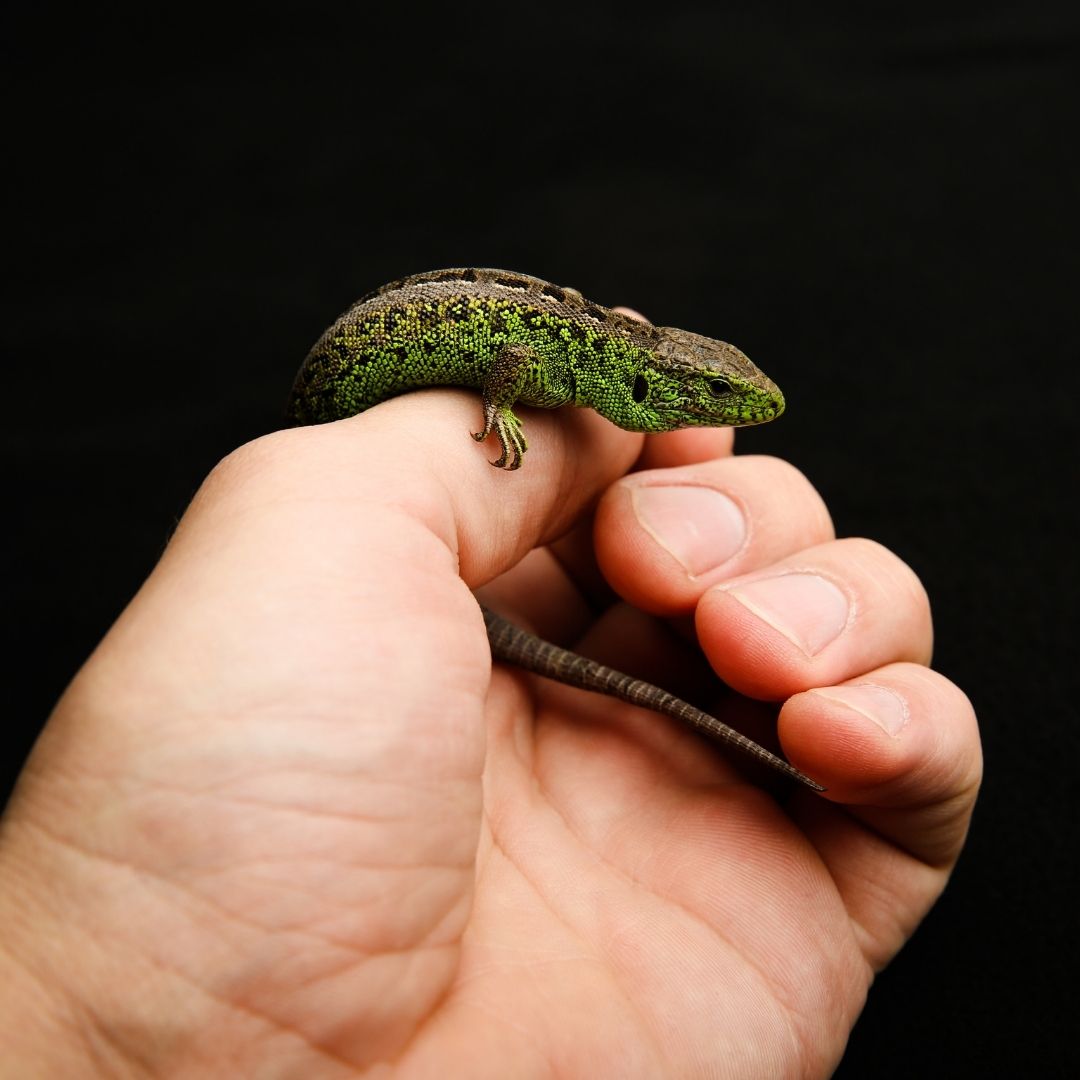
Junior Herpetologist

Junior Herpetologist

Professionals assist in research or conservation under guidance with growing competence. They offer support in fieldwork and learn from seniors....

0.0LPA
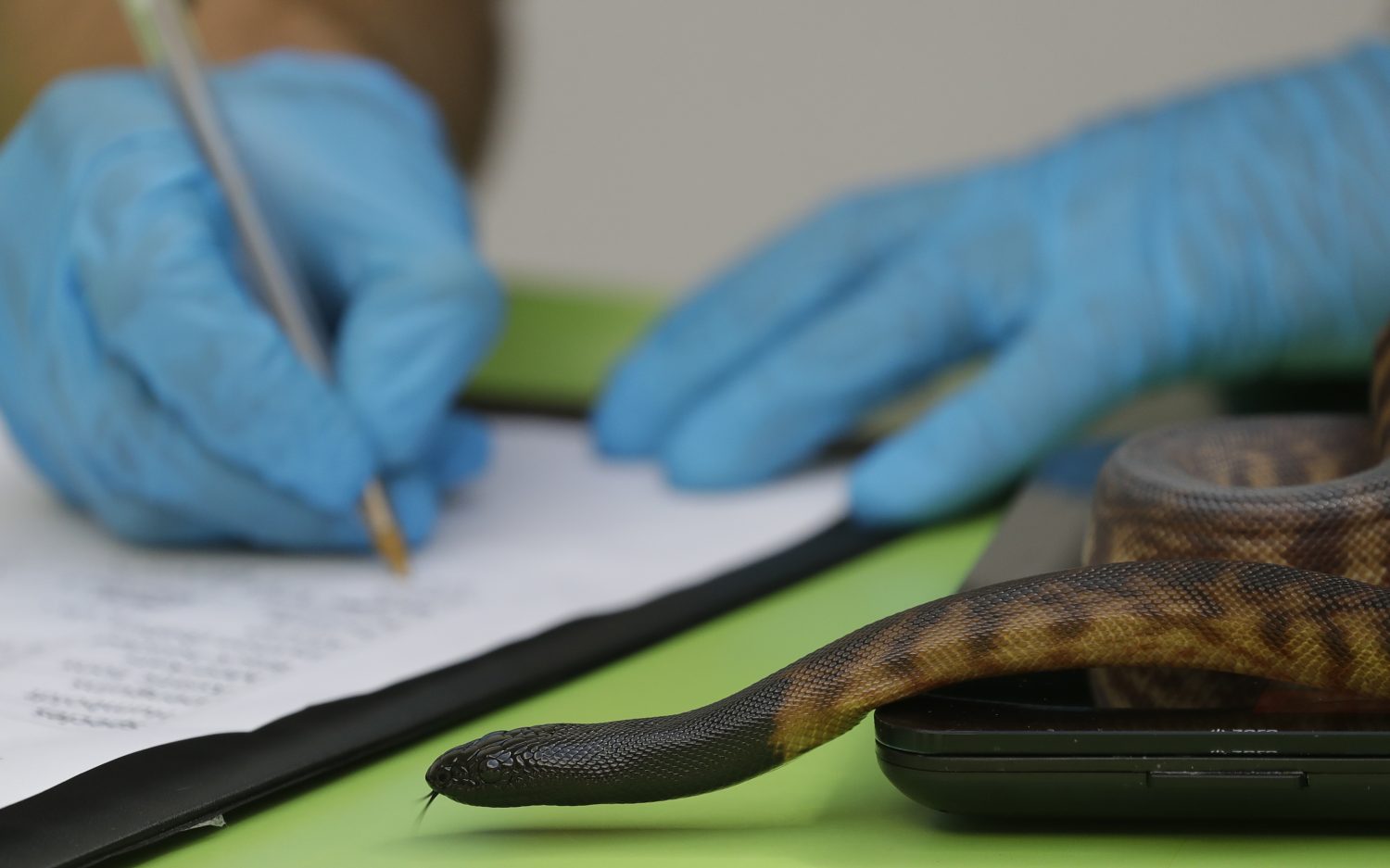
Herpetologist

Herpetologist

Specialists conduct independent herpetological studies or conservation projects with notable competence. They integrate science with practical...

0.0LPA

Interested in this career?

Take the next step and explore more about Herpetologist.