Overview
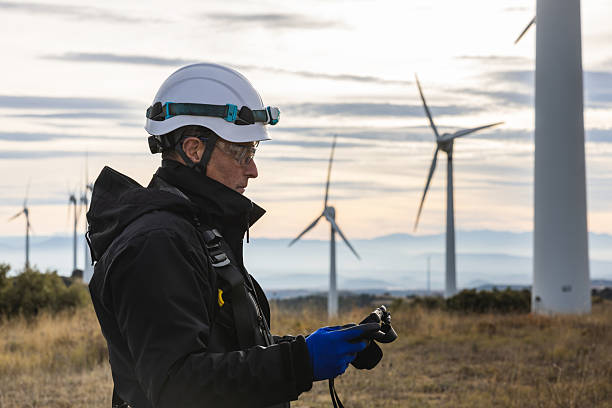
A Biologist is a scientific professional who studies living organisms, their interactions, and their environments to understand life processes, solve biological problems, and contribute to advancements in health, agriculture, and conservation. They operate within research, education, healthcare, and environmental sectors, collaborating with scientists, policymakers, and industry experts to address complex biological challenges. Biologists play a crucial role in scientific discovery and sustainability in an era where global health crises, climate change, and biodiversity loss drive the need for innovative biological solutions.
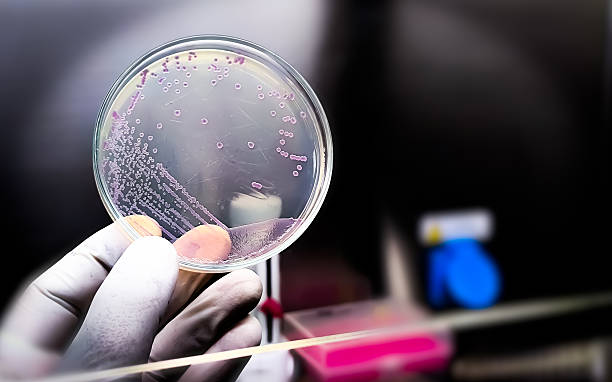
Biologists are analytically skilled and research-driven individuals tasked with investigating the structure, function, and behaviour of living organisms, ranging from microorganisms to plants and animals. Their role includes conducting experiments, analyzing data, and applying findings to real-world issues like disease prevention, food security, and ecosystem preservation. They combine expertise in scientific methods, critical thinking, and specialized knowledge, working in diverse settings such as laboratories, field sites, and academic institutions. As key contributors to science and society, Biologists drive progress in a landscape increasingly focused on biotechnology, environmental protection, and public health.
Roles and Responsibilities
- Research and Experimentation
- Conduct experiments to study biological processes, such as cell function, genetics, or ecosystem dynamics.
- Use advanced tools like microscopes, DNA sequencers, or bioinformatics software to collect and analyze data.
- Fieldwork and Observation
- Observe organisms in natural habitats to study behaviour, population trends, or environmental impacts.
- Collect samples like tissues, soil, or water for laboratory analysis.
- Data Analysis and Interpretation
- Analyze experimental or field data to draw conclusions about biological phenomena.
- Use statistical models or software to interpret results and predict trends.
- Collaboration with Teams
- Work with other scientists, engineers, or policymakers to develop solutions for health or environmental issues.
- Collaborate on interdisciplinary projects involving chemistry, physics, or technology.
- Publication and Communication
- Write research papers, reports, or grant proposals to share findings with the scientific community.
- Present results at conferences or public forums to educate stakeholders or peers.
- Application of Findings
- Apply research to practical solutions, such as developing new drugs, improving crop yields, or conserving endangered species.
- Advise industries or governments on biological policies or regulations.
- Teaching and Mentorship
- Educate students or trainees in academic settings about biological concepts and research methods.
- Mentor junior researchers or interns in laboratory or field techniques.
- Monitoring and Conservation
- Monitor environmental changes or species health to assess impacts of pollution, climate change, or human activity.
- Develop conservation plans to protect biodiversity and restore ecosystems.
Study Route & Eligibility Criteria
| Route | Steps |
| Route 1 | 1. 10+2 in Science stream (Physics, Chemistry, Biology mandatory) |
| 2. Bachelor’s in Biology or Life Sciences (3-4 years) | |
| 3. Start as a Junior Research Assistant in labs or field projects | |
| Route 2 | 1. 10+2 in Science stream (Physics, Chemistry, Biology mandatory) |
| 2. Bachelor’s in Biology or Life Sciences (3-4 years) | |
| 3. Master’s in Biology or specialized field (2 years) | |
| 4. Work as a Research Associate in academic or industry settings | |
| Route 3 | 1. 10+2 in Science stream (Physics, Chemistry, Biology mandatory) |
| 2. Bachelor’s in Biology or Life Sciences (3-4 years) | |
| 3. Master’s in Biology or specialized field (2 years) | |
| 4. Ph.D. in Biology or related discipline (3-5 years) | |
| 5. Pursue Roles as a Senior Biologist or Principal Investigator | |
| Route 4 | 1. 10+2 in Science stream (Physics, Chemistry, Biology mandatory) |
| 2. Bachelor’s in Biology or Life Sciences (3-4 years) | |
| 3. Master’s in Biology or specialized field (2 years) | |
| 4. Ph.D. in Biology or related discipline (3-5 years) | |
| 5. Postdoctoral Research (1-3 years) | |
| 6. Serve as a Lead Researcher, Professor, or Policy Advisor |
Significant Observations (Academic Related Points)
- Scientific Foundation: Strong understanding of biology, chemistry, and research methods is essential for Biologists.
- Analytical Mindset: A focus on problem-solving and data interpretation is critical for success.
- Specialized Training: Advanced degrees or certifications in fields like genetics or ecology offer niche expertise.
- Environmental Awareness: Understanding global ecological challenges improves research relevance.
- Interdisciplinary Knowledge: Familiarity with bioinformatics, statistics, or engineering enhances collaboration.
- Certification Importance: Recognized degrees or research credentials boost credibility in competitive fields.
- Continuing Education: Regular workshops on new technologies are necessary to stay relevant.
- Global Standards: Exposure to international research protocols enhances career prospects.
- Attention to Detail: Precision in experiments and data recording is critical for reliable results.
- Research Preparation: Competitive roles often require published work or grant-writing skills.
- International Opportunities: Language proficiency or cross-cultural adaptability may be needed for global roles.
Internships & Practical Exposure
- Participation in laboratory internships during or after academic programs for hands-on experience.
- Involvement in student-led research projects or university field trips for practical exposure to biology.
- Assisting senior researchers in labs or conservation projects for real-world industry insights.
- Observerships with environmental agencies or biotech firms for advanced learning and mentorship.
- Participation in science competitions or symposiums for skill development and visibility.
- Training through collaborative projects like genetic sequencing or wildlife surveys for diverse exposure.
- Exposure to industry-standard practices like using lab equipment or conducting field studies.
- Project-based learning focusing on varied areas like microbiology, botany, or zoology.
- Community environmental initiatives or citizen science projects to build practical experience.
- International research programs or online courses for exposure to global biological challenges.
Courses & Specializations to Enter the Field
- Bachelor of Science (B.Sc.) in Biology or Life Sciences.
- Master of Science (M.Sc.) in Biology or specialized fields.
- Ph.D. in Biology or related disciplines.
- Specialization in Molecular Biology.
- Certification in Bioinformatics.
- Training in Environmental Biology.
- Workshops on Biotechnology Applications.
- Short Courses in Genetics and Genomics.
- Advanced Training in Conservation Biology.
- Courses in Marine Biology or Microbiology.
Top Institutes for Biologist Education (India)
| Institute | Course/Program | Official Link |
| Indian Institute of Science (IISc), Bangalore | B.Sc., M.Sc., Ph.D. in Biological Sciences | https://iisc.ac.in/ |
| Jawaharlal Nehru University (JNU), Delhi | M.Sc., Ph.D. in Life Sciences | https://www.jnu.ac.in/ |
| University of Delhi, Delhi | B.Sc., M.Sc., Ph.D. in Biological Sciences | https://www.du.ac.in/ |
| Tata Institute of Fundamental Research (TIFR), Mumbai | Ph.D. in Biology | https://www.tifr.res.in/ |
| National Centre for Biological Sciences (NCBS), Bangalore | M.Sc., Ph.D. in Biology | https://www.ncbs.res.in/ |
| University of Hyderabad, Hyderabad | M.Sc., Ph.D. in Life Sciences | https://uohyd.ac.in/ |
| Banaras Hindu University (BHU), Varanasi | B.Sc., M.Sc., Ph.D. in Biological Sciences | https://www.bhu.ac.in/ |
| Indian Institute of Technology (IIT), Kanpur | B.Tech, M.Tech, Ph.D. in Biological Sciences | https://www.iitk.ac.in/ |
| University of Calcutta, Kolkata | B.Sc., M.Sc., Ph.D. in Life Sciences | https://www.caluniv.ac.in/ |
| Anna University, Chennai | B.Tech, M.Tech in Biotechnology | https://www.annauniv.edu/ |
Top International Institutes
| Institution | Course | Country | Official Link |
| Harvard University, Cambridge | B.A., M.A., Ph.D. in Biological Sciences | USA | https://www.harvard.edu/ |
| Stanford University, Stanford | B.S., M.S., Ph.D. in Biology | USA | https://www.stanford.edu/ |
| University of Cambridge, Cambridge | B.A., M.Phil., Ph.D. in Biological Sciences | UK | https://www.cam.ac.uk/ |
| Massachusetts Institute of Technology (MIT), Cambridge | B.S., Ph.D. in Biology | USA | https://www.mit.edu/ |
| University of Oxford, Oxford | B.A., D.Phil. in Biological Sciences | UK | https://www.ox.ac.uk/ |
| University of California, Berkeley | B.A., Ph.D. in Integrative Biology | USA | https://www.berkeley.edu/ |
| ETH Zurich, Zurich | B.Sc., M.Sc., Ph.D. in Biology | Switzerland | https://ethz.ch/en.html |
| University of Toronto, Toronto | B.Sc., M.Sc., Ph.D. in Biological Sciences | Canada | https://www.utoronto.ca/ |
| Australian National University, Canberra | B.Sc., M.Sc., Ph.D. in Biology | Australia | https://www.anu.edu.au/ |
| University of Tokyo, Tokyo | B.Sc., M.Sc., Ph.D. in Biological Sciences | Japan | https://www.u-tokyo.ac.jp/en/ |
Entrance Tests Required
India:
- NEET (National Eligibility cum Entrance Test): Required for undergraduate programs with a biology focus in medical or related fields.
- JEE (Joint Entrance Examination): For admission to IITs offering biotechnology or biological sciences programs.
- GATE (Graduate Aptitude Test in Engineering): For postgraduate programs in life sciences or biotechnology at premier institutes.
- CSIR-UGC NET: For research fellowships and Ph.D. programs in biological sciences.
- University-Specific Exams: Many institutes like JNU or BHU conduct their own entrance tests for M.Sc. or Ph.D. programs.
International:
- SAT (Scholastic Assessment Test): Required for undergraduate admissions in the USA and some other countries.
- ACT (American College Testing): Alternative to SAT for undergraduate admissions in the USA.
- GRE (Graduate Record Examination): Required for postgraduate and Ph.D. programs in biology or life sciences globally.
- TOEFL (Test of English as a Foreign Language): Minimum score of 80-100 required for non-native speakers applying to programs in English-speaking countries.
- IELTS (International English Language Testing System): Minimum score of 6.5-7.0 required for admission to universities in the UK, Australia, and other English-speaking regions.
Ideal Progressing Career Path
Aspiring Biologist → Junior Research Assistant → Research Associate → Professional Biologist → Senior Biologist → Principal Investigator → Research Director → Professor → Policy Advisor → Biotech Entrepreneur
Major Areas of Employment
- Academic institutions for teaching and research in biology.
- Research laboratories for experimental studies in life sciences.
- Biotechnology industry for developing medical or agricultural products.
- Pharmaceutical companies for drug discovery and testing.
- Environmental agencies for conservation and biodiversity studies.
- Healthcare sector for clinical research or diagnostics.
- Agricultural sector for improving crop yields or pest resistance.
- Government organizations for policy-making on health or environment.
- Non-profit organizations for wildlife protection or public health initiatives.
- International research bodies for global biological challenges.
Prominent Employers
| India | International |
| Indian Council of Medical Research (ICMR) | National Institutes of Health (NIH), USA |
| Council of Scientific and Industrial Research (CSIR) | World Health Organization (WHO), Global |
| Department of Biotechnology (DBT) | Centers for Disease Control and Prevention (CDC), USA |
| National Institute of Immunology (NII) | European Molecular Biology Laboratory (EMBL), Europe |
| Biocon | Pfizer, USA |
| Serum Institute of India | Novartis, Switzerland |
| Dr. Reddy’s Laboratories | Roche, Switzerland |
| Wildlife Institute of India (WII) | GlaxoSmithKline (GSK), UK |
| National Centre for Cell Science (NCCS) | Bayer, Germany |
| Tata Institute of Fundamental Research (TIFR) | Monsanto (Bayer), USA |
Pros and Cons of the Profession
| Pros | Cons |
| Opportunity to contribute to groundbreaking discoveries in health and environment | Long and rigorous educational path requiring advanced degrees for top roles |
| Potential for societal impact through solutions for disease, food, or conservation | Competitive field with limited funding or positions for research projects |
| Rewarding impact through advancing scientific knowledge and improving lives | Often requires long hours in labs or field with physically demanding conditions |
| Diverse career paths across academia, industry, healthcare, and policy | Slow career progression with dependency on publications or grant success |
| Strong potential for innovation with the rise of biotechnology and global challenges | High pressure to produce results or secure funding in research-driven roles |
Industry Trends and Future Outlook
- Growing adoption of biotechnology for personalized medicine and genetic engineering.
- Rising demand for Biologists due to increasing focus on climate change and sustainability.
- Advancements in CRISPR and gene-editing technologies for biological innovation.
- Heightened focus on biodiversity conservation amid global environmental crises.
- Expansion of interdisciplinary research combining biology with AI and data science.
- Development of wearable tech for real-time biological monitoring in research.
- Increased emphasis on specialized training for niche areas like synthetic biology.
- Enhanced collaboration between Biologists and tech industries for bioinformatics solutions.
- Growing need for continuous skill development to master emerging scientific tools.
- Focus on global health standards to address pandemics and infectious diseases.
Salary Expectations
| Career Level | India (₹ per annum) | International (USD per annum) |
| Junior Research Assistant (Early Career) | 3,00,000 - 6,00,000 | 30,000 - 50,000 |
| Research Associate (Mid-Career) | 6,00,000 - 12,00,000 | 50,000 - 80,000 |
| Professional Biologist (Established) | 12,00,000 - 20,00,000 | 80,000 - 120,000 |
| Senior Biologist/Principal Investigator | 20,00,000 - 40,00,000 | 120,000 - 180,000 |
| Research Director/Professor | 40,00,000+ | 180,000+ |
Note: Salaries vary widely based on location, experience, sector (academic vs. industry), and specialization. International figures are approximate and depend on the country and funding. High-profile research or industry leadership roles often yield significantly higher earnings based on impact and demand.
Key Software Tools
- Bioinformatics Software like BLAST for genetic sequence analysis.
- Statistical Tools like R or SPSS for biological data analysis.
- Laboratory Information Management Systems (LIMS) for managing research data.
- Genomic Analysis Tools like Genome Browser for DNA research.
- Modeling Software like MATLAB for simulating biological systems.
- Data Visualization Tools like Tableau for presenting research findings.
- Geographic Information Systems (GIS) for ecological and field studies.
- Online Research Databases like PubMed for accessing scientific literature.
- Molecular Modelling Software like PyMOL for protein structure analysis.
- Collaboration Platforms like Slack for team communication in research projects.
Professional Organizations and Networks
- Indian National Science Academy (INSA), India.
- American Association for the Advancement of Science (AAAS), USA.
- Royal Society of Biology, UK.
- International Union of Biological Sciences (IUBS), Global.
- Society for Experimental Biology (SEB), UK.
- American Society for Microbiology (ASM), USA.
- Ecological Society of America (ESA), USA.
- International Society for Computational Biology (ISCB), Global.
- Federation of European Biochemical Societies (FEBS), Europe.
- World Wildlife Fund (WWF), Global (for conservation biology).
Notable Biologists and Industry Leaders (Top 10)
- Charles Darwin (Historical, UK): Biologist since the 1800s. Known for the theory of evolution by natural selection in "On the Origin of Species." His vision drives biological thought. His impact shapes modern science.
- Gregor Mendel (Historical, Austria): Biologist since the 1800s. Known as the "Father of Genetics" for his experiments with pea plants. His creativity fosters genetic understanding. His legacy impacts heredity studies.
- Rosalind Franklin (Historical, UK): Biologist since the 1950s. Known for critical contributions to discovering DNA’s double-helix structure. Her expertise drives molecular biology. Her work influences genetic research.
- James Watson (Contemporary, USA): Biologist since the 1950s. Known for co-discovering DNA structure with Francis Crick, earning a Nobel Prize. His leadership shapes genomics. His impact drives biotechnology.
- Francis Crick (Historical, UK): Biologist since the 1950s. Known for co-discovering DNA structure and contributions to the genetic code. His vision fosters molecular science. His work influences life sciences.
- Barbara McClintock (Historical, USA): Biologist since the 1930s. Known for discovering genetic transposition, earning a Nobel Prize. Her creativity drives cytogenetics. Her contributions impact genetic diversity studies.
- VenkatramanRamakrishnan (Contemporary, India/UK): Biologist since the 1970s. Known for ribosome structure research, earning a Nobel Prize in Chemistry. His expertise fosters structural biology. His impact shapes protein synthesis studies.
- Jane Goodall (Contemporary, UK): Biologist since the 1960s. Known for groundbreaking research on chimpanzees and conservation advocacy. Her leadership drives primatology. Her work influences wildlife protection.
- Craig Venter (Contemporary, USA): Biologist since the 1980s. Known for sequencing the human genome and creating synthetic life. His vision fosters synthetic biology. His impact shapes genomic innovation.
- Elizabeth Blackburn (Contemporary, Australia/USA): Biologist since the 1970s. Known for discovering telomerase, earning a Nobel Prize. Her expertise drives aging research. Her work influences cellular biology.
Advice for Aspiring Biologists
- Build a strong foundation in biology and chemistry to handle diverse scientific challenges.
- Seek early exposure to lab work or field studies to confirm interest in a biology career.
- Prepare thoroughly for entrance exams like NEET or GRE to secure admission to top programs.
- Pursue training in specialties like genetics or conservation for versatility.
- Stay updated on scientific trends by attending conferences and following research journals.
- Develop research skills through consistent participation in small-scale projects or internships.
- Engage in community environmental or citizen science projects to build real-world experience.
- Join professional associations like INSA or AAAS for networking and resources.
- Work on resilience and adaptability to manage research setbacks and funding challenges.
- Explore international research opportunities for exposure to diverse biological issues.
- Volunteer in student labs or conservation initiatives to understand research dynamics.
- Cultivate analytical skills to handle varied scientific questions and emerging technologies.
- Attend continuing education programs to stay abreast of new biological methodologies.
- Build a network with researchers, professors, and industry experts for collaborative opportunities.
- Develop persistence to manage the uncertainty of research outcomes and funding availability.
- Balance academic pursuits with continuous learning to adapt to rapid scientific advancements.
A career as a Biologist offers a unique opportunity to contribute to science, health, and sustainability by navigating complex biological landscapes for diverse societal needs. From advancing medical breakthroughs to protecting ecosystems and driving biotechnological innovation, Biologists play a pivotal role in scientific ecosystems. This field combines analytical talent, research skill, and a commitment to solving intricate biological challenges, offering diverse paths in academia, industry, conservation, and beyond. For those passionate about understanding life, adapting to dynamic scientific trends, and addressing global needs in an era of technological and environmental evolution, a career as a Biologist provides an intellectually stimulating and professionally rewarding journey with the potential to make significant contributions to society by advancing the science and application of biological knowledge worldwide.