Aerospace Engineer
Junior Aerospace Engineer (Entry to Mid-Level)
Explore Career
A Biotechnology Engineer applies engineering principles to the fields of biology and technology to develop products and processes that improve health, agriculture, and the environment. They design, optimize, and scale up biotechnological processes involving living cells and biomolecules. Biotechnology engineers work in diverse sectors including pharmaceuticals, agriculture, environmental conservation, and industrial manufacturing, using tools such as genetic engineering, bioprocessing, and bioinformatics.
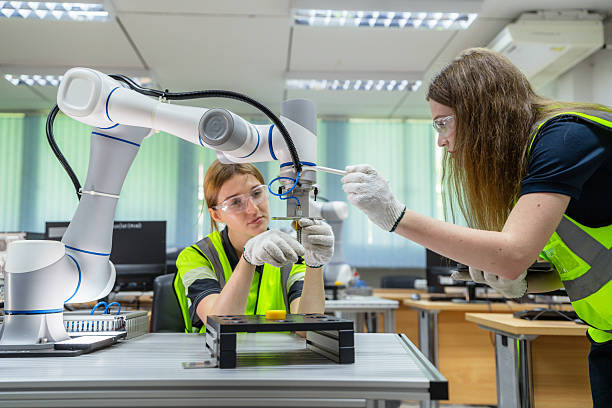
Biotechnology engineers integrate biology with engineering to create innovative solutions for producing drugs, biofuels, genetically modified crops, and environmentally friendly materials. Their work involves designing bioprocesses, developing genetic modification techniques, and scaling laboratory research to industrial production. They collaborate with scientists, healthcare professionals, and industrial engineers to translate biological research into practical applications. Biotechnology engineers also ensure compliance with regulatory standards and focus on sustainable and cost-effective technologies.
| Route | Steps |
|---|---|
| Route 1: Bachelor’s in Biotechnology / Biochemical Engineering | 1. Complete a Bachelor’s degree in Biotechnology, Biochemical Engineering, or related fields. 2. Pursue Master’s and/or PhD specializing in biotechnology or bioengineering. 3. Gain internships in biotech industries or research labs. 4. Seek employment in R&D, manufacturing, or regulatory sectors. |
| Route 2: Biological Sciences + Engineering Training | 1. Obtain a degree in Biology, Microbiology, or Biochemistry. 2. Acquire engineering fundamentals through coursework or certifications. 3. Gain practical experience in genetic engineering and bioprocessing. 4. Advance through graduate studies or industry experience. |
| Route 3: Chemical Engineering + Biotechnology Specialization | 1. Earn a degree in Chemical Engineering. 2. Specialize in biotechnology through electives or graduate programs. 3. Work in industries focusing on bioproducts and bio-processes. 4. Engage in continuous professional development. |
| Route 4: Interdisciplinary Science + Computational Skills | 1. Complete degrees in life sciences, chemistry, or computer science. 2. Develop bioinformatics and engineering skills through training. 3. Participate in internships or research projects. 4. Pursue advanced qualifications in biotechnology engineering. |
| Institute | Course / Program | Official Link |
|---|---|---|
| Indian Institute of Technology (IIT) Delhi | Biotechnology Engineering | https://www.iitd.ac.in/ |
| Indian Institute of Technology (IIT) Kharagpur | Biotechnology | https://www.iitkgp.ac.in/ |
| National Institute of Technology (NIT) Warangal | Biotechnology Engineering | https://www.nitw.ac.in/ |
| Jawaharlal Nehru University (JNU) | Biotechnology | https://www.jnu.ac.in/ |
| Indian Institute of Science (IISc), Bangalore | Biological Sciences and Engineering | https://iisc.ac.in/ |
| Amity University | Biotechnology Engineering | https://www.amity.edu/ |
| Anna University, Chennai | Biotechnology | https://www.annauniv.edu/ |
| University of Hyderabad | Biotechnology | https://www.uohyd.ac.in/ |
| Punjab University | Biotechnology | https://www.punjab.ac.in/ |
| Manipal Academy of Higher Education | Biotechnology | https://manipal.edu/ |
International
| Institution | Course | Country | Official Link |
|---|---|---|---|
| Massachusetts Institute of Technology (MIT) | Biological Engineering | USA | https://mit.edu/ |
| Stanford University | Bioengineering | USA | https://stanford.edu/ |
| University of Cambridge | Biotechnology | UK | https://cam.ac.uk/ |
| ETH Zurich | Biotechnology Engineering | Switzerland | https://ethz.ch/ |
| National University of Singapore (NUS) | Biotechnology | Singapore | https://nus.edu.sg/ |
| Technical University of Denmark (DTU) | Biotechnology | Denmark | https://www.dtu.dk/ |
| Delft University of Technology | Biotechnology Engineering | Netherlands | https://tudelft.nl/ |
| University of California, Berkeley | Bioengineering | USA | https://berkeley.edu/ |
| Imperial College London | Biotechnology | UK | https://www.imperial.ac.uk/ |
| University of Toronto | Biotechnology Engineering | Canada | https://utoronto.ca/ |
India
International
Junior Engineer / Research Assistant → Graduate Student (MSc/PhD) → Biotechnology Engineer → Process Development Engineer → Senior Scientist / Project Manager → R&D Leader / Technical Specialist → Production Manager / Consultant → Director of Biotechnology / Entrepreneur
| India | International |
|---|---|
| Biocon | Pfizer |
| Serum Institute of India | Novozymes |
| Dr. Reddy’s Laboratories | Amgen |
| Indian Oil Corporation (Biotech Division) | Genentech |
| Reliance Industries | GSK (GlaxoSmithKline) |
| Cadila Pharmaceuticals | Merck & Co. |
| Tata Chemicals | Johnson & Johnson |
| Bharat Biotech | DSM |
| Indian Institute of Science (IISc) | Dow Chemical Company |
| Indian Agricultural Research Institute (IARI) | Bayer AG |
| Pros | Cons |
|---|---|
| Opportunity to work on cutting-edge biotechnology innovations | Requires continuous learning and adaptation to new technologies |
| High demand in healthcare, agriculture, and environmental sectors | Can involve complex regulatory and compliance challenges |
| Interdisciplinary and impactful work | Long hours and detailed experimental work |
| Potential for meaningful contributions to society and environment | Pressure to meet production and quality standards |
| Diverse career paths in research, manufacturing, and management | Handling of biological materials may require strict safety measures |
| Competitive salaries and career growth opportunities | May require advanced degrees for higher positions |
| Career Level | India (₹ per annum) | International (US$ per annum) |
|---|---|---|
| Entry-Level Engineer / Research Assistant | 3,00,000 - 6,00,000 | $50,000 - $70,000 |
| Biotechnology Engineer / Scientist | 6,00,000 - 12,00,000 | $70,000 - $100,000 |
| Senior Scientist / Project Manager | 12,00,000 - 25,00,000 | $100,000 - $140,000 |
| R&D Leader / Technical Specialist | 20,00,000 - 40,00,000 | $130,000 - $180,000 |
| Production Manager / Director | 30,00,000 - 60,00,000+ | $160,000 - $220,000+ |
A career as a Biotechnology Engineer offers the opportunity to innovate at the interface of biology and engineering, developing technologies that transform healthcare, agriculture, and industry. With rapid advances in genetic engineering, synthetic biology, and bioinformatics, biotechnology engineers are vital to solving some of the world’s most pressing challenges. This dynamic and interdisciplinary field provides diverse career paths in research, manufacturing, and management. For those passionate about applying science and technology to improve life and the environment, biotechnology engineering is a rewarding and future-ready profession.


Biotechnology Engineers are at the forefront of applying engineering principles to biological systems. They design, develop, and optimize...
0.0LPA

Genetic Engineers specialize in manipulating the genetic material of organisms to create desired traits or produce useful biological products....
0.0LPA

Bioprocess Engineers focus on the design, operation, and optimization of bioreactors and downstream processing equipment used to produce...
0.0LPA
Take the next step and explore more about Biotechnology Engineer.
Explore similar career paths that might interest you