Overview
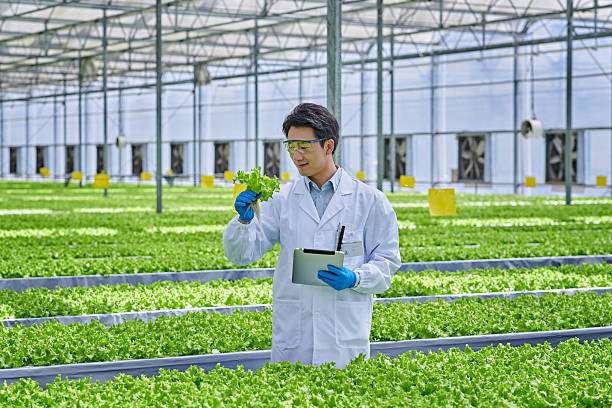
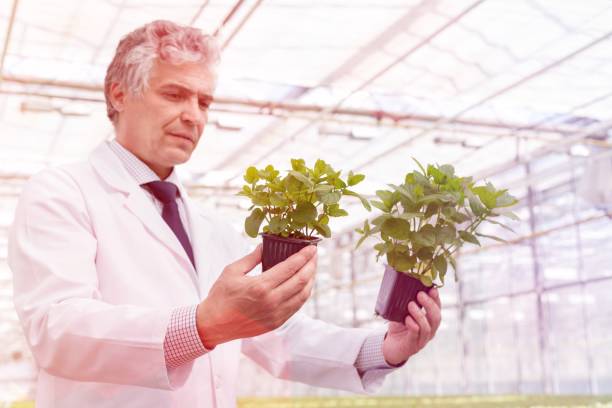
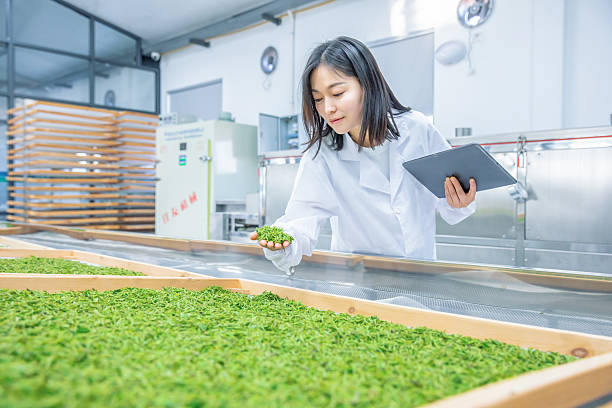
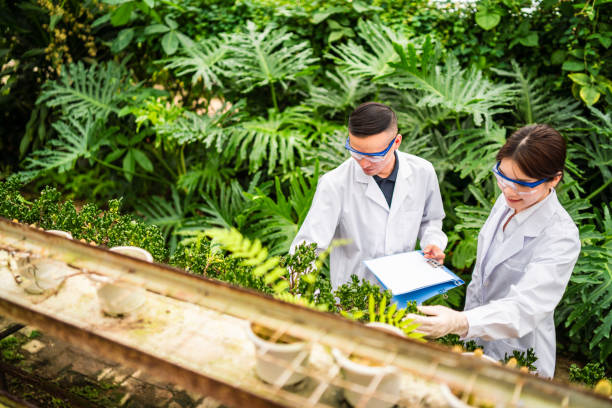
A Botanist is a scientist who studies plants, including their structure, function, evolution, distribution, and interactions with the environment. They work in research institutions, universities, agricultural organizations, environmental agencies, or botanical gardens, collaborating with ecologists, geneticists, and conservationists. Botanists play a crucial role in advancing agricultural productivity, conserving biodiversity, and addressing climate change through scientific exploration in a field driven by sustainability, innovation, and ecological balance.
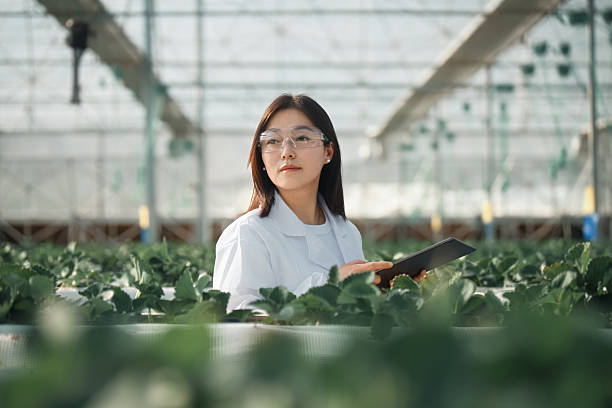
Botanists are curious and detail-oriented professionals who work in field settings, laboratories, or academic environments, using tools such as microscopes, genetic sequencing technologies, and geographic information systems (GIS). Their role involves conducting experiments, collecting plant specimens, and developing solutions for issues like crop improvement or habitat restoration, often facing challenges such as limited funding or environmental degradation. They combine expertise in biology, chemistry, and environmental science to address topics ranging from plant physiology to ecosystem dynamics. As key contributors to food security and environmental health, they help shape the future of agriculture, conservation, and climate resilience in an industry increasingly driven by biotechnology, sustainable practices, and global ecological challenges.
Roles and Responsibilities
- Plant Taxonomy and Classification
- Identify, classify, and name plant species based on morphological and genetic characteristics.
- Maintain herbarium collections for documentation and future research.
- Plant Physiology Research
- Study plant functions such as photosynthesis, nutrient uptake, and growth mechanisms.
- Investigate how environmental factors like light or temperature affect plant behaviour.
- Ecological Studies and Conservation
- Assess plant distribution and interactions within ecosystems to inform conservation strategies.
- Develop plans to protect endangered plant species and restore habitats.
- Agricultural Applications
- Research crop improvement through breeding techniques for higher yield or disease resistance.
- Advise farmers on sustainable cultivation practices and pest management.
- Genetic and Molecular Analysis
- Use biotechnology to study plant genomes and engineer traits like drought tolerance.
- Analyze genetic diversity to support biodiversity conservation efforts.
- Fieldwork and Data Collection
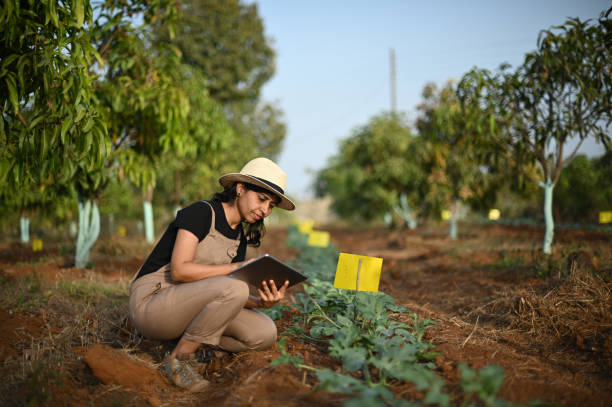
- Conduct field surveys to collect plant samples and monitor environmental conditions.
- Document findings through detailed field notes, photographs, and digital databases.
- Environmental Policy and Advocacy
- Provide scientific input for policies on deforestation, climate change, and land use.
- Advocate for sustainable practices through public outreach and education.
- Teaching and Mentorship
- Educate students or community members about plant science and its importance.
- Supervise research projects and guide aspiring botanists in academic or field settings.
- Publication and Collaboration
- Publish research findings in scientific journals and present at conferences.
- Collaborate with interdisciplinary teams on projects like biofuel development or reforestation.
Study Route & Eligibility Criteria
| Route | Steps |
| Route 1 | 1. 10+2 in Science stream (with Biology, Chemistry, and Physics/Mathematics) 2. Bachelor’s degree in Botany or related field (3-4 years) 3. Internship or research assistant role in botanical labs or field projects 4. Practice as Junior Botanist or Field Researcher |
| Route 2 | 1. 10+2 in Science stream with Biology 2. Bachelor’s degree in Life Sciences or Environmental Science (3-4 years) 3. Master’s degree in Botany or Plant Sciences (1-2 years) 4. Gain practical experience through research projects 5. Work as Botanist or Plant Scientist |
| Route 3 | 1. 10+2 in Science with Biology and Chemistry 2. B.Sc in Agriculture or Horticulture with Botany focus (3-4 years) 3. Certification or short-term course in plant taxonomy or biotechnology (3-6 months) 4. Internship in agricultural or environmental organizations 5. Practice as Agricultural Botanist or Conservation Specialist |
| Route 4 | 1. 10+2 in Science stream 2. Bachelor’s degree in Botany or related field (3-4 years) 3. Ph.D. in Botany or specialized area (3-5 years) 4. Post-doctoral research or industry role 5. Practice as Senior Botanist or Consultant |
Significant Observations (Academic Related Points)
- Scientific Foundation: Strong understanding of biology and ecology is essential for plant studies.
- Analytical Skills: Training in data collection and statistical analysis develops core research competencies.
- Specialized Training: Certifications in plant biotechnology or conservation are critical for advanced roles.
- Technology Proficiency: Familiarity with GIS, genetic sequencing, and lab equipment is vital for modern research.
- Interdisciplinary Knowledge: Understanding chemistry, environmental science, and genetics enhances project impact.
- Certification Importance: Specialized courses or certifications boost professional credibility in niche areas.
- Continuing Education: Regular updates on botanical advancements and technologies are necessary to stay relevant.
- Global Standards: Familiarity with international conservation protocols enhances opportunities for global roles.
- Attention to Detail: Precision in specimen identification and data recording is critical for reliable outcomes.
- Entrance Examination Success: Competitive exams are often required for admission to top programs.
- International Testing Requirements: Language proficiency tests like IELTS may be needed for global opportunities.
Internships & Practical Exposure
- Mandatory internships during degree programs at botanical gardens, research labs, or agricultural centers for real-world experience.
- Rotations in field research or lab analysis teams for hands-on exposure to plant studies.
- Internships under experienced Botanists for training in advanced techniques like genetic mapping or taxonomic classification.
- Observerships at environmental agencies or conservation projects for applied botanical insights.
- Participation in mock research projects for skill development in plant physiology and ecology.
- Training in field survey methods through real-world projects like biodiversity assessments.
- Exposure to herbarium curation during internships for skills in documentation and preservation.
- Volunteer roles in community gardening or reforestation initiatives to build a portfolio.
- Community engagement projects for promoting botanical awareness in sustainability or education.
- International research attachments for global exposure to cutting-edge botanical innovations and practices.
Courses & Specializations to Enter the Field
- Certificate in Plant Taxonomy or Conservation Biology.
- Bachelor’s in Botany, Life Sciences, or Environmental Science.
- Master’s in Botany, Plant Biotechnology, or Ecology.
- B.Sc/M.Sc in Agriculture or Horticulture with Botany focus.
- Specialization in Plant Physiology, Ethnobotany, or Mycology.
- Ph.D. in Botany for advanced research roles.
- Workshops on Plant Genomics, GIS Mapping, or Seed Technology.
- Training in Sustainable Agriculture or Biodiversity Conservation.
- Specialization in Medicinal Plants or Plant Pathology.
- Certification in Bioinformatics for Plant Research.
Top Institutes for Botany Education (India)
| Institute | Course/Program | Official Link |
| University of Delhi, Delhi | B.Sc/M.Sc/Ph.D. in Botany | https://www.du.ac.in/ |
| Banaras Hindu University (BHU), Varanasi | B.Sc/M.Sc/Ph.D. in Botany | https://www.bhu.ac.in/ |
| University of Calcutta, Kolkata | B.Sc/M.Sc/Ph.D. in Botany | https://www.caluniv.ac.in/ |
| University of Madras, Chennai | B.Sc/M.Sc/Ph.D. in Botany | https://www.unom.ac.in/ |
| University of Hyderabad, Hyderabad | M.Sc/Ph.D. in Plant Sciences | https://www.uohyd.ac.in/ |
| Jawaharlal Nehru University (JNU), New Delhi | M.Sc/Ph.D. in Life Sciences with Botany focus | https://www.jnu.ac.in/ |
| Indian Agricultural Research Institute (IARI), New Delhi | M.Sc/Ph.D. in Plant Sciences | https://www.iari.res.in/ |
| University of Pune, Pune | B.Sc/M.Sc in Botany | https://www.unipune.ac.in/ |
| University of Mumbai, Mumbai | B.Sc/M.Sc in Botany | https://www.mu.ac.in/ |
| Presidency University, Kolkata | B.Sc/M.Sc in Botany | https://www.presiuniv.ac.in/ |
Top International Institutes
| Institution | Course | Country | Official Link |
| University of California, Berkeley | BS/MS/Ph.D. in Plant Biology | USA | https://www.berkeley.edu/ |
| University of Cambridge | BA/MPhil/Ph.D. in Plant Sciences | UK | https://www.cam.ac.uk/ |
| Harvard University | BS/MS/Ph.D. in Organismic and Evolutionary Biology | USA | https://www.harvard.edu/ |
| University of Toronto | BS/MS in Plant Biology | Canada | https://www.utoronto.ca/ |
| University of Oxford | BA/MS/Ph.D. in Plant Sciences | UK | https://www.ox.ac.uk/ |
| ETH Zurich | MS/Ph.D. in Plant Sciences | Switzerland | https://www.ethz.ch/ |
| National University of Singapore (NUS) | BS/MS in Life Sciences with Plant focus | Singapore | https://www.nus.edu.sg/ |
| University of Queensland | BS/MS in Plant Science | Australia | https://www.uq.edu.au/ |
| University of Copenhagen | MS/Ph.D. in Plant and Environmental Sciences | Denmark | https://www.ku.dk/ |
| Wageningen University & Research | BS/MS/Ph.D. in Plant Sciences | Netherlands | https://www.wur.nl/ |
Entrance Tests Required
India:
- NEET (National Eligibility cum Entrance Test): For admission to integrated life sciences or botany programs with medical focus at some institutes.
- ICAR AIEEA (All India Entrance Examination for Admission): Conducted by the Indian Council of Agricultural Research for admission to B.Sc and M.Sc programs in Agriculture and Plant Sciences.
- DUET (Delhi University Entrance Test): For admission to B.Sc and M.Sc programs in Botany at Delhi University.
- JNU CEEB (Combined Entrance Examination for Biotechnology): Conducted by Jawaharlal Nehru University for M.Sc admissions in Life Sciences or Plant Sciences across participating universities.
- BHU UET/PET (Banaras Hindu University Entrance Test): For admission to undergraduate (UET) and postgraduate (PET) programs in Botany at BHU.
- GATE (Graduate Aptitude Test in Engineering): For admission to M.Sc programs in Life Sciences or Plant Biotechnology at select institutes.
International:
- GRE (Graduate Record Examination): Required for MS or Ph.D. admissions in Plant Sciences or Botany at universities in the USA, Canada, and other countries.
- GRE Subject Test (Biology): Often required for graduate programs in Botany or Plant Sciences in the USA.
- TOEFL (Test of English as a Foreign Language): Minimum score of 80-100 required for non-native speakers applying to programs in English-speaking countries like the USA, Canada, or Australia.
- IELTS (International English Language Testing System): Minimum score of 6.0-7.0 required for admission to universities in the UK, Australia, and other English-speaking regions for Botany courses.
- SAT (Scholastic Aptitude Test): Often required for undergraduate admissions in the USA or Canada for programs leading to Botany or Plant Science studies.
- ACT (American College Testing): An alternative to SAT for undergraduate admissions in the USA for Life Sciences or Botany-related programs.
Ideal Progressing Career Path
Botany Intern → Junior Botanist → Field Researcher → Botanist → Senior Botanist → Botany Project Manager → Director of Plant Research → Chief Conservation Officer → Botany Consultant → Botany Professor
Major Areas of Employment
- Agricultural organizations for crop research and sustainable farming practices.
- Environmental agencies for biodiversity conservation and ecosystem management.
- Biotechnology firms for plant genetic engineering and product development.
- Academic institutions for teaching and fundamental research in botany.
- Research institutes for applied and translational plant science studies.
- Government bodies for policy development on forestry and climate change.
- Botanical gardens and herbaria for plant preservation and public education.
- Pharmaceutical industries for research on medicinal plants and natural products.
- Non-profit organizations for advocacy and community-based conservation projects.
- Freelance consulting for specialized botanical project advisory services.
Prominent Employers
| India | International |
| Indian Council of Agricultural Research (ICAR) | Monsanto (Bayer), Global |
| Forest Research Institute (FRI), Dehradun | Syngenta, Global |
| National Botanical Research Institute (NBRI) | DuPont Pioneer, Global |
| Tata Institute of Social Sciences (TISS) - Environmental Projects | BASF, Global |
| Wildlife Institute of India (WII) | Corteva Agriscience, Global |
| Council of Scientific and Industrial Research (CSIR) | Royal Botanic Gardens, Kew, UK |
| Ministry of Environment, Forest and Climate Change | Smithsonian Institution, USA |
| Botanical Survey of India (BSI) | World Wildlife Fund (WWF), Global |
| Ashoka Trust for Research in Ecology and the Environment (ATREE) | Greenpeace, Global |
| Centre for Cellular and Molecular Biology (CCMB) | The Nature Conservancy, Global |
Pros and Cons of the Profession
| Pros | Cons |
| Opportunity to contribute to environmental sustainability and food security | Often involves physically demanding fieldwork in remote areas |
| High personal satisfaction in preserving biodiversity and solving ecological challenges | Can face slow progress due to funding or policy constraints |
| Rewarding impact on agriculture, conservation, and climate resilience | May require continuous learning to keep up with biotechnological advancements |
| Diverse career paths across industries and research | Risk of limited job opportunities in certain specialized areas |
| Strong potential for growth with increasing focus on sustainability | Exposure to environmental hazards during field research |
Industry Trends and Future Outlook
- Digital Transformation: Increasing focus on GIS and remote sensing for plant distribution mapping.
- Rising Demand: Growing need for Botanists skilled in climate-resilient agriculture and conservation.
- Technology Impact: Enhanced use of CRISPR and genetic engineering for crop improvement.
- Interdisciplinary Focus: Emergence of collaboration with data scientists and environmental engineers.
- Biotech and Botanical Tools: Adoption of biotechnology for sustainable plant-based solutions.
- Global Market Needs: Development of botanical solutions for food security and carbon sequestration.
- Compliance-Centric Market: Use of data to enhance environmental policy transparency and biodiversity protection.
- Skill Development Needs: Growing necessity for training in bioinformatics and ecological modeling.
- Sustainability Focus: Increased efforts to apply botany in reforestation and green energy solutions.
- Hybrid Research Models: Blending field research with lab-based genetic analysis for comprehensive studies.
Salary Expectations
| Career Level | India (₹ per annum) | International (USD per annum) |
| Botany Intern (Early Career) | 2,00,000 - 4,00,000 | 25,000 - 40,000 |
| Junior Botanist (Mid-Career) | 4,00,000 - 8,00,000 | 40,000 - 60,000 |
| Botanist | 8,00,000 - 15,00,000 | 60,000 - 85,000 |
| Senior Botanist/Project Manager | 15,00,000 - 25,00,000 | 85,000 - 120,000 |
| Chief Conservation Officer/Expert | 25,00,000+ | 120,000+ |
| Note: Salaries may vary based on location, employer, experience, and specialization. |
Key Software Tools
- Geographic Information Systems (e.g., ArcGIS, QGIS) for mapping plant distribution.
- Genetic Analysis Tools (e.g., BLAST, MEGA) for studying plant DNA sequences.
- Data Analysis Platforms (e.g., R, Python) for ecological and statistical analysis.
- Herbarium Management Software (e.g., Specify, BRAHMS) for cataloging plant collections.
- Imaging Software (e.g., ImageJ) for microscopic analysis of plant structures.
- Environmental Modeling Tools (e.g., MaxEnt) for predicting species distribution.
- Database Management Systems (e.g., MySQL) for storing botanical data.
- Cloud Collaboration Platforms (e.g., Google Workspace) for team research projects.
- Remote Sensing Tools (e.g., ENVI, ERDAS) for monitoring vegetation health.
- Electronic Field Notebooks (e.g., iNaturalist) for digital record-keeping during surveys.
Professional Organizations and Networks
- Botanical Society of America (BSA), USA/Global.
- Indian Botanical Society (IBS), India.
- International Association for Plant Taxonomy (IAPT), Global.
- Society for Economic Botany (SEB), Global.
- Association for Tropical Biology and Conservation (ATBC), Global.
- European Botanical and Horticultural Libraries Group (EBHL), Europe.
- Australian Systematic Botany Society (ASBS), Australia.
- African Botanical Network (ABN), Africa.
- Asia-Pacific Association of Agricultural Research Institutions (APAARI), Asia-Pacific.
Notable Botanists and Industry Leaders (Top 10)
- Carl Linnaeus (Sweden): Known as the father of modern taxonomy, developed the binomial nomenclature system for naming plants. His framework underpins botanical classification. His impact shapes scientific naming.
- Joseph Dalton Hooker (UK): Renowned for contributions to plant taxonomy and biogeography, especially through expeditions in India and Antarctica. His work advanced global plant studies. His impact boosts distribution knowledge.
- JanakiAmmal (India): Pioneering Indian botanist known for research on sugarcane and eggplant genetics, and contributions to conservation in the Western Ghats. Her efforts shaped biodiversity protection. Her impact strengthens Indian botany.
- George Washington Carver (USA): Known for promoting sustainable agriculture through research on peanuts and sweet potatoes, enhancing soil fertility. His innovations improved farming practices. His impact aids food security.
- BirbalSahni (India): Renowned paleobotanist who founded the Birbal Sahni Institute of Palaeobotany, known for fossil plant research in India. His discoveries reveal plant evolution. His impact advances historical botany.
- Kailas NathKaul (India): Known for contributions to plant physiology and establishing the National Botanical Research Institute in India. His work enhanced plant science infrastructure. His impact supports research growth.
- Barbara McClintock (USA): Nobel laureate for discovering genetic transposition in maize, revolutionizing plant genetics. Her findings influence modern biotechnology. Her impact transforms genetic understanding.
- P. Maheshwari (India): Known as the father of Indian plant embryology, contributed to studies on plant reproduction and tissue culture. His research pioneered agricultural advancements. His impact boosts crop science.
- Vandana Shiva (India): Environmental activist and botanist known for advocacy in seed sovereignty and sustainable agriculture in India. Her efforts protect biodiversity. Her impact drives policy change.
- David Attenborough (UK): While not a botanist by training, his documentaries have popularized plant science and conservation globally. His outreach inspires ecological awareness. His impact promotes public engagement.
Advice for Aspiring Botanists
- Build a strong foundation in biology and environmental science to understand plant systems.
- Seek early exposure to field roles through internships to confirm interest in botany.
- Prepare thoroughly for competitive exams like ICAR AIEEA or GRE with structured study plans.
- Pursue short courses in plant biotechnology or GIS to gain expertise in emerging areas.
- Stay updated on botanical trends by following journals like Annals of Botany or Plant Journal.
- Develop hands-on skills in field surveys and lab analysis through research projects.
- Engage in practical internships at agricultural firms or conservation projects for real-world experience.
- Join professional associations like the Indian Botanical Society or BSA for networking and resources.
- Work on precision in plant identification and documentation to ensure credible research outcomes.
- Explore international research opportunities for exposure to global botanical advancements.
- Volunteer in community gardening or environmental initiatives to understand practical challenges.
- Cultivate adaptability to handle rapid changes in environmental policies and technologies.
- Attend continuing education programs to stay abreast of botanical tools and trends.
- Build a network with researchers, conservationists, and policymakers for collaborative efforts.
- Develop resilience to manage the physical and funding demands of fieldwork and research.
- Balance scientific rigor with ethical integrity to adapt to evolving ecological landscapes.
A career as a Botanist offers a profound opportunity to explore the wonders of plant life, driving scientific progress through dedicated research and environmental stewardship, fostering global well-being with every discovery. Botanists are the guardians of ecological balance, using their skills to enhance agriculture, protect biodiversity, and combat climate change across industries. This profession blends scientific curiosity with a passion for nature, providing pathways in research, conservation, agriculture, education, and beyond. For those passionate about plants, driven by a desire to solve environmental challenges, and eager to embrace the evolving landscape of biotechnology and sustainability, becoming a Botanist is a deeply rewarding journey. It empowers individuals to shape scientific outcomes, address critical global issues, and advance human progress through the transformative power of botany.
Study Route & Eligibility Criteria
Significant Observations (Academic Related Points)
Internships & Practical Exposure
Courses & Specializations to Enter the Field
Prominent Employers
Advice for Aspiring Botanists
Major Areas of Employment
- jewelery