Diagnostic-Medical Sonographer

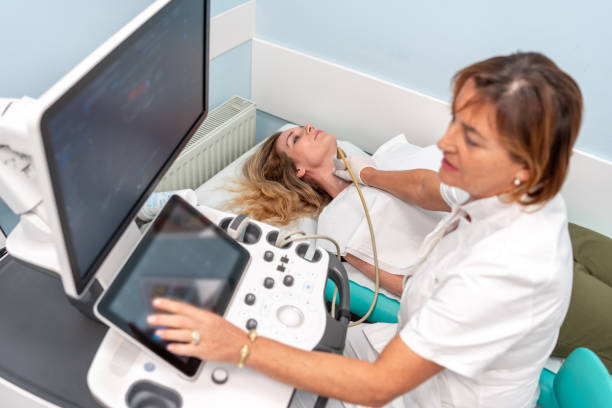
A Diagnostic Medical Sonographer, also known as an Ultrasound Technician, is a healthcare professional who uses specialized equipment to create images of internal body structures through sound waves. These images, known as ultrasounds, assist physicians in diagnosing and monitoring medical conditions. Working in settings such as hospitals, clinics, and diagnostic imaging centers, they collaborate with doctors and other medical staff to ensure accurate and safe imaging procedures. Diagnostic Medical Sonographers are vital in modern healthcare, providing non-invasive diagnostic data that supports early detection, precise medical interventions, and improved patient outcomes in an era where ultrasound technology is increasingly integral to medical advancements.

Share :
Career tree mind map (horizontal) — Diagnostic-Medical Sonographer
Colored branches, hub circles, and underlined topics — same style as counselor course classic (types 18–19 in admin).
Loading mind map…

Overview

A Diagnostic Medical Sonographer, also known as an Ultrasound Technician, is a healthcare professional who uses specialized equipment to create images of internal body structures through sound waves. These images, known as ultrasounds, assist physicians in diagnosing and monitoring medical conditions. Working in settings such as hospitals, clinics, and diagnostic imaging centers, they collaborate with doctors and other medical staff to ensure accurate and safe imaging procedures. Diagnostic Medical Sonographers are vital in modern healthcare, providing non-invasive diagnostic data that supports early detection, precise medical interventions, and improved patient outcomes in an era where ultrasound technology is increasingly integral to medical advancements.

Diagnostic Medical Sonographers are trained specialists responsible for performing ultrasound imaging procedures, ensuring patient safety during scans, and maintaining sophisticated ultrasound equipment. Their role includes preparing patients for scans, applying gel to enhance sound wave transmission, and positioning them to obtain optimal images. They work closely with physicians to analyze results, combining technical proficiency with compassionate patient care, often serving as a reassuring presence during potentially stressful procedures. As key contributors to diagnostic accuracy, they enable timely medical decisions, playing an indispensable role in prenatal care, emergency diagnostics, and specialized treatments in a healthcare landscape increasingly reliant on non-invasive imaging for effective patient management.


Roles and Responsibilities

💼
Diagnostic-Medical Sonographer
Roles and Responsibilities
Ultrasound Imaging Procedures
Operate ultrasound equipment to produce detailed images of internal body structures
Position patients and apply conductive gel to ensure high-quality diagnostic images
Patient Safety and Preparation
Explain ultrasound procedures to patients, addressing concerns and ensuring understanding
Ensure patient safety by following protocols for non-invasive imaging techniques
Equipment Operation and Maintenance
Calibrate and maintain ultrasound machines to ensure consistent performance and accuracy
Identify and troubleshoot equipment malfunctions, coordinating repairs as needed
Image Processing and Documentation
Process and evaluate ultrasound images for quality before forwarding them to physicians for interpretation
Maintain precise patient records and imaging data for medical and legal documentation
Collaboration with Medical Team
Work alongside physicians to assist in image analysis and identification of abnormalities
Coordinate with other healthcare professionals to integrate imaging results into patient care plans
Specialized Imaging Support
Conduct advanced ultrasound techniques such as Doppler imaging or echocardiography under guidance
Support procedures requiring real-time imaging, such as biopsies or fetal monitoring
Patient Care and Comfort
Offer emotional support to patients who may be anxious or uncomfortable during imaging
Ensure patient privacy and comfort throughout the scanning process and consultations
Community Education and Advocacy
Educate communities about the role of ultrasound imaging in healthcare and disease prevention
Advocate for access to ultrasound services in underserved areas for better diagnostic reach

Roles and Responsibilities

  • Ultrasound Imaging Procedures
    • Operate ultrasound equipment to produce detailed images of internal body structures
    • Position patients and apply conductive gel to ensure high-quality diagnostic images
  • Patient Safety and Preparation
    • Explain ultrasound procedures to patients, addressing concerns and ensuring understanding
    • Ensure patient safety by following protocols for non-invasive imaging techniques
  • Equipment Operation and Maintenance
    • Calibrate and maintain ultrasound machines to ensure consistent performance and accuracy
    • Identify and troubleshoot equipment malfunctions, coordinating repairs as needed
  • Image Processing and Documentation
    • Process and evaluate ultrasound images for quality before forwarding them to physicians for interpretation
    • Maintain precise patient records and imaging data for medical and legal documentation
  • Collaboration with Medical Team
    • Work alongside physicians to assist in image analysis and identification of abnormalities
    • Coordinate with other healthcare professionals to integrate imaging results into patient care plans
  • Specialized Imaging Support
    • Conduct advanced ultrasound techniques such as Doppler imaging or echocardiography under guidance
    • Support procedures requiring real-time imaging, such as biopsies or fetal monitoring
  • Patient Care and Comfort
    • Offer emotional support to patients who may be anxious or uncomfortable during imaging
    • Ensure patient privacy and comfort throughout the scanning process and consultations
  • Community Education and Advocacy
    • Educate communities about the role of ultrasound imaging in healthcare and disease prevention
    • Advocate for access to ultrasound services in underserved areas for better diagnostic reach

Study Route & Eligibility Criteria

Study Route & Eligibility Criteria
Diagnostic-Medical Sonographer
Route 1
🎓
1
10+2 with Physics, Chemistry, Biology or any stream
🎓
2
Diploma in Ultrasound Technology or Medical Sonography
1-2 years
💼
3
Internship or clinical training
3-6 months
💼
4
Practice as Diagnostic Medical Sonographer
Route 2
🎓
1
10+2 with PCB or any stream
🏛️
2
Bachelor’s degree in Medical Imaging or Sonography
3-4 years
💼
3
Hands-on training or internship
💼
4
Work as Diagnostic Medical Sonographer
Route 3
🎓
1
10+2 with any stream
📚
2
Certificate Course in Ultrasound Technology
📚
3
On-the-job training in diagnostic centers
💼
4
Practice in entry-level sonography roles
Route 4
🎓
1
10+2 with PCB or any stream
🏛️
2
International training or degree in Diagnostic Medical Sonography
2-4 years
📚
3
Certification or licensure as per country regulations
💼
4
Practice abroad or in India
🎯 Diagnostic-Medical Sonographer - Professional

Significant Observations (Academic Related Points)

💡
Diagnostic-Medical Sonographer
Academic Related Points
1
Scientific Foundation
Knowledge of physics and biology is essential for understanding ultrasound principles and human anatomy.
2
Clinical Exposure
Practical training during academic programs develops core skills in using ultrasound equipment.
3
Specialized Training
Advanced certifications offer expertise in specific areas like obstetric or vascular sonography.
4
Technical Proficiency
Mastery of ultrasound systems and imaging techniques is vital for diagnostic precision.
5
Interdisciplinary Knowledge
Understanding anatomy, pathology, and patient care improves service delivery.
6
Certification Importance
Registration with paramedical or sonography councils is often required for legal practice.
7
Continuing Education
Regular workshops or seminars are necessary to keep pace with ultrasound technology advancements.
8
Global Standards
Compliance with international sonography guidelines enhances opportunities for global practice.
9
Patient Interaction
Effective communication skills are critical for explaining procedures and alleviating patient anxiety.
10
Entrance Examination Success
Certain programs may require entrance tests or specific qualifications for admission.
11
International Testing Requirements
For international practice, exams like the American Registry for Diagnostic Medical Sonography (ARDMS) certification may be mandatory.

Internships & Practical Exposure

💼
Diagnostic-Medical Sonographer
Internships & Practical Experience
1
Mandatory clinical training during diploma or degree programs in hospitals or diagnostic centers
2
Rotations in ultrasound departments for hands-on experience with imaging equipment
3
Internships under senior sonographers for exposure to diverse ultrasound modalities
4
Observerships in specialized imaging centers for advanced procedure experience
5
Participation in community health screenings for mobile ultrasound or diagnostic outreach
6
Training in patient interaction through real-world case studies and simulations
7
Exposure to patient positioning and image processing during internships
8
Clinical projects on ultrasound technology trends or safety protocols during training
9
Public health initiatives for promoting diagnostic awareness in underserved areas
10
International clinical attachments for global exposure to sonography practices

Courses & Specializations to Enter the Field

📚
Diagnostic-Medical Sonographer
Courses & Specializations
📖
Diploma in Ultrasound Technology or Medical Sonography
📖
Bachelor’s in Medical Imaging or Diagnostic Medical Sonography
📖
Certificate Course in Ultrasound Technology
📖
Training in Basic Ultrasound Imaging Techniques
📖
Specialization in Obstetric and Gynecologic Sonography
📖
Certification in Vascular Sonography
📖
Workshops on Ultrasound Safety and Patient Care
📖
Training in Echocardiography (Cardiac Ultrasound)
📖
Specialization in Abdominal Sonography
📖
Certification in Musculoskeletal Ultrasound

Prominent Employers

🏢
Diagnostic-Medical Sonographer
🌟 Top Companies & Organizations
🇮🇳 India
🏛️
Apollo Hospitals
🏛️
Fortis Healthcare
🏛️
Max Healthcare
🏛️
Narayana Health
🏛️
Manipal Hospitals
🏛️
Tata Memorial Hospital, Mumbai
🏛️
AIIMS, New Delhi
🏛️
Medanta - The Medicity, Gurgaon
🏛️
Kokilaben Dhirubhai Ambani Hospital, Mumbai
🏛️
Lilavati Hospital, Mumbai
🌍 International
🌐
Mayo Clinic, USA
🌐
Johns Hopkins Hospital, USA
🌐
Cleveland Clinic, USA
🌐
Toronto General Hospital, Canada
🌐
Royal Melbourne Hospital, Australia
🌐
King’s College Hospital, UK
🌐
Massachusetts General Hospital, USA
🌐
St. Thomas’ Hospital, UK
🌐
University of Chicago Medical Center, USA
🌐
Vancouver General Hospital, Canada

Advice for Aspiring Diagnostic-Medical Sonographers

💡
Diagnostic-Medical Sonographer
🌟 Tips for Students & Parents
1
Build a strong foundation in physics and biology to understand ultrasound principles and human anatomy.
2
Seek early exposure to sonography through volunteer programs or observerships to confirm interest in the field.
3
Prepare thoroughly for entrance exams or certification requirements specific to your chosen program or region.
4
Pursue advanced certifications in specialties like vascular or cardiac sonography to gain expertise.
5
Stay updated on advancements in ultrasound technology by attending workshops and conferences.
6
Develop hands-on skills in operating ultrasound equipment through clinical training.
7
Engage in community health initiatives or mobile ultrasound units to build practical field experience.
8
Join professional associations like the American Registry for Diagnostic Medical Sonography (ARDMS) for networking and resources.
9
Work on communication skills to explain imaging procedures and reassure patients effectively.
10
Explore international training programs for exposure to diverse sonography practices and standards.
11
Volunteer in hospitals or diagnostic centers to understand patient needs and build experience.
12
Cultivate empathy to support patients who may be anxious or in pain during imaging procedures.
13
Attend continuing education programs to stay abreast of evolving ultrasound technologies and protocols.
14
Build a network with physicians and other healthcare providers for collaborative diagnostic care.
15
Develop resilience to handle the high-pressure and emotional demands of working with critically ill patients.
16
Balance clinical practice with continuous learning to adapt to rapid advancements in sonography.
🎓 Final Message
A career as a Diagnostic Medical Sonographer offers a dynamic opportunity to serve at the forefront of diagnostic healthcare, providing critical ultrasound imaging support that aids in the detection and monitoring of medical conditions. From operating advanced ultrasound equipment to ensuring patient safety and comfort during scans, Diagnostic Medical Sonographers play a pivotal role in modern medical services. This field combines technical expertise, quick problem-solving, and a commitment to patient care, offering diverse paths in hospitals, diagnostic centers, and community outreach. For those passionate about contributing to accurate medical diagnoses and addressing the growing need for non-invasive imaging in an era of complex health challenges, a career as a Diagnostic Medical Sonographer provides an intellectually stimulating and professionally rewarding journey with the potential to make significant contributions to healthcare and society by enhancing the quality of diagnostic care worldwide.
Knowledge & Skills You Will Learn
1
Technical expertise in operating advanced ultrasound equipment with precision
2
Diagnostic accuracy in producing high-quality images for medical analysis
3
In-depth knowledge of anatomy and pathology for effective imaging outcomes
4
Critical thinking to adapt techniques based on patient conditions or equipment challenges
5
Empathy and communication to comfort patients during imaging procedures
6
Time management to handle multiple scans and prioritize urgent cases
7
Adaptability to learn and implement new ultrasound technologies and protocols
8
Interpersonal skills for effective collaboration with physicians and medical teams
9
Problem-solving ability to address equipment issues or imaging inconsistencies
10
Emotional resilience to manage stress and traumatic patient scenarios
Certified Diagnostic Medical Sonographer

Certified Diagnostic Medical Sonographer

Early-career professionals conduct basic ultrasound procedures with increasing autonomy. They hone technical skills in operating standard...

0.0LPA
Senior Diagnostic Medical Sonographer

Senior Diagnostic Medical Sonographer

Experienced professionals manage complex ultrasound modalities such as Doppler imaging or echocardiography with high accuracy. They offer...

0.0LPA

Lead Sonographer

Lead Sonographer

Specialists oversee advanced diagnostics like fetal anomaly scans or vascular studies with exceptional competence. They integrate deep technical...

0.0LPA

Interested in this career?

Take the next step and explore more about Diagnostic-Medical Sonographer.