
Aerobiologist
Aerology Research Scholar (PhD)
Explore Career
A Gemmologist is a specialized professional who studies, identifies, and evaluates gemstones, focusing on their physical properties, origins, and value. They work within jewellery industries, gemstone trading companies, research institutions, auction houses, and certification laboratories. Gemmologists investigate gem materials for purposes ranging from quality assessment to authentication and market valuation. Combining expertise in mineralogy, geology, and market trends, they play a crucial role in ensuring the integrity of the gemstone trade, supporting jewellery design, and advancing gemmological research in a world where authenticity, rarity, and ethical sourcing of gemstones are increasingly vital.
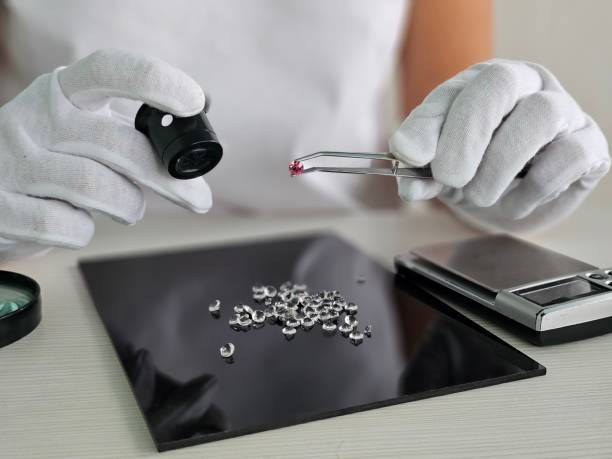
Gemmologists are experts who focus on the study and analysis of gemstones, encompassing their identification, grading, and appraisal, as well as the detection of treatments and synthetic materials. Their work involves conducting detailed examinations using specialized tools, certifying gemstone authenticity in laboratories, assessing market value for trade purposes, and applying findings to jewellery design and consumer protection. They often operate in commercial, academic, or industrial settings, balancing technical analysis with practical applications and interdisciplinary collaboration. Gemmologists are essential to fields like jewellery retail, gemstone mining, and geological research, serving as experts in gem materials, contributing to solutions for ethical sourcing, advancing certification standards, and protecting market integrity, addressing pressing industry and societal issues through precise analysis, and improving outcomes through evidence-based strategies in a commercial landscape where gemmology’s applications continue to expand due to consumer and trade needs.
| Route | Steps |
| Route 1 | 1. 10+2 with Physics, Chemistry, and Mathematics/Biology (PCM/PCB). 2. Bachelor’s degree in Geology, Mineralogy, or Earth Sciences (3-4 years). 3. Diploma or Master’s degree in Gemmology (1-2 years). 4. Advanced certification in Gemstone Grading or Appraisal (optional). 5. Research or industry experience in gemological labs (optional). |
| Route 2 | 1. 10+2 with Physics, Chemistry, and Mathematics/Biology (PCM/PCB). 2. Bachelor’s degree in Chemistry or Material Science (3-4 years). 3. Professional certification in Gemmology from recognized institutes (6 months-1 year). 4. Specialized training in Gemstone Identification (6 months-1 year). 5. Practical experience in gemstone trading or jewelry industry. |
| Route 3 | 1. 10+2 with Physics, Chemistry, and Mathematics/Biology (PCM/PCB). 2. Bachelor’s degree in Jewelry Design or Applied Sciences (3-4 years). 3. Diploma in Gemmology or related field (1-2 years). 4. Internship or fellowship in gemological labs (1-2 years). 5. Certification in advanced gem testing techniques. |
| Route 4 | 1. 10+2 with Physics, Chemistry, and Mathematics/Biology (PCM/PCB). 2. Bachelor’s degree from India in relevant field (3-4 years). 3. International certification or diploma in Gemmology. 4. Training or internship abroad in gemological institutes (1-2 years). 5. Certification or licensure for international practice (if applicable). |
| Institute | Course/Program | Official Link |
| Gemmological Institute of India (GII), Mumbai | Diploma in Gemmology | https://www.giionline.com/ |
| Indian Diamond Institute (IDI), Surat | Diploma in Gemmology | https://www.diamondinstitute.net/ |
| Indian Institute of Gems & Jewellery (IIGJ), Mumbai | Diploma in Gemmology | https://www.iigj.org/ |
| National Institute of Fashion Technology (NIFT), Multiple Locations | Certificate in Gemmology | https://www.nift.ac.in/ |
| St. Xavier’s College, Mumbai | Certificate in Gemmology | https://www.xaviers.ac.in/ |
| University of Mumbai, Mumbai | Certificate in Gemmology | https://www.mu.ac.in/ |
| HR College of Commerce and Economics, Mumbai | Certificate in Gemmology | https://www.hrcollege.edu/ |
| Sophia College for Women, Mumbai | Certificate in Gemmology | https://www.sophiacollege.edu.in/ |
| Indian Institute of Technology (IIT), Kharagpur | Short Courses in Mineralogy | https://www.iitkgp.ac.in/ |
| Jadavpur University, Kolkata | Certificate in Gemmology | https://www.jaduniv.edu.in/ |
| Institution | Course | Country | Official Link |
| Gemological Institute of America (GIA) | Graduate Gemologist Program | USA | https://www.gia.edu/ |
| Swiss Gemmological Institute (SSEF) | Advanced Gemmology Courses | Switzerland | https://www.ssef.ch/ |
| Asian Institute of Gemological Sciences (AIGS) | Diploma in Gemmology | Thailand | https://www.aigsthailand.com/ |
| HRD Antwerp | Diamond Grading and Gemmology Courses | Belgium | https://www.hrdantwerp.com/ |
| University of Queensland | BSc in Earth Sciences (Mineralogy) | Australia | https://www.uq.edu.au/ |
| University of Toronto | Certificate in Earth Sciences | Canada | https://www.utoronto.ca/ |
| De Beers Institute of Diamonds | Diamond Grading Courses | UK | https://www.debeersgroup.com/ |
| Gem-A (Gemmological Association of Great Britain) | Diploma in Gemmology | UK | https://www.gem-a.com/ |
| Canadian Gemmological Association (CGA) | Professional Gemmology Program | Canada | https://www.canadiangemmological.com/ |
| International Gemological Institute (IGI) | Diploma in Gemmology | Multiple Locations | https://www.igi.org/ |
India:
International:
Undergraduate Student → Certified Trainee (Diploma/Certification) → Junior Gemmologist → Established Gemmologist → Senior Gemmologist/Lab Head → Program Director/Industry Expert
| India | International |
| Gemmological Institute of India (GII) | Gemmological Institute of America (GIA) |
| Indian Diamond Institute (IDI) | Swiss Gemmological Institute (SSEF) |
| Indian Institute of Gems & Jewellery (IIGJ) | Asian Institute of Gemmological Sciences (AIGS) |
| Titan Company Limited (Tanishq) | HRD Antwerp |
| Reliance Jewels | De Beers Group |
| Malabar Gold & Diamonds | Tiffany & Co. |
| PC Jeweller | Sotheby’s |
| Kalyan Jewellers | Christie’s |
| Gitanjali Gems | Cartier |
| Ministry of Commerce and Industry | International Gemmological Institute (IGI) |
| Pros | Cons |
| Significant contribution to the jewelry industry and consumer trust through gemstone authentication. | Requires continuous learning to keep up with new treatments and synthetic gemstone technologies. |
| Intellectually stimulating work combining science, art, and commerce in gemstone analysis. | Competitive market for high-level positions, often requiring extensive experience and networking. |
| High impact on global trade by ensuring ethical sourcing and market integrity. | Physically demanding tasks, such as long hours of microscopic analysis, posing ergonomic challenges. |
| Opportunities for innovation in gemstone testing and certification methodologies. | Limited public awareness of Gemmology as a career, leading to fewer mainstream opportunities in some regions. |
| Growing relevance due to increasing demand for certified and ethically sourced gemstones. | Market fluctuations and economic downturns can impact demand for luxury goods like gemstones. |
| Career Level | India (₹ per annum) | International (US$ per annum) |
| Trainee/Certified Gemmologist | 2,00,000 - 4,00,000 | $25,000 - $35,000 |
| Junior Gemmologist | 4,00,000 - 8,00,000 | $40,000 - $55,000 |
| Established Gemmologist | 8,00,000 - 15,00,000 | $55,000 - $80,000 |
| Senior Gemmologist/Lab Head | 15,00,000 - 25,00,000 | $80,000 - $110,000 |
| Program Director/Industry Expert | 25,00,000 - 40,00,000 | $110,000 - $150,000 |
A career as a Gemmologist offers a unique opportunity to impact the jewelry industry, gemstone trade, and consumer trust by studying and evaluating precious materials. From conducting detailed laboratory analyses to ensuring ethical practices in sourcing, Gemmologists play a pivotal role in addressing some of the world’s most pressing industry challenges. This field combines scientific inquiry, commercial acumen, and interdisciplinary collaboration, offering diverse paths in certification, trade, research, and education. For those passionate about gemstones, mineralogy, and market integrity, a career as a Gemmologist provides a deeply rewarding journey with significant potential for making meaningful contributions to society in an era where authenticity, sustainability, and ethical trade continue to shape global priorities.

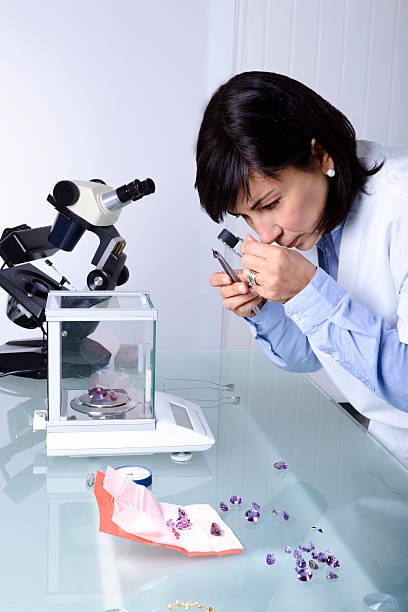
Early-career gemmologists establish roles in labs, jewelry firms, or trade companies while developing their expertise and project portfolio. They...
0.0LPA
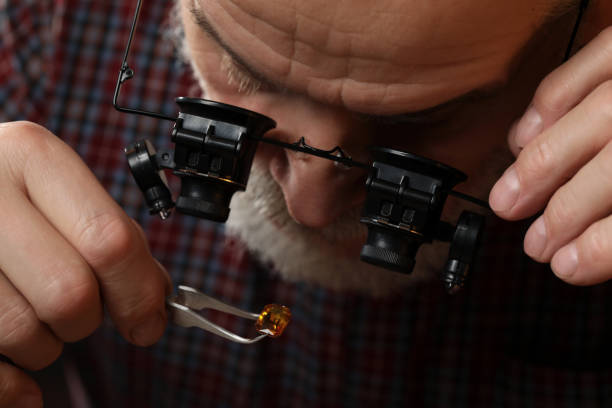
Experienced gemmologists often take leadership roles, overseeing lab teams or certification programs while mentoring junior staff and shaping...
0.0LPA

Specialists focus exclusively on diamonds, developing expertise in grading and valuation for trade and certification. They focus on precision,...
0.0LPA
Take the next step and explore more about Gemmologist.
Explore similar career paths that might interest you