Aerobiologist
Aerology Research Scholar (PhD)
Explore Career
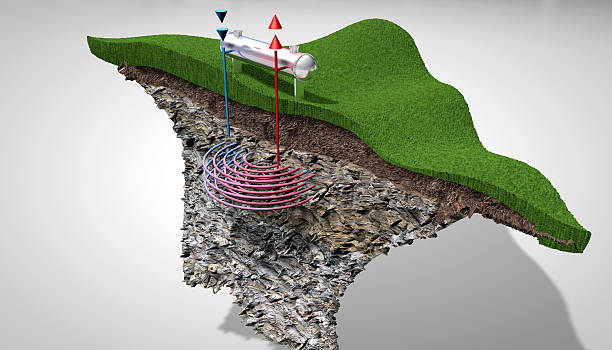
A Geohydrologist studies the distribution, movement, and quality of groundwater in the Earth's crust. They analyze how water interacts with geological formations and assess the availability and sustainability of groundwater resources. Geohydrologists apply principles of geology, hydrology, and environmental science to solve problems related to water supply, contamination, and resource management.
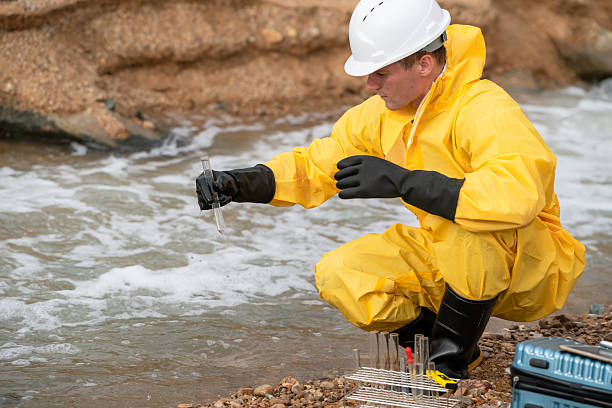
Geohydrologists investigate groundwater systems by studying aquifers, soil permeability, and rock formations to understand how water flows underground. They collect and analyze data through field surveys, drilling, sampling, and geophysical techniques. Their work involves assessing groundwater quality, predicting the impact of human activities, and designing sustainable water management plans. Geohydrologists play a key role in environmental protection, urban planning, agriculture, and disaster management by ensuring safe and reliable water resources. They collaborate with environmental scientists, engineers, policymakers, and communities to address water-related challenges.
| Route | Steps |
|---|---|
| Route 1: Bachelor’s in Geology / Earth Sciences | 1. Complete a Bachelor’s degree in Geology, Earth Sciences, or Environmental Science. 2. Pursue Master’s specializing in Hydrogeology or Geohydrology. 3. Gain fieldwork and laboratory research experience. 4. Seek employment in environmental consultancies, government agencies, or research institutes. |
| Route 2: Civil Engineering + Water Resources | 1. Obtain a degree in Civil Engineering with focus on water resources. 2. Specialize in groundwater hydrology through postgraduate studies. 3. Participate in projects related to water management and environmental engineering. 4. Advance into hydrogeological roles in engineering firms or public sector. |
| Route 3: Environmental Science + Hydrology | 1. Earn a degree in Environmental Science or Hydrology. 2. Focus on groundwater studies and environmental impact assessments. 3. Engage in internships with environmental agencies. 4. Pursue advanced research and consultancy roles. |
| Route 4: Geophysics + Hydrology | 1. Complete a degree in Geophysics or Applied Geophysics. 2. Develop skills in geophysical survey methods and groundwater modeling. 3. Conduct interdisciplinary research projects. 4. Pursue graduate degrees and field specialization. |
| Institute | Course / Program | Official Link |
|---|---|---|
| Indian Institute of Technology (IIT) Roorkee | Hydrogeology and Water Resources | https://www.iitr.ac.in/ |
| National Institute of Hydrology (NIH), Roorkee | Hydrogeology and Groundwater Studies | https://nihroorkee.gov.in/ |
| Indian Institute of Science (IISc), Bangalore | Earth Sciences and Environmental Science | https://iisc.ac.in/ |
| Banaras Hindu University (BHU) | Geology and Hydrogeology | https://www.bhu.ac.in/ |
| Jawaharlal Nehru University (JNU), Delhi | Environmental Sciences | https://www.jnu.ac.in/ |
| University of Hyderabad | Earth and Environmental Sciences | https://www.uohyd.ac.in/ |
| Aligarh Muslim University (AMU) | Geology and Hydrogeology | https://www.amu.ac.in/ |
| Central University of Rajasthan | Environmental Science and Hydrogeology | https://www.curaj.ac.in/ |
| Anna University | Civil Engineering – Water Resources | https://www.annauniv.edu/ |
| Tata Institute of Fundamental Research (TIFR) | Earth Sciences | https://www.tifr.res.in/ |
International
| Institution | Course | Country | Official Link |
|---|---|---|---|
| Stanford University | Earth System Science and Hydrogeology | USA | https://stanford.edu/ |
| Massachusetts Institute of Technology (MIT) | Earth, Atmospheric, and Planetary Sciences | USA | https://mit.edu/ |
| University of California, Berkeley | Hydrology and Water Resources | USA | https://berkeley.edu/ |
| University of Cambridge | Earth Sciences and Hydrogeology | UK | https://cam.ac.uk/ |
| ETH Zurich | Environmental Geosciences | Switzerland | https://ethz.ch/ |
| University of Oxford | Earth Sciences | UK | https://www.ox.ac.uk/ |
| University of Toronto | Earth Sciences and Hydrology | Canada | https://www.utoronto.ca/ |
| Delft University of Technology | Water Management and Hydrogeology | Netherlands | https://www.tudelft.nl/ |
| University of Melbourne | Environmental Science and Hydrogeology | Australia | https://www.unimelb.edu.au/ |
| Technical University of Munich (TUM) | Environmental Engineering and Hydrogeology | Germany | https://www.tum.de/ |
India
International
Undergraduate Student → Graduate Student (MSc/PhD) → Junior Geohydrologist / Research Assistant → Geohydrologist / Hydrogeologist → Senior Consultant / Project Manager → Principal Hydrogeologist / Lead Scientist → Director / Head of Water Resource Management
| India | International |
|---|---|
| Central Ground Water Board (CGWB) | United States Geological Survey (USGS) |
| National Institute of Hydrology (NIH) | Environment Agency (UK) |
| Indian Space Research Organisation (ISRO) | Environment Canada |
| Central Pollution Control Board (CPCB) | Australian Bureau of Meteorology |
| Geological Survey of India (GSI) | UNESCO International Hydrological Programme |
| Tata Consultancy Services (TCS) – Environmental Division | World Bank Water Global Practice |
| WAPCOS Limited | International Water Management Institute (IWMI) |
| National Environmental Engineering Research Institute (NEERI) | European Environment Agency |
| Larsen & Toubro (L&T) – Environmental Services | Shell Global Solutions |
| Indian Agricultural Research Institute (IARI) | Chevron Corporation |
| Pros | Cons |
|---|---|
| Opportunity to contribute to sustainable water resource management | Fieldwork can be physically demanding and in remote locations |
| Growing global demand due to water scarcity and environmental concerns | Work may involve complex data analysis and modeling |
| Interdisciplinary and diverse career opportunities | Sometimes requires working under regulatory and political constraints |
| Ability to impact public health and environmental protection | Project funding can be competitive and uncertain |
| Opportunities for international collaboration and research | Seasonal and weather-dependent field activities |
| Combines outdoor fieldwork with laboratory and office-based research | Long-term monitoring projects can be time-intensive |
| Career Level | India (₹ per annum) | International (US$ per annum) |
|---|---|---|
| Entry-Level Geohydrologist | 3,00,000 - 6,00,000 | $45,000 - $65,000 |
| Mid-Level Hydrogeologist | 6,00,000 - 12,00,000 | $65,000 - $90,000 |
| Senior Consultant / Project Manager | 12,00,000 - 25,00,000 | $90,000 - $130,000 |
| Principal Scientist / Director | 20,00,000 - 40,00,000+ | $130,000 - $180,000+ |
A career as a Geohydrologist offers the opportunity to play a vital role in managing one of the Earth’s most precious resources—groundwater. This dynamic and interdisciplinary field combines fieldwork, laboratory analysis, and advanced modelling to ensure sustainable water supply and environmental protection. For those passionate about geology, water, and environmental stewardship, geohydrology provides a rewarding and impactful career path with growing global relevance.

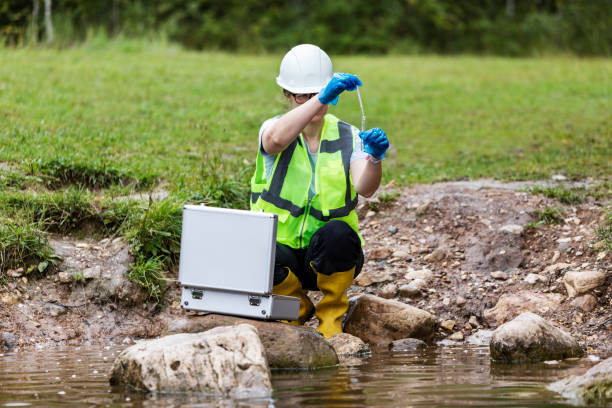
Hydrogeologists focus on the geological aspects of groundwater, studying rock formations, soil permeability, and subsurface water flow. They use...
0.0LPA
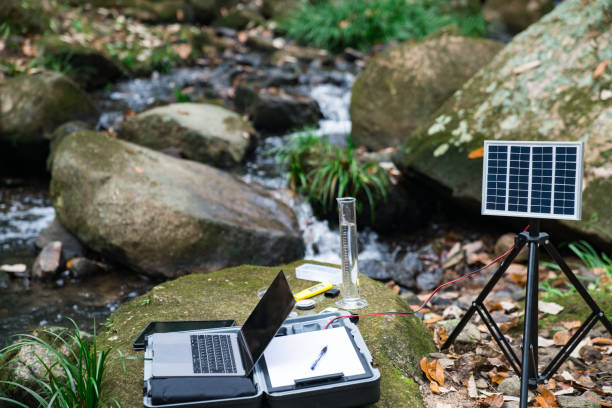
Groundwater Modelers develop computational models to simulate groundwater flow, contaminant transport, and recharge processes. They use software...
0.0LPA
Geophysicists apply geophysical techniques such as resistivity, seismic, and ground-penetrating radar to study subsurface water conditions. They...
0.0LPA
Take the next step and explore more about Geohydrologist.
Explore similar career paths that might interest you