Acupuncturist
Certified Acupuncturist
Explore Career
A Haematologist is a specialized physician who diagnoses, treats, and manages disorders of the blood, bone marrow, and lymphatic system. They work within the healthcare sector, primarily in hospitals, private practices, academic medical centers, and research institutions. Haematologists evaluate patients with blood-related conditions, conduct diagnostic testing, develop treatment plans, and provide ongoing care for chronic hematologic disorders. Combining medical expertise, diagnostic skills, patient education, and preventive approaches, they play a crucial role in improving quality of life for patients suffering from blood disorders in a world where conditions like anaemia, leukaemia, and clotting disorders are significant health challenges, affecting millions across all age groups and requiring specialized medical intervention for proper management and treatment.
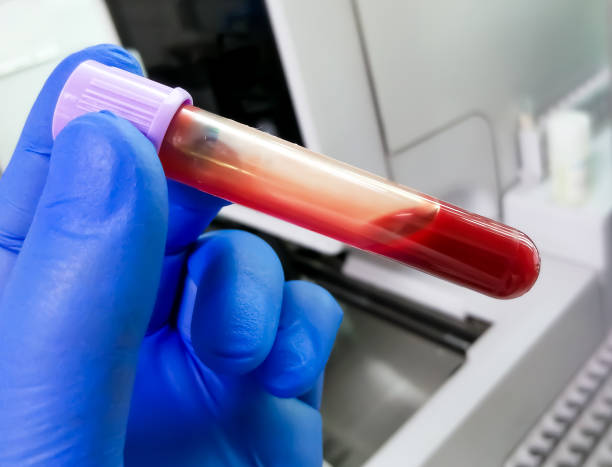
Haematologists are medical specialists who focus on identifying and treating disorders of the blood and blood-forming organs, which include conditions affecting red blood cells, white blood cells, platelets, bone marrow, and the lymphatic system. Their work involves conducting comprehensive patient evaluations, performing specialized diagnostic tests such as blood smears and bone marrow biopsies, developing personalized treatment plans including medications, transfusions, and chemotherapy, and educating patients on disease management and prevention strategies. They often operate in clinical settings, balancing direct patient care with research activities and interdisciplinary collaboration. Haematologists are essential to healthcare delivery, serving as experts in complex blood disorders, providing relief for debilitating symptoms, managing life-threatening conditions like blood cancers, and improving quality of life for patients with chronic hematologic diseases through evidence-based interventions and ongoing monitoring in a medical landscape where blood-related conditions continue to increase in prevalence and complexity due to genetic, environmental, and lifestyle factors.
| Route | Steps |
| Route 1 | 1. 10+2 with Physics, Chemistry, Biology (PCB). 2. MBBS degree (5.5 years including internship). 3. MD/DNB in Internal Medicine or Paediatrics (3 years). 4. DM/Fellowship in Haematology (3 years). 5. Certification from relevant medical board. |
| Route 2 | 1. 10+2 with Physics, Chemistry, Biology (PCB). 2. MBBS degree (5.5 years including internship). 3. MD/DNB in General Medicine (3 years). 4. Specialized training in Haematology (2-3 years). 5. Certification from relevant medical board. |
| Route 3 | 1. 10+2 with Physics, Chemistry, Biology (PCB). 2. MBBS degree (5.5 years including internship). 3. MD/DNB in Pathology (3 years). 4. Fellowship in Clinical Haematology (2-3 years). 5. Certification from relevant medical board. |
| Route 4 | 1. 10+2 with Physics, Chemistry, Biology (PCB). 2. MBBS from India (5.5 years including internship). 3. USMLE or equivalent international licensing exams. 4. Residency in Internal Medicine or Paediatrics in US/UK/Australia (3-4 years). 5. Fellowship in Haematology or Haematology/Oncology (2-3 years). 6. Board certification in Haematology. |
| Institute | Course/Program | Official Link |
| All India Institute of Medical Sciences (AIIMS), New Delhi | DM in Haematology | https://www.aiims.edu/ |
| Postgraduate Institute of Medical Education and Research (PGIMER), Chandigarh | DM in Haematology | https://pgimer.edu.in/ |
| Christian Medical College (CMC), Vellore | DM in Haematology | https://www.cmch-vellore.edu/ |
| Sanjay Gandhi Postgraduate Institute of Medical Sciences, Lucknow | DM in Haematology | https://www.sgpgi.ac.in/ |
| King George's Medical University, Lucknow | DM in Haematology | https://www.kgmu.org/ |
| Seth GS Medical College and KEM Hospital, Mumbai | DM in Haematology | https://www.kem.edu/ |
| Institute of Post Graduate Medical Education and Research, Kolkata | DM in Haematology | https://www.ipgmer.gov.in/ |
| Jawaharlal Institute of Postgraduate Medical Education and Research, Puducherry | DM in Haematology | https://jipmer.edu.in/ |
| Amrita Institute of Medical Sciences, Kochi | DM in Haematology | https://www.amrita.edu/ |
| Manipal Academy of Higher Education | Fellowship in Haematology | https://manipal.edu/ |
| Institution | Course | Country | Official Link |
| Harvard Medical School | Haematology Fellowship Program | USA | https://hms.harvard.edu/ |
| Johns Hopkins University | Haematology Fellowship Program | USA | https://www.hopkinsmedicine.org/ |
| University of California, San Francisco (UCSF) | Haematology Fellowship Program | USA | https://medicine.ucsf.edu/ |
| Mayo Clinic College of Medicine and Science | Haematology Fellowship Program | USA | https://college.mayo.edu/ |
| Imperial College London | MSc in Haematology and Blood Transfusion | UK | https://www.imperial.ac.uk/ |
| University of Oxford | Clinical Haematology Training | UK | https://www.ox.ac.uk/ |
| University of Melbourne | Specialist Training in Haematology | Australia | https://www.unimelb.edu.au/ |
| University of Toronto | Haematology Fellowship Program | Canada | https://www.utoronto.ca/ |
| Karolinska Institutet | Research Training in Haematology | Sweden | https://ki.se/en |
| National University of Singapore (NUS) | Specialist Training in Haematology | Singapore | https://www.nus.edu.sg/ |
International:
Medical Student → Resident Physician (Internal Medicine/Paediatrics) → Haematology Fellow → Junior Haematologist → Established Haematologist → Senior Haematologist/Department Head → Medical Director/Professor of Haematology
| India | International |
| All India Institute of Medical Sciences (AIIMS) | Mayo Clinic, USA |
| Apollo Hospitals | Cleveland Clinic, USA |
| Fortis Healthcare | Johns Hopkins Hospital, USA |
| Max Healthcare | Massachusetts General Hospital, USA |
| Medanta - The Medicity | Royal Free Hospital, UK |
| Sir Ganga Ram Hospital | The Alfred Hospital, Australia |
| Kokilaben Dhirubhai Ambani Hospital | Hospital for Sick Children, Canada |
| Narayana Health | Charité - Universitätsmedizin Berlin, Germany |
| Tata Memorial Hospital | Singapore General Hospital, Singapore |
| Manipal Hospitals | Mount Sinai Hospital, USA |
| Pros | Cons |
| Significant improvement in patients' quality of life through effective treatments. | Lengthy training period requiring 12-14 years after high school. |
| Intellectually stimulating field combining diagnostics and cutting-edge therapies. | High emotional burden when dealing with life-threatening blood cancers. |
| High demand due to the critical nature of blood disorders and cancers. | Stressful emergency situations like severe bleeding or clotting crises. |
| Strong patient relationships through ongoing management of chronic conditions. | Complex reimbursement issues for certain hematologic treatments and procedures. |
| Opportunities for involvement in groundbreaking research and therapies. | Need to stay updated with rapidly evolving research and treatment protocols. |
| Career Level | India (₹ per annum) | International (US$ per annum) |
| Medical Resident | 6,00,000 - 10,00,000 | $55,000 - $70,000 |
| Haematology Fellow | 10,00,000 - 15,00,000 | $70,000 - $85,000 |
| Junior Haematologist | 15,00,000 - 30,00,000 | $250,000 - $350,000 |
| Established Haematologist | 30,00,000 - 60,00,000 | $350,000 - $500,000 |
| Senior Haematologist/Director | 60,00,000 - 1,20,00,000 | $500,000 - $650,000 |
A career as a Haematologist offers the profound opportunity to transform patients' lives by diagnosing and treating blood disorders that can range from manageable to life-threatening. From conducting detailed diagnostic evaluations and developing personalized treatment plans to managing chronic conditions and providing ongoing support for lifestyle changes, Haematologists play a pivotal role in helping patients understand, manage, and overcome hematologic disorders that significantly impact daily functioning and quality of life. This field combines scientific knowledge, clinical expertise, and compassionate care, offering diverse paths in private practice, academic medicine, research, and education. For those passionate about blood health, patient education, and improving quality of life through medical intervention, a career as a Haematologist provides a deeply rewarding journey with significant potential for making meaningful differences in patients' lives through the prevention, diagnosis, and treatment of blood diseases in an era where genetic advancements and modern therapies continue to increase the potential for curing complex hematologic conditions worldwide.

Residents in Internal Medicine or Paediatrics gain broad clinical experience while developing interest in blood disorders. They provide supervised...
0.0LPA

Fellows receive specialized training in blood-related diagnosis, testing procedures like bone marrow biopsies, and treatment approaches under...
0.0LPA

Early-career haematologists establish clinical practice, often joining established groups or hospitals while developing their patient base and...
0.0LPA
Take the next step and explore more about Haematology.
Explore similar career paths that might interest you