Marine Engineer
Marine Engineering is a specialized and dynamic field within engineering that focuses on the design, construction, operation, and maintenance of ships, submarines, and offshore structures, leveraging advanced technology to ensure safety and efficiency in marine environments. In India, Marine Engineering is a promising career path, driven by the country’s extensive coastline, growing maritime trade, and increasing focus on naval defense and offshore energy resources. With advancements in shipbuilding technology, green shipping solutions, and automation, this career plays a pivotal role in global trade and marine sustainability. Marine Engineers are essential for ensuring the functionality of marine vessels and structures while addressing environmental and safety challenges. This profession contributes to industry progress through trends like LNG-powered ships, autonomous vessels, and offshore renewable energy systems.
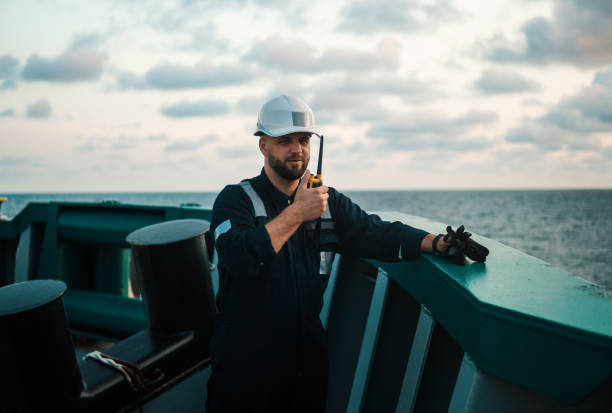
Career Description
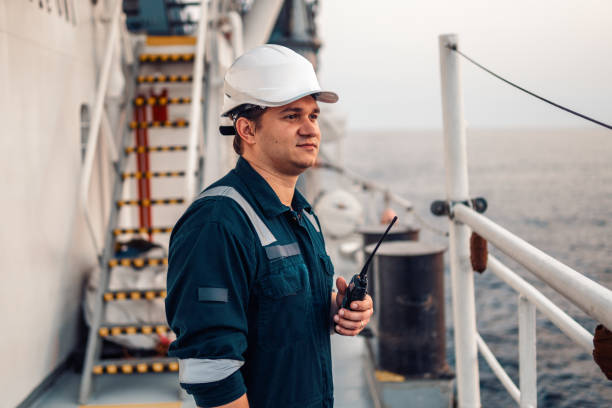
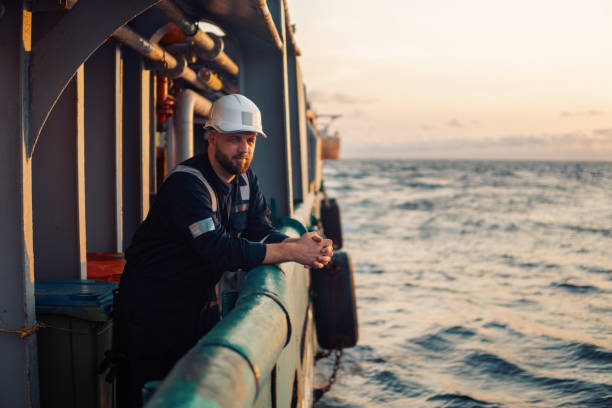
Marine Engineers work in diverse settings such as shipyards, onboard vessels, offshore platforms, or naval design offices, often collaborating with naval architects, mechanical engineers, electrical engineers, and ship operators. Their responsibilities include designing ship propulsion systems, maintaining engine room equipment, and ensuring compliance with maritime safety standards. They face challenges like managing India’s growing maritime demands, adapting to harsh sea conditions, and integrating eco-friendly technologies under strict regulations. By applying expertise in thermodynamics, fluid mechanics, and marine systems, they power global connectivity through maritime operations. As key contributors to India’s shipping and technology sectors, they drive advancements through trends like sustainable ship design, digital twin technology, and emission reduction strategies.
Roles and Responsibilities
- Ship Design and Propulsion Systems
- Design and develop propulsion systems, engines, and auxiliary machinery for ships and marine structures.
- Create technical drawings and specifications for ship systems using engineering software.
- Operation and Maintenance of Marine Equipment
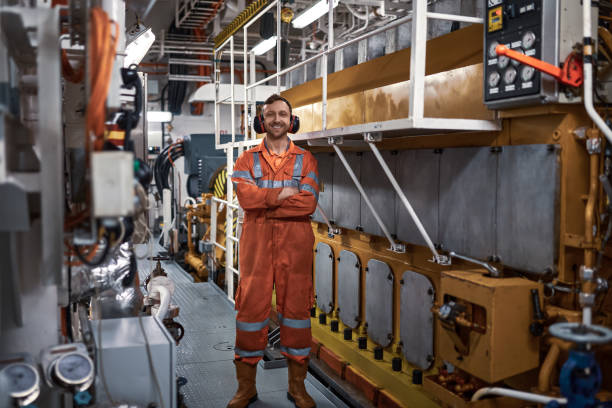
- Operate and maintain engine room equipment, including diesel engines, boilers, and fuel systems on vessels.
- Conduct regular inspections and repairs to ensure optimal performance and prevent breakdowns at sea.
- Safety and Regulatory Compliance
- Ensure compliance with international maritime safety and environmental regulations like MARPOL and SOLAS.
- Implement safety protocols and emergency response plans to protect crew and vessel integrity.
- Fuel and Energy Efficiency Management
- Optimize fuel consumption and energy usage on ships to reduce operational costs and environmental impact.
- Integrate alternative fuels like LNG or hybrid systems to meet emission reduction targets.
- Offshore Structure Engineering
- Design and maintain offshore platforms, rigs, or wind farms for stability in harsh marine environments.
- Assess structural integrity and corrosion resistance to ensure long-term safety and functionality.
- Troubleshooting and Emergency Repairs
- Diagnose and resolve mechanical or electrical failures in marine systems during voyages or at port.
- Perform emergency repairs under challenging conditions to minimize downtime and ensure safety.
- Project Management and Supervision
- Oversee shipbuilding or repair projects, managing budgets, timelines, and multidisciplinary teams.
- Supervise installation and testing of marine systems to meet design and operational standards.
- Research and Technological Innovation
- Research emerging technologies like autonomous shipping or green propulsion for integration into marine designs.
- Collaborate on innovations to improve vessel efficiency, safety, and environmental sustainability.
Study Route & Eligibility Criteria
| Route | Steps |
| Route 1: Bachelor’s in Marine Engineering - Direct Entry | 1. Complete 10+2 in Science stream (Physics, Chemistry, Mathematics) with minimum 60% marks. 2. Pursue B.Tech/B.E. in Marine Engineering (4 years) via entrance exams. 3. Gain experience onboard ships or in shipyards through entry roles. 4. Progress to Marine Engineer with skills or certifications. |
| Route 2: Bachelor’s to Master’s Pathway | 1. Complete 10+2 and enroll in B.Tech/B.E. in Marine Engineering. 2. Pursue M.Tech/M.E. in Marine Engineering or related fields via entrance exams. 3. Build expertise through advanced projects or research. 4. Join specialized roles in industry or R&D with advanced qualifications. |
| Route 3: Master’s to Ph.D. Specialization | 1. Complete Bachelor’s and Master’s in Marine Engineering. 2. Pursue Ph.D. in Marine Engineering via entrance exams like UGC-NET or GATE. 3. Conduct research on marine technologies or systems. 4. Join senior roles in academia, R&D, or leading organizations. |
| Route 4: International Education Path | 1. Complete 10+2 and clear relevant entrance exams or language tests (e.g., IELTS, TOEFL). 2. Pursue degrees in Marine Engineering from international universities (e.g., USA, UK). 3. Gain global exposure through international projects or internships. 4. Return to India or work internationally in marine engineering roles. |
| Route 5: Diploma to Degree Pathway | 1. Complete 10th standard and enroll in Diploma in Marine Engineering (3 years). 2. Transition to B.Tech/B.E. via lateral entry programs or gain sea experience. 3. Work in assistant roles for practical learning. 4. Build expertise and network to secure engineer positions with experience. |
Significant Observations (Academic Related Points)
- Eligibility Criteria: 10+2 in Science stream (Physics, Chemistry, Mathematics) is generally required for undergraduate programs; a relevant bachelor’s degree is needed for postgraduate studies with an interest in maritime systems and technology.
- Competitive Examinations: Entrance exams like JEE Main, IMU CET (for marine programs), or state-level exams are required for premier institutes in India; international programs may require IELTS, TOEFL, or GRE.
- Practical Skills: Hands-on experience in ship engine maintenance, onboard operations, and design projects is critical for industry readiness.
- Physical Standards: Good physical health and fitness are often mandatory due to demanding sea conditions and onboard work; vision and medical tests are required for seafaring roles.
- Technical Knowledge: Proficiency in marine design software, mechanical systems, and maritime regulations is essential.
- Continuous Training: Certifications like STCW (Standards of Training, Certification, and Watchkeeping) and workshops on green shipping are crucial for staying relevant.
- Field Readiness: Exposure to real-world shipyards, onboard voyages, and offshore projects builds practical competence.
- Cultural Awareness: Understanding global maritime standards and diverse crew dynamics aids in effective operations and collaboration.
- Analytical and Practical Thinking: Combining technical analysis with hands-on problem-solving is key to addressing marine engineering challenges.
- Ethical Commitment: Adherence to safety, environmental, and international maritime standards builds professional credibility.
- Networking Ability: Building relationships with shipbuilders, naval architects, and maritime authorities is crucial for career growth.
Courses & Specializations to Enter the Field
- Bachelor of Technology (B.Tech) in Marine Engineering for foundational skills in ship systems and operations.
- Bachelor of Engineering (B.E.) in Marine Engineering for a focus on engineering principles in maritime applications.
- Master of Technology (M.Tech) in Marine Engineering for advanced expertise in specialized marine domains.
- Master of Science (M.Sc.) in Marine Engineering for research-oriented skills in ship design or offshore systems.
- Ph.D. in Marine Engineering for cutting-edge research and leadership roles in maritime innovation.
- Specialization in Ship Design, Offshore Engineering, Marine Propulsion Systems, or Naval Architecture.
- Short-term courses on Ship Maintenance, LNG Fuel Technology, and Maritime Safety Management.
- Certifications in STCW, Marine Engine Operator License (MEOL), and Certified Marine Engineer for professional credibility.
Top Institutes for Marine Engineer Training (India)
| Institute | Course/Program | Official Link |
| Indian Maritime University (IMU), Chennai | B.Tech/M.Tech in Marine Engineering | https://www.imu.edu.in/ |
| Cochin University of Science and Technology (CUSAT), Kochi | B.Tech in Marine Engineering | https://www.cusat.ac.in/ |
| Tolani Maritime Institute (TMI), Pune | B.Tech in Marine Engineering | https://www.tmi.tolani.edu/ |
| Samundra Institute of Maritime Studies, Mumbai | B.Tech in Marine Engineering | https://www.samundra.com/ |
| Vels Institute of Science, Technology & Advanced Studies, Chennai | B.Tech in Marine Engineering | https://www.velsuniv.ac.in/ |
| Academy of Maritime Education and Training (AMET), Chennai | B.Tech in Marine Engineering | https://www.ametuniv.ac.in/ |
| Maharashtra Academy of Naval Education and Training (MANET), Pune | B.Tech in Marine Engineering | https://www.manetpune.edu.in/ |
| International Maritime Institute (IMI), Greater Noida | B.Tech in Marine Engineering | https://www.imi.edu.in/ |
| Hindustan Institute of Maritime Training (HIMT), Chennai | Marine Engineering Programs | https://www.himtcollege.com/ |
| Marine Engineering and Research Institute (MERI), Kolkata | B.Tech in Marine Engineering | https://www.merical.ac.in/ |
Top International Institutes for Marine Engineer Studies
| Institution | Course | Country | Official Link |
| Massachusetts Institute of Technology (MIT), Cambridge | B.S./M.S./Ph.D. in Ocean Engineering | USA | https://www.mit.edu/ |
| University of Southampton, Southampton | B.Eng./M.Eng./Ph.D. in Marine Engineering | UK | https://www.southampton.ac.uk/ |
| Norwegian University of Science and Technology (NTNU), Trondheim | B.Sc./M.Sc./Ph.D. in Marine Technology | Norway | https://www.ntnu.edu/ |
| Delft University of Technology, Delft | B.Sc./M.Sc./Ph.D. in Marine Technology | Netherlands | https://www.tudelft.nl/ |
| University of Strathclyde, Glasgow | B.Eng./M.Eng./Ph.D. in Naval Architecture & Marine Engineering | UK | https://www.strath.ac.uk/ |
| University of Michigan, Ann Arbor | B.S.E./M.S.E./Ph.D. in Naval Architecture & Marine Engineering | USA | https://www.umich.edu/ |
| National University of Singapore (NUS), Singapore | B.Eng./M.Eng./Ph.D. in Offshore & Marine Engineering | Singapore | https://www.nus.edu.sg/ |
| University of New South Wales (UNSW), Sydney | B.Eng./M.Eng./Ph.D. in Naval Architecture | Australia | https://www.unsw.edu.au/ |
| Chalmers University of Technology, Gothenburg | B.Sc./M.Sc./Ph.D. in Maritime Engineering | Sweden | https://www.chalmers.se/ |
| Technical University of Denmark (DTU), Lyngby | B.Sc./M.Sc./Ph.D. in Maritime Engineering | Denmark | https://www.dtu.dk/ |
Entrance Tests Required
India:
- IMU CET (Indian Maritime University Common Entrance Test): Required for admission to B.Tech programs in Marine Engineering at IMU and affiliated institutes (Written Test).
- JEE Main (Joint Entrance Examination Main): Required for admission to B.Tech programs at some institutes offering marine engineering (Written Test).
- GATE (Graduate Aptitude Test in Engineering): Required for M.Tech admissions in Marine Engineering or related fields (Written Test).
- State-Level Entrance Exams (e.g., MHT-CET, KCET): For admission to state engineering colleges offering marine engineering programs (Written Test).
- Institute-Specific Tests: Some private institutes like Tolani Maritime Institute conduct their own entrance exams (e.g., TMISAT) for marine engineering programs (Written Test).
International (for Relevant Studies or Exposure):
- IELTS (International English Language Testing System): Minimum score of 6.5-7.0 for non-native speakers applying to programs in the UK, Canada, Australia, etc.
- TOEFL (Test of English as a Foreign Language): Minimum score of 90-100 for programs in English-speaking countries like the USA.
- SAT (Scholastic Assessment Test): Often required for undergraduate programs in the USA or Canada (Written Test).
- GRE (Graduate Record Examination): Often required for postgraduate programs in marine engineering at international universities (Quantitative, Verbal, Analytical Writing).
- Interview/Portfolio: Some advanced programs or roles may require interviews or project portfolios to assess technical fit and preparedness.
Ideal Progressing Career Path (Private/Public Sector Example)
Marine Engineer → Senior Marine Engineer → Chief Engineer (Marine) → Technical Superintendent → Director of Marine Operations
Major Areas of Employment
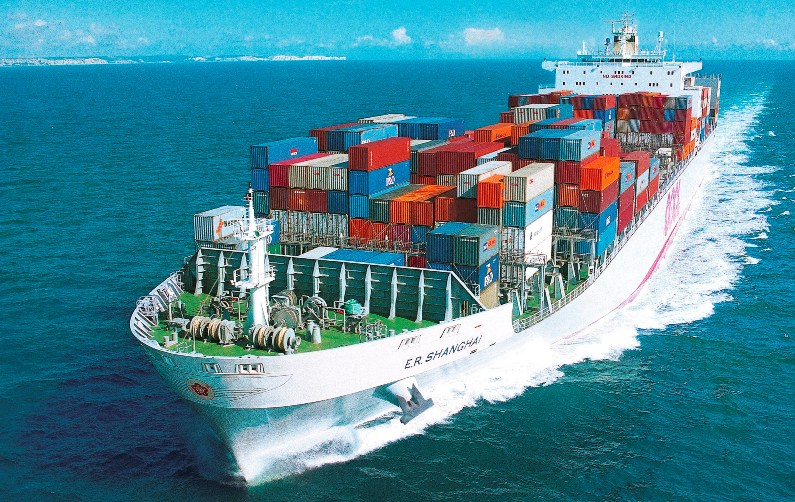
- Shipping Companies for operating and maintaining commercial vessels and cargo ships.
- Shipbuilding and Repair Yards for designing and constructing ships and marine equipment.
- Offshore Oil and Gas Industry for maintaining rigs, platforms, and subsea equipment.
- Naval Defense Sector for designing and operating military vessels and submarines.
- Maritime Regulatory Bodies for ensuring compliance with safety and environmental standards.
- Renewable Energy Sector for supporting offshore wind farms and marine energy projects.
- Research and Academic Institutions for innovating marine technologies and training future engineers.
Prominent Employers/Associated Organizations
| Indian Organizations | International Organizations |
| Shipping Corporation of India (SCI), Mumbai | Maersk Line, Denmark |
| Cochin Shipyard Limited, Kochi | Hyundai Heavy Industries, South Korea |
| Mazagon Dock Shipbuilders Limited, Mumbai | Daewoo Shipbuilding & Marine Engineering, South Korea |
| Garden Reach Shipbuilders & Engineers (GRSE), Kolkata | Mitsubishi Heavy Industries, Japan |
| Larsen & Toubro (L&T) Shipbuilding, Chennai | Samsung Heavy Industries, South Korea |
| Adani Ports and Special Economic Zone, Ahmedabad | Carnival Corporation, USA/UK |
| Essar Shipping Limited, Mumbai | Royal Caribbean Cruises, USA |
| Great Eastern Shipping Company, Mumbai | COSCO Shipping, China |
| Hindustan Shipyard Limited, Visakhapatnam | DNV GL, Norway |
| Indian Navy (Technical Branch), Delhi | Lloyd’s Register, UK |
Pros and Cons of the Profession
| Pros | Cons |
| High impact through enabling global trade and maritime connectivity | High physical and mental demand due to long periods at sea and harsh conditions |
| Opportunity to work on cutting-edge technologies like autonomous ships | Long separations from family during extended voyages or offshore assignments |
| Key role in advancing sustainable shipping and offshore energy solutions | Challenges in maintaining work-life balance due to irregular schedules |
| Growing demand in India’s expanding maritime and defense sectors | Stress from handling emergencies or equipment failures in remote sea locations |
| Potential for recognition through innovative marine designs or safety improvements | Need for strict adherence to physical and medical standards for seafaring roles |
Industry Trends and Future Outlook
- Green Shipping Solutions: Increasing adoption of LNG, hydrogen, and hybrid propulsion to reduce carbon emissions.
- Autonomous Vessels: Growing development of unmanned ships using AI and remote control for safer, efficient operations.
- Offshore Renewable Energy: Rising focus on marine wind farms and tidal energy projects for sustainable power generation.
- Digital Twin Technology: Use of virtual ship models for real-time monitoring, maintenance, and performance optimization.
- Emission Regulations: Stricter global standards like IMO 2020 driving innovation in low-sulfur fuels and scrubber systems.
- India’s Maritime Growth: Expanding opportunities due to initiatives like Sagarmala and increased naval defense investments.
- Shipbuilding Automation: Integration of robotics and IoT in shipyards for faster, precise construction and repairs.
- Cybersecurity in Maritime: Growing need to protect ship systems from cyber threats as digitalization increases.
- Arctic and Deep-Sea Exploration: Rising demand for specialized vessels and engineers for extreme marine environments.
Salary Expectations
| Career Level (Private/Public Sector Example) | India (₹ per annum) | International (USD per annum, Tentative) |
| Marine Engineer (Entry to Mid-Level) | 6,00,000 - 12,00,000 | 40,000 - 60,000 |
| Senior Marine Engineer (Mid-Level) | 12,00,000 - 20,00,000 | 60,000 - 90,000 |
| Chief Engineer (Marine) (Senior Level) | 20,00,000 - 30,00,000 | 90,000 - 120,000 |
| Technical Superintendent (Top Tier) | 30,00,000 - 45,00,000 | 120,000 - 150,000 |
| Director of Marine Operations (Elite Level) | 45,00,000 - 60,00,000+ | 150,000 - 200,000+ |
| Naval Architect (Specialized Role) | 8,00,000 - 15,00,000 | 50,000 - 80,000 |
| Offshore Engineer (Specialized Role) | 10,00,000 - 18,00,000 | 60,000 - 100,000 |
| Marine Surveyor (Specialized Role) | 7,00,000 - 14,00,000 | 50,000 - 85,000 |
Note: Salaries are indicative and vary based on location (coastal vs. inland for India; country/region for international roles), organization type, and whether the role is shore-based or seafaring. Figures for India are updated estimates based on industry trends as of 2025, reflecting market growth, demand for marine engineering expertise, and data from sources like Glassdoor and industry reports. International figures are approximate averages based on global maritime trends in countries like the USA, UK, or Norway, sourced from recent job portals and market analyses.
Key Software Tools
- AutoCAD: For creating detailed 2D and 3D designs of ship systems and marine structures.
- ANSYS: For simulating structural stress, fluid dynamics, and thermal performance in marine designs.
- OrcaFlex: For dynamic analysis of offshore structures like mooring systems and risers under sea conditions.
- Maxsurf: For ship design and stability analysis, including hull form and structural modeling.
- STAR-CCM+: For computational fluid dynamics (CFD) to optimize ship hydrodynamics and propulsion efficiency.
- Rhinoceros (Rhino): For 3D modeling of ship hulls and complex marine structures during design phases.
- MATLAB: For numerical analysis and simulation of marine systems like engine performance or wave impact.
- ShipConstructor: For integrated shipbuilding design, detailing steel and outfitting components.
- NAPA: For naval architecture and ship design, focusing on stability and performance calculations.
- AVEVA Marine: For comprehensive marine engineering design, planning, and production management in shipbuilding.
Professional Organizations and Networks
- Indian Maritime Foundation (IMF), India.
- Indian National Shipowners’ Association (INSA), India.
- National Maritime Foundation (NMF), India.
- Marine Engineers’ Benevolent Association (MEBA), India.
- Institute of Marine Engineering, Science and Technology (IMarEST), Global.
- Society of Naval Architects and Marine Engineers (SNAME), Global.
- International Maritime Organization (IMO), Global.
- Royal Institution of Naval Architects (RINA), UK.
- World Maritime University (WMU), Global.
Notable Leaders in Marine Engineering
- Isambard Kingdom Brunel (UK, Historical): Isambard Kingdom Brunel, a pioneering engineer, designed the SS Great Britain, the first iron-hulled, screw-propelled steamship, revolutionizing marine engineering. His innovations transformed shipbuilding. His legacy endures in maritime design.
- Vikram Sarabhai (India, Historical): Vikram Sarabhai, though primarily a space scientist, indirectly influenced marine engineering through India’s satellite programs for maritime navigation and communication. His vision advanced technology integration. His impact supports Indian maritime progress.
- John Ericsson (Sweden/USA, Historical): John Ericsson, a marine engineer, designed the USS Monitor, an ironclad warship, and pioneered screw propulsion, shaping naval engineering. His innovations changed maritime warfare. His contributions remain iconic in history.
- Rear Admiral Grace Hopper (USA, Historical): Grace Hopper, while known for computing, contributed to naval engineering through her work on technology integration in the U.S. Navy, influencing marine systems. Her innovations bridged tech and maritime. Her story inspires diversity in engineering.
- K. Radhakrishnan (India, Contemporary): K. Radhakrishnan, former ISRO chairman, supported marine engineering indirectly through satellite technologies for ocean monitoring and navigation systems. His leadership enhanced maritime safety. His work influences Indian marine tech.
- Ferdinand Piëch (Austria, Contemporary): Ferdinand Piëch, former Volkswagen chairman, influenced marine engineering through advancements in diesel engine technology used in ships. His innovations improved marine propulsion. His impact spans automotive and maritime sectors.
- Elon Musk (South Africa/USA, Contemporary): Elon Musk, through SpaceX, has indirectly impacted marine engineering by developing reusable rocket technology requiring marine recovery vessels, pushing ship design innovation. His vision drives tech integration. His contributions shape modern maritime operations.
- Mary Jackson (USA, Historical): Mary Jackson, NASA’s first Black female engineer, contributed to aerodynamic research that indirectly supported marine engineering through fluid dynamics applications. Her work broke barriers. Her legacy inspires inclusivity in engineering.
- Sir George Cayley (UK, Historical): Sir George Cayley, while known for aeronautics, influenced marine engineering through early studies of fluid mechanics, applicable to ship hydrodynamics. His principles laid foundational science. His impact extends to marine design.
- Admiral Hyman G. Rickover (USA, Historical): Admiral Hyman G. Rickover, the "Father of the Nuclear Navy," pioneered nuclear propulsion for ships, revolutionizing marine engineering in naval vessels. His leadership transformed maritime power. His legacy shapes modern naval technology.
Advice for Aspiring Marine Engineers
- Build a strong foundation in physics, mathematics, and mechanical engineering to excel in marine system design and operation.
- Pursue early exposure through internships at shipyards, onboard experiences, or maritime projects to understand real-world challenges.
- Create a portfolio showcasing ship designs, maintenance projects, or innovative solutions to highlight your skills to potential employers.
- Stay updated on maritime regulations, safety standards, and green technologies through continuous learning and professional certifications.
- Develop proficiency in marine design software, propulsion systems, and energy efficiency techniques for a competitive advantage.
- Join reputed institutes like IMU or international programs for high-quality education and valuable industry connections.
- Work on resilience to manage physically demanding sea conditions, long voyages, and high-pressure emergency situations effectively.
- Explore opportunities in smaller shipping firms or port operations to gain practical experience if larger roles are initially inaccessible.
- Network with maritime professionals, shipbuilders, and naval architects at industry events to expand career prospects.
- Cultivate adaptability to handle evolving marine technologies, international standards, and diverse operational environments with confidence.
- Focus on societal impact by designing safe, efficient, and sustainable marine systems that support global trade and environmental conservation.
A career in Marine Engineering offers a unique opportunity to navigate the frontiers of technology by mastering the science of maritime systems and innovation, propelling global connectivity through robust ship designs and operations, and steering the future of sustainable oceans with every engineering feat accomplished. Marine Engineers stand as the indispensable architects of India’s maritime prowess, harnessing their technical acumen and dedication to ensure the seamless functioning of vessels and offshore structures that bridge nations. This field blends analytical rigor with a passion for the sea, providing pathways in shipbuilding, offshore energy, naval defense, and green shipping solutions. For those inspired to conquer the challenges of the ocean through engineering brilliance, fueled by the ambition to innovate within the vast maritime domain, and prepared to face the rigorous demands of sea-based and shore-based roles, a career as a Marine Engineer presents an exceptionally rewarding voyage. It equips individuals to tackle critical maritime needs, enhance global trade networks, and contribute to oceanic sustainability through the profound impact of marine engineering expertise.
Leading Professions
View AllMarine Engineer (Entry to Mid-Level)
Marine Engineers maintain and operate ship machinery, including engines and fuel systems, often working onboard vessels or in shipyards in cities like Mumbai or Chennai. They ensure smooth functioning during voyages. Their role is fundamental to maritime operations.
Senior Marine Engineer (Mid-Level)
Senior Marine Engineers oversee complex maintenance and repair tasks onboard or in port facilities in hubs like Kochi or Visakhapatnam. They mentor junior engineers and ensure compliance with safety standards. Their expertise drives vessel reliability.
Chief Engineer (Marine) (Senior Level)
Chief Engineers hold the highest technical role onboard ships, managing the entire engine department in major ports like Kolkata or Kandla. They oversee operations, repairs, and crew training for optimal performance. Their leadership ensures safe and efficient voyages.
Technical Superintendent (Top Tier)
Technical Superintendents manage fleet maintenance and repairs from shore-based offices across India, coordinating with ship crews and shipyards. They ensure vessels meet regulatory and operational standards. Their decisions impact fleet efficiency and safety.
Director of Marine Operations (Elite Level)
Directors of Marine Operations lead strategic planning for marine engineering and operations in large shipping firms or naval organizations, often based in cities like Mumbai or Delhi. They drive innovation and policy for maritime activities. Their vision shapes industry standards.
Naval Architect (Specialized Role)
Naval Architects design ship structures and systems for stability and performance, working in design offices or shipyards across India. They collaborate with marine engineers on vessel construction. Their expertise ensures seaworthiness and efficiency.
Offshore Engineer (Specialized Role)
Offshore Engineers design and maintain structures like oil rigs or wind farms in marine environments, often based in coastal regions like Gujarat or Tamil Nadu. They focus on durability against harsh sea conditions. Their work supports energy and resource sectors.
Marine Surveyor (Specialized Role)
Marine Surveyors inspect ships and offshore structures for safety, damage, or compliance with regulations, working in ports like Mumbai or Chennai. They provide critical assessments for insurance or operational approvals. Their role ensures maritime safety standards.
CAREER VIDEOS
Interested? Take the next step for this career
Skills Needed
This page includes information from O*NET Resource Center by the U.S. Department of Labor, Employment and Training Administration (USDOL/ETA). Used under the CC BY 4.0 license. O*NET® is a trademark of USDOL/ETA.
© 2025 TopTeen. All rights reserved.