Music Composer
Music Composer is a creative and influential field within mass communication and media that focuses on creating original music scores, soundtracks, and compositions for films, television, advertisements, games, and other media platforms. In India, the role of a Music Composer is a prestigious career path, driven by the country’s thriving film industry, growing digital media landscape, and rich musical traditions. With advancements in music production technology, streaming platforms, and global collaborations, this career plays a vital role in enhancing storytelling and evoking emotions through sound. Music Composers are essential for crafting memorable melodies, background scores, and thematic music that elevate media projects. This profession contributes to industry progress through trends like experimental sound design, integration of regional music, and digital distribution of compositions.
Career Description
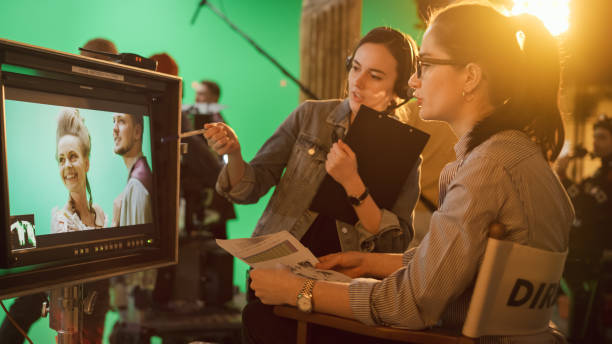
Music Composers work in diverse environments such as film studios, recording facilities, advertising agencies, or as independent creators, often collaborating with directors, producers, lyricists, and sound engineers. Their responsibilities include composing original music, arranging scores, overseeing recordings, and aligning their work with the vision of a project. They face challenges like meeting tight deadlines in India’s fast-paced entertainment industry, balancing creative expression with client expectations, and staying relevant in a competitive field. By applying expertise in music theory, instrumentation, and production, they enrich media content with powerful auditory experiences. As key contributors to India’s mass communication and media sectors, they drive advancements through trends like cross-genre compositions, technology-driven music creation, and global sound influences.
Roles and Responsibilities
- Music Composition and Creation
- Develop original melodies, harmonies, and rhythms tailored to the theme, mood, or narrative of a film, show, or advertisement.
- Experiment with various musical styles, instruments, and genres to create unique and impactful compositions.
- Score Arrangement and Orchestration
- Arrange music for different instruments or ensembles, ensuring a cohesive and polished sound for recordings or live performances.
- Collaborate with orchestras or digital tools to orchestrate background scores that enhance storytelling in media projects.
- Collaboration with Creative Teams
- Work closely with directors, producers, and scriptwriters to understand the project’s vision and align music with emotional beats.
- Partner with lyricists and singers to create songs that complement the composed music and fit the project’s context.
- Recording and Production Oversight
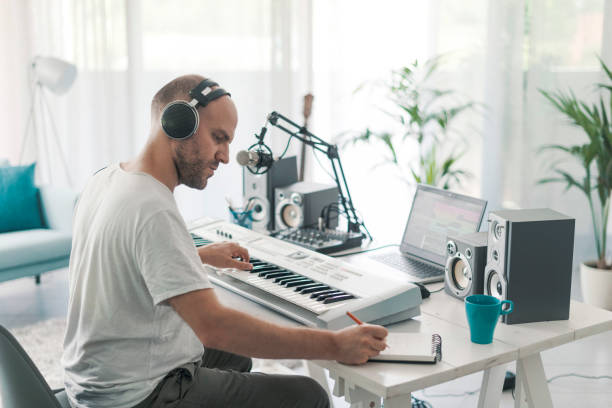
- Supervise recording sessions in studios, guiding musicians and singers to achieve the desired sound quality and expression.
- Work with sound engineers during mixing and mastering to ensure the final composition meets professional standards.
- Background Score Development
- Compose background music for films, TV shows, or games to heighten drama, suspense, or emotion in key scenes.
- Ensure seamless integration of scores with visuals and dialogues to create a unified audiovisual experience.
- Adaptation to Project Requirements
- Tailor compositions to specific cultural, regional, or thematic demands, incorporating traditional or contemporary elements as needed.
- Revise and adapt music based on feedback from directors or clients to meet creative and commercial goals.
- Music Licensing and Distribution
- Manage the licensing of compositions for use in media projects, ensuring proper copyright protection and royalty agreements.
- Distribute music through platforms like Spotify or YouTube, or via labels, to reach wider audiences and generate revenue.
- Staying Current with Industry Trends
- Keep abreast of evolving music styles, production technologies, and media formats to create relevant and innovative compositions.
- Experiment with new tools like AI-assisted composition or virtual instruments to push creative boundaries in music production.
Study Route & Eligibility Criteria
| Route | Steps |
| Route 1: Formal Music Training - Direct Entry | 1. Complete 10+2 in any stream with minimum 50% marks. 2. Pursue a Bachelor’s degree or diploma in Music, Music Composition, or Sound Engineering (3-4 years) via merit or entrance exams. 3. Gain experience through internships or assistant roles in studios. 4. Progress to Music Composer with skills and a portfolio of compositions. |
| Route 2: Self-Taught to Professional Pathway | 1. Complete 10+2 and self-learn music composition through online courses, mentorships, or personal practice. 2. Build skills in music theory, instrumentation, and production software via projects. 3. Create and share compositions independently or collaborate on small media projects. 4. Transition to a full-time Music Composer with industry recognition and a strong portfolio. |
| Route 3: Diploma to Degree Pathway | 1. Complete 10+2 and enroll in a Diploma in Music Composition or Audio Production (1-2 years). 2. Transition to a Bachelor’s degree in Music or Media via lateral entry or direct admission. 3. Work on small projects or assist composers for practical learning. 4. Build expertise to secure Music Composer roles with a robust body of work. |
| Route 4: International Education Path | 1. Complete 10+2 and clear relevant language tests (e.g., IELTS, TOEFL). 2. Pursue degrees in Music Composition, Film Scoring, or Media Arts from international universities (e.g., USA, UK). 3. Gain global exposure through international music projects or collaborations. 4. Return to India or work internationally as a Music Composer with global credentials. |
| Route 5: Talent Development to Professional Pathway | 1. Complete 10th or 12th standard and participate in music competitions, workshops, or local projects to showcase talent. 2. Pursue short-term courses or certifications in music composition and production. 3. Work as a freelance composer or on small media projects for experience. 4. Build a reputation and network to secure full-time Music Composer roles with notable projects. |
Significant Observations (Academic Related Points)
- Eligibility Criteria: 10+2 in any stream is generally required for formal programs; no strict academic prerequisites for self-taught paths, though a background in music or arts is beneficial; advanced degrees or certifications are advantageous for credibility.
- Competitive Examinations: Entrance exams like university-specific tests or auditions may be required for music programs in India; international programs may require IELTS or TOEFL.
- Practical Skills: Hands-on experience in composing, arranging, and music production is critical for industry readiness.
- Physical Standards: Not typically mandatory, though focus, creativity, and long hours in studios are beneficial for productivity.
- Technical Knowledge: Proficiency in music production software, digital audio workstations, and sound design tools is essential.
- Continuous Training: Workshops on film scoring, orchestration, and emerging music technologies are crucial for staying relevant.
- Field Readiness: Exposure to real-world projects, studio work, and collaboration with media creators builds practical competence.
- Cultural Awareness: Understanding India’s diverse musical heritage and global trends aids in crafting versatile and impactful compositions.
- Creative and Technical Skills: Combining artistic vision with production expertise is key to delivering high-quality music scores.
- Ethical Commitment: Adherence to originality, copyright laws, and fair collaboration builds professional credibility.
- Networking Ability: Building relationships with directors, producers, and media houses is crucial for career growth.
Courses & Specializations to Enter the Field
- Bachelor of Arts (BA) in Music or Performing Arts for foundational skills in music theory, composition, and instrumentation.
- Bachelor of Technology (B.Tech.) in Sound Engineering for technical expertise in music recording and production.
- Diploma in Music Composition or Film Scoring for practical training in creating music for media projects.
- Certificate Course in Music Production or Audio Engineering for short-term skill development in studio composition.
- Specialization in Film Scoring, Background Music Composition, Advertising Jingles, Game Music Design, or Orchestration.
- Short-term courses on Music Software (e.g., Logic Pro, Cubase), Film Music Composition, and Sound Design for Media.
- Certifications in Music Composition (from platforms like Coursera or Berklee Online), Film Scoring, and Digital Audio Production (international bodies) for professional credibility.
Top Institutes for Music Composer Training (India)
| Institute | Course/Program | Official Link |
| KM Music Conservatory, Chennai | Diploma in Music Composition and Film Scoring | https://www.kmmc.in/ |
| Swarnabhoomi Academy of Music, Chennai | Diploma in Music Composition | https://www.sam.org.in/ |
| True School of Music, Mumbai | Diploma in Music Production and Composition | https://www.trueschool.in/ |
| University of Mumbai, Department of Music, Mumbai | BA/MA in Music (Composition Focus) | https://www.mu.ac.in/ |
| Banaras Hindu University (BHU), Varanasi | BA/MA in Music (Composition Focus) | https://www.bhu.ac.in/ |
| IGNOU (Indira Gandhi National Open University), Delhi | Certificate in Performing Arts - Music | https://www.ignou.ac.in/ |
| Annapurna College of Film and Media, Hyderabad | Diploma in Music Production and Composition | https://www.annapurnacollege.edu.in/ |
| Rabindra Bharati University, Kolkata | BA/MA in Music (Composition Focus) | https://www.rbu.ac.in/ |
| Whistling Woods International, Mumbai | Diploma in Music Composition for Film | https://www.whistlingwoods.net/ |
| University of Delhi, Department of Music, Delhi | BA/MA in Music (Composition Focus) | https://www.du.ac.in/ |
Top International Institutes for Music Composer Studies
| Institution | Course | Country | Official Link |
| Berklee College of Music, Boston | Bachelor of Music in Film Scoring/Composition | USA | https://www.berklee.edu/ |
| Juilliard School, New York | Bachelor of Music in Composition | USA | https://www.juilliard.edu/ |
| Royal Academy of Music, London | BMus in Composition | UK | https://www.ram.ac.uk/ |
| University of Southern California (USC), Thornton School of Music, Los Angeles | BM in Composition (Film/Media Focus) | USA | https://music.usc.edu/ |
| Sydney Conservatorium of Music, Sydney | Bachelor of Music (Composition) | Australia | https://www.sydney.edu.au/music/ |
| McGill University, Schulich School of Music, Montreal | BMus in Composition | Canada | https://www.mcgill.ca/music/ |
| University of Westminster, School of Media and Communication, London | BA in Music Production and Composition | UK | https://www.westminster.ac.uk/ |
| New York University (NYU), Steinhardt School, New York | BM in Music Composition (Media Scoring) | USA | https://steinhardt.nyu.edu/ |
| University of Toronto, Faculty of Music, Toronto | Bachelor of Music in Composition | Canada | https://music.utoronto.ca/ |
| Griffith University, Queensland Conservatorium, Brisbane | Bachelor of Music (Composition for Film) | Australia | https://www.griffith.edu.au/ |
Entrance Tests Required
India:
- University-Specific Entrance Exams: Many institutes like BHU, DU, or KM Music Conservatory conduct their own tests or auditions for music programs (Practical/Written Test).
- State-Level Entrance Tests: Some states conduct entrance exams for arts and music programs in state universities (Written/Practical Test).
- Audition/Portfolio: Practical assessments, composition samples, or recorded portfolios are often required for admission to music programs or composer opportunities.
- Skill Assessment Tests: Tests in music theory or composition may be required for specialized courses.
International (for Relevant Studies or Exposure):
- IELTS (International English Language Testing System): Minimum score of 6.0-6.5 for non-native speakers applying to programs in the UK, Canada, Australia, etc.
- TOEFL (Test of English as a Foreign Language): Minimum score of 80-90 for programs in English-speaking countries like the USA.
- Audition/Portfolio: Most international music programs require submission of original compositions or live auditions.
- SAT/ACT (Scholastic Aptitude Test/American College Testing): May be required for undergraduate programs in the USA alongside portfolios (Written Test).
- Interview: Some international programs may require interviews to assess passion, goals, and fit for the composition program.
Ideal Progressing Career Path
Music Composer → Senior Music Composer → Music Director → Creative Producer (Music) → Music Industry Executive
Major Areas of Employment
- Film Industry for composing background scores, theme songs, and soundtracks for movies across genres.
- Television Industry for creating music for serials, reality shows, and promotional content on broadcast channels.
- Advertising Agencies for producing jingles, background music, and audio branding for commercials and campaigns.
- Video Game Industry for designing immersive soundtracks and sound effects for gaming experiences.
- Digital Media Platforms for composing music for web series, short films, and online content on streaming services.
- Independent Music Projects for creating original compositions for personal albums or digital release on platforms like Spotify.
- Theatre and Live Events for composing music for stage productions, cultural events, or live performances.
Prominent Employers/Associated Organizations
| Indian Organizations | International Organizations |
| T-Series, Mumbai | Universal Music Group, USA |
| Sony Music India, Mumbai | Warner Music Group, USA |
| Zee Music Company, Mumbai | Sony Music Entertainment, Global |
| Saregama India, Kolkata | EMI Records, UK |
| YRF Music (Yash Raj Films), Mumbai | Capitol Records, USA |
| Eros Music, Mumbai | Atlantic Records, USA |
| Tips Industries, Mumbai | Island Records, UK |
| Times Music, Mumbai | RCA Records, USA |
| Aditya Music, Hyderabad | Def Jam Recordings, USA |
| Lahari Music, Bangalore | Interscope Records, USA |
Pros and Cons of the Profession
| Pros | Cons |
| High impact through enhancing storytelling and emotions in media with music | High pressure due to tight deadlines and meeting diverse creative demands |
| Opportunity to express artistic vision and influence cultural narratives | Long hours, often involving late-night studio sessions or intensive revisions |
| Key role in shaping memorable experiences in films, ads, and games | Challenges in maintaining originality amid competitive industry expectations |
| Growing demand in India’s entertainment sector with digital media expansion | Stress from balancing artistic creativity with commercial client needs |
| Potential for recognition through award-winning scores or viral compositions | Limited financial stability in early stages or during project gaps |
Industry Trends and Future Outlook
- Digital Media Music Growth: Increasing demand for compositions in web series, OTT platforms, and short-form content in India.
- Experimental Sound Design: Rising trend of innovative audio textures and electronic elements in film and game music.
- Regional Music Integration: Growing focus on incorporating Indian folk and classical music into mainstream media compositions.
- AI-Assisted Composition: Emerging use of artificial intelligence for generating musical ideas or assisting in production workflows.
- Global Collaborations: Expanding opportunities for Indian composers to work on international films, games, or music projects.
- Game Audio Specialization: Surge in demand for immersive soundtracks and adaptive music for the booming gaming industry.
- Advertising Music Innovation: Focus on creating memorable, short-form jingles for digital and social media ad campaigns.
- Virtual Reality (VR) Music: Development of spatial audio and 3D soundscapes for VR and AR experiences in media.
- Sustainability in Production: Movement toward eco-friendly studio practices and digital-only music releases to reduce carbon footprints.
Salary Expectations
| Career Level (Private/Public Sector Example) | India (₹ per annum) | International (USD per annum, Tentative) |
| Music Composer (Entry to Mid-Level) | 3,00,000 - 8,00,000 | 25,000 - 45,000 |
| Senior Music Composer (Mid-Level) | 8,00,000 - 20,00,000 | 45,000 - 75,000 |
| Music Director (Senior Level) | 20,00,000 - 40,00,000 | 75,000 - 120,000 |
| Creative Producer (Music) (Top Tier) | 40,00,000 - 70,00,000 | 120,000 - 180,000 |
| Music Industry Executive (Elite Level) | 70,00,000 - 1,20,00,000+ | 180,000 - 300,000+ |
| Film Score Composer (Specialized Role) | 5,00,000 - 25,00,000 | 50,000 - 100,000 |
| Game Music Composer (Specialized Role) | 4,00,000 - 15,00,000 | 40,000 - 80,000 |
| Advertising Jingle Composer (Specialized Role) | 3,50,000 - 12,00,000 | 30,000 - 60,000 |
Note: Salaries are indicative and vary based on location (metro vs. non-metro for India; country/region for international roles), employment type (freelance vs. contracted), and project scale (small ads vs. blockbuster films). Figures for India are updated estimates based on industry trends as of 2025, reflecting market growth, demand for music composers, and data from sources like Glassdoor and industry reports. International figures are approximate averages based on global music composition trends in countries like the USA, UK, or Canada, sourced from recent job portals and market analyses. Earnings can fluctuate widely based on royalties, project frequency, and recognition.
Key Software Tools
- Logic Pro X: For composing, recording, and mixing music with advanced features, widely used in professional studios.
- Cubase: For music production and scoring, offering powerful MIDI and audio editing tools for composers.
- Pro Tools: For high-quality recording, editing, and mixing of compositions, especially for film and media projects.
- FL Studio: For creating melodies, beats, and full compositions with a user-friendly digital audio workstation.
- Ableton Live: For composing and arranging music, especially useful for electronic and live performance elements.
- Sibelius: For music notation and scorewriting, ideal for orchestral compositions and film scoring.
- Finale: For professional music notation, allowing composers to create detailed scores for orchestras or ensembles.
- Kontakt: For accessing high-quality virtual instruments and sample libraries to enhance compositions.
- EastWestComposerCloud: For accessing a vast library of orchestral and cinematic sounds for film and game scoring.
- Adobe Audition: For audio editing and sound design, useful for refining compositions or creating effects for media.
Professional Organizations and Networks
- Indian Performing Right Society (IPRS), India.
- Phonographic Performance Limited (PPL), India.
- Indian Music Industry (IMI), India.
- Film Producers Guild of India, Mumbai.
- Screen Composers Guild of India, Mumbai.
- Recording Academy (GRAMMYs), USA.
- International Federation of the Phonographic Industry (IFPI), Global.
- Society of Composers & Lyricists (SCL), USA.
- British Academy of Songwriters, Composers, and Authors (BASCA), UK.
- American Society of Composers, Authors and Publishers (ASCAP), USA.
Notable Leaders in Music Composer Roles
- R.D. Burman (India, Historical): R.D. Burman, a legendary composer, revolutionized Bollywood music with innovative rhythms and fusion styles in iconic films. His creativity redefined sound. His legacy endures.
- A.R. Rahman (India, Contemporary): A.R. Rahman, an Oscar-winning composer, transformed Indian and global music with soulful scores for films like "Slumdog Millionaire." His genius inspires millions. His impact is universal.
- Ilaiyaraaja (India, Contemporary): Ilaiyaraaja, a maestro, shaped South Indian cinema with over 7,000 compositions, blending classical and folk elements. His melodies captivate generations. His work is timeless.
- Shankar-Ehsaan-Loy (India, Contemporary): Shankar-Ehsaan-Loy, a trio of composers, redefined Bollywood music with diverse, chart-topping scores for modern cinema. Their innovation drives trends. Their harmonies resonate widely.
- M.M. Keeravani (India, Contemporary): M.M. Keeravani, a celebrated composer, gained global acclaim with "Naatu Naatu" from RRR, earning an Oscar for Indian music. His talent elevates stories. His success inspires composers.
- Hans Zimmer (Germany/USA, Contemporary): Hans Zimmer, a film scoring icon, crafted epic soundtracks for movies like "Inception" and "The Dark Knight," shaping cinematic music globally. His scores evoke power. His influence is profound.
- John Williams (USA, Contemporary): John Williams, a legendary composer, created iconic scores for "Star Wars" and "Harry Potter," defining modern film music. His themes are unforgettable. His legacy is monumental.
- Ennio Morricone (Italy, Historical): Ennio Morricone, a master composer, shaped film music with haunting scores for "The Good, the Bad and the Ugly," earning global acclaim. His sounds define genres. His work is eternal.
- Yanni (Greece/USA, Contemporary): Yanni, a new-age composer, influenced music with emotive, orchestral works and global live performances like "Live at the Acropolis." His compositions transcend borders. His impact uplifts spirits.
- Ludovico Einaudi (Italy, Contemporary): Ludovico Einaudi, a minimalist composer, crafted evocative piano pieces for films and solo works, touching millions worldwide. His music heals souls. His artistry is serene.
Advice for Aspiring Music Composers
- Build a strong foundation in music theory, instrumentation, and production techniques to excel in crafting impactful compositions.
- Pursue early exposure through assisting on small media projects, internships in studios, or creating personal compositions to understand industry dynamics.
- Create a portfolio showcasing original scores, film music, or jingles to demonstrate your talent to directors, producers, or clients.
- Stay updated on music production tools, scoring trends, and genre innovations through continuous learning and specialized workshops.
- Develop proficiency in digital audio workstations, orchestration, and sound design for a competitive edge in the field.
- Join reputed institutes like KM Music Conservatory or international programs for high-quality training and valuable industry connections in composition.
- Work on resilience to manage creative blocks, tight deadlines, and the pressure of aligning music with project visions effectively.
- Explore opportunities in smaller ad jingles, regional films, or online content to gain practical experience if larger projects are initially out of reach.
- Network with filmmakers, music directors, and media professionals at industry events or online to expand career opportunities and collaborations.
- Cultivate adaptability to work across genres, adopt new technologies, and address diverse creative demands with confidence.
- Focus on societal impact by composing music that enriches narratives, reflects cultural depth, and emotionally connects with audiences worldwide.
A career in Music Composer presents a captivating opportunity to weave sonic tapestries that amplify stories and stir emotions, breathing life into media through original melodies, and leaving an everlasting imprint with each crafted score. Music Composers emerge as the auditory architects of India’s sprawling entertainment canvas, wielding their creative brilliance and technical finesse to enrich cinematic and digital experiences in a fast-evolving industry. This field fuses imaginative artistry with a dedication to enhancing narratives, opening doors to realms like cinematic scoring, advertising jingles, interactive game audio, and groundbreaking media compositions. For those inspired by the pursuit of touching hearts through sound, fueled by the vision of defining unforgettable moments in film and beyond, and ready to tackle the intricate demands of creative pressures, tight schedules, and diverse project needs, a career as a Music Composer offers a deeply enriching journey. It enables individuals to fulfill the vital desire for evocative musical storytelling, fortify the essence of visual and auditory art, and contribute to a more vibrant, emotionally resonant world through the profound magic of composition.
Leading Professions
View AllMusic Composer (Entry to Mid-Level)
Music Composers create scores for short films or ads in cities like Mumbai and Chennai, focusing on building a portfolio. They craft melodies. Their role enhances projects. They compose themes. Their efforts gain notice.
Senior Music Composer (Mid-Level)
Senior Composers work on larger film or TV projects in hubs like Delhi or Bangalore, gaining wider industry recognition. They develop complex scores. Their expertise elevates media. They lead recordings. Their work captivates viewers.
Music Director (Senior Level)
Music Directors oversee music for major films or series in metro cities like Kolkata or Hyderabad, managing creative and production aspects. They shape soundscapes. Their leadership drives success. They guide teams. Their decisions define projects.
Creative Producer (Music) (Top Tier)
Creative Producers lead music production for large-scale media across India, focusing on artistic and commercial outcomes. They align creative goals. Their decisions influence trends. They innovate sounds. Their vision shapes industries.
Music Industry Executive (Elite Level)
Executives direct music strategies for labels or production houses, often based in cities like Mumbai or Pune, shaping industry directions. They innovate policies. Their vision transforms markets. They lead initiatives. Their leadership sets standards.
Film Score Composer (Specialized Role)
Film Score Composers focus on cinematic background music in urban centers like Mumbai or Chennai, enhancing storytelling. They create emotions. Their work supports narratives. They score scenes. Their talent enriches films.
Game Music Composer (Specialized Role)
Game Music Composers design soundtracks for video games across India, focusing on immersive audio experiences. They build atmospheres. Their role enhances gameplay. They craft themes. Their efforts engage players.
Advertising Jingle Composer (Specialized Role)
Jingle Composers create catchy tunes for ads in cities like Delhi or Bangalore, focusing on brand impact. They design hooks. Their work boosts campaigns. They compose slogans. Their creativity drives recall.
CAREER VIDEOS
Interested? Take the next step for this career
Skills Needed
This page includes information from O*NET Resource Center by the U.S. Department of Labor, Employment and Training Administration (USDOL/ETA). Used under the CC BY 4.0 license. O*NET® is a trademark of USDOL/ETA.
© 2025 TopTeen. All rights reserved.