Acupuncturist
Certified Acupuncturist
Explore Career
A Respiratory Therapist is a specialized healthcare professional who diagnoses, treats, and manages patients with breathing or cardiopulmonary disorders. They work with individuals suffering from conditions like asthma, chronic obstructive pulmonary disease (COPD), or respiratory distress, often in critical care settings. Employed in hospitals, clinics, rehabilitation centers, and home care environments, Respiratory Therapists are vital in ensuring patients receive adequate oxygen and respiratory support. This career falls under the Health Sciences career cluster, focusing on life-saving respiratory care and patient recovery.

Respiratory Therapists assess patients’ respiratory health, administer treatments such as oxygen therapy or mechanical ventilation, and educate patients on managing chronic respiratory conditions. They collaborate with physicians and nurses to develop care plans, often working in high-pressure environments like intensive care units (ICUs) to stabilize patients with acute breathing difficulties. Their expertise extends to diagnostic testing, such as pulmonary function tests, to evaluate lung capacity and guide treatment. By providing critical interventions and long-term management strategies, Respiratory Therapists play an essential role in improving patients’ quality of life and survival rates.
| Route | Steps |
| Route 1 | 1. 10+2 with Physics, Chemistry, Biology (PCB) |
| 2. Diploma in Respiratory Therapy or Technology (2-3 years) | |
| 3. Internship or clinical training in a hospital setting (3-6 months) | |
| 4. Registration with relevant health authority (if applicable in India) | |
| Route 2 | 1. 10+2 with Physics, Chemistry, Biology (PCB) |
| 2. Bachelor’s degree in Respiratory Therapy or Allied Health Sciences (3-4 years) | |
| 3. Clinical internship in respiratory care units (6-12 months) | |
| 4. Optional certification for enhanced employability | |
| Route 3 | 1. 10+2 with Physics, Chemistry, Biology (PCB) |
| 2. Certificate course in Respiratory Therapy (1-2 years) | |
| 3. Hands-on experience through internships in critical care settings (3-6 months) | |
| Route 4 (International) | 1. 10+2 with Physics, Chemistry, Biology (PCB) |
| 2. Diploma or Bachelor’s in Respiratory Therapy from India (2-4 years) | |
| 3. Advanced certification or degree in Respiratory Care abroad (1-2 years) | |
| 4. Clinical internship in international hospitals (6-12 months) | |
| 5. Licensing as per country requirements (e.g., RRT in USA via National Board for Respiratory Care - NBRC) |
| Institute | Course/Program | Official Link |
| Apollo MedSkills, Multiple Locations | Diploma in Respiratory Therapy | https://www.apollomedskills.com/ |
| Christian Medical College (CMC), Vellore | Diploma/Bachelor’s in Respiratory Therapy | https://www.cmch-vellore.edu/ |
| Manipal Academy of Higher Education, Manipal | Bachelor’s in Respiratory Therapy | https://manipal.edu/ |
| Amrita Institute of Medical Sciences, Kochi | Bachelor’s in Respiratory Therapy | https://www.amrita.edu/ |
| Sri Ramachandra Institute of Higher Education, Chennai | Bachelor’s in Respiratory Therapy | https://www.sriramachandra.edu.in/ |
| JSS Medical College, Mysore | Diploma/Bachelor’s in Respiratory Therapy | https://www.jssuni.edu.in/ |
| KLE University, Belagavi | Bachelor’s in Respiratory Therapy | https://www.kleuniversity.edu.in/ |
| Symbiosis Institute of Health Sciences, Pune | Bachelor’s in Respiratory Therapy | https://www.sihspune.org/ |
| Nizam’s Institute of Medical Sciences, Hyderabad | Diploma in Respiratory Therapy | https://www.nims.edu.in/ |
| Fortis Institute of Nursing, Multiple Locations | Diploma in Respiratory Care Technology | https://www.fortishealthcare.com/ |
| Institution | Course | Country | Official Link |
| Georgia State University | Bachelor’s/Master’s in Respiratory Therapy | USA | https://www.gsu.edu/ |
| University of Toronto Faculty of Medicine | Respiratory Therapy Advanced Training | Canada | https://www.utoronto.ca/ |
| King’s College London School of Life Sciences | MSc in Respiratory Care (Therapy Focus) | UK | https://www.kcl.ac.uk/ |
| University of Melbourne School of Health Sciences | Master of Advanced Respiratory Care | Australia | https://www.unimelb.edu.au/ |
| Ohio State University Wexner Medical Center | Bachelor’s in Respiratory Therapy | USA | https://wexnermedical.osu.edu/ |
| University of British Columbia Faculty of Medicine | Respiratory Therapy Program | Canada | https://www.ubc.ca/ |
| University of Sydney School of Health Sciences | Master of Respiratory Therapy | Australia | https://www.sydney.edu.au/ |
| Karolinska Institutet Department of Clinical Science | Advanced Respiratory Care Program | Sweden | https://ki.se/en |
| University of Otago School of Medicine | Postgraduate Diploma in Respiratory Care | New Zealand | https://www.otago.ac.nz/ |
| Loma Linda University School of Allied Health Professions | Bachelor’s/Master’s in Respiratory Care | USA | https://alliedhealth.llu.edu/ |
India:
International:
Respiratory Therapist → Senior Respiratory Therapist → Respiratory Therapy Supervisor → Respiratory Therapy Educator → Respiratory Care Manager
| India | International |
| Apollo Hospitals | Mayo Clinic, USA |
| Fortis Healthcare | Johns Hopkins Hospital, USA |
| Max Healthcare | Cleveland Clinic, USA |
| Medanta - The Medicity | Massachusetts General Hospital, USA |
| Narayana Health | Kaiser Permanente, USA |
| Manipal Hospitals | Toronto General Hospital, Canada |
| Sir Ganga Ram Hospital | Royal Brompton Hospital, UK |
| Kokilaben Dhirubhai Ambani Hospital | The Alfred Hospital, Australia |
| Christian Medical College (CMC), Vellore | Singapore General Hospital, Singapore |
| All India Institute of Medical Sciences (AIIMS) | Cedars-Sinai Medical Center, USA |
| Pros | Cons |
| Direct impact on saving lives in critical respiratory situations | High-stress environment, especially in ICUs or emergency settings |
| Growing demand due to rising respiratory diseases like COPD | Physically demanding with long shifts and on-call responsibilities |
| Opportunity to work in diverse healthcare settings | Emotional strain from working with critically ill or terminal patients |
| Shorter training compared to physicians with significant responsibility | Exposure to infectious respiratory diseases and workplace hazards |
| Rewarding role in improving patients’ breathing and quality of life | Limited autonomy; must follow physician directives for most treatments |
(Figures are approximate and based on latest available data as of 2026, subject to change.)
| Career Level | India (₹ per annum) | International (US$ per annum) |
| Respiratory Therapist (Entry-Level) | 3,00,000 - 5,00,000 | $50,000 - $65,000 |
| Senior Respiratory Therapist | 5,00,000 - 8,00,000 | $65,000 - $80,000 |
| Respiratory Therapy Supervisor | 8,00,000 - 12,00,000 | $80,000 - $100,000 |
| Respiratory Therapy Educator | 9,00,000 - 15,00,000 | $85,000 - $110,000 |
| Respiratory Care Manager | 12,00,000 - 20,00,000 | $100,000 - $130,000 |
Embarking on the path of a Respiratory Therapist presents a vital chance to breathe life into patient care by mastering the art and science of respiratory support in critical and chronic conditions. These professionals stand as guardians of breath, delivering essential interventions that sustain life and foster recovery. With opportunities spanning intensive care to community health and educational roles, this field calls to those passionate about making a profound impact on human survival. For anyone eager to champion wellness through the power of air, respiratory therapy offers a deeply meaningful and exhilarating professional expedition.


A Respiratory Therapist provides direct care to patients with breathing disorders, managing ventilators, and administering therapies in hospitals...
0.0LPA

A Senior Respiratory Therapist handles complex cases, mentors junior therapists, and often leads critical care protocols in high-acuity settings...
0.0LPA
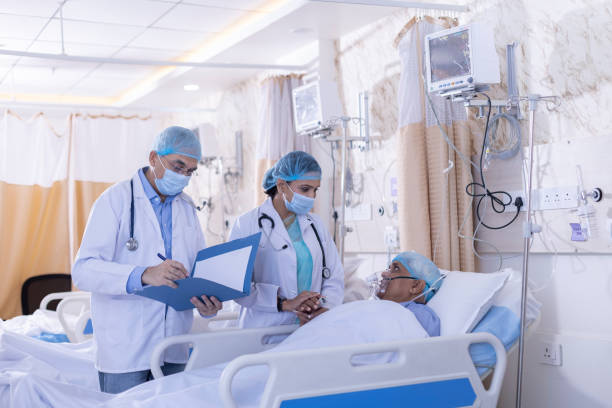
A Respiratory Therapy Supervisor oversees a team of therapists, ensures quality of respiratory care, and manages departmental operations in...
0.0LPA
Take the next step and explore more about Respiratory Therapist.
Explore similar career paths that might interest you