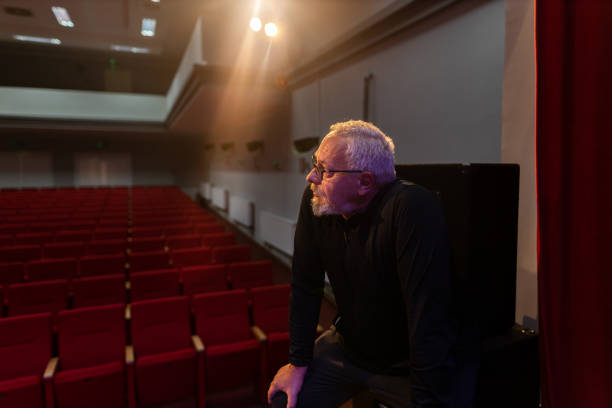
Theatre Director
A Theatre Director is a visionary professional who oversees the artistic and creative aspects of theatrical productions, guiding actors, designers, and crew to bring scripts to life on stage. They work in theatres, educational institutions, community centers, and sometimes film or television, collaborating with playwrights, producers, and performers. Theatre Directors play a pivotal role in the performing arts by shaping narratives, evoking emotions, and creating memorable experiences for audiences. This career falls under the Performing Arts career cluster, focusing on storytelling and cultural expression through live performance.

Career Description:
Theatre Directors are the creative helm of a production, responsible for interpreting scripts, developing a cohesive vision, and directing actors to deliver compelling performances. They collaborate with set, costume, and lighting designers to craft the visual and auditory atmosphere, ensuring every element aligns with the intended message or theme. Their role often extends to casting, rehearsing, and managing the overall production process, balancing artistic goals with practical constraints like budgets and schedules. In an era where theatre continues to evolve with experimental forms and digital integration, Theatre Directors are key to preserving and innovating live storytelling traditions.

Roles and Responsibilities:
- Script Interpretation and Vision Development:
- Analyze scripts to understand themes, characters, and narrative intent.
- Create a unique directorial vision that guides the tone, style, and message of the production.
- Casting and Actor Direction:
- Select actors through auditions, ensuring suitability for roles based on talent and vision.
- Guide performers in character development, movement, and emotional delivery during rehearsals.
- Collaboration with Design Team:
- Work with set, costume, lighting, and sound designers to create a unified aesthetic for the production.
- Ensure design elements enhance the storytelling and align with the directorial concept.
- Rehearsal Management:
- Plan and lead rehearsal schedules to refine performances and staging.
- Address challenges in blocking, pacing, and actor dynamics to achieve a polished show.
- Production Oversight:
- Oversee technical rehearsals to integrate lighting, sound, and set changes seamlessly.
- Coordinate with stage managers and producers to ensure smooth execution during performances.
- Audience and Cultural Impact:
- Craft productions that resonate with audiences, reflecting cultural or social themes when relevant.
- Adapt storytelling to engage diverse viewers or address contemporary issues through theatre.
- Budget and Resource Management:
- Work within financial constraints to allocate resources for sets, costumes, and other needs.
- Balance artistic ambitions with practical limitations to deliver quality productions.
- Mentorship and Leadership:
- Inspire and motivate the cast and crew to perform at their best under creative pressure.
- Provide constructive feedback to foster growth and collaboration within the team.
Study Route & Eligibility Criteria:
| Route | Steps |
| Route 1 | 1. Basic education (10+2 or equivalent in any stream) |
| 2. Short-term courses or workshops in theatre directing or acting (3-6 months) | |
| 3. Practical experience through assistant roles or community theatre | |
| 4. Work as a Theatre Director in small-scale productions | |
| Route 2 | 1. Basic education (10+2 or equivalent in any stream) |
| 2. Diploma in Theatre Arts or Directing (1-2 years) | |
| 3. Hands-on experience in theatre groups or production houses | |
| 4. Work as a Theatre Director in professional settings | |
| Route 3 | 1. Basic education (10+2 or equivalent in any stream) |
| 2. Bachelor’s degree in Theatre, Drama, or Performing Arts (3-4 years) | |
| 3. Internship or assistant roles with established directors or companies | |
| 4. Work as a Theatre Director across varied platforms | |
| Route 4 (International) | 1. Basic education (10+2 or equivalent in any stream) |
| 2. Diploma or Bachelor’s in Theatre/Directing from India or abroad (2-4 years) | |
| 3. Advanced certification or Master’s in Theatre Directing or Dramatic Arts (1-2 years) | |
| 4. Build portfolio through international theatre projects or residencies | |
| 5. Work as a Theatre Director globally or in India |
Significant Observations (Academic Related Points):
- Theatrical Foundation: Knowledge of dramatic structure, history, and performance theory is essential for effective directing.
- Hands-On Learning: Practical experience in staging and actor coaching builds core competencies.
- Specialized Training: Courses in directing or stagecraft provide niche skills for professional growth.
- Narrative Awareness: Understanding storytelling and emotional impact is crucial for engaging productions.
- Interdisciplinary Exposure: Familiarity with design, lighting, and sound enhances directorial vision.
- Credential Boost: Recognition from reputed theatre schools can elevate career prospects.
- Continuous Development: Workshops and festivals are necessary to stay updated on theatre trends.
- Global Perspective: Exposure to international theatre styles broadens creative and professional horizons.
- Detail Orientation: Precision in staging and timing ensures seamless and impactful performances.
- Entry Assessments: Many programs or opportunities require auditions, portfolios, or practical evaluations.
- Worldwide Opportunities: Advanced certifications from global institutions can open doors to international projects.
Internships & Practical Exposure:
- Participation in community theatre groups to gain hands-on directing experience with small-scale plays.
- Assistant roles under established directors to learn production processes and creative decision-making.
- Involvement in school or university theatre productions to develop skills in casting and rehearsal management.
- Exposure to technical aspects like set design and lighting through internships at professional theatres.
- Collaboration in theatre festivals to direct short plays or experimental pieces for diverse audiences.
- Training in actor coaching through real-world projects with local drama troupes or workshops.
- Experience in high-pressure environments by assisting in large-scale productions or touring shows.
- Creative projects like directing original scripts or adaptations during training periods.
- Community outreach programs to stage plays for social causes or cultural events, building leadership skills.
- International theatre residencies or exchanges for exposure to global directing techniques and styles.
Courses & Specializations to Enter the Field:
- Certificate in Theatre Directing or Stagecraft
- Diploma in Theatre Arts or Dramatic Performance
- Bachelor’s in Theatre Studies or Performing Arts
- Master’s in Theatre Directing or Dramaturgy
- Training in Acting and Stage Direction
- Specialization in Experimental or Classical Theatre
- Certification in Theatre Production Management
- Workshops on Script Analysis and Interpretation
- Training in Technical Theatre (Lighting and Sound Design)
- Continuing Education in Contemporary Theatre Practices
Top Institutes for Theatre Director Education (India):
| Institute | Course/Program | Official Link |
| National School of Drama (NSD), New Delhi | Diploma in Dramatic Arts (Directing Focus) | https://nsd.gov.in/ |
| Film and Television Institute of India (FTII), Pune | Diploma in Direction and Screenplay Writing | https://www.ftii.ac.in/ |
| Satyajit Ray Film & Television Institute (SRFTI), Kolkata | Diploma in Direction and Production | https://srfti.ac.in/ |
| Whistling Woods International, Mumbai | Diploma in Filmmaking with Theatre Focus | https://www.whistlingwoods.net/ |
| Drama School Mumbai, Mumbai | Certificate in Theatre Directing and Acting | https://www.thedramaschoolmumbai.in/ |
| Sangeet Natak Akademi, New Delhi | Training in Theatre Arts and Direction | https://sangeetnatak.gov.in/ |
| Annapurna College of Film and Media, Hyderabad | Courses in Theatre and Media Direction | https://www.annapurnacollege.edu.in/ |
| K R Narayanan National Institute of Visual Science and Arts, Kerala | Diploma in Direction and Theatre Arts | https://krnnivsa.com/ |
| Barry John Acting Studio, Mumbai/Delhi | Courses in Theatre Directing and Performance | https://www.bjas.in/ |
| Madras Christian College (MCC), Chennai | Bachelor’s in Visual Communication with Theatre Focus | https://www.mcc.edu.in/ |
Top International Institutes:
| Institution | Course | Country | Official Link |
| Juilliard School | MFA in Drama (Directing Focus) | USA | https://www.juilliard.edu/ |
| Royal Academy of Dramatic Art (RADA) | MA in Theatre Directing | UK | https://www.rada.ac.uk/ |
| New York University (NYU) Tisch School of the Arts | MFA in Directing for Theatre | USA | https://tisch.nyu.edu/ |
| Yale School of Drama | MFA in Directing | USA | https://drama.yale.edu/ |
| National Institute of Dramatic Art (NIDA) | MFA in Directing for Performance | Australia | https://www.nida.edu.au/ |
| Royal Central School of Speech and Drama | MA in Directing | UK | https://www.cssd.ac.uk/ |
| University of Toronto Centre for Drama, Theatre & Performance Studies | MA in Theatre and Performance Studies | Canada | https://www.utoronto.ca/ |
| California Institute of the Arts (CalArts) | MFA in Theatre Directing | USA | https://calarts.edu/ |
| La Trobe University Department of Theatre | Graduate Diploma in Theatre Directing | Australia | https://www.latrobe.edu.au/ |
| Sorbonne Nouvelle University (Paris 3) | Master’s in Theatre Studies and Directing | France | https://www.univ-paris3.fr/ |
Entrance Tests Required:
India:
- Auditions, portfolio submissions, or practical assessments for admission to theatre institutes like NSD or FTII.
- Institution-specific entrance exams or interviews to evaluate directing potential and creativity.
- No mandatory national-level entrance for most programs; admission often based on talent demonstration.
International:
- Auditions, portfolio submissions, or directing project presentations for theatre programs at most institutes.
- Specific entrance requirements or prerequisites as per institute guidelines.
- Test of English as a Foreign Language (TOEFL) with a minimum score of 80-100 for non-native speakers (if applicable).
- International English Language Testing System (IELTS) with a minimum score of 6.0-7.0 (if applicable).
- Pearson Test of English Academic (PTE Academic) or Duolingo English Test (accepted by some institutions).
Ideal Progressing Career Path:
Assistant Director → Associate Director → Theatre Director (Independent) → Artistic Director → Theatre Educator → Theatre Producer → Theatre Consultant
Major Areas of Employment:
- Professional theatre companies for directing full-scale plays or musicals.
- Community theatres for staging local productions and engaging diverse audiences.
- Educational institutions for directing school or university plays and teaching drama.
- Independent theatre groups for experimental or avant-garde productions.
- Film and television industries for directing theatre-inspired content or adaptations.
- Cultural festivals for curating and directing performances at national or international events.
- Regional theatre circuits for managing touring productions or seasonal plays.
- Non-profit organizations for creating theatre projects focused on social impact or education.
- Corporate events for directing entertainment or themed performances for businesses.
- Online platforms for directing virtual or streamed theatrical experiences.
Prominent Employers:
| India | International |
| National School of Drama (NSD), Delhi | Royal Shakespeare Company, UK |
| Prithvi Theatre, Mumbai | Broadway League, USA |
| Ninasam, Karnataka | National Theatre, UK |
| Rangashankara, Bangalore | Lincoln Center Theater, USA |
| Little Theatre Group, Delhi | Sydney Theatre Company, Australia |
| Indian People’s Theatre Association (IPTA) | Steppenwolf Theatre Company, USA |
| Jagriti Theatre, Bangalore | The Old Vic, UK |
| Theatre Group Bombay, Mumbai | Guthrie Theater, USA |
| Akshara Theatre, Delhi | Stratford Festival, Canada |
| Padatik Theatre, Kolkata | Abbey Theatre, Ireland |
Pros and Cons of the Profession:
| Pros | Cons |
| Opportunity to shape powerful stories and influence audiences through live performance | High pressure to meet creative and financial expectations under tight deadlines |
| Creative freedom to interpret scripts and experiment with innovative staging | Irregular work hours, often involving evenings and weekends during rehearsals and shows |
| Rewarding impact through cultural storytelling and emotional engagement with viewers | Competitive field with limited opportunities for consistent, high-profile projects |
| Diverse career paths in professional theatre, education, and consulting | Financial instability, especially for freelance or early-career directors |
| Potential to build a unique artistic signature and contribute to theatre’s evolution | Emotional and physical strain from managing large teams and intense production schedules |
Industry Trends and Future Outlook:
- Growing integration of digital technology, with virtual and hybrid theatre performances gaining traction.
- Increased focus on diverse and inclusive storytelling to reflect varied cultural perspectives.
- Rising demand for experimental and immersive theatre formats to engage modern audiences.
- Expansion of theatre education programs, creating opportunities for directors as educators.
- Collaboration with film and streaming platforms for theatre-inspired content or live broadcasts.
- Emphasis on sustainability in theatre production, using eco-friendly materials and practices.
- Development of community-driven theatre projects addressing social issues and local narratives.
- Greater accessibility through online workshops and global theatre festivals for networking.
- Adoption of augmented reality (AR) and interactive elements in stage design and storytelling.
- Continued relevance of classical theatre alongside contemporary and cross-cultural productions.
Salary Expectations:
(Figures are approximate and based on latest available data as of 2026, subject to change. Salaries vary based on location, experience, production scale, and employment type.)
| Career Level | India (₹ per annum) | International (US$ per annum) |
| Assistant Director (Entry-Level) | 2,00,000 - 5,00,000 | $25,000 - $40,000 |
| Associate Director | 5,00,000 - 8,00,000 | $40,000 - $60,000 |
| Theatre Director (Independent) | 8,00,000 - 15,00,000 | $60,000 - $90,000 |
| Artistic Director | 15,00,000 - 25,00,000 | $90,000 - $130,000 |
| Theatre Educator/Theatre Producer | 25,00,000 - 40,00,000 | $130,000 - $180,000 |
| Theatre Consultant | 40,00,000+ | $180,000+ |
Key Software Tools:
- Script Analysis Software for breaking down plays and organizing directorial notes.
- Stage Design Software like Vectorworks for visualizing set layouts and blocking.
- Project Management Tools like Trello or Asana for scheduling rehearsals and production timelines.
- Video Editing Software such as Adobe Premiere for recording and reviewing rehearsals.
- Lighting Design Software like Lightwright for planning stage illumination.
- Sound Design Tools like Audacity for integrating audio elements into productions.
- Collaboration Platforms like Zoom for remote rehearsals or team discussions.
- Social Media Tools for promoting productions and engaging with theatre audiences.
- Budget Management Software like Microsoft Excel for tracking production expenses.
- Digital Archiving Tools for documenting productions and building a portfolio.
Professional Organizations and Networks:
- Indian People’s Theatre Association (IPTA)
- National School of Drama Alumni Association, India
- International Theatre Institute (ITI)
- Theatre Communications Group (TCG), USA
- Directors Guild of America (DGA), USA
- Stage Directors and Choreographers Society (SDC), USA
- British Theatre Directors Association (BTDA), UK
- Australian Theatre Directors Association (ATDA)
- Canadian Association of Theatre Directors (CATD)
- European Theatre Convention (ETC)
Notable Theatre Directors and Industry Leaders (Top 10):
- Ebrahim Alkazi (India, Historical): Pioneering director since the 1950s, known as the father of modern Indian theatre, he shaped NSD and directed iconic plays like "Tughlaq."
- RatanThiyam (India, Contemporary): Renowned director since the 1970s, his work with Chorus Repertory Theatre in Manipur blends traditional and modern theatre, earning global recognition.
- Roysten Abel (India, Contemporary): Innovative director since the 1990s, known for large-scale productions like "The Manganiyar Seduction," merging Indian folk with contemporary staging.
- Lillete Dubey (India, Contemporary): Acclaimed director and actor since the 1980s, her productions with Primetime Theatre Company bring Indian stories to international audiences.
- Arvind Gaur (India, Contemporary): Socially conscious director since the 1990s, his Asmita Theatre Group in Delhi focuses on street theatre and plays addressing societal issues.
- Peter Brook (UK/France, Historical): Legendary director since the 1940s, known for "The Mahabharata" and minimalist staging, his work redefined global theatre with cross-cultural narratives.
- ArianeMnouchkine (France, Contemporary): Visionary director since the 1960s, founder of Théâtre du Soleil, her collaborative and political theatre has influenced worldwide practices.
- Julie Taymor (USA, Contemporary): Innovative director since the 1980s, known for "The Lion King" on Broadway, her visual storytelling with puppetry and masks is groundbreaking.
- Robert Wilson (USA, Contemporary): Avant-garde director since the 1970s, his visually striking productions like "Einstein on the Beach" have reshaped experimental theatre globally.
- Tadashi Suzuki (Japan, Contemporary): Influential director since the 1960s, founder of the Suzuki Company of Toga, his training methods and intercultural works have impacted theatre worldwide.
Advice for Aspiring Theatre Directors:
- Build a strong foundation in theatre history and dramatic theory through formal or informal learning.
- Gain early experience by directing small plays or skits in community or school settings.
- Develop a portfolio of directed works to showcase vision and style to potential collaborators.
- Seek mentorship from seasoned directors to understand the nuances of production leadership.
- Stay informed about evolving theatre trends, including digital and immersive formats.
- Hone leadership skills to inspire and manage diverse teams under production pressures.
- Network with theatre companies, festivals, and artists to secure directing opportunities.
- Focus on script analysis to uncover deeper meanings and innovative staging possibilities.
- Embrace feedback and criticism as tools for refining your directorial approach.
- Balance artistic passion with practical skills to navigate budgets, timelines, and logistics.
Pursuing a career as a Theatre Director opens a captivating avenue to breathe life into stories, forging profound connections with audiences through the magic of live performance. These creative leaders stand at the forefront of cultural expression, orchestrating every element of a production to craft unforgettable experiences on stage. With opportunities ranging from grassroots community plays to grand international productions in an ever-evolving theatrical landscape, this path beckons those who yearn to innovate and inspire. For individuals fueled by a desire to shape narratives, evoke deep emotions, and contribute to the timeless art of theatre, becoming a Theatre Director presents a dynamic, fulfilling, and transformative professional odyssey.
Leading Professions
View AllAssistant Director:
An Assistant Director supports the lead director in rehearsals, actor coordination, and production logistics, gaining hands-on experience while contributing to the creative process in smaller or supporting roles.
Associate Director:
An Associate Director collaborates closely with the main director, often taking on specific scenes or aspects of the production, and steps in to lead rehearsals or manage creative tasks with more autonomy.
Theatre Director (Independent):
A Theatre Director independently helms productions, overseeing all artistic elements from casting to staging, and brings a personal vision to plays in community, regional, or professional theatres.
Artistic Director:
An Artistic Director leads a theatre company or venue, setting the creative direction, selecting seasons of plays, and often directing key productions while managing the organization’s artistic identity.
Theatre Educator:
A Theatre Educator teaches directing, acting, or theatre history in academic settings or workshops, mentoring aspiring directors and contributing to the growth of theatre education.
Theatre Producer:
A Theatre Producer oversees the financial and organizational aspects of productions, often directing as well, ensuring projects are completed within budget and aligning with creative and commercial goals.
Theatre Consultant:
A Theatre Consultant provides expert guidance to theatre companies, festivals, or educational institutions on production strategies, innovative staging, or curriculum development, leveraging extensive industry experience.
CAREER VIDEOS
Interested? Take the next step for this career
Skills Needed
This page includes information from O*NET Resource Center by the U.S. Department of Labor, Employment and Training Administration (USDOL/ETA). Used under the CC BY 4.0 license. O*NET® is a trademark of USDOL/ETA.
© 2025 TopTeen. All rights reserved.