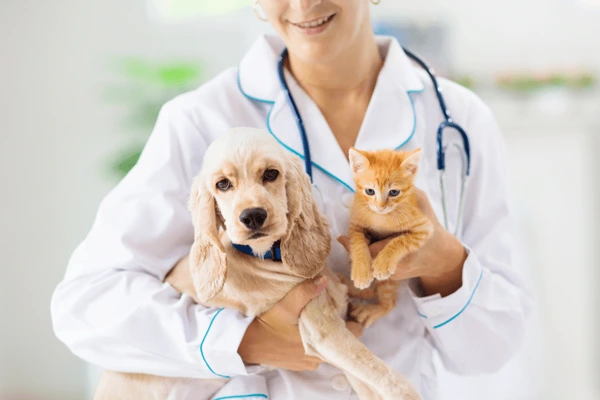
Veterinary Radiologist

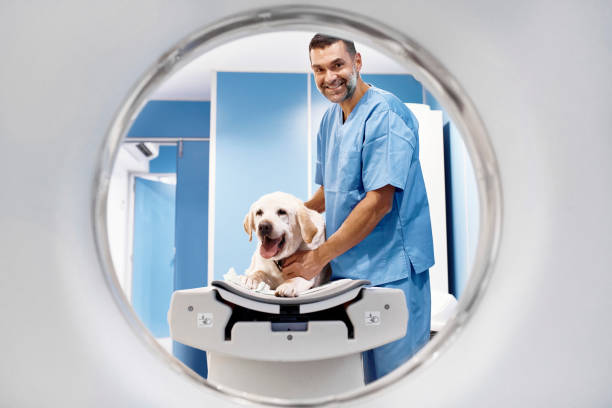
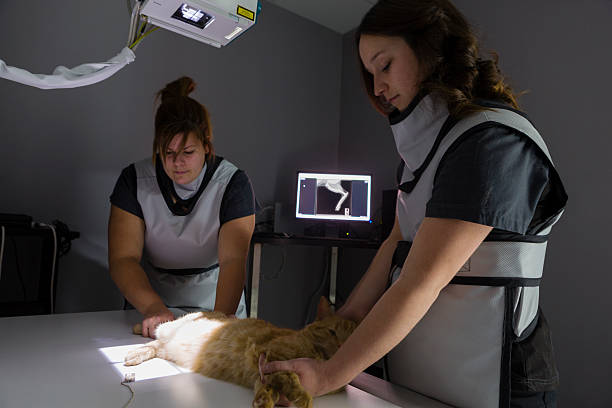
A Veterinary Radiologist is a specialized veterinary professional who focuses on the use of diagnostic imaging techniques to evaluate and diagnose health conditions in animals. They operate within veterinary hospitals, clinics, academic institutions, and research facilities, collaborating with general veterinarians, surgeons, and other specialists to provide accurate diagnoses through imaging modalities such as X-rays, ultrasound, CT scans, and MRI. Veterinary Radiologists play a crucial role in modern veterinary medicine in an era where advanced diagnostic tools are essential for precise treatment planning and improved animal health outcomes.
Share :
Career tree mind map (horizontal) — Veterinary Radiologist
Colored branches, hub circles, and underlined topics — same style as counselor course classic (types 18–19 in admin).
Loading mind map…

Overview

A Veterinary Radiologist is a specialized veterinary professional who focuses on the use of diagnostic imaging techniques to evaluate and diagnose health conditions in animals. They operate within veterinary hospitals, clinics, academic institutions, and research facilities, collaborating with general veterinarians, surgeons, and other specialists to provide accurate diagnoses through imaging modalities such as X-rays, ultrasound, CT scans, and MRI. Veterinary Radiologists play a crucial role in modern veterinary medicine in an era where advanced diagnostic tools are essential for precise treatment planning and improved animal health outcomes.

Veterinary Radiologists are medically trained professionals tasked with interpreting diagnostic images to identify abnormalities, injuries, and diseases in animals, ranging from companion pets like dogs and cats to livestock, exotic species, and wildlife. Their role includes performing and analyzing imaging studies, consulting with other veterinarians on complex cases, and contributing to advancements in veterinary imaging technology. They combine expertise in veterinary medicine, anatomy, and imaging technology, working in diverse settings such as private practices, specialty referral centers, and universities. As key contributors to animal health and diagnostic precision, Veterinary Radiologists drive progress in a landscape increasingly focused on non-invasive diagnostics, early detection, and specialized care.

Roles and Responsibilities

💼
Veterinary Radiologist
Roles and Responsibilities
Diagnostic Imaging Interpretation
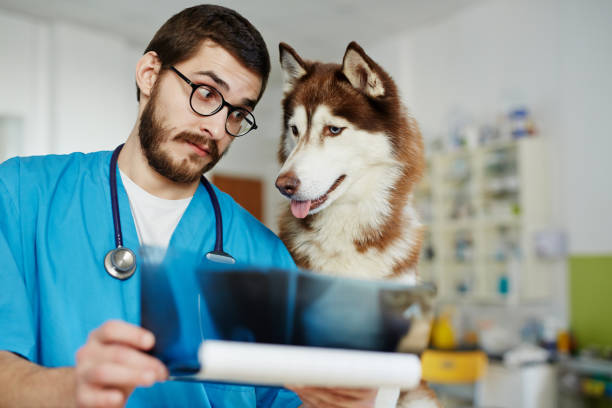
Analyze X-rays, ultrasounds, CT scans, MRI, and other imaging modalities to diagnose conditions such as fractures, tumors, or organ abnormalities in animals.
Provide detailed reports and recommendations based on imaging findings to guide treatment plans.
Performing Imaging Procedures
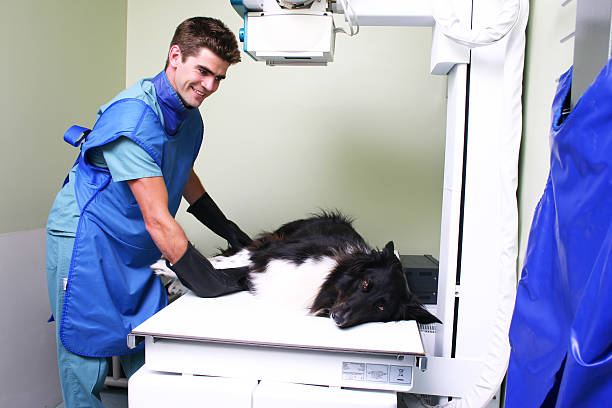
Conduct specialized imaging studies, ensuring proper positioning and safety protocols for animals during procedures.
Administer contrast agents when necessary to enhance visibility of specific structures in imaging.
Consultation and Collaboration
Consult with referring veterinarians to discuss imaging results and assist in developing comprehensive treatment strategies.
Collaborate with veterinary surgeons, oncologists, and other specialists to integrate imaging into patient care.
Radiation Safety and Equipment Management
Ensure compliance with radiation safety standards to protect animals, staff, and themselves during imaging procedures.
Oversee the maintenance and calibration of imaging equipment to ensure accuracy and reliability.
Research and Development
Contribute to research on new imaging techniques and technologies to improve diagnostic capabilities in veterinary medicine.
Publish findings in scientific journals to advance knowledge in veterinary radiology.
Education and Training
Train veterinary students, interns, and technicians on imaging techniques and interpretation.
Conduct continuing education programs for practicing veterinarians to stay updated on imaging advancements.
Specialized Imaging Applications
Use advanced imaging for specific fields such as equine lameness evaluation, small animal neurology, or exotic animal diagnostics.
Perform interventional radiology procedures, such as guided biopsies or stent placements, when needed.
Patient Follow-Up and Monitoring
Monitor disease progression or treatment efficacy through follow-up imaging studies.
Adjust diagnostic approaches based on evolving clinical needs of the animal patient.

Roles and Responsibilities

  • Diagnostic Imaging Interpretation
    • Analyze X-rays, ultrasounds, CT scans, MRI, and other imaging modalities to diagnose conditions such as fractures, tumors, or organ abnormalities in animals.
    • Provide detailed reports and recommendations based on imaging findings to guide treatment plans.
  • Performing Imaging Procedures
    • Conduct specialized imaging studies, ensuring proper positioning and safety protocols for animals during procedures.
    • Administer contrast agents when necessary to enhance visibility of specific structures in imaging.
  • Consultation and Collaboration
    • Consult with referring veterinarians to discuss imaging results and assist in developing comprehensive treatment strategies.
    • Collaborate with veterinary surgeons, oncologists, and other specialists to integrate imaging into patient care.
  • Radiation Safety and Equipment Management
    • Ensure compliance with radiation safety standards to protect animals, staff, and themselves during imaging procedures.
    • Oversee the maintenance and calibration of imaging equipment to ensure accuracy and reliability.
  • Research and Development
    • Contribute to research on new imaging techniques and technologies to improve diagnostic capabilities in veterinary medicine.
    • Publish findings in scientific journals to advance knowledge in veterinary radiology.
  • Education and Training
    • Train veterinary students, interns, and technicians on imaging techniques and interpretation.
    • Conduct continuing education programs for practicing veterinarians to stay updated on imaging advancements.
  • Specialized Imaging Applications
    • Use advanced imaging for specific fields such as equine lameness evaluation, small animal neurology, or exotic animal diagnostics.
    • Perform interventional radiology procedures, such as guided biopsies or stent placements, when needed.
  • Patient Follow-Up and Monitoring
    • Monitor disease progression or treatment efficacy through follow-up imaging studies.
    • Adjust diagnostic approaches based on evolving clinical needs of the animal patient.

Study Route & Eligibility Criteria

Study Route & Eligibility Criteria
Veterinary Radiologist
Route 1
🎓
1
10+2 in Science stream
Route 2
🎓
1
10+2 in Science stream
Route 3
🎓
1
10+2 in Science stream
Route 4
🎓
1
10+2 in Science stream
🎯 Veterinary Radiologist - Professional

Significant Observations (Academic Related Points)

💡
Veterinary Radiologist
Academic Related Points
1
Scientific Foundation
Strong understanding of veterinary medicine, anatomy, and physics of imaging is essential for Veterinary Radiologists.
2
Analytical Mindset
A focus on interpreting complex images and correlating them with clinical findings is critical for success.
3
Specialized Training
Advanced degrees or residency programs in radiology offer niche expertise.
4
Technical Skills
Proficiency in operating and interpreting results from advanced imaging equipment is vital for diagnostics.
5
Interdisciplinary Knowledge
Familiarity with pathology, surgery, and oncology enhances collaboration.
6
Certification Importance
Board certification (e.g., ACVR or ECVDI) boosts credibility and is often required for specialized roles.
7
Continuing Education
Regular workshops on new imaging technologies are necessary to stay relevant.
8
Global Standards
Exposure to international veterinary radiology practices enhances career prospects.
9
Attention to Detail
Precision in image analysis and reporting is critical for accurate diagnoses.
10
Research Preparation
Competitive roles often require published work or innovation in imaging techniques.
11
International Opportunities
Language proficiency or cross-cultural adaptability may be needed for global roles.

Internships & Practical Exposure

💼
Veterinary Radiologist
Internships & Practical Experience
1
Participation in internships at veterinary hospitals or imaging centers during or after academic programs for hands-on experience.
2
Involvement in student-led diagnostic imaging projects or clinical rotations for practical exposure.
3
Assisting senior Veterinary Radiologists in interpreting scans or performing procedures for real-world insights.
4
Observerships at specialty referral centers or university veterinary hospitals for advanced learning and mentorship.
5
Participation in radiology conferences or workshops for skill development and visibility.
6
Training through collaborative projects like imaging for surgical planning or oncology cases for diverse exposure.
7
Exposure to industry-standard practices like digital radiography or ultrasound-guided procedures.
8
Project-based learning focusing on varied areas like equine imaging or small animal neurology.
9
Community veterinary programs to build practical experience in local animal diagnostics.
10
International veterinary radiology training programs or online courses for exposure to global challenges.

Courses & Specializations to Enter the Field

📚
Veterinary Radiologist
Courses & Specializations
📖
Bachelor of Veterinary Science and Animal Husbandry (B.V.Sc. & A.H.).
📖
Master of Veterinary Science (M.V.Sc.) in Veterinary Radiology and Imaging.
📖
Ph.D. in Veterinary Radiology or related field.
📖
Residency Program in Veterinary Radiology (leading to board certification).
📖
Specialization in Diagnostic Imaging (small animal, equine, or exotic).
📖
Certification in Veterinary Ultrasound.
📖
Training in Computed Tomography (CT) and Magnetic Resonance Imaging (MRI).
📖
Workshops on Interventional Radiology Techniques.
📖
Short Courses in Radiation Safety and Imaging Interpretation.
📖
Advanced Training in Digital Radiography and Teleradiology.

Prominent Employers

🏢
Veterinary Radiologist
🌟 Top Companies & Organizations
🇮🇳 India
🏛️
Indian Veterinary Research Institute (IVRI), Izatnagar
🏛️
Tamil Nadu Veterinary and Animal Sciences University (TANUVAS), Chennai
🏛️
Guru Angad Dev Veterinary and Animal Sciences University (GADVASU), Ludhiana
🏛️
Veterinary Hospitals under State Governments
🏛️
Ministry of Fisheries, Animal Husbandry and Dairying, India
🏛️
Private Veterinary Specialty Clinics
🏛️
National Dairy Research Institute (NDRI), Karnal
🏛️
Wildlife SOS (for wildlife imaging), India
🏛️
Local Veterinary NGOs
🏛️
Corporate Veterinary Chains (e.g., MaxPetZ)
🌍 International
🌐
American College of Veterinary Radiology (ACVR), USA
🌐
European College of Veterinary Diagnostic Imaging (ECVDI), Europe
🌐
VetCT (Veterinary Computed Tomography), Global
🌐
IDEXX Laboratories, USA
🌐
VCA Animal Hospitals, USA
🌐
Banfield Pet Hospital, USA
🌐
BluePearl Veterinary Partners, USA
🌐
Royal Veterinary College Hospitals, UK
🌐
Antech Diagnostics, USA
🌐
World Organisation for Animal Health (OIE), Global

Advice for Aspiring Veterinary Radiologists

💡
Veterinary Radiologist
🌟 Tips for Students & Parents
1
Build a strong foundation in veterinary science and anatomy to handle complex diagnostic imaging challenges.
2
Seek early exposure to veterinary hospitals with imaging facilities to confirm interest in a radiology career.
3
Prepare thoroughly for entrance exams like NEET or ICAR AIEEA to secure admission to top programs.
4
Pursue training in specialties like ultrasound or CT imaging for versatility.
5
Stay updated on veterinary imaging trends by attending conferences and following radiology journals.
6
Develop practical skills through consistent participation in internships or clinical rotations.
7
Engage in community or local veterinary programs to build real-world diagnostic experience.
8
Join professional associations like ACVR or IVRA for networking and resources.
9
Work on problem-solving skills to manage diagnostic challenges in imaging interpretation.
10
Explore international veterinary radiology opportunities for exposure to diverse diagnostic practices.
11
Volunteer with local specialty clinics for practical industry exposure.
12
Cultivate adaptability to handle evolving imaging technologies and unexpected diagnostic scenarios.
13
Attend continuing education programs to stay abreast of new veterinary imaging advancements.
14
Build a network with veterinarians, radiologists, and imaging technicians for collaborative opportunities.
15
Develop persistence to manage the uncertainty of complex cases and technological barriers.
16
Balance diagnostic pursuits with passion for animal health to adapt to demanding work environments.
🎓 Final Message
A career as a Veterinary Radiologist offers a unique opportunity to contribute to animal health, diagnostics, and veterinary medicine by navigating complex imaging challenges for diverse species. From conducting transformative diagnostic studies to managing imaging programs and advancing diagnostic standards, Veterinary Radiologists play a pivotal role in veterinary and clinical ecosystems. This field combines medical expertise, analytical skill, and a commitment to solving critical challenges, offering diverse paths in clinical practice, research, academia, and beyond. For those passionate about animal diagnostics, adapting to dynamic industry trends, and addressing evolving needs in an era of advanced veterinary care, a career as a Veterinary Radiologist provides an intellectually stimulating and professionally rewarding journey with the potential to make significant contributions to society by advancing the science and application of veterinary imaging knowledge worldwide.
Knowledge & Skills You Will Learn
1
Growing need for continuous skill development to master emerging imaging technologies.
Aspiring Veterinary Radiologist

Aspiring Veterinary Radiologist

Early-career individuals train in veterinary clinics or hospitals to gain experience. They build skills in basic imaging while seeking...

0.0LPA
Junior Veterinary Radiologist

Junior Veterinary Radiologist

Professionals assist in imaging departments under guidance with growing competence. They offer support in diagnostics and learn from seniors....

0.0LPA
Veterinary Radiologist

Veterinary Radiologist

Specialists conduct independent diagnostic imaging with notable competence. They integrate veterinary science with imaging technology for...

0.0LPA

Interested in this career?

Take the next step and explore more about Veterinary Radiologist.