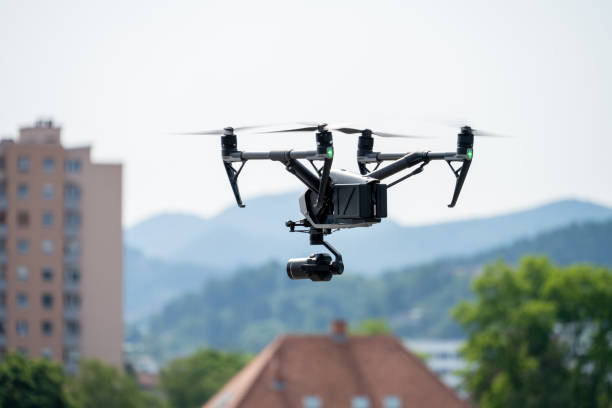
When you see a drone buzzing over a park or capturing cinematic sweeping shots in a YouTube video, it looks like an expensive toy. A fun hobby, sure, but a viable career?
Think again.
Drone technology—formally known as Unmanned Aerial Vehicles (UAVs)—is undergoing a massive industrial boom. What started as a hobbyist subculture has rapidly evolved into a multi-billion dollar commercial industry. Companies around the world are realizing that drones can complete dangerous, dirty, and complex tasks faster and cheaper than humans or helicopters ever could.
The catch? There is an immense shortage of skilled professionals who know how to fly, program, and maintain these machines.
If you are a high schooler who loves aviation, engineering, gaming, or data science, drone tech offers a highly lucrative, unconventional pathway to an exciting future career. Let’s look at how this industry works and how to break into it.
The Industrial Boom: Where Drones Are Working
Commercial drone operations go far beyond simple wedding photography and real estate tours. UAVs are actively transforming major global industries:
1. Precision Agriculture
Instead of walking across thousands of acres of farmland, agriculture companies use drones equipped with multispectral sensors. These cameras fly over fields to scan crop health, detect hidden plant diseases, and map soil moisture levels. Heavy-lift crop-spraying drones can then deploy precise amounts of water or organic fertilizer down to the millimeter, maximizing food production while slashing environmental waste.
2. Infrastructure & Industrial Inspection
Inspecting a 500-foot wind turbine, a high-voltage power grid, or a massive oil refinery used to mean putting human workers in harnesses and sending them up dangerous scaffolding. Today, commercial drone pilots fly autonomous or manual UAVs equipped with thermal and high-definition cameras to scan for micro-cracks and structural defects safely from the ground.
3. Surveying & Geospatial Mapping
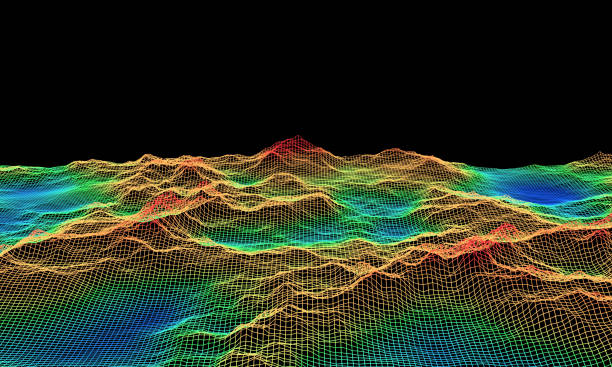
Construction companies and mining operations rely on drones to map large areas of land. Using a technology called LiDAR (Light Detection and Ranging), drone sensors fire rapid laser pulses at the ground to create highly accurate 3D structural models of the earth below.
4. Humanitarian Logistics & Delivery
In remote or disaster-hit regions, road networks can be completely cut off. Specialized fixed-wing drones are now used to bypass ground obstacles entirely, dropping critical medical supplies, vaccines, and blood bags directly to emergency workers in crisis zones.
Three Lucrative Career Paths in Drone Tech
You don't just have to be the person holding the remote control. The drone ecosystem has created three distinct professional paths:
- Commercial UAV Pilot: The hands-on operator. These professionals must understand airspace regulations, weather patterns, and advanced flight physics. Top-tier pilots who specialize in dangerous conditions or industrial inspections can command impressive hourly rates.
- Drone Software Engineer: Drones are increasingly flying themselves. Software developers write the computer vision and AI code that allows a drone to avoid obstacles, navigate without GPS, and process real-time video footage autonomously.
- UAV Maintenance & Hardware Engineer: As corporate fleets grow, companies need experts who can repair advanced carbon-fiber frames, calibrate electronic speed controllers (ESCs), and design custom payload attachments for specialized sensors.
How to Build a Drone Portfolio in High School
You don’t need an industrial-grade machine to start building your credentials. You can learn the core mechanics of the industry using highly accessible tools from home.
1. Get a Cheap Training Drone
Do not buy a premium cinematic drone to learn how to fly. Buy a cheap, palm-sized training drone with no GPS assistance or auto-hover functions. Learning to manually control a drone that drifts naturally in the wind will build razor-sharp reflexes and a fundamental understanding of aerodynamic control.
2. Dive into Open-Source Simulator Software
Professional pilots train extensively on simulators before touching real aircraft. Download a free drone simulator on your computer (like FPV Freerider or cleanflight-configurator tools) and pair it with a basic controller. This allows you to practice complex spatial coordination and navigation drills without worrying about expensive crashes.
3. Understand the Legal Framework
To fly commercially, you must understand air laws. Every country has specific regulatory bodies—like the FAA in the United States or the DGCA in India. Research the official pilot certification requirements in your country. Many regions allow you to study the legal theories, airspace classifications, and safety protocols online while you are still in high school.
Take to the Skies
The drone economy is expanding fast, moving away from simple recreation toward heavy industrial applications. If you can combine a love of flight with a strong foundation in data analysis, coding, or mechanical engineering, you won't just be participating in a fun hobby—you will be anchoring yourself to one of the most dynamic, high-paying tech fields of the decade.