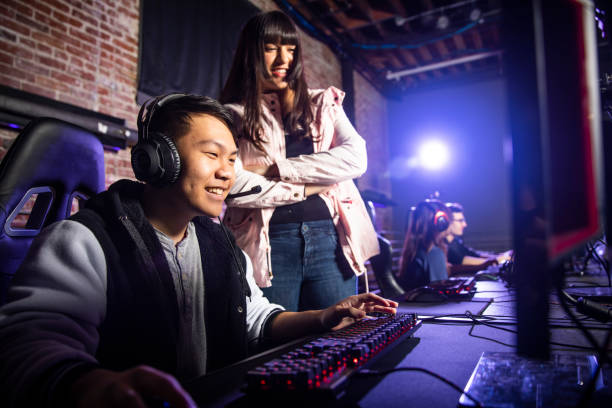
When you watch a massive esports tournament—like the League of Legends World Championship, the Intel Extreme Masters, or a major Valorant Champions event—it’s easy to focus entirely on the main stage. You see the flashing LED lights, the screaming fans, and the pro players hitting unreal reflex shots.
But have you ever wondered who makes sure the stream doesn’t crash? Who ensures the teams arrive on time from across the globe? Who writes the rules, handles the multi-million dollar brand sponsorships, or calls the camera angles?
Welcome to Esports Management. It is the invisible backbone of the gaming world, and it is one of the fastest-growing professional fields for gamers who want a career in the industry without needing a 0.1-second reaction time.
The Crew Behind the Screen
Running a professional gaming tournament is exactly like producing a massive live music festival combined with a traditional sports broadcast. Dozens of specialized roles work together behind the scenes. Here are some of the coolest jobs making it happen:
1. The Broadcast Producer
Think of the producer as the director of a live action movie, except there are no retakes. They sit in a control room surrounded by dozens of screens, managing the "run-of-show." They cue the transitions, tell the hosts when to go to commercial, and coordinate the entire technical crew to ensure millions of viewers on Twitch and YouTube get a flawless stream.
2. The In-Game Observer
This might be the most underrated job in gaming. Observers are essentially virtual camera operators. They sit inside the game client as spectators, and it’s their job to predict exactly where the action will happen next. If a surprise flank is happening across the map, the observer has to catch it and switch the live feed to that player's perspective before the kill happens.
3. The Tournament Administrator (Referees)
Just like traditional sports, esports needs refs. Admins process team registrations, build out the tournament brackets, enforce the official rulebook, and handle tech pauses. If a player accuses an opponent of exploiting a glitch or if there's a hardware malfunction, the Admin steps in to make the final, high-pressure call.
4. The Esports Team Manager
While tournament staff run the event, Team Managers take care of the organizations competing. They manage player schedules, handle travel logistics (flights, visas, hotels), negotiate contracts, and make sure the players are fed, rested, and mentally ready to compete. Their goal is simple: remove every single distraction so the players can just focus on winning.
The "Hype" Ecosystem: Marketing & Talent
An event is only successful if people actually show up to watch it. That’s where the creative business side comes in:
- Shoutcasters & Hosts: The public faces of the tournament. Play-by-play casters call the action with high energy, while color casters break down complex strategies.
- Partnerships Managers: They connect esports events with massive global brands (like Red Bull, Logitech, or Nike) to secure the funding and sponsorships that pay for the grand prize pools.
- Social Media & Community Managers: They keep the hype alive online. They are the ones clipping epic plays for TikTok, running the official Discord servers, and creating memes on X (Twitter) in real-time during a match.
The Skills Checklist
If you want to get into esports management, being good at the video game itself is actually optional. What matters more are your transferable skills:
| Skill | Why it Matters in Esports |
|---|---|
| Communication | Relaying technical issues instantly between players, tech crews, and broadcast talent. |
| Organization | Managing thousands of details—from match timings to player dietary restrictions. |
| Cool Under Pressure | Staying calm when a live stream goes down in front of 500,000 live viewers. |
| Problem Solving | Fixing unexpected network drops, audio bugs, or scheduling conflicts on the fly. |
How to Start Building Your Esports Resume Today
You don't have to wait until college to start getting experience. The esports industry loves people who take initiative. Here is how you can jumpstart your path right now:
- Start/Join a School Club: If your high school has an esports team or club, volunteer to help organize their local matches, set up the streaming software, or run their social media pages.
- Run Community Tournaments: Use free platform tools like Battlefy or Toornament to host brackets for your friends or local gaming communities. Learning how to seed a bracket and handle disputes is direct tournament administration experience.
- Volunteer for Amateur Leagues: Many grassroots, online leagues are constantly looking for volunteer moderators, observers, or graphic designers. It’s the perfect way to get your foot in the door and build a network.
The Takeaway: The gaming industry is massive, and it needs more than just pro players to survive. If you love gaming, love organizing events, and want to be part of the competitive scene, esports management might just be your perfect career path.