Biotechnology
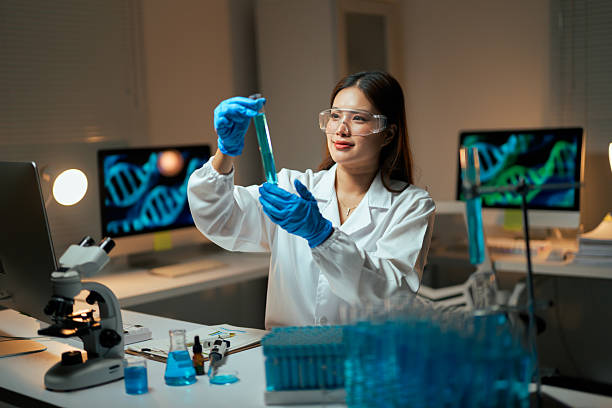
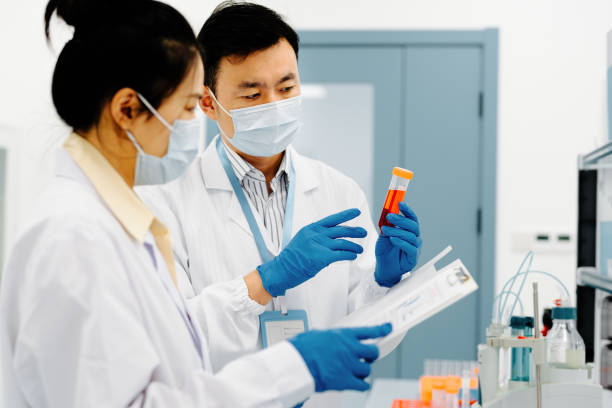
A Biotechnologist is a professional who applies biological principles and technology to develop products and solutions in areas such as healthcare, agriculture, and environmental sustainability. They work in research laboratories, pharmaceutical companies, agricultural firms, or government agencies, collaborating with scientists, engineers, and regulatory bodies. Biotechnologists play a crucial role in advancing medical treatments, improving crop yields, and addressing global challenges through innovation in a sector focused on scientific discovery, precision, and societal impact.

Career Description
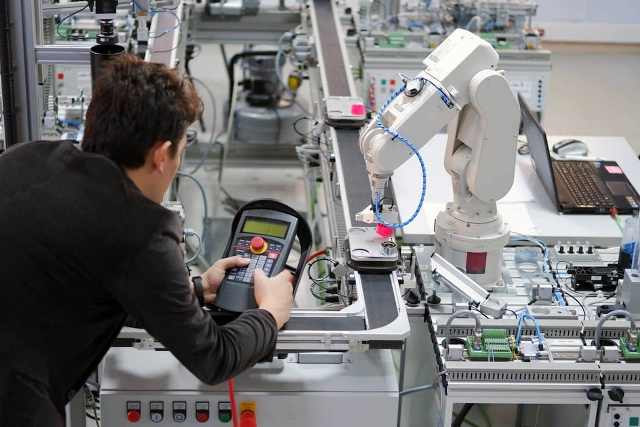
Biotechnologists are analytical and research-oriented professionals who work in controlled lab environments or field settings, using advanced tools like gene-editing technologies, bioreactors, and molecular analysis equipment. Their role involves conducting experiments, analyzing biological data, and developing applications like vaccines or genetically modified organisms, often facing challenges such as ethical dilemmas or regulatory hurdles. They combine expertise in biology, chemistry, and technology to address issues ranging from disease treatment to sustainable food production. As key contributors to scientific progress and human welfare, they help shape the future of health and environment in an industry increasingly driven by personalized medicine, synthetic biology, and green technologies.
Roles and Responsibilities
- Research and Development
- Conduct experiments to develop new biotechnological products like drugs or biofuels.
- Analyze genetic, cellular, or molecular data to understand biological processes.
- Genetic Engineering and Modification
- Use techniques like CRISPR to modify organisms for medical or agricultural benefits.
- Develop genetically modified crops for improved yield or resistance to pests.
- Bioprocess Engineering
- Design and optimize processes for large-scale production of bioproducts like enzymes or antibodies.
- Operate bioreactors and ensure compliance with safety and quality standards.
- Clinical Trials and Testing
- Assist in testing biotechnological products through clinical trials for safety and efficacy.
- Document results and prepare reports for regulatory submissions.
- Quality Control and Assurance
- Monitor production processes to ensure biotechnological products meet industry standards.
- Conduct tests to detect contaminants or deviations in bioproducts.
- Environmental Biotechnology Applications
- Develop solutions for waste management, pollution control, or renewable energy using microbes.
- Study environmental impacts of biotechnological interventions.
- Regulatory Compliance and Documentation
- Ensure adherence to ethical guidelines and government regulations in biotech projects.
- Prepare detailed documentation for patents, approvals, or scientific publications.
- Collaboration with Multidisciplinary Teams
- Work with chemists, engineers, and medical professionals to integrate biotech solutions.
- Communicate findings and innovations to stakeholders or funding bodies.
- Data Analysis and Bioinformatics
- Use computational tools to analyze biological data such as DNA sequences or protein structures.
- Develop algorithms or models to predict outcomes of biotechnological experiments.
Study Route & Eligibility Criteria
| Route | Steps |
| Route 1 | 1. 10+2 in Science stream (with Biology, Chemistry, and Physics) 2. Bachelor’s degree in Biotechnology or related field (3-4 years) 3. Internship or research assistant role in biotech labs 4. Practice as Junior Biotechnologist or Research Associate |
| Route 2 | 1. 10+2 in Science stream with Biology 2. Bachelor’s degree in Life Sciences, Microbiology, or Biochemistry (3-4 years) 3. Master’s degree in Biotechnology (1-2 years) 4. Gain practical experience through research projects 5. Work as Biotechnologist or Scientist |
| Route 3 | 1. 10+2 in Science with Mathematics and Biology 2. B.Tech in Biotechnology or Bioengineering (4 years) 3. Certification or short-term course in specialized biotech tools (3-6 months) 4. Internship in biotech or pharmaceutical companies 5. Practice as Biotech Engineer or Specialist |
| Route 4 | 1. 10+2 in Science stream 2. Bachelor’s degree in Biotechnology or related field (3-4 years) 3. Ph.D. in Biotechnology or specialized area (3-5 years) 4. Post-doctoral research or industry role 5. Practice as Senior Researcher or Biotech Consultant |
Significant Observations (Academic Related Points)
- Scientific Foundation: Strong understanding of biology, chemistry, and genetics is essential for innovation.
- Analytical Skills: Training in data interpretation and experimental design develops core research competencies.
- Specialized Training: Certifications in bioinformatics or gene editing are critical for advanced roles.
- Technology Proficiency: Familiarity with lab equipment and computational tools is vital for modern biotechnology.
- Interdisciplinary Knowledge: Understanding engineering, ethics, and regulatory affairs enhances project impact.
- Certification Importance: Specialized courses or certifications boost professional credibility in niche areas.
- Continuing Education: Regular updates on biotech advancements and regulations are necessary to stay relevant.
- Global Standards: Familiarity with international biotech guidelines enhances opportunities for global roles.
- Attention to Detail: Precision in experiments and data recording is critical for reliable outcomes.
- Entrance Examination Success: Competitive exams are often required for admission to top programs.
- International Testing Requirements: Language proficiency tests like IELTS may be needed for global opportunities.
Internships & Practical Exposure
- Mandatory internships during degree programs at biotech research labs or pharmaceutical companies for real-world experience.
- Rotations in clinical research or bioprocessing units for hands-on exposure to product development.
- Internships under experienced Biotechnologists for training in advanced techniques like gene editing.
- Observerships at agricultural biotech firms or environmental agencies for field application insights.
- Participation in mock research projects for skill development in experimental design and analysis.
- Training in bioinformatics tools through real-world projects like genome sequencing or protein modelling.
- Exposure to regulatory documentation during internships for skills in compliance and patent filing.
- Volunteer roles in community health or environmental biotech initiatives to build a portfolio.
- Community engagement projects for promoting biotech awareness and sustainable practices.
- International research attachments for global exposure to cutting-edge biotech innovations and practices.
Courses & Specializations to Enter the Field
- Certificate in Biotechnology or Bioinformatics.
- Bachelor’s in Biotechnology, Microbiology, or Biochemistry.
- Master’s in Biotechnology, Genetic Engineering, or Molecular Biology.
- B.Tech/M.Tech in Biotechnology or Bioengineering.
- Specialization in Medical Biotechnology or Agricultural Biotechnology.
- Ph.D. in Biotechnology for advanced research roles.
- Workshops on CRISPR, Synthetic Biology, or Bioprocess Engineering.
- Training in Clinical Research or Regulatory Affairs for Biotechnology.
- Specialization in Environmental Biotechnology or Industrial Biotechnology.
- Certification in Data Analysis for Biotech Applications (e.g., R, Python).
Top Institutes for Biotechnology Education (India)
| Institute | Course/Program | Official Link |
| Indian Institute of Technology (IIT), Bombay | B.Tech/M.Tech in Biotechnology | https://www.iitb.ac.in/ |
| University of Delhi, Delhi | B.Sc/M.Sc in Biotechnology | https://www.du.ac.in/ |
| Jawaharlal Nehru University (JNU), New Delhi | M.Sc/Ph.D. in Biotechnology | https://www.jnu.ac.in/ |
| Anna University, Chennai | B.Tech/M.Tech in Biotechnology | https://www.annauniv.edu/ |
| Amity University, Noida | B.Sc/M.Sc in Biotechnology | https://www.amity.edu/ |
| Lovely Professional University (LPU), Punjab | B.Tech/M.Tech in Biotechnology | https://www.lpu.in/ |
| Banaras Hindu University (BHU), Varanasi | B.Sc/M.Sc in Biotechnology | https://www.bhu.ac.in/ |
| University of Hyderabad, Hyderabad | M.Sc/Ph.D. in Biotechnology | https://www.uohyd.ac.in/ |
| VIT University, Vellore | B.Tech/M.Tech in Biotechnology | https://www.vit.ac.in/ |
| National Institute of Pharmaceutical Education and Research (NIPER), Mohali | M.Tech in Biotechnology | https://www.niper.gov.in/ |
Top International Institutes
| Institution | Course | Country | Official Link |
| Massachusetts Institute of Technology (MIT) | BS/MS/Ph.D. in Biotechnology & Bioengineering | USA | https://www.mit.edu/ |
| University of Cambridge | MPhil/Ph.D. in Biotechnology | UK | https://www.cam.ac.uk/ |
| University of California, Berkeley | BS/MS in Bioengineering & Biotechnology | USA | https://www.berkeley.edu/ |
| University of Toronto | BS/MS in Biotechnology | Canada | https://www.utoronto.ca/ |
| ETH Zurich | MS/Ph.D. in Biotechnology | Switzerland | https://www.ethz.ch/ |
| National University of Singapore (NUS) | BS/MS in Life Sciences & Biotechnology | Singapore | https://www.nus.edu.sg/ |
| University of Queensland | BS/MS in Biotechnology | Australia | https://www.uq.edu.au/ |
| University of California, San Diego (UCSD) | BS/MS/Ph.D. in Bioengineering | USA | https://www.ucsd.edu/ |
| Imperial College London | BS/MS in Biotechnology & Synthetic Biology | UK | https://www.imperial.ac.uk/ |
| University of Copenhagen | MS/Ph.D. in Biotechnology | Denmark | https://www.ku.dk/ |
Entrance Tests Required
India:
- JEE Main (Joint Entrance Examination): For admission to B.Tech programs in Biotechnology at IITs and NITs.
- JEE Advanced: For admission to Biotechnology programs at Indian Institutes of Technology (IITs).
- NEET (National Eligibility cum Entrance Test): For admission to integrated biotech or life sciences programs with medical focus at some institutes.
- GATE (Graduate Aptitude Test in Engineering): For admission to M.Tech programs in Biotechnology at IITs and other top institutes.
- JNU CEEB (Combined Entrance Examination for Biotechnology): Conducted by Jawaharlal Nehru University for M.Sc Biotechnology admissions across participating universities.
- AIIMS Biotechnology Entrance Exam: For admission to M.Sc Biotechnology at AIIMS, New Delhi.
International:
- GRE (Graduate Record Examination): Required for MS or Ph.D. admissions in Biotechnology at universities in the USA, Canada, and other countries.
- GMAT (Graduate Management Admission Test): Occasionally required for MBA programs with a biotech management focus in countries like the USA or UK.
- TOEFL (Test of English as a Foreign Language): Minimum score of 80-100 required for non-native speakers applying to programs in English-speaking countries like the USA, Canada, or Australia.
- IELTS (International English Language Testing System): Minimum score of 6.0-7.0 required for admission to universities in the UK, Australia, and other English-speaking regions for biotech courses.
- SAT (Scholastic Aptitude Test): Often required for undergraduate admissions in the USA or Canada for programs leading to biotechnology studies.
- ACT (American College Testing): An alternative to SAT for undergraduate admissions in the USA for life sciences or biotechnology-related programs.
Ideal Progressing Career Path
Biotech Intern → Junior Biotechnologist → Research Associate → Biotechnologist → Senior Biotechnologist → Biotech Project Manager → Director of Research & Development → Chief Scientific Officer → Biotech Consultant → Biotech Entrepreneur
Major Areas of Employment
- Pharmaceutical companies for drug discovery and biotherapeutics development.
- Agricultural firms for developing genetically modified crops and biofertilizers.
- Healthcare sectors for diagnostics, vaccine production, and personalized medicine.
- Environmental agencies for bioremediation and sustainable waste management solutions.
- Research institutions for fundamental and applied biotech studies.
- Food and beverage industries for fermentation technology and food safety.
- Government bodies for regulatory oversight and public health initiatives.
- Biotech startups for innovative solutions in synthetic biology or bioinformatics.
- Academic institutions for teaching and advanced research in biotechnology.
- Freelance consulting for specialized biotech project advisory services.
Prominent Employers
| India | International |
| Biocon | Pfizer, Global |
| Serum Institute of India | Roche, Global |
| Dr. Reddy’s Laboratories | Novartis, Global |
| Bharat Biotech | Amgen, Global |
| Cipla | Gilead Sciences, Global |
| Sun Pharmaceutical Industries | Johnson & Johnson, Global |
| Lupin Limited | AstraZeneca, Global |
| Zydus Cadila | GlaxoSmithKline (GSK), Global |
Pros and Cons of the Profession
| Pros | Cons |
| Opportunity to contribute to life-saving innovations | Often involves long hours in lab or research settings |
| High personal satisfaction in solving global challenges | Can face slow progress due to complex research timelines |
| Rewarding impact on health, agriculture, and environment | May require continuous learning to keep up with rapid advancements |
| Diverse career paths across industries and research | Risk of ethical dilemmas in areas like genetic modification |
| Strong potential for growth with increasing biotech demand | Limited control over funding or regulatory constraints |
Industry Trends and Future Outlook
- Digital Transformation: Increasing focus on bioinformatics and AI for drug discovery and data analysis.
- Rising Demand: Growing need for Biotechnologists skilled in gene editing and personalized medicine.
- Technology Impact: Enhanced use of CRISPR and synthetic biology for innovative therapies.
- Interdisciplinary Focus: Emergence of collaboration with data scientists and engineers.
- AI and Biotech Tools: Adoption of AI for predicting protein structures and drug interactions.
- Global Market Needs: Development of biotech solutions for pandemics and climate change.
- Compliance-Centric Market: Use of data to enhance regulatory transparency and safety.
- Skill Development Needs: Growing necessity for training in computational biology and ethics.
- Sustainability Focus: Increased efforts to develop bio-based materials and renewable energy.
- Hybrid Research Models: Blending lab-based research with digital simulations for efficiency.
Salary Expectations
| Career Level | India (₹ per annum) | International (USD per annum) |
| Biotech Intern (Early Career) | 2,50,000 - 5,00,000 | 30,000 - 50,000 |
| Junior Biotechnologist (Mid-Career) | 5,00,000 - 10,00,000 | 50,000 - 70,000 |
| Biotechnologist | 10,00,000 - 18,00,000 | 70,000 - 100,000 |
| Senior Biotechnologist/Project Manager | 18,00,000 - 30,00,000 | 100,000 - 140,000 |
| Chief Scientific Officer/Expert | 30,00,000+ | 140,000+ |
| Note: Salaries may vary based on location, employer, experience, and specialization. |
Key Software Tools
- Bioinformatics Software (e.g., BLAST, ClustalW) for sequence analysis.
- Molecular Modeling Tools (e.g., PyMOL, Chimera) for protein structure visualization.
- Data Analysis Platforms (e.g., R, Python) for biological data processing.
- Lab Management Software (e.g., LabArchives, Benchling) for experiment tracking.
- Genomic Analysis Tools (e.g., GATK, SAMtools) for sequencing data interpretation.
- Bioprocess Simulation Software (e.g., SuperPro Designer) for production modeling.
- Statistical Software (e.g., SPSS, GraphPad Prism) for experimental data analysis.
- Cloud Storage (e.g., Google Drive, Dropbox) for collaborative research data.
- AI Tools (e.g., AlphaFold) for protein structure prediction.
- Electronic Lab Notebooks (e.g., ELN by PerkinElmer) for digital record-keeping.
Professional Organizations and Networks
- Biotechnology Industry Organization (BIO), USA/Global.
- European Federation of Biotechnology (EFB), Europe.
- Association of Biotechnology Led Enterprises (ABLE), India.
- International Society for Computational Biology (ISCB), Global.
- American Society for Microbiology (ASM), USA/Global.
- Society for Industrial Microbiology and Biotechnology (SIMB), USA/Global.
- Indian Society of Agricultural Biochemists (ISAB), India.
- Biotech Research Society, India (BRSI), India.
- International Union of Biochemistry and Molecular Biology (IUBMB), Global.
- World Biotechnology Congress, Global.
Notable Biotechnologists and Industry Leaders (Top 10)
- Jennifer Doudna (USA): Co-inventor of CRISPR-Cas9 gene-editing technology, revolutionizing biotechnology. Her work earned a Nobel Prize in Chemistry. Her impact transforms genetic research.
- Emmanuelle Charpentier (France/Germany): Co-inventor of CRISPR-Cas9, known for precise genome editing tools. Her innovation drives medical and agricultural advances. Her contributions reshape biotech.
- KiranMazumdar-Shaw (India): Founder of Biocon, known for pioneering affordable biopharmaceuticals in India. Her leadership made insulin accessible globally. Her impact boosts healthcare equity.
- George Church (USA): Pioneer in synthetic biology and genome sequencing, known for innovative biotech applications. His work explores human genome editing. His contributions push scientific boundaries.
- AnuragKashyap (India): Biotech entrepreneur with Zydus Cadila, known for vaccine development like ZyCoV-D. His efforts combat pandemics in India. His impact strengthens public health.
- Craig Venter (USA): Known for sequencing the human genome and creating synthetic life forms. His innovations redefine synthetic biology. His impact drives futuristic biotech.
- Cyrus Poonawalla (India): Founder of Serum Institute of India, known for producing affordable vaccines globally. His work supports mass immunization. His contributions save millions of lives.
- Feng Zhang (USA): Key contributor to CRISPR technology, known for adapting it for mammalian cells. His research enables therapeutic gene editing. His impact advances precision medicine.
- RinoRappuoli (Italy): Vaccine pioneer known as the “father of reverse vaccinology” for developing novel vaccines. His innovations protect against meningitis. His contributions enhance global health.
- Krishna Ella (India): Co-founder of Bharat Biotech, known for developing Covaxin, India’s indigenous COVID-19 vaccine. His leadership addresses pandemic challenges. His impact bolsters vaccine sovereignty.
Advice for Aspiring Biotechnologists
- Build a strong foundation in biology and chemistry to understand core biotech principles.
- Seek early exposure to lab roles through internships to confirm interest in biotechnology.
- Prepare thoroughly for competitive exams like GATE or JEE with structured study plans.
- Pursue short courses in gene editing or bioinformatics to gain expertise in emerging areas.
- Stay updated on biotech trends by following journals like Nature Biotechnology.
- Develop hands-on skills in lab techniques and data analysis through research projects.
- Engage in practical internships at biotech firms or research institutes for real-world experience.
- Join professional associations like BIO or ABLE for networking and resources.
- Work on precision in experiments and documentation to ensure credible research outcomes.
- Explore international research opportunities for exposure to global biotech advancements.
- Volunteer in community biotech initiatives to understand practical societal challenges.
- Cultivate adaptability to handle rapid changes in technology and ethical considerations.
- Attend continuing education programs to stay abreast of biotech tools and regulations.
- Build a network with researchers, industry leaders, and regulators for collaborative efforts.
- Develop resilience to manage the high-pressure demands of research and innovation.
- Balance scientific rigor with ethical integrity to adapt to evolving biotech landscapes.
A career as a Biotechnologist offers a profound opportunity to innovate solutions for health, agriculture, and the environment, driving scientific progress through meticulous research and technological expertise, fostering global well-being with every breakthrough. Biotechnologists are the architects of biological innovation, using their skills to develop life-saving therapies, sustainable crops, and eco-friendly solutions across industries. This profession blends scientific curiosity with technological precision, providing pathways in medical research, industrial biotech, environmental solutions, and beyond. For those passionate about discovery, driven by a desire to solve complex biological challenges, and eager to embrace the evolving landscape of gene editing and synthetic biology, becoming a Biotechnologist is a deeply rewarding journey. It empowers individuals to shape scientific outcomes, address critical global issues, and advance human progress through the transformative power of biotechnology.
Leading Professions
View AllBiotech Intern:
Entry-level individuals who assist in basic lab tasks like sample preparation or data recording under supervision. They gain hands-on experience with biotech tools and protocols. Their role builds foundational skills in research and experimentation. They often support ongoing projects to learn scientific processes. This position is crucial for understanding the biotech field before advancing to specialized roles.
Junior Biotechnologist:
Early-career professionals who conduct routine experiments and assist in data analysis in labs. They focus on specific tasks like cell culture or PCR under guidance. Their work contributes to larger research or development projects. They often collaborate with senior scientists to validate results. Their contributions lay the groundwork for scientific discovery and product development.
Research Associate:
Mid-level professionals who design and execute experiments, often specializing in areas like genetic engineering or microbiology. They analyze data and prepare reports for publications or regulatory purposes. Their role involves troubleshooting experimental challenges and optimizing protocols. They often mentor interns or junior staff. Their expertise is vital for advancing research objectives in biotech.
Biotechnologist:
Professionals who lead independent research or development projects, applying biotech techniques to solve specific problems like drug discovery. They develop innovative solutions and ensure compliance with ethical standards. Their role includes presenting findings to stakeholders or at conferences. They often collaborate with cross-functional teams for product rollout. They are central to translating research into practical applications.
Senior Biotechnologist:
Experienced leaders who oversee complex biotech projects, managing teams and resources across multiple experiments or product lines. They handle high-level strategy, such as scaling bioprocesses for industrial use, while mentoring junior staff. Their expertise lies in integrating emerging technologies like synthetic biology. They ensure projects align with organizational or regulatory goals. Their leadership is essential for sustained innovation and impact.
Biotech Project Manager:
Senior professionals who coordinate large-scale biotech initiatives, ensuring timely delivery of research or product development goals. They manage budgets, timelines, and cross-disciplinary teams while mitigating risks. Their role involves stakeholder communication, presenting progress to executives or investors. They ensure compliance with global standards and ethical guidelines. Their oversight is pivotal for successful project outcomes and market readiness.
Director of Research & Development:
Top-tier executives responsible for the strategic direction of an organization’s biotech R&D division. They develop long-term plans for innovation, oversee large budgets, and ensure alignment with industry trends. Their role involves driving partnerships with academic or commercial entities. They champion cutting-edge research like gene therapy or bioplastics. Their vision is critical for positioning the organization as a biotech leader.
Chief Scientific Officer:
Executive leaders who oversee all scientific operations within a biotech firm, often reporting to the CEO. They shape policies for research integrity, innovation, and regulatory adherence across global operations. Their leadership drives adoption of transformative technologies like CRISPR. They represent the scientific face of the organization to investors and regulators. They play a key role in ensuring long-term competitiveness in biotech.
CAREER VIDEOS
Interested? Take the next step for this career
Skills Needed
This page includes information from O*NET Resource Center by the U.S. Department of Labor, Employment and Training Administration (USDOL/ETA). Used under the CC BY 4.0 license. O*NET® is a trademark of USDOL/ETA.
© 2025 TopTeen. All rights reserved.