Career

Digital Forensics Specialist

Digital Forensics Specialist

Digital Forensics Specialist


A Digital Forensics Specialist is a professional dedicated to investigating digital devices and data to uncover evidence of cybercrimes, fraud, or other illicit activities, ensuring the integrity of digital information for legal, corporate, or security purposes. They work in sectors such as law enforcement, cybersecurity, corporate investigations, legal firms, and government, collaborating with cybersecurity experts, law enforcement officers, legal professionals, and IT teams. Digital Forensics Specialists play a critical role in combating cybercrime and supporting justice in a world increasingly focused on digital transactions, data privacy, and online security.
 

Career Description

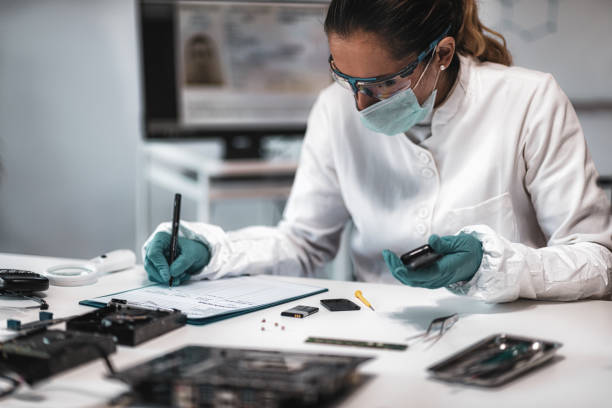
Digital Forensics Specialists are experts in data recovery, analysis, and preservation, responsible for extracting evidence from computers, mobile devices, and networks, analyzing it for criminal or unethical behavior, and presenting findings in a legally admissible format. Their role involves meticulous investigation, documentation, and reporting, often working in settings such as forensic labs, law enforcement agencies, or remote environments. They combine expertise in digital tools, cybersecurity, and legal protocols to address challenges like data tampering, encryption, and chain of custody issues. As key contributors to digital justice, they help organizations and societies thrive in an era prioritizing cyber accountability, data integrity, and protection against digital threats.

 

Roles and Responsibilities

  • Digital Evidence Collection
    • Collect digital evidence from devices such as computers, smartphones, servers, and storage media using forensic tools.
    • Ensure proper handling and preservation of evidence to maintain the chain of custody for legal admissibility.
  • Data Recovery and Extraction
    • Recover deleted, hidden, or encrypted data from digital devices using specialized software and techniques.
    • Extract relevant information like emails, files, logs, or metadata for investigative purposes.
  • Evidence Analysis and Interpretation
    • Analyze digital evidence to identify patterns, timelines, or traces of cybercrime, fraud, or unauthorized activity.
    • Interpret findings to reconstruct events, uncover malicious actions, or identify perpetrators.
  • Report Preparation and Testimony
    • Prepare detailed forensic reports documenting evidence, analysis methods, and conclusions for legal or corporate use.
    • Provide expert testimony in court or hearings to explain technical findings to non-technical audiences.
  • Incident Investigation
    • Investigate cyber incidents such as data breaches, hacking, or intellectual property theft to determine the cause and scope.
    • Trace digital footprints, IP addresses, or user activities to support investigations.
  • Tool and Technique Development
    • Use and develop forensic tools and methodologies to address evolving digital threats and encryption challenges.
    • Stay updated on new technologies and attack vectors to adapt investigative approaches.
  • Collaboration with Stakeholders
    • Collaborate with law enforcement, legal teams, and cybersecurity professionals to align investigations with objectives.
    • Assist organizations in post-incident recovery by identifying vulnerabilities and recommending security improvements.
  • Compliance and Ethics
    • Ensure investigations comply with legal standards, privacy laws, and ethical guidelines to protect rights and data.
    • Maintain confidentiality and integrity of sensitive information during forensic processes.


Study Route & Eligibility Criteria

RouteSteps
Route 1

1. 10+2 with Science (Mathematics/Computer Science) or relevant subjects.

2. Bachelor’s degree in Computer Science, Information Technology, or Forensic Science (3-4 years).

3. Gain practical experience through internships or training in digital forensics or cybersecurity roles (3-6 months).

4. Pursue entry-level roles like Junior Digital Forensics Analyst or Forensic Technician (1-2 years).

Route 2

1. 10+2 with Science (Mathematics/Computer Science) or relevant subjects.

2. Bachelor’s degree in Computer Science, IT, or related field (3-4 years).

3. Master’s degree in Digital Forensics, Cybersecurity, or Computer Science (2 years, optional).

4. Work in IT security or data analysis roles to gain experience (1-2 years).

5. Transition to Digital Forensics Specialist roles with enhanced skills and knowledge.

Route 3

1. 10+2 with Science (Mathematics/Computer Science) or relevant subjects.

2. Bachelor’s degree in Computer Science, Forensic Science, or related field (3-4 years).

3. Pursue professional certifications like Certified Forensic Computer Examiner (CFCE) or EnCase Certified Examiner (EnCE) (1-2 years).

4. Gain hands-on experience through roles in cybersecurity or IT forensics (1-2 years).

5. Establish a career as a Digital Forensics Specialist in law enforcement or corporate sectors.

Route 4

1. 10+2 with Science (Mathematics/Computer Science) or relevant subjects.

2. Bachelor’s degree from India in Computer Science or IT (3-4 years).

3. Pursue international certifications or advanced degrees in digital forensics abroad (1-2 years).

4. Gain exposure through roles in global forensic firms or law enforcement agencies (1-2 years).

5. Work as a Digital Forensics Specialist in international markets or global firms.


Significant Observations (Academic Related Points)

  • Technical Foundation: Strong knowledge of computer science, IT, or forensic science is essential for mastering digital forensics.
  • Practical Skills: Hands-on training in data recovery and forensic tools builds core competencies in evidence analysis.
  • Specialized Certifications: Credentials in digital forensics (e.g., CFCE, EnCE) enhance professional credibility.
  • Industry Expertise: Familiarity with cybercrime trends and legal protocols is crucial for effective investigations.
  • Analytical Focus: Understanding data structures and attack methods ensures accurate evidence interpretation.
  • Certification Relevance: Some positions may mandate specific certifications from recognized forensic bodies.
  • Continuous Learning: Regular training is needed to keep up with evolving digital threats and forensic technologies.
  • Global Awareness: Knowledge of international forensic standards opens opportunities for cross-border roles.
  • Precision Focus: Attention to detail is vital for preserving evidence integrity and maintaining chain of custody.
  • Entrance Exam Preparation: Admission to certain programs or competitive roles may require clearing entrance tests.
  • International Standards: For global roles, qualifications or certifications from international forensic organizations may be required.


Internships & Practical Exposure

  • Mandatory practical training during degree programs in IT or forensic science units for real-world insights.
  • Rotations in cybersecurity firms or law enforcement agencies for hands-on experience in digital evidence collection.
  • Internships under senior digital forensics specialists for exposure to real-time data recovery and crime investigation.
  • Observerships in forensic labs or legal tech companies for insights into evidence handling and analysis processes.
  • Participation in digital forensics challenges and cybercrime simulation events for practical skill development.
  • Training in forensic tools and data extraction techniques through real-world engagements in investigative projects.
  • Exposure to tools like EnCase, FTK, and Cellebrite during internships.
  • Field projects on cybercrime investigation, data breach analysis, or mobile forensics during training.
  • Community outreach programs to engage with local law enforcement and understand digital crime needs on the ground.
  • International digital forensics project attachments for global exposure to diverse cybercrime challenges and standards.


Courses & Specializations to Enter the Field

  • Certificate in Digital Forensics
  • Bachelor’s in Computer Science, Information Technology, or Forensic Science
  • Master’s in Digital Forensics, Cybersecurity, or Computer Science
  • Ph.D. in Digital Forensics or Cybercrime Investigation
  • Specialization in Mobile Device Forensics
  • Certification in Certified Forensic Computer Examiner (CFCE)
  • Workshops on Data Recovery and Evidence Preservation
  • Training in Network Forensics and Incident Investigation
  • Specialization in Cloud Forensics and IoT Investigation
  • Certification in EnCase Certified Examiner (EnCE)


Top Institutes for Digital Forensics Specialist Education (India)

InstituteCourse/ProgramOfficial Link
Indian Institute of Technology (IIT), BombayB.Tech/M.Tech in Computer Sciencehttps://www.iitb.ac.in/
Indian Institute of Technology (IIT), DelhiB.Tech/M.Tech in Computer Sciencehttps://www.iitd.ac.in/
Indian Institute of Technology (IIT), MadrasB.Tech/M.Tech in Computer Sciencehttps://www.iitm.ac.in/
Indian Institute of Technology (IIT), KanpurB.Tech/M.Tech in Computer Sciencehttps://www.iitk.ac.in/
Indian Institute of Science (IISc), BangaloreM.Tech in Computer Science/IThttps://www.iisc.ac.in/
Birla Institute of Technology and Science (BITS), PilaniB.E./M.E. in Computer Sciencehttps://www.bits-pilani.ac.in/
International Institute of Information Technology (IIIT), HyderabadB.Tech/M.Tech in Computer Sciencehttps://www.iiit.ac.in/
Anna University, ChennaiB.E./M.E. in Computer Sciencehttps://www.annauniv.edu/
Amity University, NoidaB.Tech/M.Tech in Cybersecurity & Forensicshttps://www.amity.edu/
Gujarat Forensic Sciences University, GandhinagarM.Sc. in Digital Forensicshttps://www.gfsu.edu.in/


Top International Institutes

InstitutionCourseCountryOfficial Link
Massachusetts Institute of Technology (MIT)BS/MS in Computer Science/CybersecurityUSAhttps://www.mit.edu/
Stanford UniversityBS/MS in Computer Science/CybersecurityUSAhttps://www.stanford.edu/
Carnegie Mellon UniversityBS/MS in Information SecurityUSAhttps://www.cmu.edu/
University of California, BerkeleyBS/MS in Computer Science/CybersecurityUSAhttps://www.berkeley.edu/
University of TorontoBS/MS in Computer Science/CybersecurityCanadahttps://www.utoronto.ca/
University of OxfordMSc in CybersecurityUKhttps://www.ox.ac.uk/
ETH ZurichMS in Computer Science/CybersecuritySwitzerlandhttps://ethz.ch/
National University of Singapore (NUS)BS/MS in Computer Science/CybersecuritySingaporehttps://www.nus.edu.sg/
University of MelbourneMS in Computer Science/CybersecurityAustraliahttps://www.unimelb.edu.au/
Technical University of Munich (TUM)MS in Informatics/SecurityGermanyhttps://www.tum.de/


Entrance Tests Required

India:

  • JEE Main/JEE Advanced: For admissions in B.Tech programs at IITs and other top engineering institutes.
  • GATE (Graduate Aptitude Test in Engineering): For admissions in M.Tech programs in Computer Science or IT at IITs and IISc.
  • BITSAT (Birla Institute of Technology and Science Admission Test): For admissions in B.E. programs at BITS Pilani.
  • VITEEE (Vellore Institute of Technology Engineering Entrance Exam): For admissions in B.Tech programs at VIT.
  • SRMJEEE (SRM Joint Engineering Entrance Exam): For admissions in B.Tech programs at SRM University.

International:

  • SAT/ACT: Required for undergraduate admissions in computer science or cybersecurity programs in the USA and Canada.
  • GRE (Graduate Record Examination): Required for MS/Ph.D. programs in digital forensics or computer science in countries like the USA, UK, and Canada.
  • TOEFL (Test of English as a Foreign Language): Minimum score of 80-100 required for non-native speakers applying to programs in English-speaking countries.
  • IELTS (International English Language Testing System): Minimum score of 6.0-7.0 required for admission to universities in the UK, Australia, and other regions.


Ideal Progressing Career Path

Junior Digital Forensics Analyst → Digital Forensics Specialist → Senior Digital Forensics Analyst → Digital Forensics Investigator → Digital Forensics Manager → Director of Digital Forensics → Chief Forensic Officer → Academician/Independent Consultant


Major Areas of Employment

  • Law enforcement agencies for investigating cybercrimes, fraud, and digital evidence in criminal cases.
  • Cybersecurity firms for analyzing data breaches, malware attacks, and insider threats.
  • Corporate sector for conducting internal investigations into data theft, IP violations, or employee misconduct.
  • Legal firms for providing digital evidence and expert testimony in civil and criminal litigation.
  • Government and public sector for securing national data and investigating cyber threats to critical infrastructure.
  • Financial services for detecting fraud, money laundering, and unauthorized transactions through digital evidence.
  • Healthcare sector for investigating breaches of patient data and securing medical systems.
  • Education sector for protecting institutional data and investigating academic misconduct or cyberbullying.
  • Research and academia for advancing digital forensics methodologies, tools, and investigative techniques.
  • Consulting firms for advising organizations on forensic readiness, incident response, and legal compliance.


Prominent Employers

IndiaInternational
TCS, MumbaiCellebrite, Israel
Infosys, BangaloreAccessData, USA
Wipro, BangaloreGuidance Software (OpenText), USA
IBM India, BangaloreMagnet Forensics, Canada
Accenture India, BangaloreNuix, Australia
Tech Mahindra, PuneFireEye (Mandiant), USA
Deloitte India, MumbaiDigital Intelligence, USA
Cyber Crime Investigation Cell (Various States), IndiaForensic Focus, UK
Central Bureau of Investigation (CBI), New DelhiSANS Institute, USA
National Cyber Security Agency, IndiaEnCase (Guidance Software), USA


Pros and Cons of the Profession

ProsCons
Direct impact on justice by uncovering digital evidence to solve cybercrimes and protect victimsHigh-pressure role due to the need for precision in evidence handling and legal admissibility under tight deadlines
Growing demand due to increasing cybercrimes and reliance on digital evidence in legal proceedingsChallenges in dealing with encrypted data, evolving technologies, and maintaining chain of custody
Opportunity to contribute to critical sectors like law enforcement, finance, and corporate integrity with forensic insightsEmotional stress from investigating sensitive or disturbing cases like cyber fraud or exploitation
Varied career paths in law enforcement, corporate investigations, legal support, and international sectorsNeed for constant learning to keep up with rapidly evolving digital tools, attack methods, and legal standards
Potential for societal change through combating cybercrime and promoting digital accountabilityLimited immediate visibility of impact, as investigations often take time and outcomes depend on legal processes


Industry Trends and Future Outlook

  • Cybercrime Surge: Rising digital crimes in India like fraud and hacking, driving demand for forensic specialists.
  • Government Focus: Policies like Digital India and cybercrime units boosting forensic roles in public sector investigations.
  • Mobile Forensics Growth: Increasing smartphone usage in India, necessitating expertise in mobile device investigations.
  • Cloud Forensics Demand: Growth of cloud services in India, creating need for skills in cloud data evidence recovery.
  • IoT Investigation Needs: Expansion of IoT devices in India, driving demand for forensics in connected systems.
  • Data Breach Investigations: Rising data breaches, requiring forensic expertise to trace sources and impacts.
  • Legal Tech Integration: Growing use of digital evidence in Indian courts, necessitating forensic reporting skills.
  • AI in Forensics: Adoption of AI for evidence analysis in India, creating opportunities in automated forensics.
  • Talent Shortage: High demand for skilled digital forensics professionals in India, pushing for certifications and training.
  • Skill Development Needs: Demand for training in mobile forensics, cloud investigations, and AI tools for future specialists.


Salary Expectations

Career LevelIndia (₹ per annum)International (USD per annum)
Junior Digital Forensics Analyst (Early Career)3,50,000 - 7,00,00045,000 - 65,000
Digital Forensics Specialist7,00,000 - 12,00,00065,000 - 90,000
Senior Digital Forensics Analyst12,00,000 - 18,00,00090,000 - 120,000
Digital Forensics Investigator/Digital Forensics Manager18,00,000 - 25,00,000120,000 - 160,000
Director of Digital Forensics/Chief Forensic Officer/Academician/Independent Consultant25,00,000 - 40,00,000+160,000 - 220,000+

Note: Salaries may vary based on location, employer, experience, and specialization. Indian figures are updated estimates based on current industry trends, corporate pay scales, and private sector data as of 2025, reflecting inflation and demand growth in the digital forensics sector. International figures are based on data from the U.S., UK, and Europe as of 2025, adjusted for market trends in digital forensics roles, sourced from industry reports and salary surveys like Glassdoor and PayScale. Due to the speculative nature of future data, these are approximations and may differ based on real-time economic factors.


Key Software Tools

  • Forensic Imaging Tools (e.g., EnCase, FTK Imager) for creating bit-by-bit copies of digital storage media.
  • Data Recovery Tools (e.g., R-Studio, Recuva) for retrieving deleted or corrupted files from devices.
  • Mobile Forensics Tools (e.g., Cellebrite UFED, Oxygen Forensics) for extracting data from smartphones and tablets.
  • Network Forensics Tools (e.g., Wireshark, NetworkMiner) for analyzing network traffic and logs.
  • Password Cracking Tools (e.g., Hashcat, Cain & Abel) for accessing encrypted or password-protected data.
  • Analysis Tools (e.g., Autopsy, X-Ways Forensics) for examining digital evidence and reconstructing events.
  • Cloud Forensics Tools (e.g., CloudBerry, AWS CloudTrail) for investigating data stored in cloud environments.
  • Memory Forensics Tools (e.g., Volatility, Rekall) for analyzing volatile memory for evidence of attacks.
  • Report Generation Tools (e.g., CaseNotes, Forensic Explorer) for documenting findings in a legally admissible format.
  • Collaboration Tools (e.g., Slack, Microsoft Teams) for coordinating with investigative teams and legal professionals.


Professional Organizations and Networks

  • Association for Computing Machinery (ACM) India
  • Indian Society for Technical Education (ISTE)
  • Computer Society of India (CSI)
  • International Association of Computer Investigative Specialists (IACIS), Global
  • High Technology Crime Investigation Association (HTCIA), Global
  • Digital Forensics Research Workshop (DFRWS), Global
  • International Society of Forensic Computer Examiners (ISFCE), Global
  • British Computer Society (BCS) - Digital Forensics Group, UK
  • Forensic Science Society, UK
  • Australian Computer Society (ACS) - Digital Forensics Interest Group, Australia


Notable Leaders in Digital Forensics (Top 10)

  • Nandan Nilekani (Contemporary, India): Co-founder of Infosys, known for secure digital initiatives like Aadhaar with forensic implications. His strategies grow ecosystems. His leadership inspires trust. He influenced digital integrity.
     
  • Ashutosh Sharma (Contemporary, India): Tech leader at Microsoft India, known for digital security frameworks. His work builds resilience. His leadership drives growth. He shaped forensic-ready systems.
     
  • Rohini Srivathsa (Contemporary, India): CTO at Microsoft India, known for digital transformation with security focus. Her vision shapes strategy. Her leadership inspires protection. She reshapes Indian tech forensics.
     
  • Ananth Madhavan (Contemporary, India): Security expert at Amazon India, known for protecting digital platforms. His tech drives safety. His leadership builds trust. He advanced forensic applications in retail.
     
  • Kailash Nadh (Contemporary, India): CTO at Zerodha, known for securing fintech with forensic traceability. His solutions scale protection. His leadership drives progress. He influenced digital evidence in finance.
     
  • Kevin Mandia (Contemporary, USA): CEO of Mandiant, known for digital forensics in cyber incident response. His investigations solve breaches. His leadership drives defense. He redefined forensic analysis.
     
  • Eoghan Casey (Contemporary, USA): Digital forensics pioneer, known for advancing forensic methodologies. His research shapes standards. His leadership educates. He influenced global forensics.
     
  • Cindy Murphy (Contemporary, USA): Forensic expert at Gillware, known for mobile forensics and evidence recovery. Her work solves cases. Her leadership builds trust. She reshaped device forensics.
     
  • Jonathan Rajewski (Contemporary, USA): Forensic investigator, known for contributions to digital evidence analysis. His expertise aids justice. His leadership drives innovation. He shaped forensic practices.
     
  • Simson Garfinkel (Contemporary, USA): Researcher, known for digital forensics tools and privacy protection. His innovations secure data. His leadership inspires progress. He influenced forensic technology globally.
     

Advice for Aspiring Digital Forensics Specialists

  • Build a strong foundation in computer science, IT, or forensic science to understand digital evidence and systems.
  • Seek early exposure to cybersecurity or digital forensics projects through internships to confirm interest in the field.
  • Prepare thoroughly for entrance exams or certification requirements specific to your chosen program or region.
  • Pursue certifications in digital forensics like CFCE or EnCE to gain expertise in evidence collection and analysis.
  • Stay updated on cybercrime trends and forensic tools by attending industry conferences, webinars, and workshops.
  • Develop hands-on skills in data recovery, network forensics, and mobile device analysis through practical experience.
  • Engage in cybercrime investigation or digital evidence projects to build real-world experience in forensic analysis.
  • Join professional associations like the Computer Society of India (CSI) for resources and networking.
  • Work on analytical and reporting skills to ensure impactful forensic findings and legal admissibility.
  • Explore international digital forensics projects for exposure to diverse cybercrime challenges and global standards.
  • Volunteer in local law enforcement or community initiatives to understand digital crime needs and societal impacts.
  • Cultivate adaptability to handle evolving digital threats and diverse investigative requirements.
  • Attend continuing education programs to stay abreast of new forensic tools and legal protocols.
  • Build a network with cybersecurity professionals, legal experts, and forensic investigators for collaborative opportunities.
  • Develop resilience to manage the high-pressure demands and sensitive challenges of digital forensics.
  • Balance technical precision with ethical considerations to drive forensic impact and adapt to rapid technological changes.


A career as a Digital Forensics Specialist offers a unique opportunity to contribute to justice and digital safety by uncovering evidence of cybercrimes and unethical activities across diverse sectors. From solving data breaches to supporting legal proceedings, Digital Forensics Specialists play a pivotal role in maintaining accountability and integrity in modern digital environments. This field combines expertise in data recovery, analytical techniques, and a commitment to technological and legal advancement, offering diverse paths in law enforcement, corporate investigations, legal support, and international sectors. For those passionate about shaping the future of digital justice, adapting to evolving cyber threats, and addressing critical investigative needs in an era of increasing digital reliance, a career as a Digital Forensics Specialist provides an intellectually stimulating and professionally rewarding journey with the potential to make significant contributions to society by advancing cyber accountability, data protection, and online safety worldwide.

Leading Professions
View All

Junior Digital Forensics Analyst

Entry-level professionals assist in evidence collection and basic analysis, working in firms like TCS or forensic labs. They build foundational skills in digital investigation across India’s tech and legal sectors.

Digital Forensics Specialist

Mid-level specialists conduct detailed evidence analysis and data recovery, employed by companies like Wipro or government agencies. They contribute to cybercrime investigations in hubs like Bangalore or Delhi.

Senior Digital Forensics Analyst

Experienced analysts lead complex investigations, mentor juniors, and prepare legal reports in organizations like IBM India or Cyber Crime Cells. They focus on high-impact cases at national levels.

Digital Forensics Investigator

Investigators handle end-to-end cybercrime cases, trace digital footprints, and collaborate with law enforcement in firms like Accenture India or CBI. They drive evidence-based resolutions across sectors.

Digital Forensics Manager

Managers oversee forensic teams, manage case workflows, and ensure legal compliance in companies like Tech Mahindra or private consultancies. They align investigations with broader objectives.

Director of Digital Forensics

Senior leaders direct forensic programs, set strategic goals for investigations, and ensure accuracy in firms like Deloitte India or forensic agencies. They shape transformative forensic frameworks.

Chief Forensic Officer

Top-tier executives manage organizational forensic strategies, integrate digital evidence into security, and represent firms in companies like Infosys or national cyber units. They influence forensic policies for national and global impact.

Academician/Independent Consultant

High-level educators or solo practitioners lead digital forensics studies at institutes like Gujarat Forensic Sciences University or provide bespoke forensic advice to industries. They mentor future specialists and influence practices through research.

CAREER VIDEOS

Interested? Take the next step for this career

Every Student, Career Ready!

This page includes information from O*NET Resource Center by the U.S. Department of Labor, Employment and Training Administration (USDOL/ETA). Used under the CC BY 4.0 license. O*NET® is a trademark of USDOL/ETA.


© 2025 TopTeen. All rights reserved.

Terms & ConditionsPrivacy Policy